Conveyor Belt Selection and Purchasing Guide
A conveyor belt is the core of any bulk handling system. Choose the right specification to reduce downtime and shipping risk.
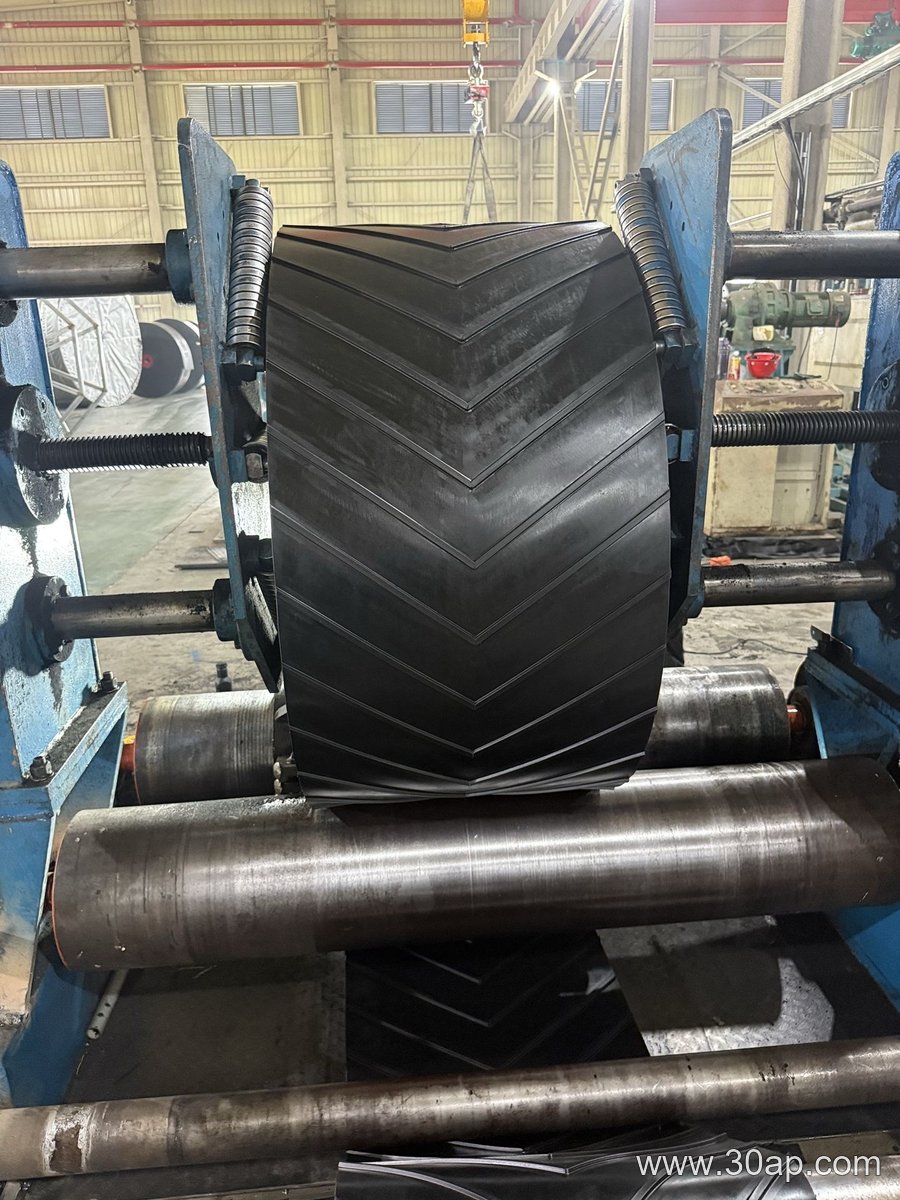
Key Selection Factors
- Material: rubber, PVC, or steel cord
- Load weight and belt width
- Operating temperature and speed
- Cleat or sidewall needs
Purchasing Advice
Verify tensile strength, abrasion resistance, and export packaging. Request test reports and confirm spare part availability before ordering.
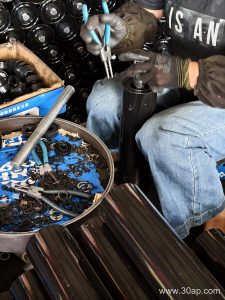
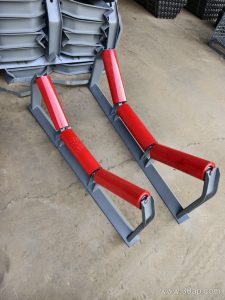
Idler Roller Selection and Purchasing Guide
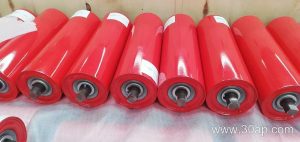
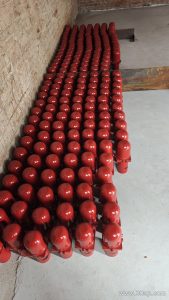
An idler roller supports the belt and reduces friction. Choose the right one for reliable, efficient conveying.
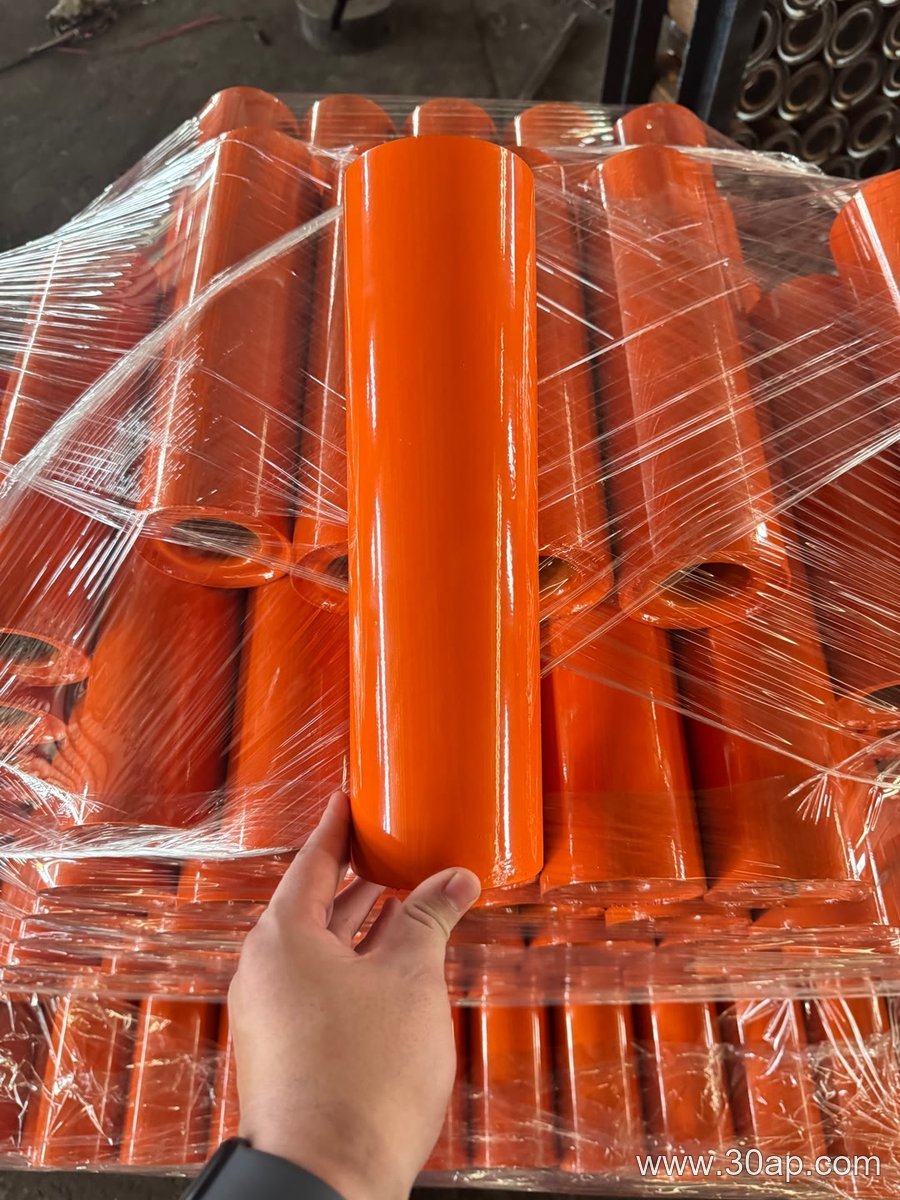
Key Selection Factors
- Load capacity and belt width
- Roller diameter and shaft type
- Bearing seals for dust or moisture
- Shell material: steel, stainless, or polymer
Purchasing Advice
Match rollers to your environment, verify dimensions, and compare warranty and lead time. Buy from a supplier offering consistent tolerances and replacement parts.
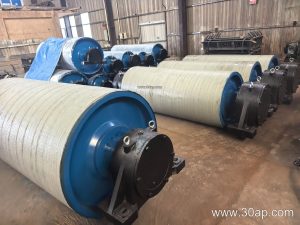
Conveyor Pulley: Core of Belt Performance
The conveyor pulley drives, tensions, and tracks the belt. Choose the right one for uptime and safety.
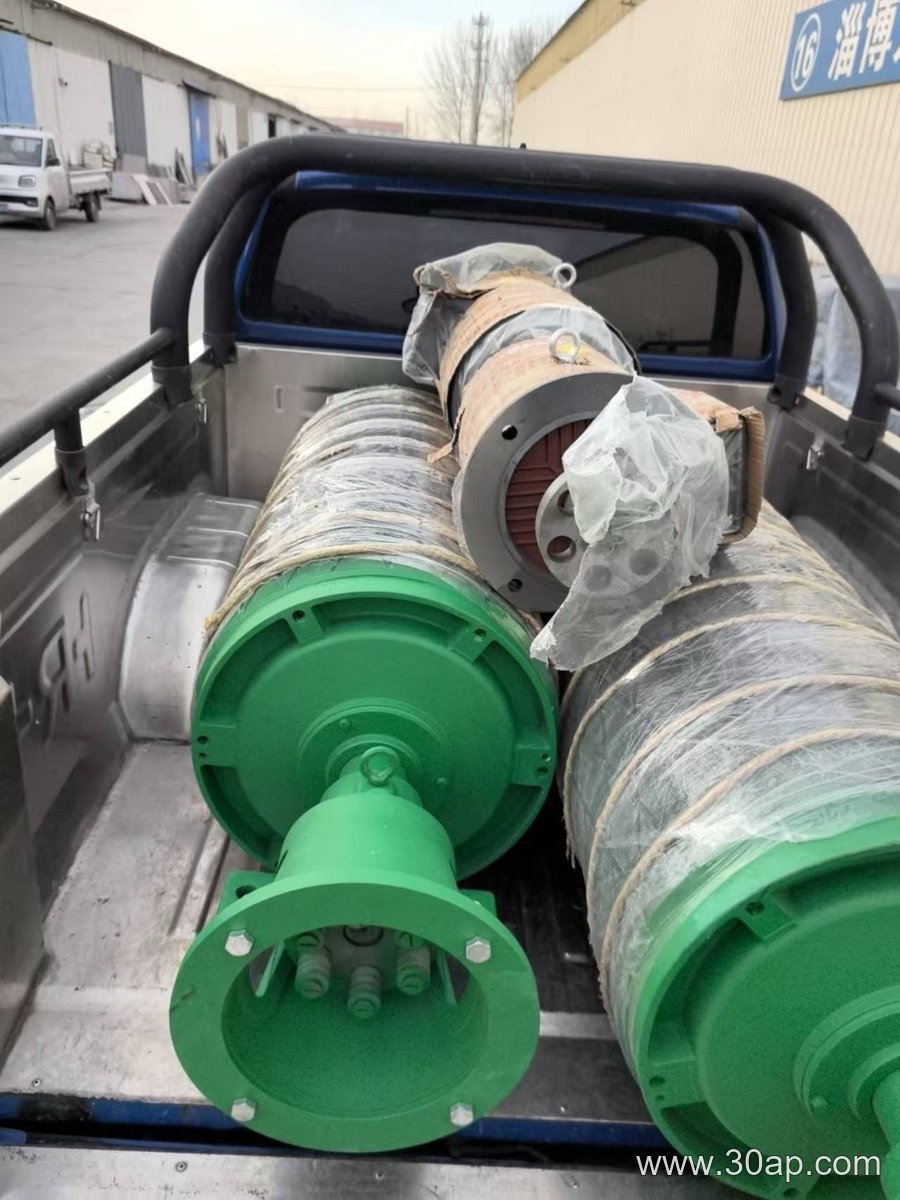
Selection Advice
- Match pulley diameter to belt rating and load.
- Specify lagging for grip and wear protection.
- Confirm shaft, bearing, and hub fit.
Purchasing Checklist
- Request load and duty calculations.
- Verify balance, runout, and tolerances.
- Compare lead time, warranty, and support.
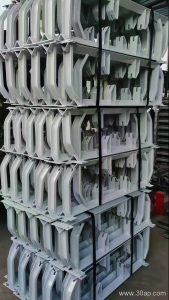
Conveyor Bracket Essentials
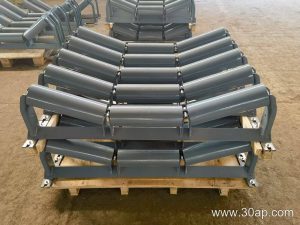
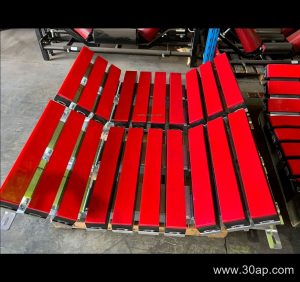
A conveyor bracket supports rollers, idlers, and frames. Choose the right one for uptime and safety.
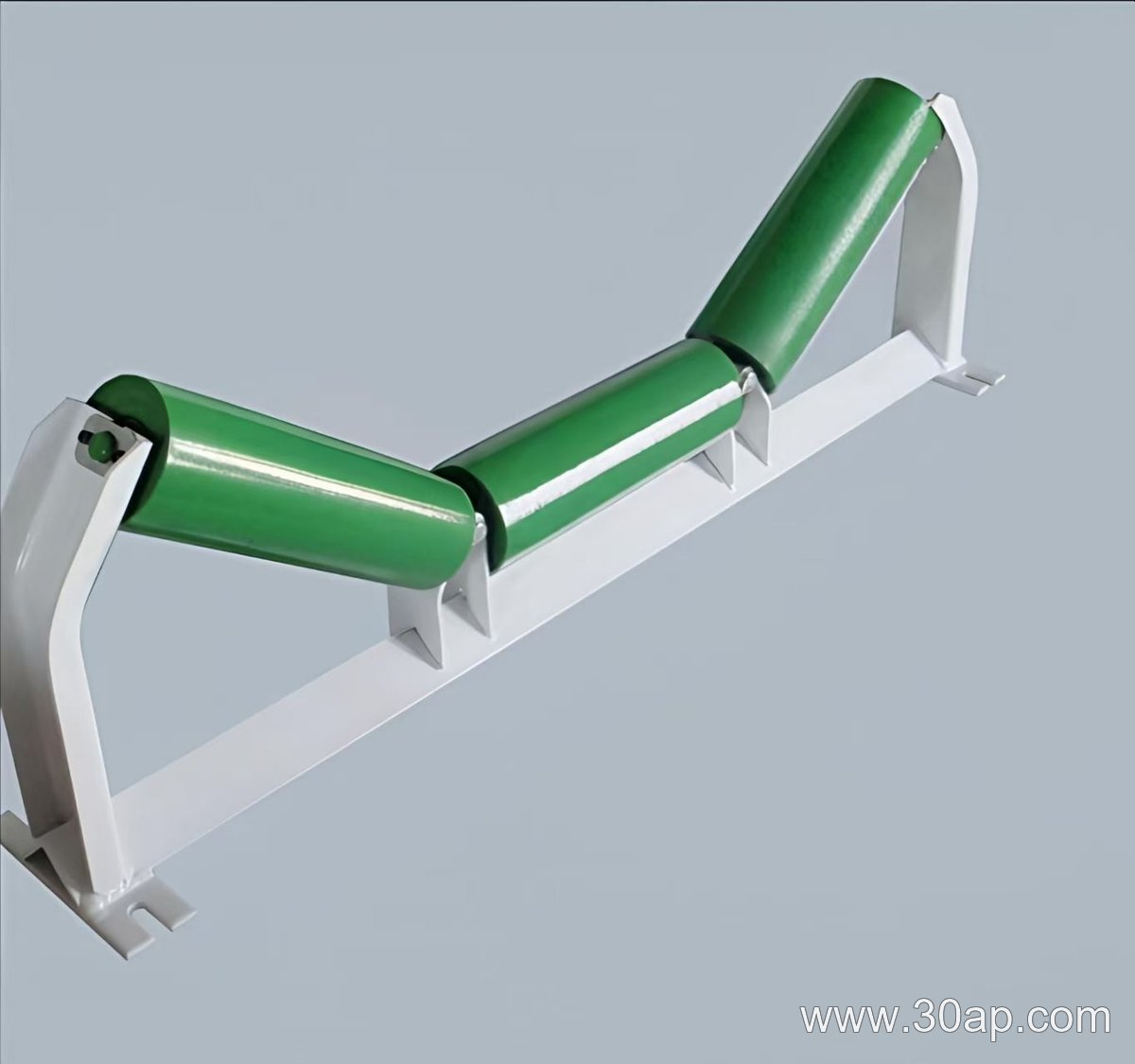
Selection Tips
- Match load, belt width, and mounting pattern.
- Check material: mild steel, stainless, or polymer.
- Confirm bolt holes and adjustment range.
Purchasing Advice
Buy from suppliers offering drawings, load ratings, and corrosion options. Request samples for fit.