What a Nylon Idler Is
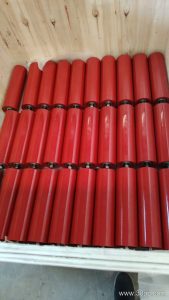
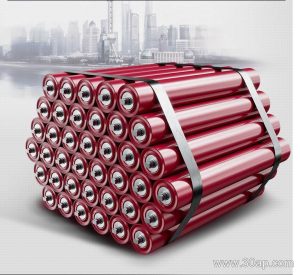
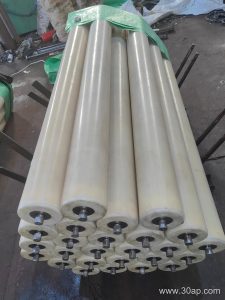
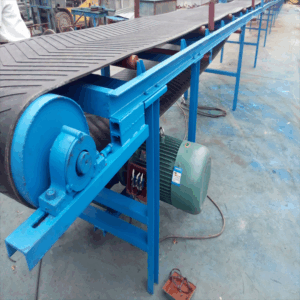
A nylon idler is a conveyor idler roller whose outer shell is made from nylon rather than the more common steel tube. It sits under the belt on a conveyor frame and supports the moving belt and the material on it. In many catalogs the same item appears as an idler roller with a nylon shell, or simply a nylon roller. The nylon idler belongs to the idler family, not to the pulley family, so it is not a drive pulley, a tail pulley, or a bend pulley. Those pulleys transmit power, change belt direction, or tension the belt, while the idler mainly carries the load and helps the belt run smoothly.
How It Is Built
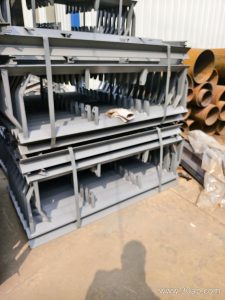
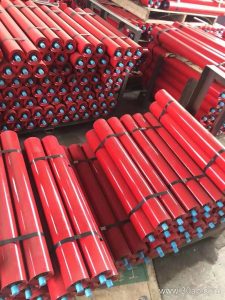
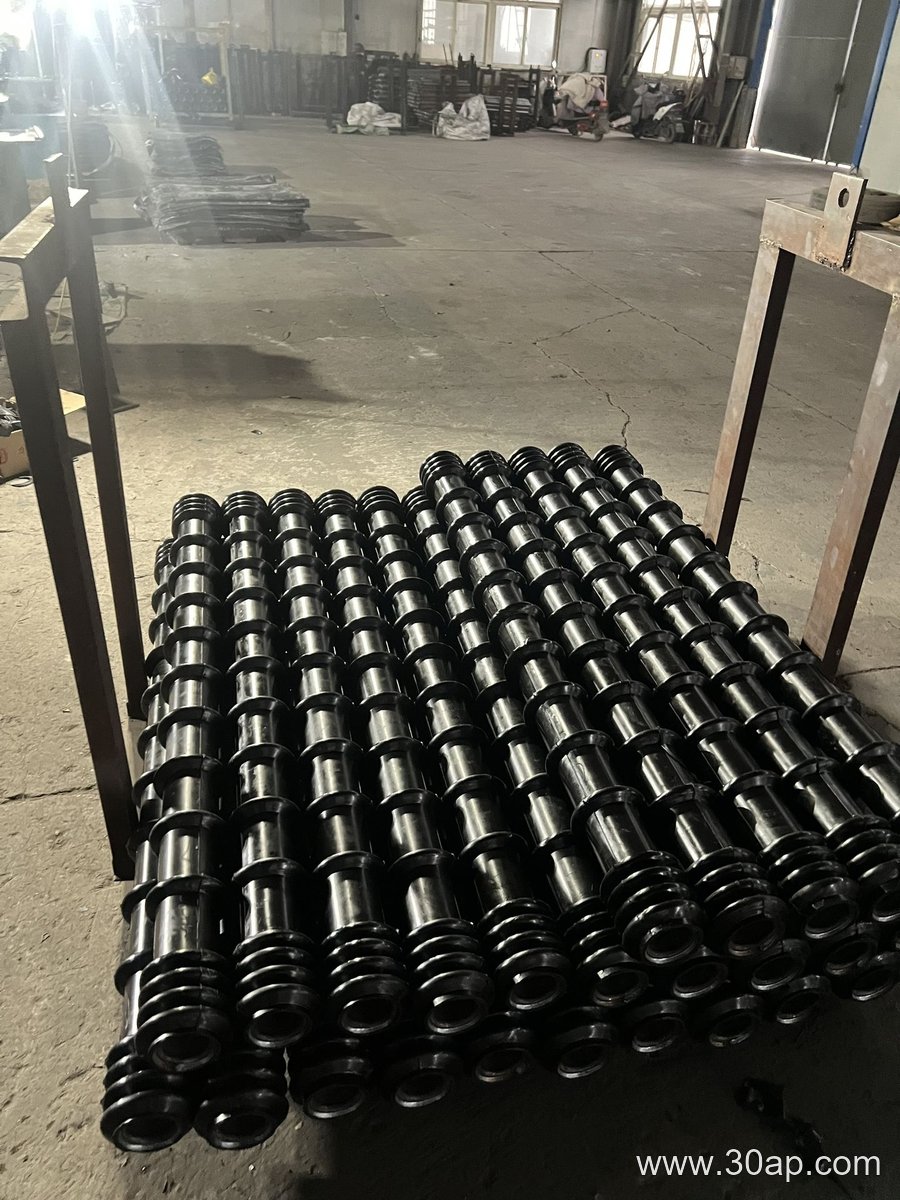
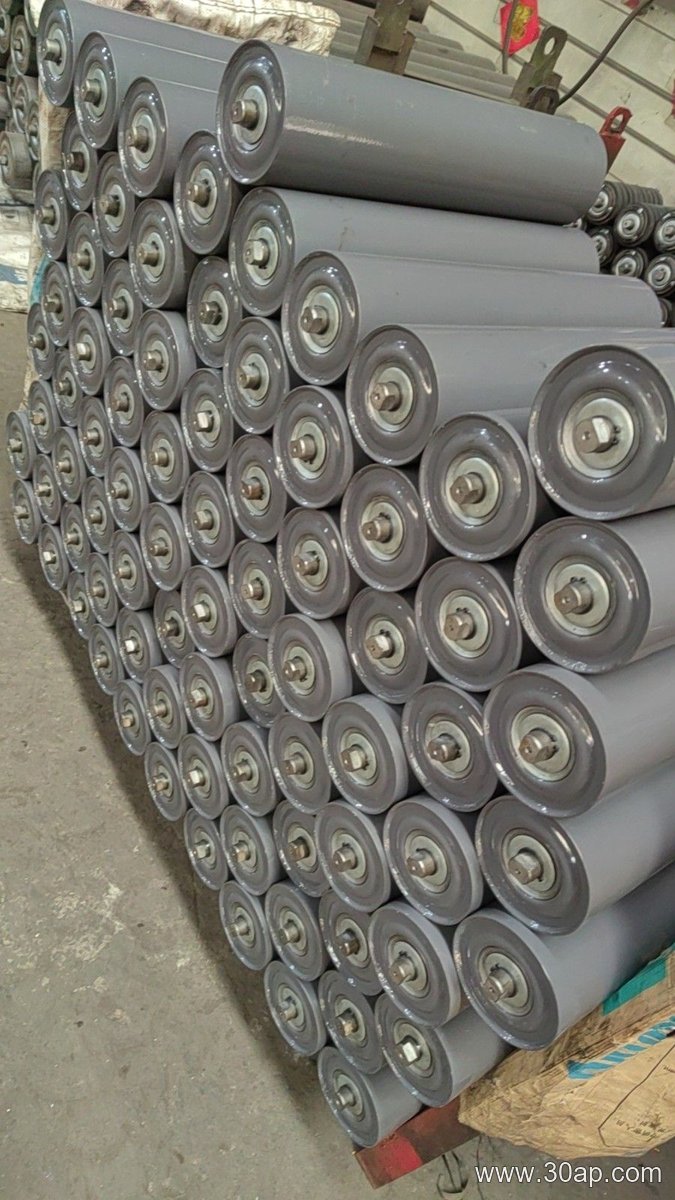
A typical nylon idler has a nylon outer tube fitted over a shaft, with bearings pressed into each end and sealed against dust and moisture. The shell can be a solid nylon extrusion or a nylon sleeve over a metal body, depending on the design. Common bearing sizes include 6204, 6205, 6305, 6306, 6308, and 6310, but the bearing is chosen from the load, speed, and shaft design rather than from belt width alone. Shaft ends usually sit in a conveyor bracket or frame notch. The roller diameter may be Ø63, Ø76, Ø89, Ø102, Ø108, Ø127, Ø133, Ø159, Ø178, Ø194, or Ø219, and the length is set by the belt width, trough angle, and roller group style. These values are reference examples, not fixed combinations.
Where Nylon Idlers Are Used
Nylon idlers are often chosen where corrosion, noise, or belt wear matters. They can be found in sand and gravel lines, light-duty quarry conveyors, fertilizer plants, and grain handling. In a concrete mixing plant, a nylon idler may support the belt that feeds aggregate. In a port or a power plant coal yard, a heavier troughing idler with a steel shell is frequently used instead, but a nylon idler can still appear on lighter return runs. For abrasive or hot material, a rubber-covered impact idler or a steel roller is usually a better fit than a plain nylon shell.
Troughing and Return Positions
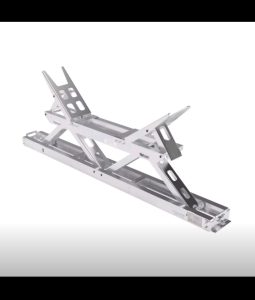
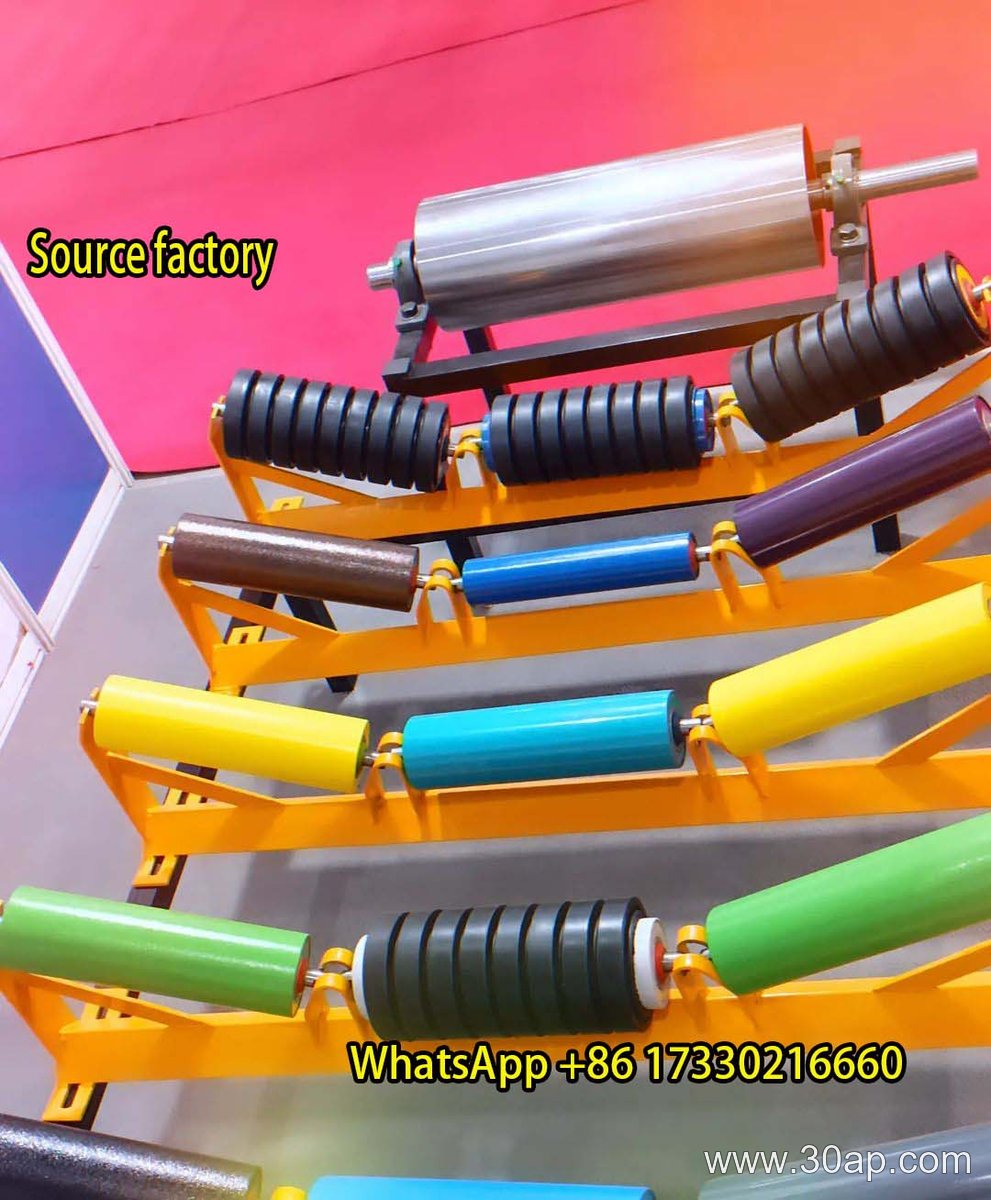
Nylon idlers are made in several positions. A troughing idler set, often three rolls, forms the belt into a trough so bulk material stays centered. A single-roll flat idler supports the return strand. A V-return idler helps center the belt on the return run. An impact idler with rubber rings is used at the loading point to absorb shock. The nylon idler itself is most common on the carrying side in light and medium service, and on the return side where belt friction and noise should be low. Trough angles are commonly 20, 30, 35, or 45 degrees, and a slight forward tilt of about 1.5 to 2 degrees is sometimes used for belt training.
Selection Points for Buyers
When specifying a nylon idler, match the roller diameter and length to the conveyor belt width and the existing bracket. The belt width may be B400, B500, B650, B800, B1000, B1200, B1400, B1600, B1800, B2000, B2200, or B2400, but the roller length and diameter are not decided by one number alone. A three-roll troughing set on a B800 belt often uses a center roll around 315 mm long, while a B1200 set may use a center roll near 465 mm. Side rolls and center rolls can differ. A larger diameter generally gives longer bearing life and lower rolling resistance, but it also needs more space. Check the shaft size, the bracket opening, the load per idler, and the belt speed. For dusty or wet locations, choose a sealed bearing and a shell material that resists the environment. Nylon resists many chemicals and does not rust, but it is not ideal for very hot material or for sharp, high-impact lumps.
Maintenance and Replacement
A nylon idler is usually replaced as a unit. Inspect for a seized bearing, a cracked shell, or a roller that no longer turns freely. A worn idler can rub the belt, increase power draw, and damage the belt edge. Keep the conveyor bracket clean so the roller can sit square, and check that the belt runs centered. If one idler fails, look at nearby rollers and the loading area, because the cause may be material build-up or misalignment rather than the idler itself.