Conveyor Belt Essentials for Material Handling
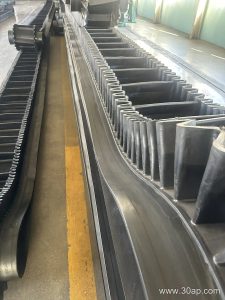
The conveyor belt is the backbone of modern production lines, moving goods with relentless efficiency. Selecting the wrong one causes costly downtime and unsafe workplaces.
Key Selection Factors
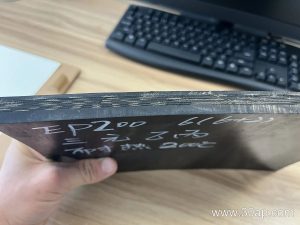
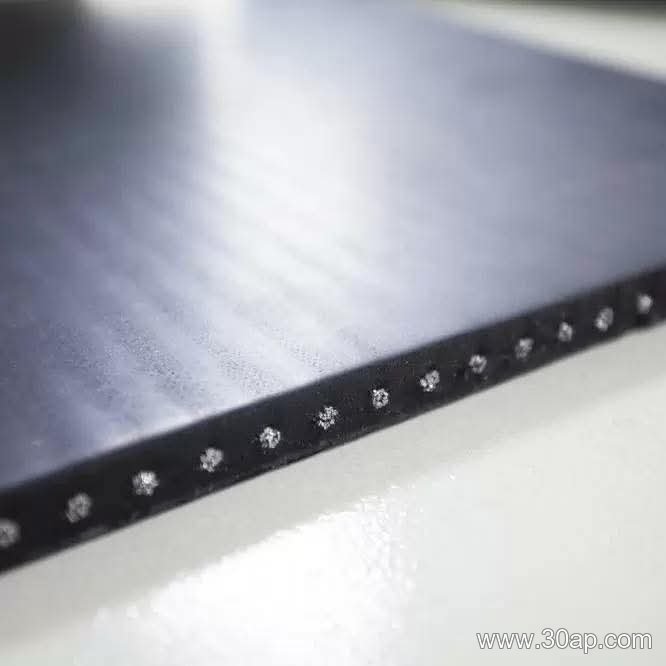
Evaluate your load weight, material abrasiveness, and operating temperature. A rubber belt suits heavy aggregates, while PVC handles food-grade or lighter items. Check belt thickness and tensile strength rating for long-term performance.
Buying Advice
- Measure actual belt length and width before ordering—never guess from old labels.
- Request a splice type (mechanical or vulcanized) that matches your maintenance capacity.
- Verify fire-resistant or anti-static options if your facility has spark or dust risks.
- Ask for a load test certificate from the manufacturer to confirm rated capacity.
Invest in a belt with reinforced edges and low stretch to reduce tracking misalignment. Always pair with proper pulleys and idlers to extend conveyor belt life by up to 30%.
Idler Roller: The Backbone of Your Conveyor System
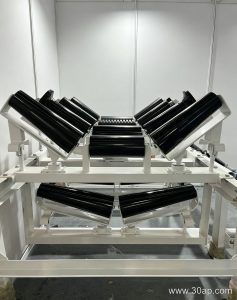
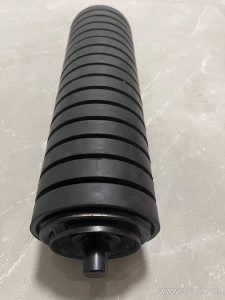
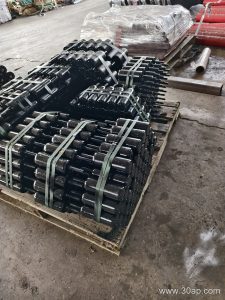
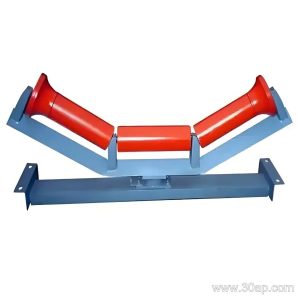
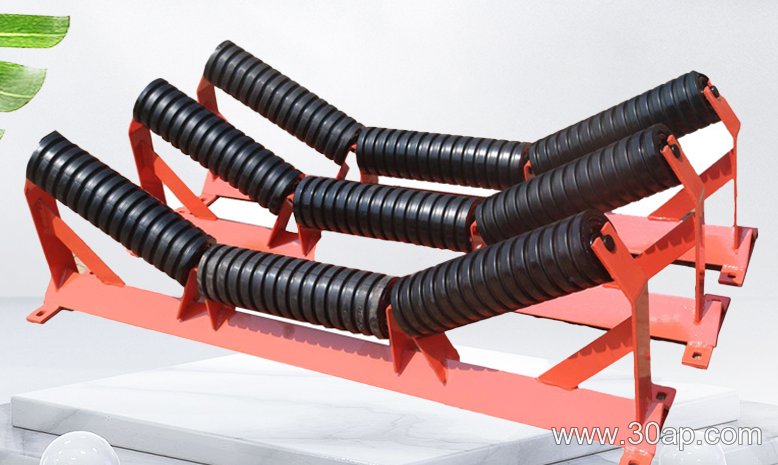
An idler roller is more than a support cylinder—it directly impacts belt tracking, energy consumption, and component lifespan. Selecting the correct idler roller reduces downtime and maintenance costs, especially in bulk handling or heavy-duty logistics.
Key Selection Criteria
- Determine load rating (CEMA class) based on belt width and material density.
- Match roller diameter and bearing type to operating speed and impact zones.
- Choose seal grade (CEMA A, B, or C) for dust, moisture, or abrasive environments.
- Verify shell material: steel for durability, HDPE or rubber for corrosion or noise reduction.
Purchasing Advice
Always measure the existing frame spacing and shaft ends before ordering. Request a sample for on-site testing if you are retrofitting. Compare total cost of ownership—not just upfront price—by checking bearing life ratings and seal efficiency. For high-speed lines, ask about precision-balanced rollers to avoid vibration. Finally, confirm supplier lead times and availability of replacement bearings or frames to ensure long-term serviceability.
Why the Conveyor Pulley Determines System Longevity
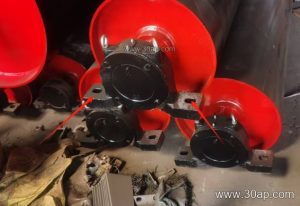
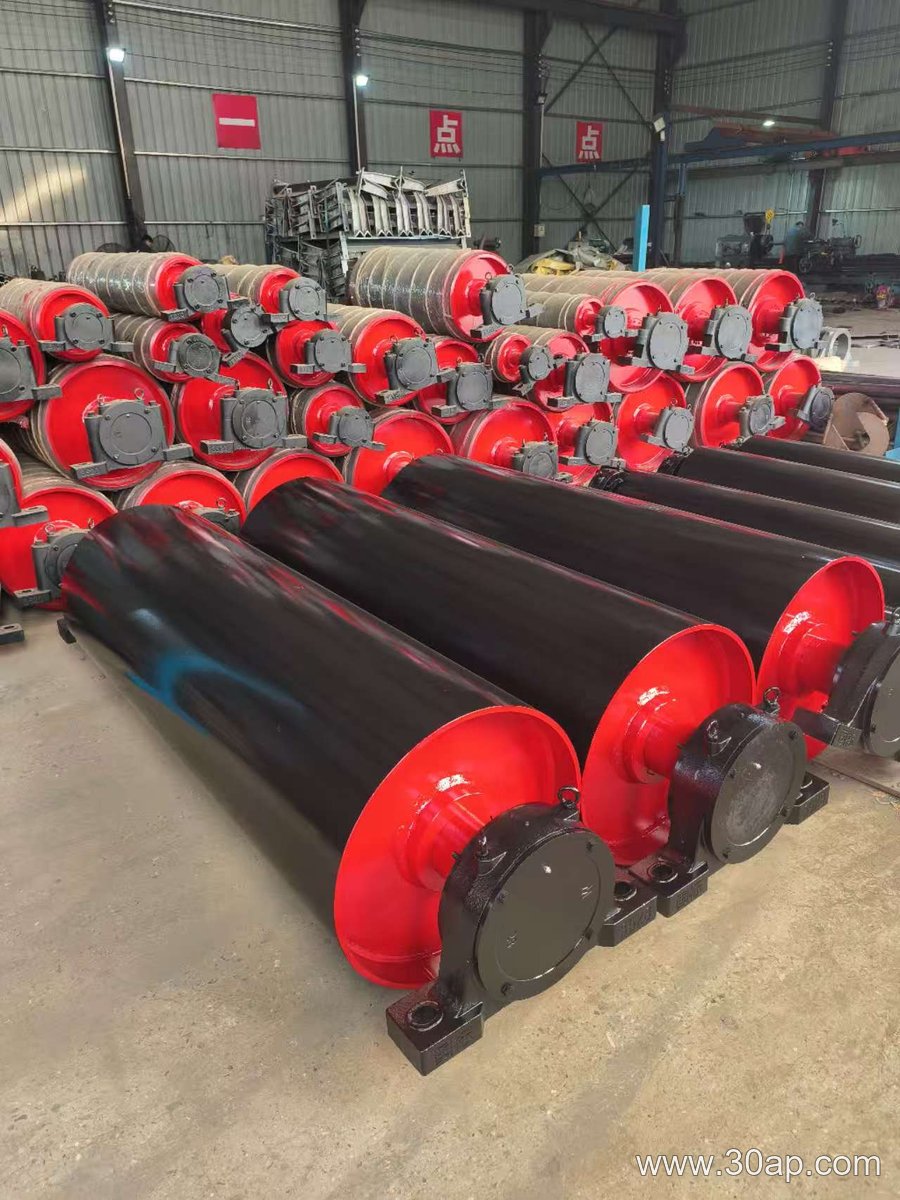
The conveyor pulley is not a passive roller; it is the driving and tensioning heart of any belt conveyor. Choosing the wrong pulley leads to belt slippage, misalignment, and premature bearing failure.
Key Types and Their Roles
- Drive pulley: Transfers torque from the motor to the belt; requires lagging for grip.
- Bend pulley: Redirects the belt’s return path, reducing wrap angle stress.
- Take-up pulley: Maintains tension and compensates for belt stretch over time.
Critical Selection Factors
- Shaft diameter and bearing load rating must match peak belt tension, not average load.
- Crown face (tapered or straight) affects belt tracking; use crowned pulleys for <3 m/s speeds.
- Lagging type: ceramic for wet/dirty environments, rubber for general use, and plain steel for clean, low-friction applications.
Purchasing Advice
Always verify the pulley’s shell thickness and weld quality against CEMA or ISO standards. Request the full assembly drawing, including end discs and hub locking mechanisms. For abrasive materials, specify a thicker shell and replaceable wear liners. Buy from a supplier who offers dynamic balancing reports—unbalanced pulleys cause vibration and early idler failure. Finally, confirm that the pulley’s keyway and bushings are compatible with your existing shaft before ordering.
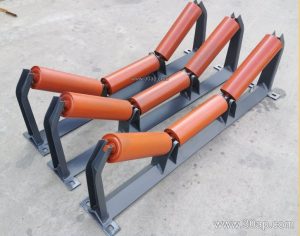
Conveyor Bracket: The Load-Bearing Backbone of Your Material Handling Line
A conveyor bracket is the structural interface that anchors rollers, pulleys, and idlers to your frame. Choosing the wrong bracket causes misalignment, vibration, and premature bearing failure. This guide explains how to select the correct bracket for your conveyor system.
Key Selection Criteria
- Material grade: Choose galvanized steel for outdoor or washdown environments; stainless steel for food processing; powder-coated carbon steel for dry, indoor applications.
- Load rating: Match the dynamic load rating (in kg or lbs) to your peak belt tension plus a 25% safety margin.
- Slot pattern: Verify the mounting holes align with your existing frame hole spacing (e.g., 50mm or 100mm center distances).
- Angle adjustment: Use slotted brackets when you need to fine-tune troughing angles from 20° to 45° for proper belt tracking.
Purchasing and Maintenance Advice
Buy spare brackets in sets of four per idler station. Inspect welds monthly for stress cracks, especially near the pivot point. Always torque bolts to the manufacturer’s specification—over-tightening bends the bracket face, under-tightening allows lateral movement. For high-speed lines above 3 m/s, request brackets with reinforced gussets to reduce harmonic resonance.
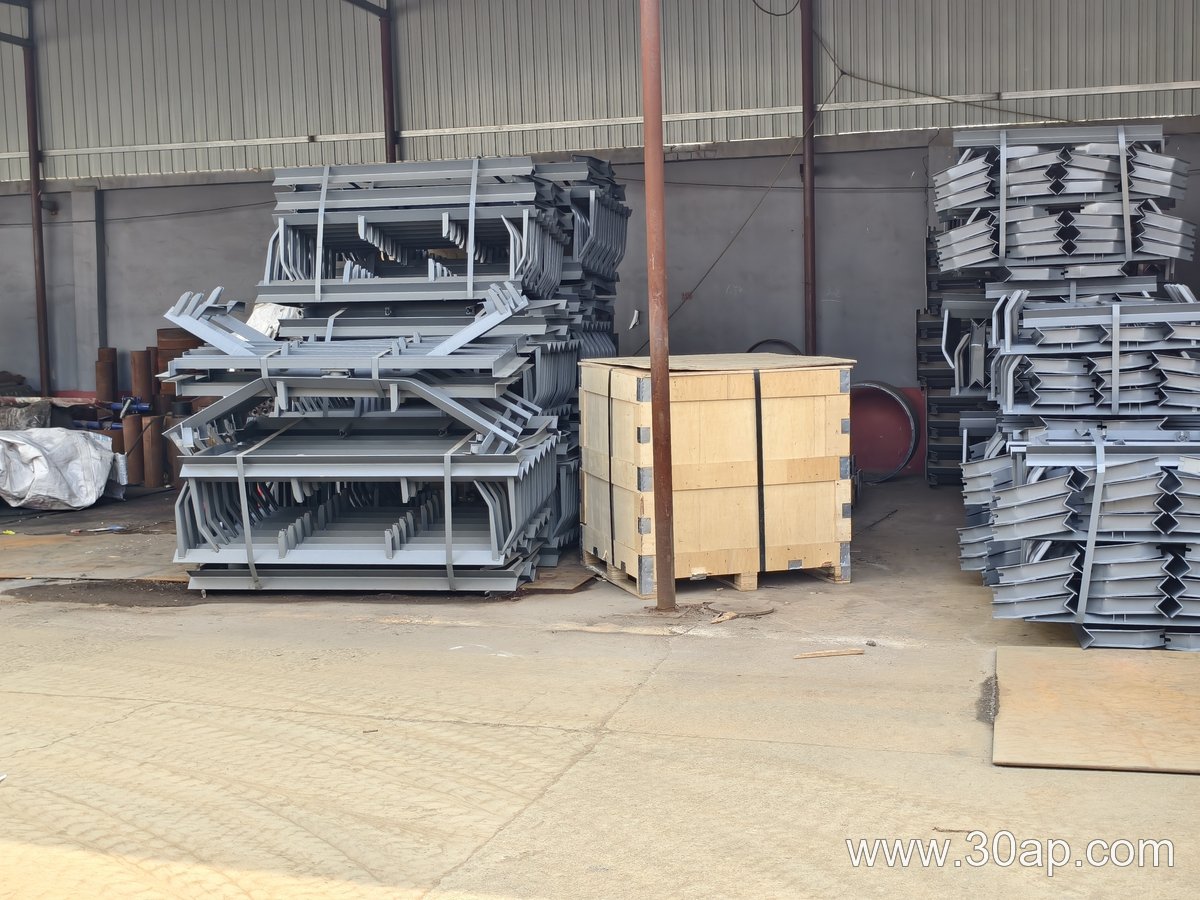
Finally, measure the shaft diameter of your roller before ordering. A standard C-channel bracket accepts 20mm, 25mm, or 30mm shafts, but metric versus imperial versions are not interchangeable. If in doubt, request a dimensional drawing from your supplier—never guess on alignment-critical components.