What a Heavy-Duty Steel Conveyor Bracket Does
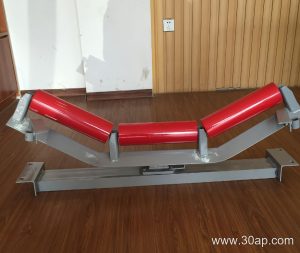
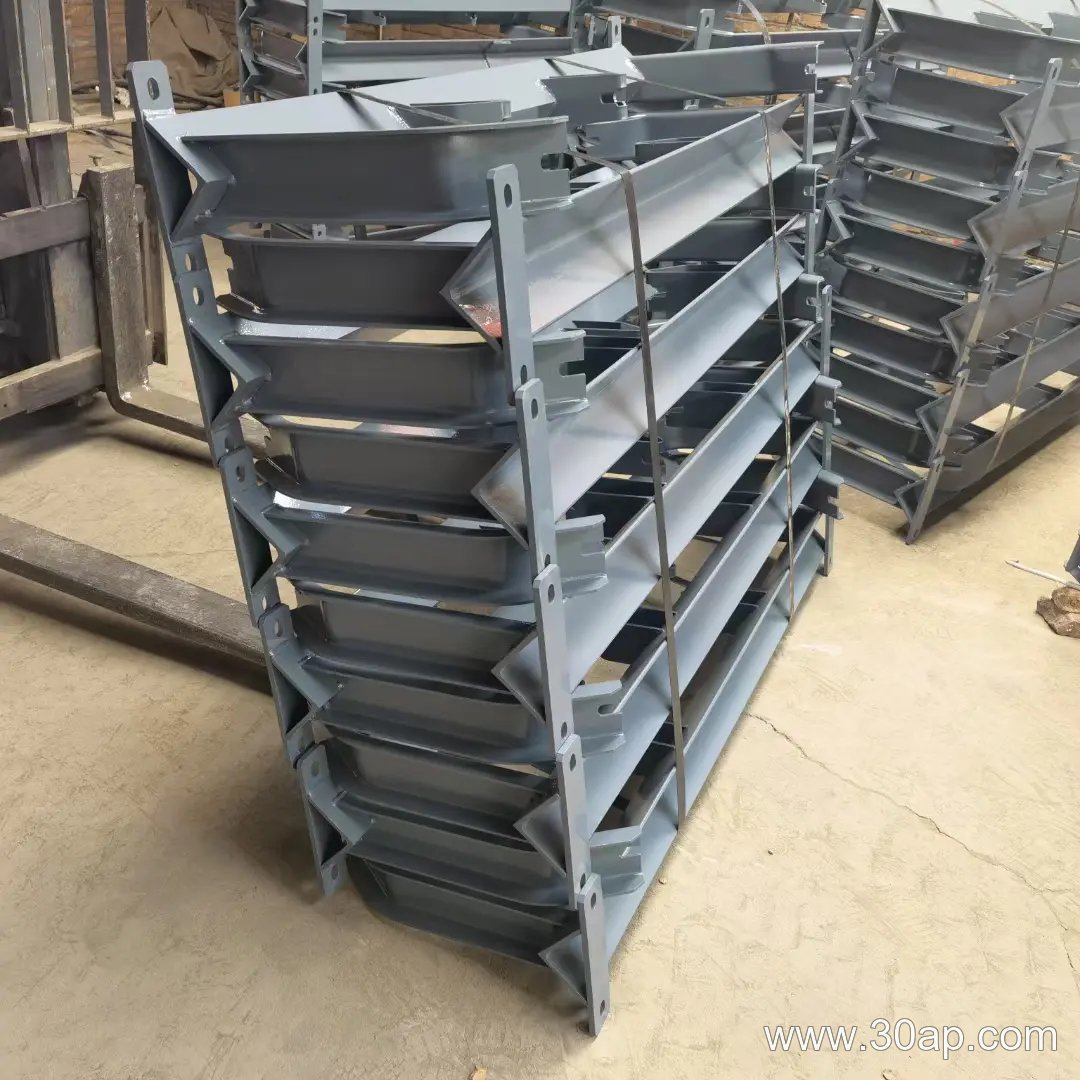
A heavy-duty steel conveyor bracket is the structural support that holds idler rollers in the correct position along a conveyor frame. It carries the weight of the conveyor belt, the material being transported, and the rotating idlers, while keeping the belt profile stable on the carrying and return sides. In a quarry, coal preparation plant, cement works, or power station coal yard, this bracket is part of the backbone that keeps a belt conveyor running straight and predictable.
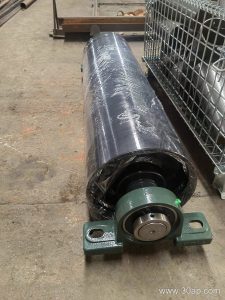
The product is often called a steel idler bracket or roller support bracket. It is not a pulley, and it does not replace a drive pulley, tail pulley, or bend pulley. Those components transmit power and change belt direction. The bracket simply locates idlers so the belt can move smoothly over them.
How the Bracket Is Built
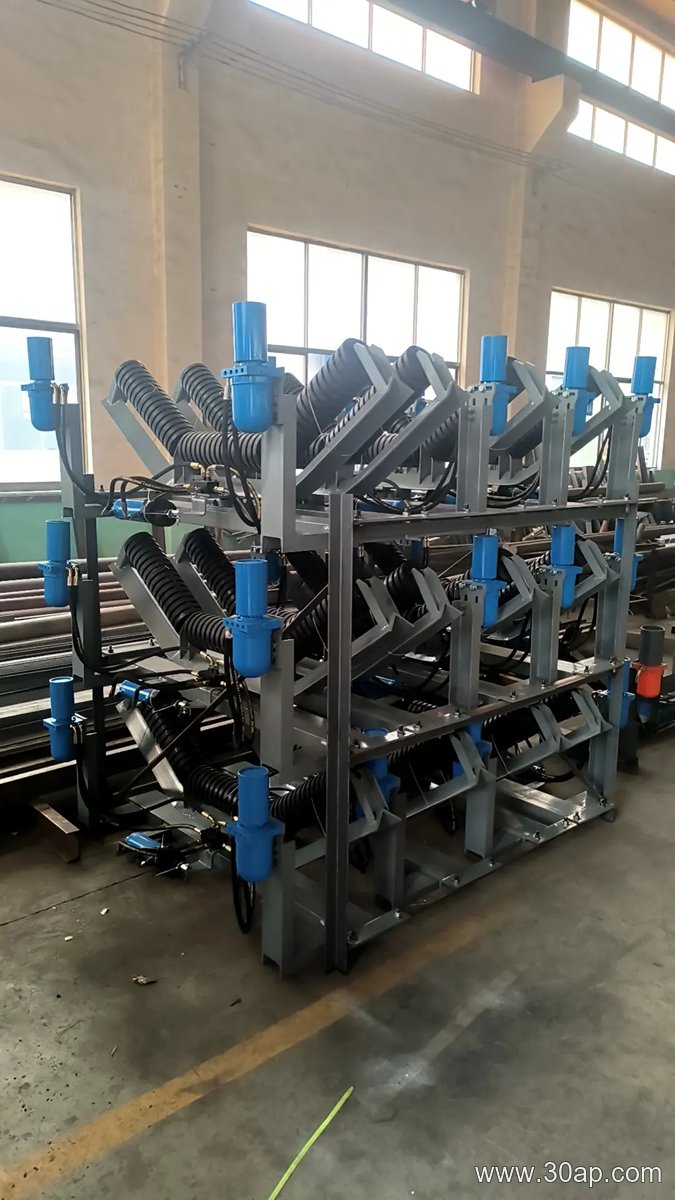
Most heavy-duty brackets are fabricated from angle steel, channel steel, or folded steel plate. The material thickness and weld size are chosen according to the load and the belt width. A typical troughing bracket has a base beam and inclined arms that set the trough angle. Return brackets are flatter and support the belt on the return run. Adjustable designs use slotted holes or pivoting arms so the trough angle can be fine-tuned on site.
Surface treatment usually includes painting or galvanizing, depending on the environment. In a wet coal plant or a coastal port, corrosion protection matters more than in a dry limestone mine.
Common Types and Where They Fit
- Troughing bracket, also called a carrying bracket, supports three or more idlers on the loaded side.
- Return bracket and V-return bracket support the empty belt underneath.
- Impact bracket sits under the loading point and works with impact idlers.
- Self-aligning bracket works with training idlers to correct belt drift.
- Transition bracket supports the belt between the pulley and the full trough section.
- Adjustable bracket allows the trough angle to be changed within a range.
For comparison, a conveyor pulley is a rotating drum that drives or redirects the belt, while a bracket is a stationary support. The two work together but are not interchangeable.
Typical Reference Data
The following values are common reference points, not fixed rules. Final dimensions depend on the conveyor design, belt width, trough angle, and idler diameter.
| Item | Common Range |
|---|---|
| Belt width | B500, B650, B800, B1000, B1200, B1400, B1600, B1800, B2000, B2200 |
| Trough angle | 20°, 30°, 35°, 45° |
| Idler diameter | Ø89, Ø108, Ø133, Ø159, Ø194 |
| Material | Angle steel, channel steel, folded plate |
A bracket may be specified as B800 with a 35° trough angle and Ø108 idlers, or as B1200 with a 45° angle and Ø133 idlers. These are examples only. A single belt width can accept different trough angles and roller diameters, so the bracket should be selected from the actual conveyor duty.
Installation hole spacing and beam length change with belt width and trough angle. They should not be treated as universal constants.
Applications Across Bulk Handling
Heavy-duty steel brackets appear wherever a conveyor belt carries abrasive or heavy material. In a sand and gravel line, they support troughing idlers through the crushing and screening circuit. In a coal washing plant, they keep the belt aligned through wet, sticky conditions. In a cement plant, they handle clinker and raw meal. In a power plant coal yard, they support the long overland or yard conveyors. The same bracket family also works in fertilizer plants, grain silos, and tunnel muck removal.
What Buyers Should Check
- Belt width and trough angle, because these set the bracket geometry.
- Idler diameter and mounting hole pattern, so the rollers fit without modification.
- Load rating and material thickness for the expected tonnage and impact.
- Corrosion protection for the local environment.
- Whether a fixed or adjustable bracket is preferred for maintenance.
- Compatibility with the existing conveyor frame and idler roller type.
A well-chosen heavy-duty steel conveyor bracket reduces belt misalignment, extends idler life, and keeps the conveyor frame stable. Buyers should confirm dimensions against the actual conveyor drawing rather than relying on a single catalog value.