Why Standards Matter for a Conveyor Bracket Outdoors
A conveyor bracket on a wet outdoor conveyor faces rain, washdown, and temperature swings. Standards and grades give engineers a shared language for specifying that bracket without guessing. They define test methods, material classifications, and dimensional conventions, but they do not certify a specific product by themselves.
What Standards Typically Cover
Relevant standards may address structural steel grades, corrosion protection, bolting, and dimensional interchangeability. For a conveyor bracket, the useful scope is usually the interface with idler rolls and the frame, plus the coating or material grade chosen for wet service.
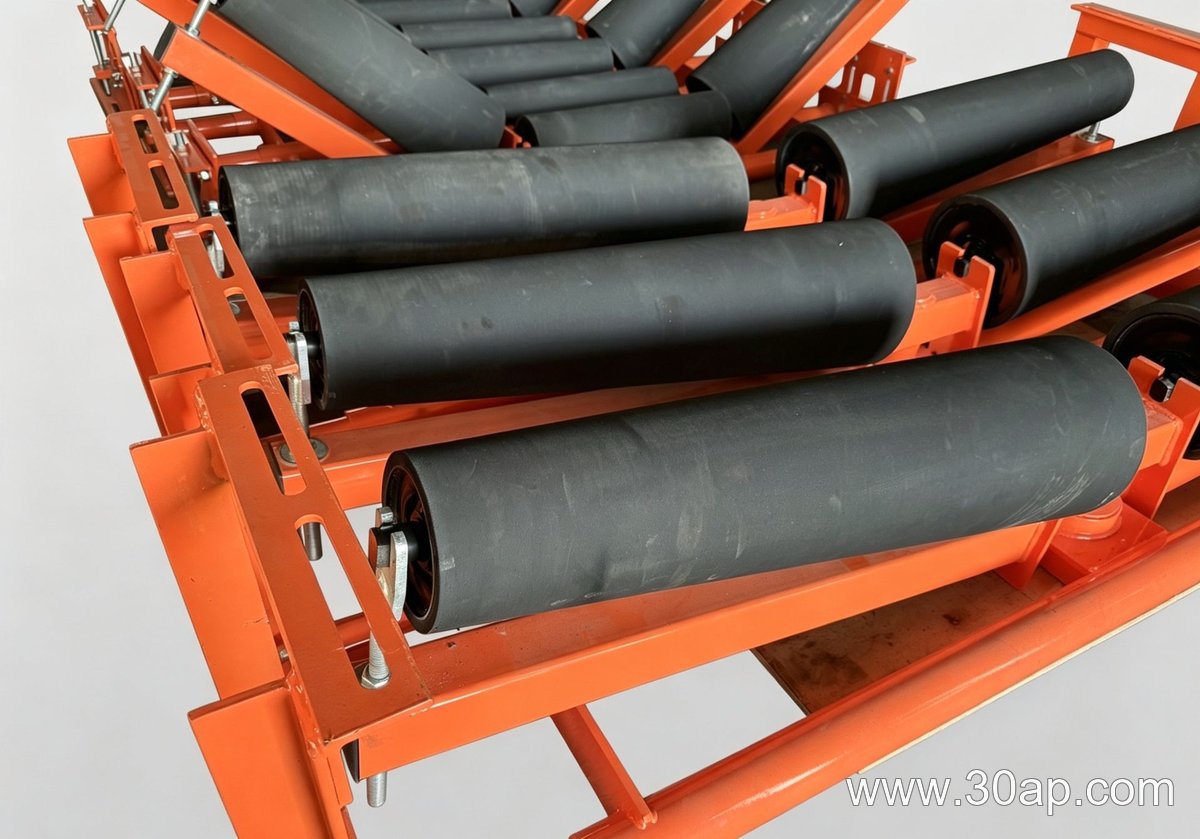
- Material grade standards describe chemical composition and mechanical properties.
- Coating standards describe surface preparation and performance tests.
- Dimensional standards describe mounting hole patterns and tolerances.
A hypothetical project might specify a bracket in a weathering steel grade with a documented coating system, then verify fit against the idler frame drawing. That is a specification decision, not a certification claim.
What makes a conveyor belt survive cement plant conditions?
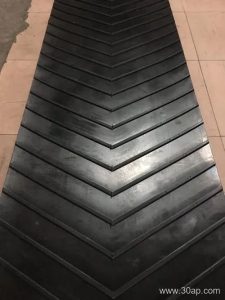
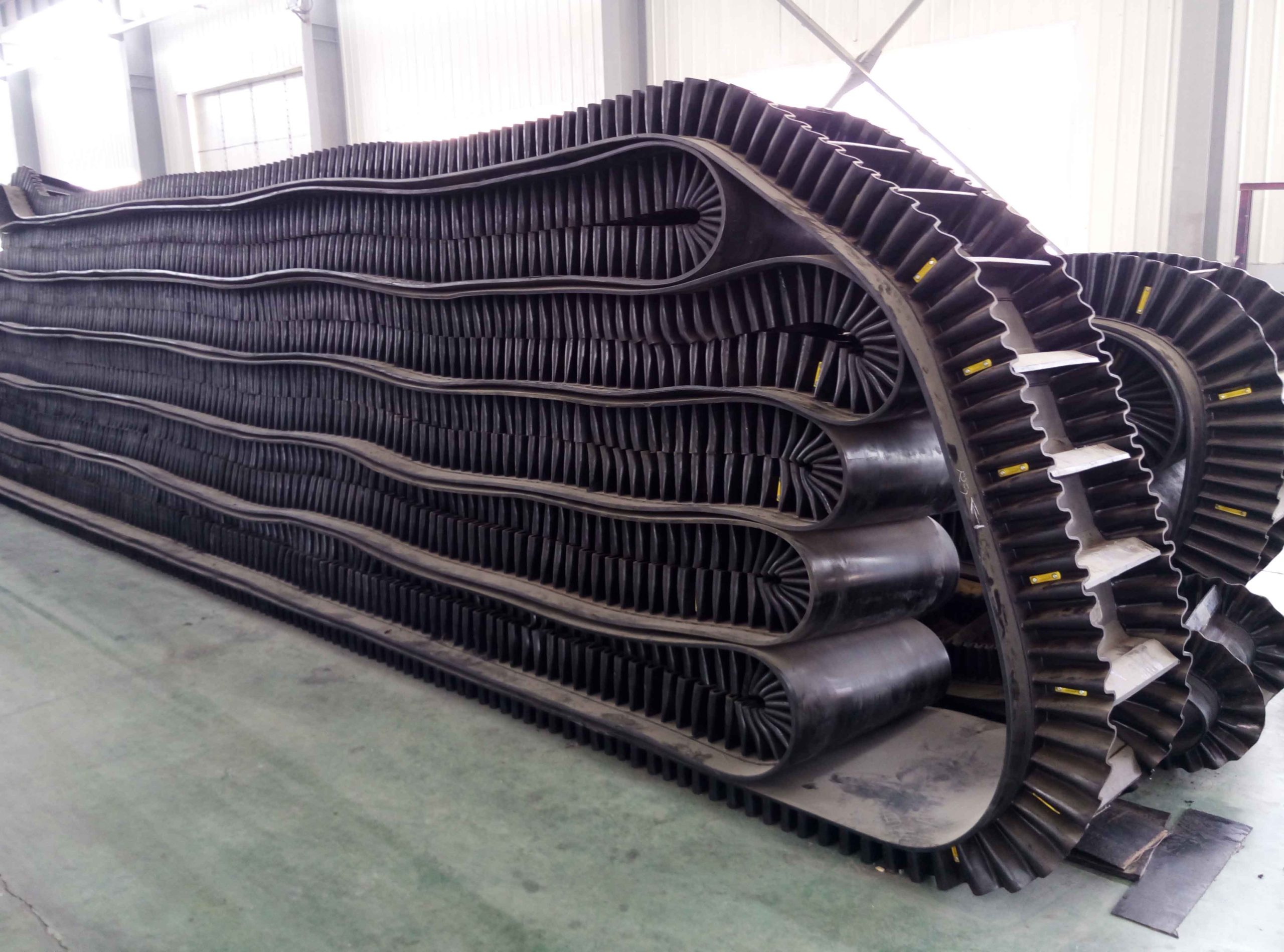
In a cement plant, a conveyor belt must carry hot clinker, abrasive limestone, and fine dust that penetrates joints. The belt’s cover compound resists abrasion, while its carcass provides tensile strength. Heat-resistant grades prevent cover hardening and ply separation.
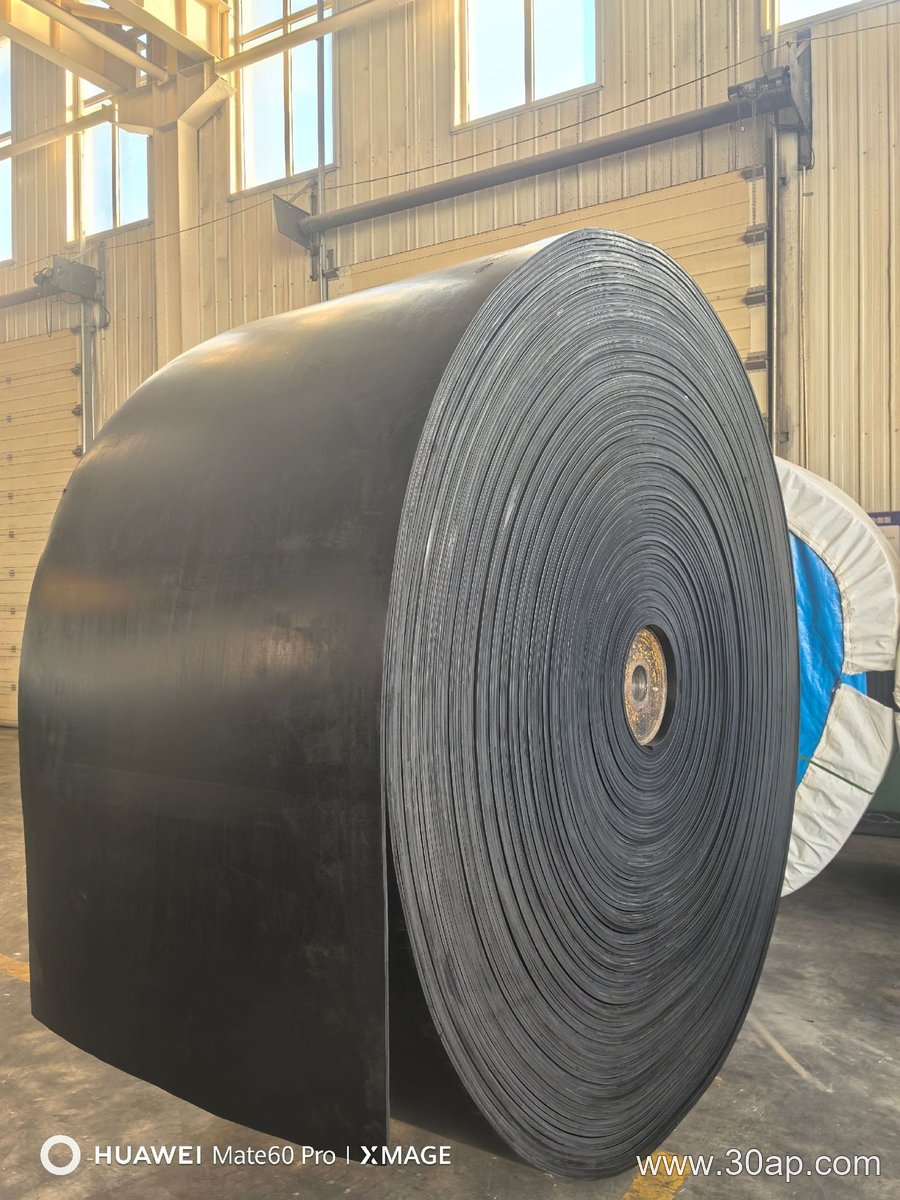
Key design considerations for clinker transport
- Heat resistance: withstands clinker temperatures up to roughly 120–150°C for short periods.
- Abrasion resistance: high-grade rubber cover slows wear from sharp particles.
- Impact resistance: breaker fabric or steel cord carcass absorbs loading shocks.
Regular inspection of belt edges and splices helps prevent unexpected failures in this demanding service.
Why a wet outdoor conveyor punishes an idler roller
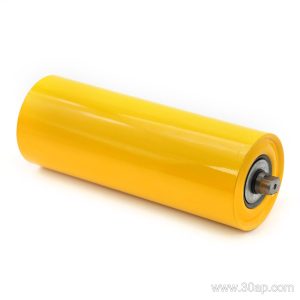
Rain, washdown, and humid air attack an idler roller from every angle. Water enters seals, rusts shafts, and washes away grease, causing the roller to seize and the belt to slip or drift. The challenge is not just keeping the belt moving—it is preventing water ingress and corrosion without driving up maintenance.
Integrating an idler roller into a wet-weather solution
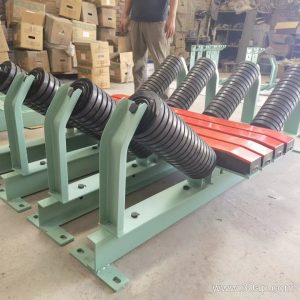
A suitable solution combines a sealed idler roller with a corrosion-resistant shell and shaft, plus a mounting arrangement that lets water drain away. For example, a polymer idler roller with labyrinth seals and stainless-steel shaft resists rust and keeps lubricant in place. In a hypothetical outdoor conveyor carrying wet aggregate, placing these idler rollers on the return side and at the load zone can reduce water pooling and extend service intervals.
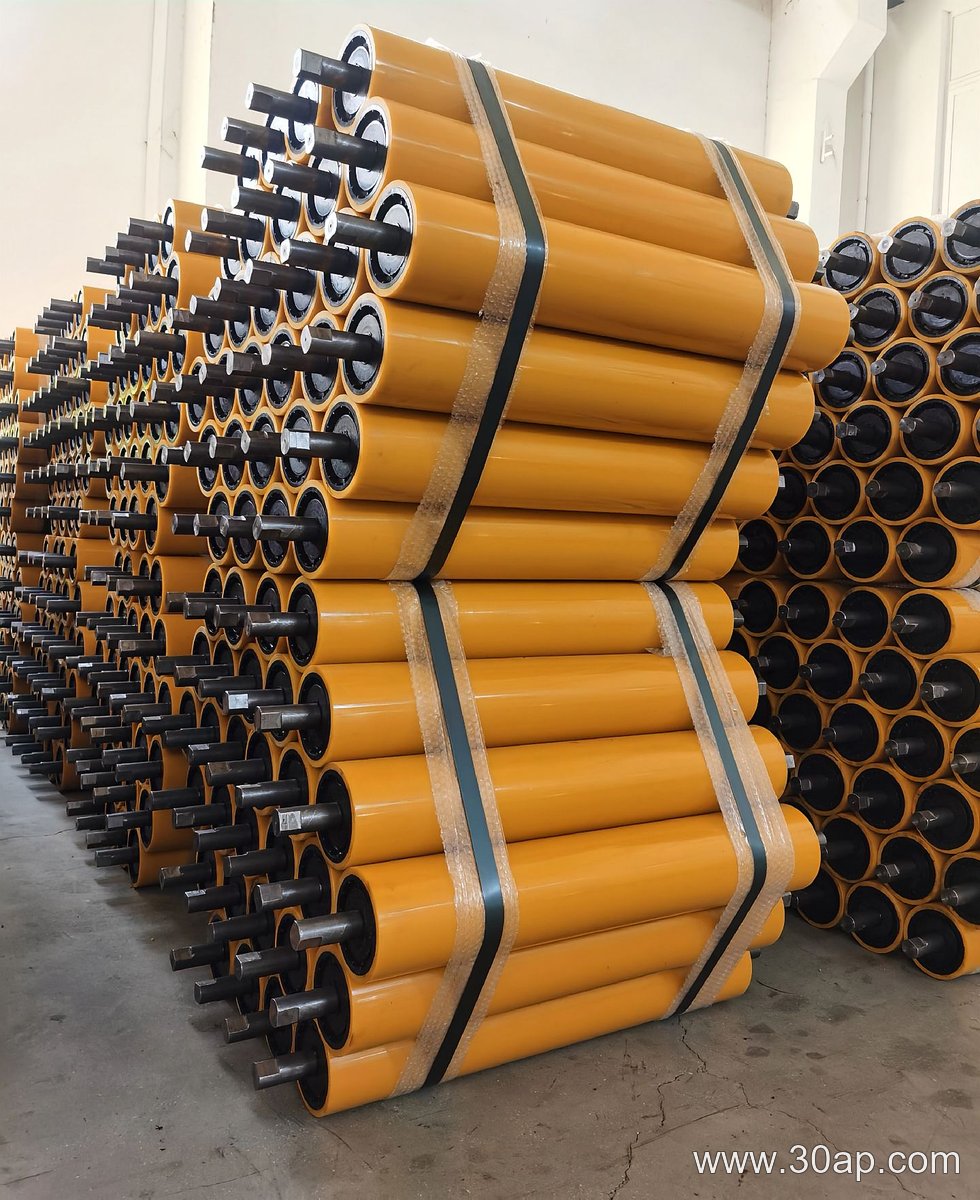
- Choose sealed bearings rated for wet conditions.
- Use a non-corroding shell material such as polymer or coated steel.
- Ensure the frame allows drainage so water does not sit around the idler roller.
Proper installation and periodic inspection keep the idler roller functioning as part of a broader weather-resilient conveyor system.
Why does a conveyor pulley slip under load, and how do you find the real cause?
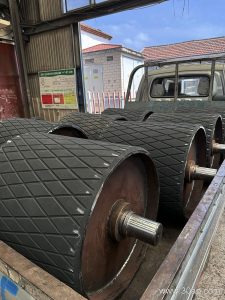
Start with the pulley itself, but do not stop there. Slippage is a symptom; the conveyor pulley, lagging, belt and tension system can each produce it.
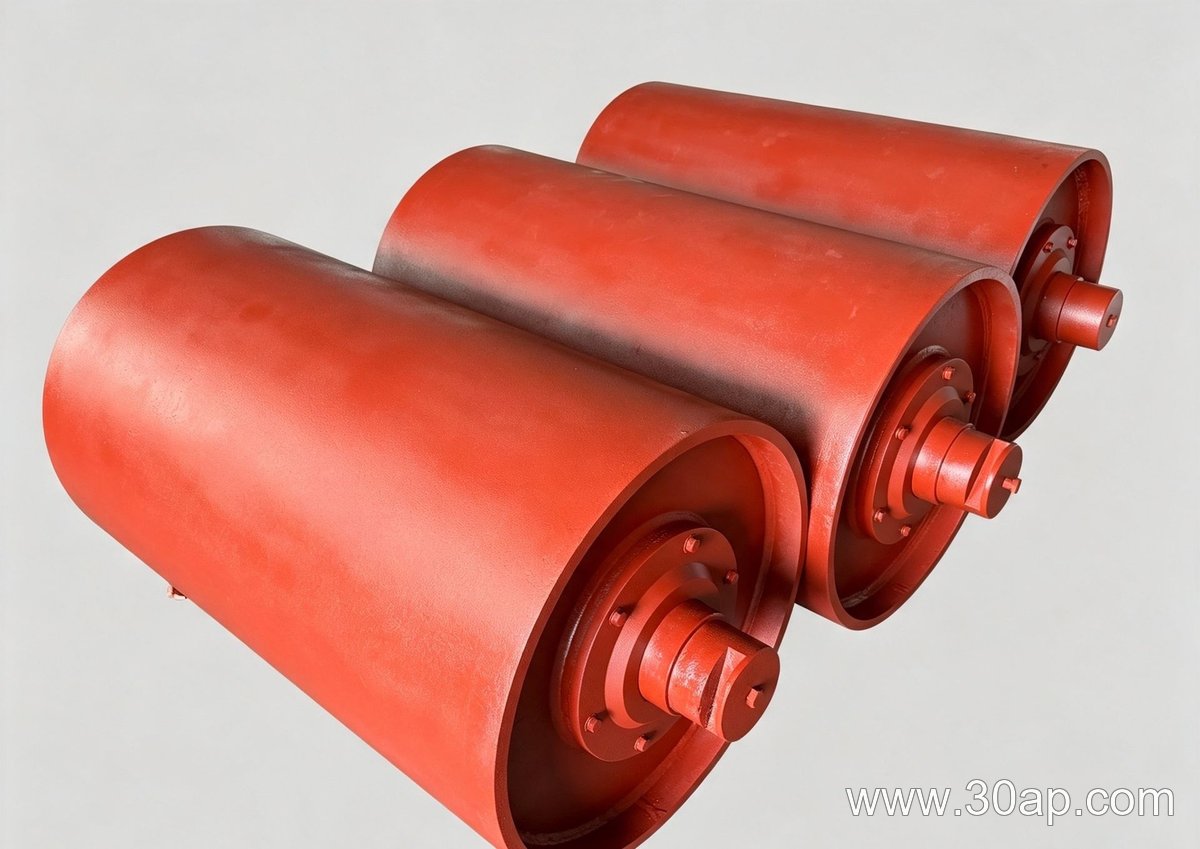
Check the conveyor pulley first
- Worn or glazed lagging reduces friction at the drive face.
- Contamination from fine ore dust or moisture polishes the surface.
- Uneven lagging wear can indicate misalignment or a bent shaft.
Then separate the other plausible causes
If the conveyor pulley looks sound, check belt tension, loading rate and material buildup. In a mineral-processing plant, a slipping drive pulley often traces back to overloaded starting or a seized bend pulley rather than the drive itself.