What a Q235 Conveyor Bracket Does on a Belt Conveyor
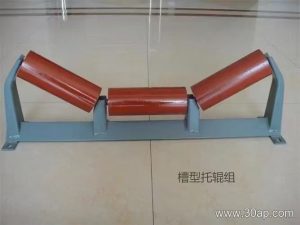
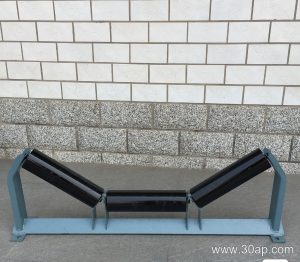
A Q235 conveyor bracket is the structural support that holds idler rollers in position along a belt conveyor. Made from Q235 carbon structural steel, it connects the roller shafts to the conveyor frame and keeps the belt running at the intended trough angle. Without a stable bracket, the idler roller would shift, the conveyor belt would track poorly, and spillage or edge damage would follow. In practice, the bracket is a quiet but essential part of the carrying and return sections of a conveyor.
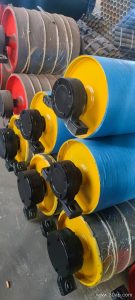
The same item is also described as a Q235 steel roller support bracket, which is an accurate equivalent name for the same product. It is not a pulley. Drive pulleys, tail pulleys, and bend pulleys are separate components with different duties, and they are not interchangeable with brackets or with each other.
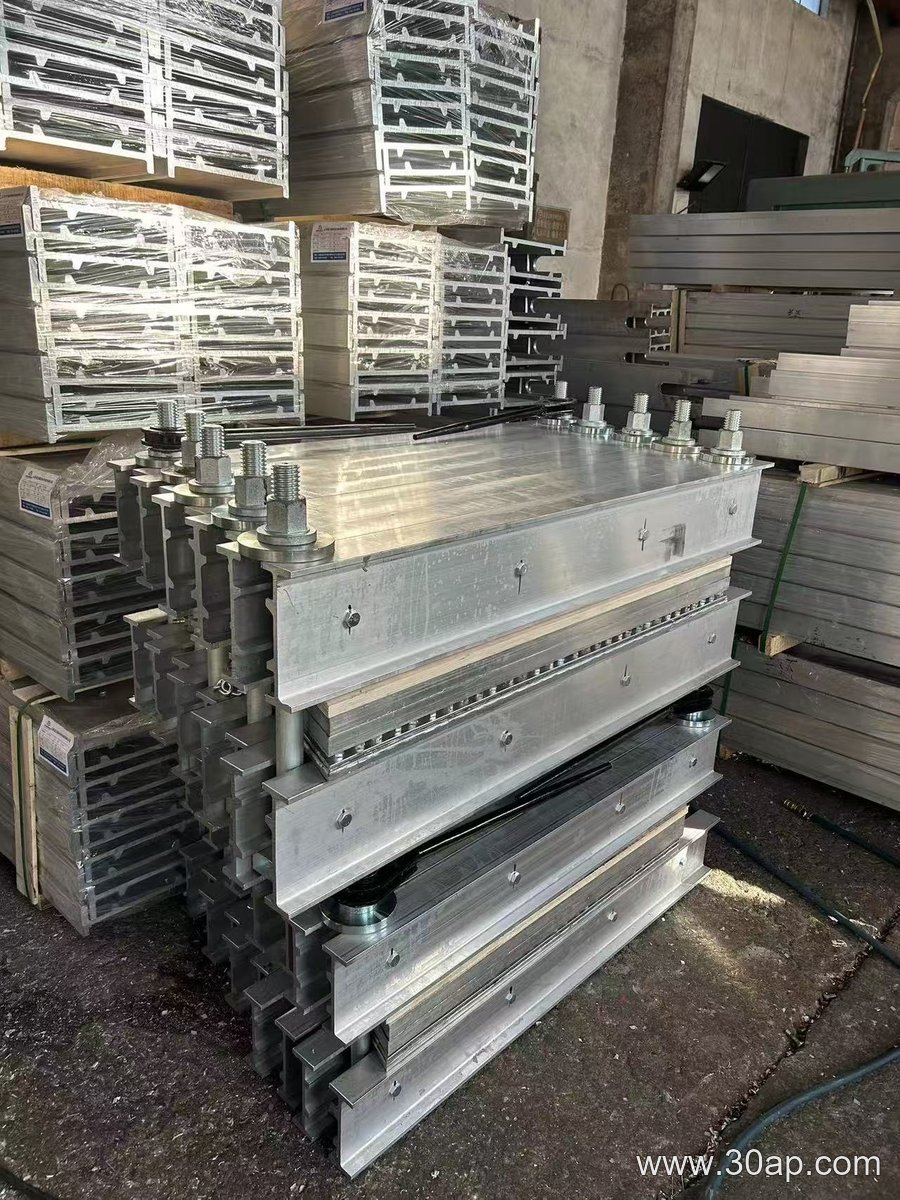
How the Bracket Is Built
Most units are fabricated from angle steel, channel steel, or folded steel plate. The choice depends on the load, the belt width, and the mounting style. A typical bracket has a base that bolts to the conveyor frame, one or more inclined faces that set the trough angle, and slots or holes for the roller shaft. Welding, drilling, and surface treatment such as painting or galvanizing follow the fabrication stage.
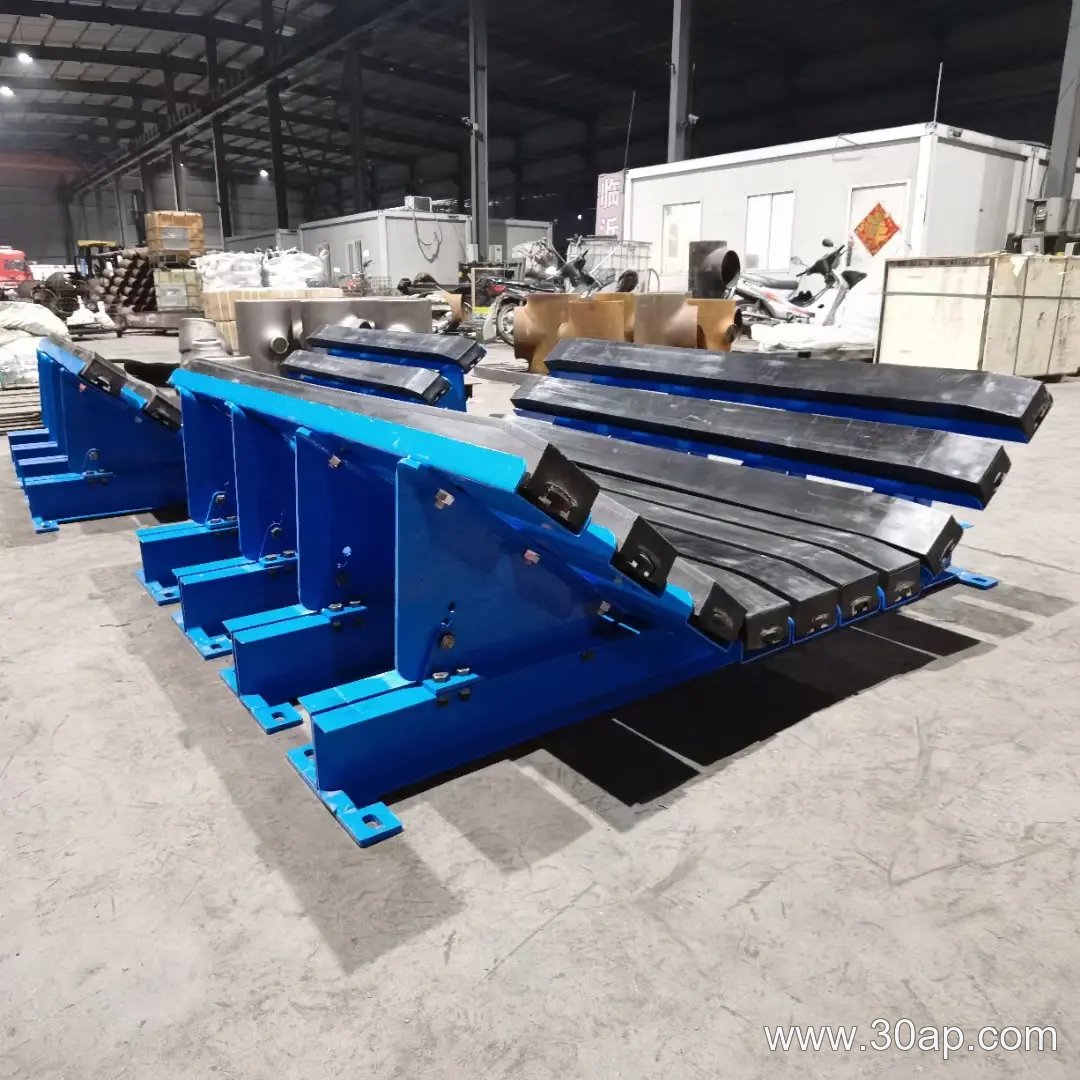
Because Q235 offers good weldability and moderate strength, it suits general conveying duties in quarries, sand and gravel lines, and crushing and screening plants. Where corrosion or heavy impact is expected, a buyer may ask for a thicker plate or a protective finish, but the base material remains the same.
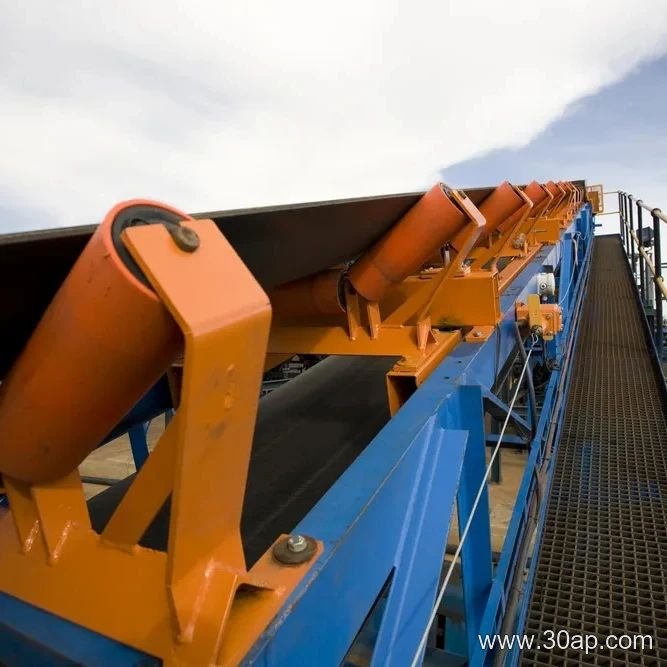
Common Types and Where They Sit
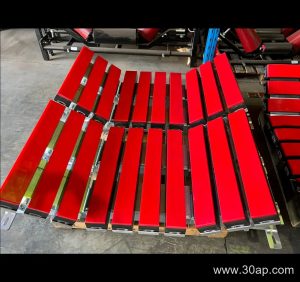
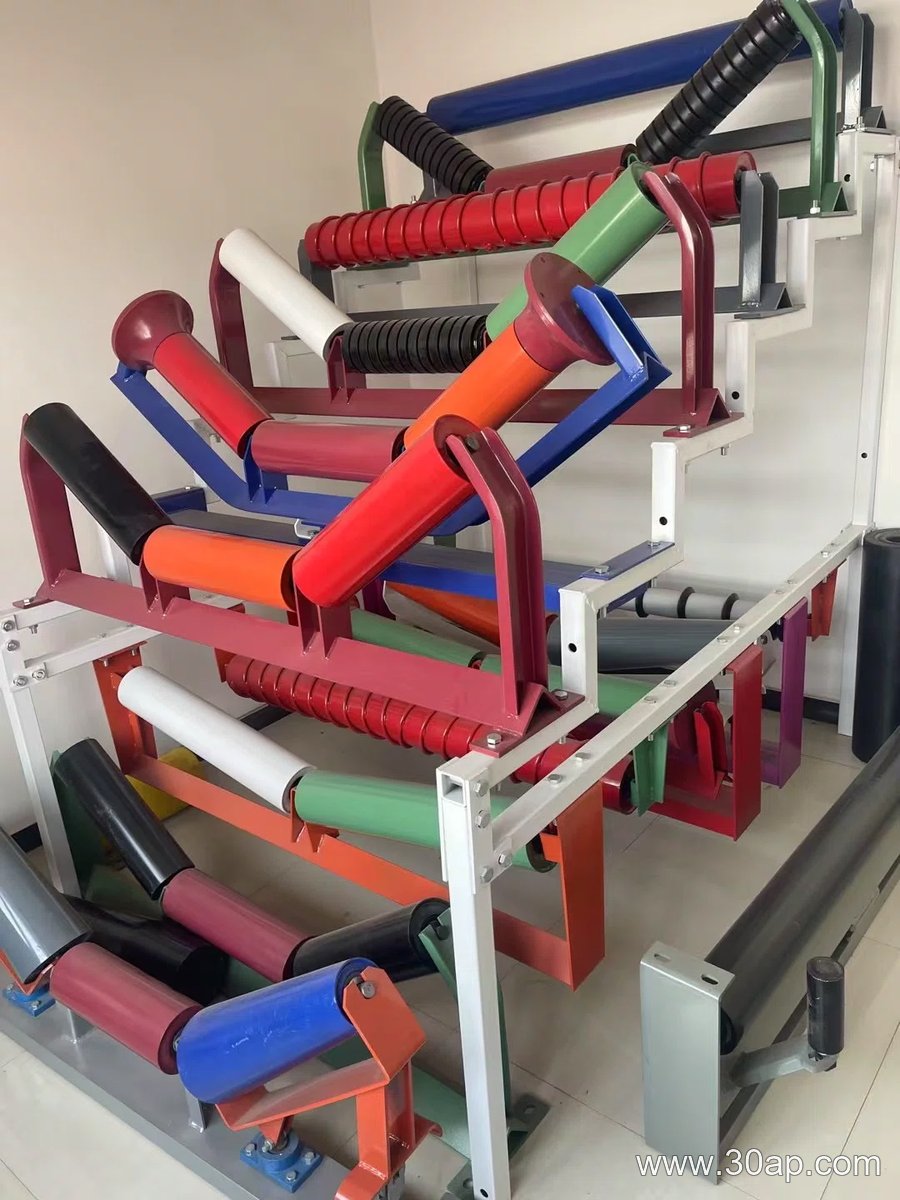
Brackets are usually named after their position and function. A troughing bracket supports the carrying idlers and forms the belt trough. A transition bracket sits between the last troughing station and the pulley, easing the belt from a troughed shape to a flat one. A return bracket holds the return idlers under the belt, and a V-return bracket uses two rollers set in a V to help center the belt. Impact brackets are placed under the loading point, while self-aligning and forward-tilting brackets help correct belt tracking.
Adjustable brackets allow the trough angle to be changed on site, which is useful when the same frame must handle different materials. Fixed brackets are simpler and are chosen when the trough angle is already settled.
Matching Bracket, Belt Width, and Roller Diameter
Selection starts with the belt width, the trough angle, and the roller diameter. These three values are related but not locked together. A given belt width can work with more than one trough angle or roller diameter, and the bracket hole spacing and cross beam length change accordingly. The table below shows common reference combinations, not fixed rules.
| Belt width | Trough angle | Roller diameter | Typical bracket style |
|---|---|---|---|
| B500 | 20 degrees | Ø89 | Troughing, return |
| B650 | 30 degrees | Ø89 | Troughing, transition |
| B800 | 35 degrees | Ø108 | Troughing, impact |
| B1000 | 35 degrees | Ø133 | Troughing, self-aligning |
| B1200 | 45 degrees | Ø133 | Troughing, V-return |
| B1400 | 45 degrees | Ø159 | Troughing, transition |
| B1600 | 35 degrees | Ø159 | Troughing, impact |
| B1800 | 45 degrees | Ø194 | Troughing, V-return |
| B2000 | 45 degrees | Ø194 | Troughing, transition |
Forward-tilting brackets commonly use a tilt of about 1.5 to 2 degrees to help the belt stay centered. Adjustable brackets can be set among the common trough angles of 20, 30, 35, and 45 degrees.
What Buyers Should Check Before Ordering
- Confirm the belt width and the required trough angle, since these drive the bracket geometry.
- State the roller diameter and shaft size so the mounting holes match the idler roller.
- Choose fixed or adjustable brackets based on whether the trough angle may change later.
- Check the mounting hole spacing and cross beam length against the existing conveyor frame.
- Consider the environment: dusty, wet, or corrosive sites may call for a different finish or plate thickness.
- Decide between troughing, return, transition, impact, and self-aligning brackets according to position along the conveyor.
A Q235 conveyor bracket is a small part of a large system, but it decides how well the idler rollers, the conveyor belt, and the frame work together. Getting the bracket type, trough angle, and roller fit right at the start saves tracking problems and downtime later.