What a High Wear-Resistant Lagged Pulley Does
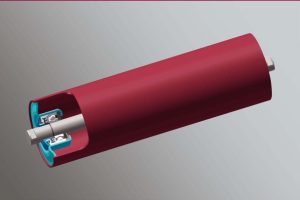
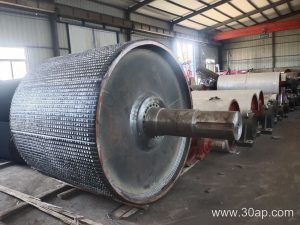
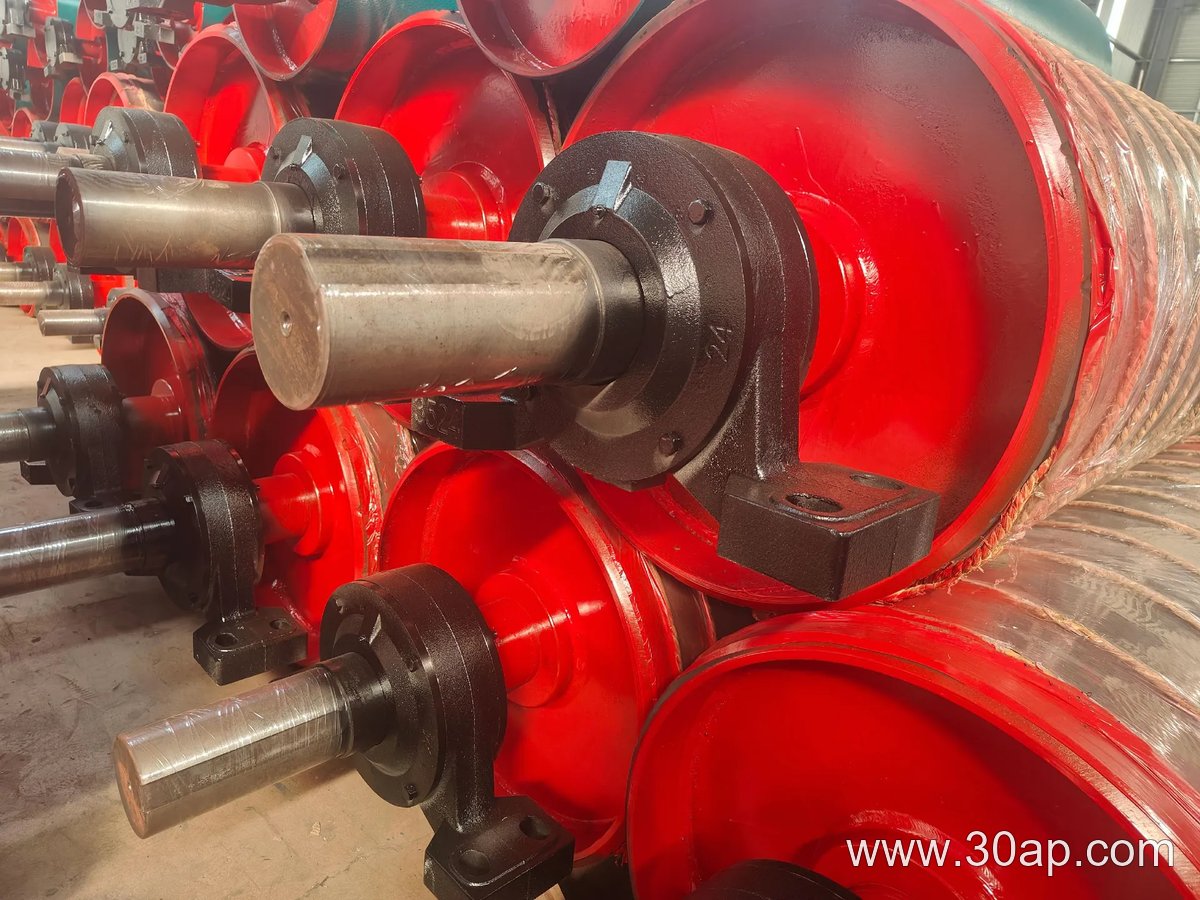
A high wear-resistant lagged pulley is a conveyor pulley whose outer shell carries a tough rubber or ceramic layer to protect the belt and extend service life. In practice, this product is often called a rubber-lagged conveyor pulley or a ceramic-lagged drum. It is a driven or non-driven cylinder that turns the conveyor belt, and the lagging is the sacrificial surface between the steel shell and the belt. The main subject here is the high wear-resistant lagged pulley itself, not a drive, tail, or bend pulley as a substitute. Drive, tail, and bend pulleys are different positions in a conveyor and are not interchangeable names.
Construction and Surface Options
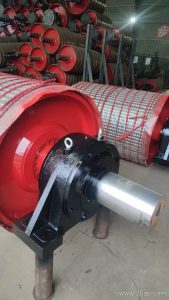
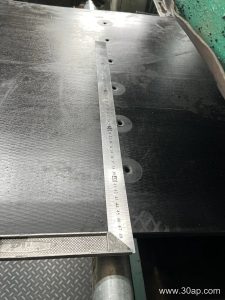
The core is a steel drum with a machined face, end discs, and a shaft. The lagging is bonded to the shell by hot vulcanization, cold bonding, or casting. Surface forms include plain rubber, diamond grooved rubber, herringbone rubber, and ceramic lagging. Ceramic tiles set in rubber are common where abrasive material causes heavy wear. A high wear-resistant lagged pulley usually uses rubber thickness of 8 mm, 10 mm, 12 mm, 15 mm, or 20 mm, depending on belt tension and material abrasiveness.
Where It Fits in the Conveyor
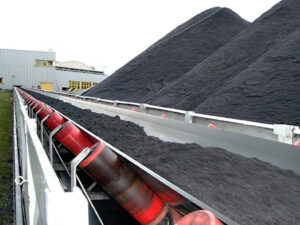
This pulley can serve as a head pulley at the discharge end, a tail pulley at the loading end, or a tension pulley in a take-up system. In a coal preparation plant or a power plant coal handling line, the head pulley often runs with diamond or ceramic lagging to grip the belt under wet, dusty conditions. In a limestone quarry or sand and gravel line, a high wear-resistant lagged pulley at the tail helps survive constant grit. A bend pulley may use a similar lagging for belt training, but it is a different subtype and should not be selected as a replacement for the main pulley without checking the duty.
Common Sizes and Combinations
Belt width and pulley diameter are chosen together, not as a fixed pair. The table below shows reference combinations that appear in conveyor design. They are examples, not universal rules, and a single belt width can match more than one diameter.
| Belt Width | Shell Face Width (approx.) | Example Diameter | Typical Lagging |
|---|---|---|---|
| B500 | 600 mm | Ø250 | 10 mm rubber |
| B650 | 750 mm | Ø315 | 12 mm rubber |
| B800 | 950 mm | Ø500 | 12 mm diamond |
| B1000 | 1150 mm | Ø630 | 15 mm rubber |
| B1200 | 1400 mm | Ø1000 | 15 mm ceramic |
| B1400 | 1600 mm | Ø800 | 20 mm ceramic |
| B1600 | 1800 mm | Ø1250 | 20 mm rubber |
Shaft diameter is determined by torque and load, not by belt width alone. Common shaft sizes include Ø80, Ø100, Ø120, Ø140, Ø160, and Ø200. A larger shaft may be needed for a high-tension drive position even when the belt width is moderate.
Buyer Checklist
- Confirm the pulley position: head, tail, tension, or bend. The duty and lagging choice differ by position.
- Check belt width, face width, and diameter together with the conveyor designer.
- Match the lagging material to the material being carried. Sharp, abrasive rock may favor ceramic; wet, fine material may favor grooved rubber.
- Verify shaft diameter from torque and bearing load, not from a shortcut table.
- Ask about balancing, runout, and welding quality, because a high wear-resistant lagged pulley must run true under load.
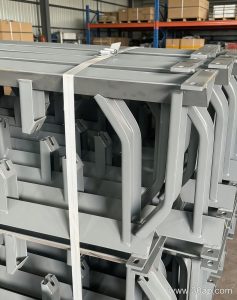
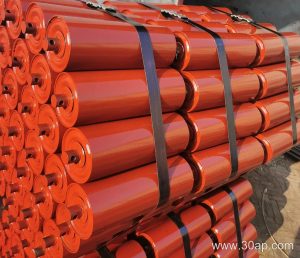
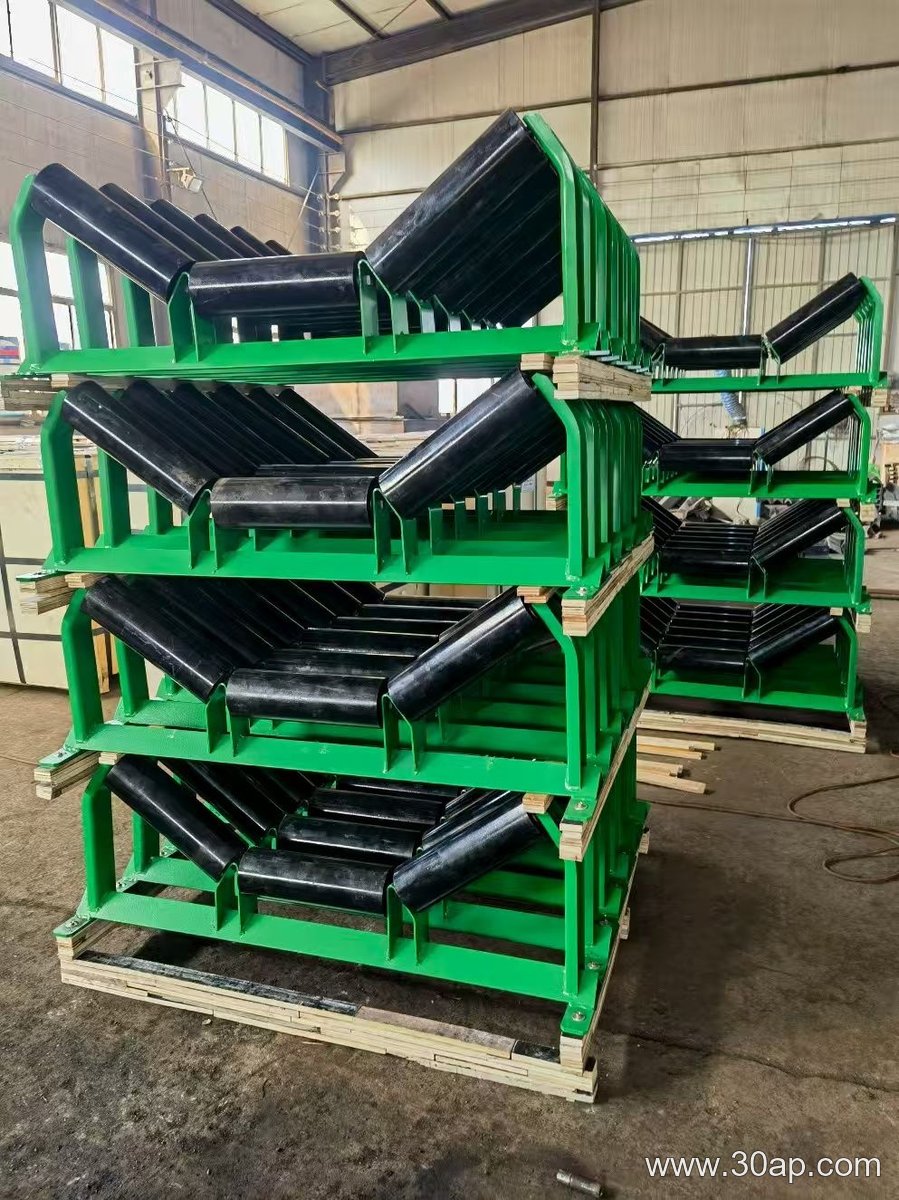
- Use compatible conveyor brackets and idler roller frames so the pulley aligns with the belt line.
Maintenance Notes
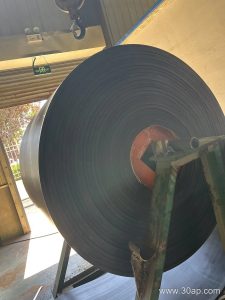
Inspect lagging for cuts, glazing, or missing ceramic tiles during scheduled shutdowns. A worn high wear-resistant lagged pulley can slip, track poorly, or damage the conveyor belt. Replace the lagging before the steel shell is exposed. Keep the belt cleaner and the idler roller free of build-up, because material carryback accelerates wear on any pulley. For a cement plant clinker line or a steel plant sinter line, heat and abrasion may call for a heavier lagging grade, but the final choice should follow the actual operating conditions.