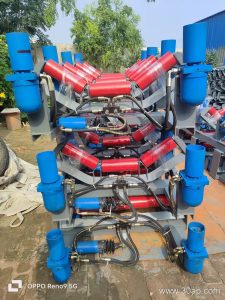
What a 6205 Bearing Idler Is
A 6205 bearing idler is a carrying or return roller that uses a single-row deep groove ball bearing with a 25 mm bore. In conveyor language, this component is often simply called a 6205 idler roller. It sits under a conveyor belt on a bulk handling line, supporting the belt and the material load while allowing the belt to move with low resistance. The bearing is not the whole roller — it is the rotating heart inside the end housing, protected by seals and lubricated for long service. When someone specifies a 6205 bearing idler, they are naming the bearing size that fits the roller end, not the full roller diameter.
How the Roller Is Put Together
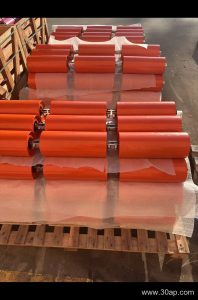
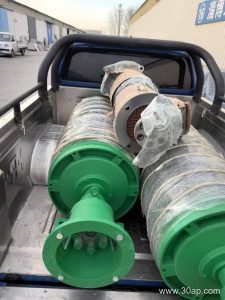
A typical 6205 idler roller includes a steel tube shell, bearing housings at both ends, a shaft, seals, and the bearing itself. The shell may be plain steel, nylon-coated, rubber-covered, or ceramic-coated depending on the application. The shaft does not turn; the shell and bearing outer ring rotate with the belt. The 6205 bearing is a common choice in medium-duty idlers because its 25 mm bore matches many shaft diameters used across B650 to B1200 belt widths. The seal arrangement matters as much as the bearing: in dusty or wet conditions, a good labyrinth or contact seal keeps fine particles out of the grease.
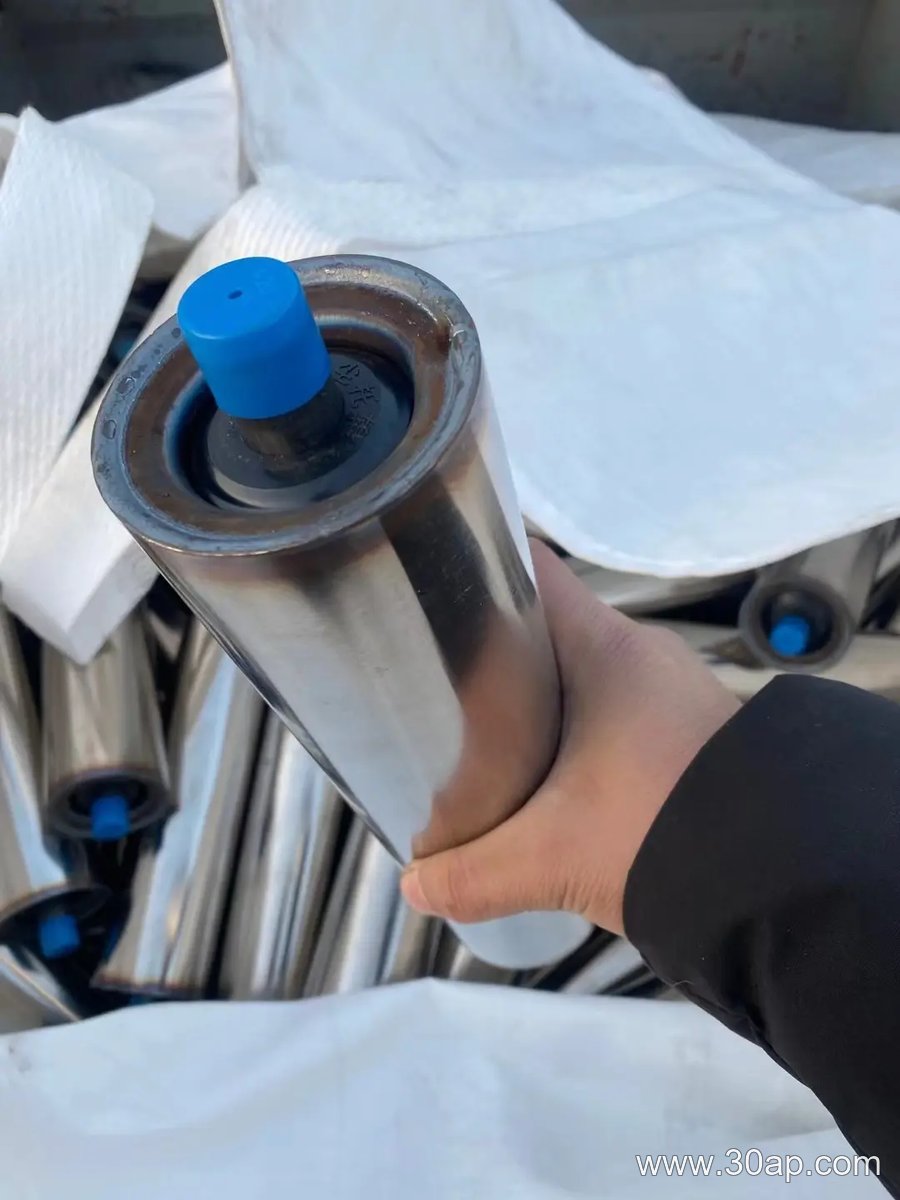
Where It Fits on a Conveyor
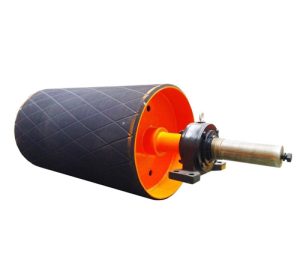
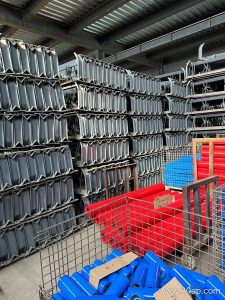
You will find 6205 bearing idlers in many positions along a conveyor. They appear as three-roll troughing sets on the carrying side, as single flat rollers on the return side, and as impact or transition idlers near loading and discharge points. In a quarry, a coal preparation plant, a cement plant, or a power station coal yard, these idlers keep the conveyor belt aligned and supported. They also work with conveyor pulleys — the drive pulley, tail pulley, and bend pulley — but the idler is not a pulley. A drive pulley transmits power; a tail pulley changes the belt direction; a bend pulley redirects the belt. Idlers only support it. This distinction matters when ordering spare parts.
Common Sizes and Matching Data
The bearing number does not lock the roller to one diameter or one belt width. A 6205 bearing can appear in rollers with different shell diameters and different roller lengths. The table below shows common reference values, not fixed rules.
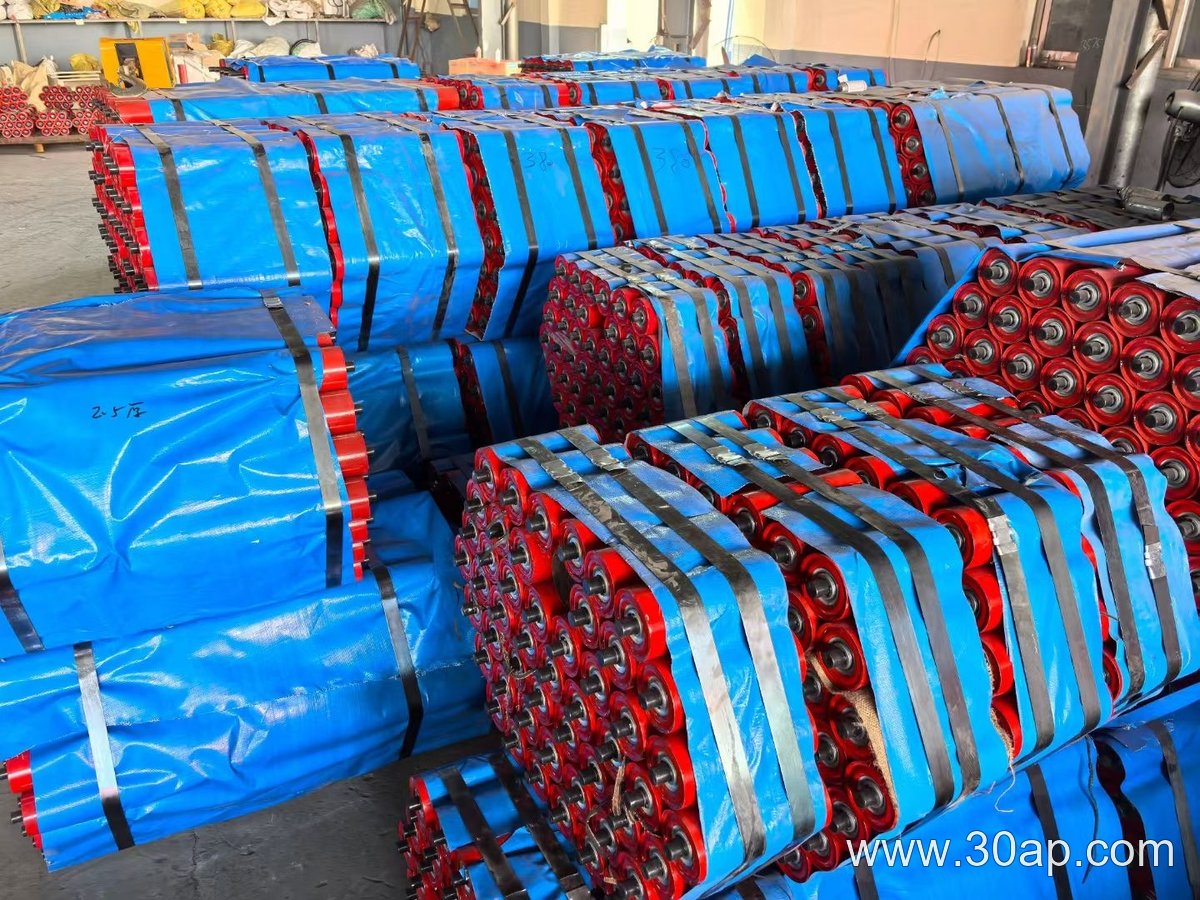
| Item | Common Reference |
|---|---|
| Bearing model | 6205 |
| Bearing bore | 25 mm |
| Roller diameter | Ø89, Ø102, Ø108, Ø127, Ø133 mm |
| Belt width | B650, B800, B1000, B1200 |
| Roller length for three-roll troughing | About 250 mm for B650, 315 mm for B800, 380 mm for B1000, 465 mm for B1200 |
| Trough angle | 20°, 30°, 35°, 45° |
| Roller surface | Steel tube, nylon, rubber rings, ceramic |
Side rollers and center rollers can have different lengths in the same troughing set. A 6205 bearing may also be used in a return roller or a training idler, but that does not make those types interchangeable. A V-return roller and a flat return roller do different jobs. A friction self-aligning idler and a tapered self-aligning idler also differ in how they steer the belt. Use the correct subtype for the position.
What a Buyer Should Check
- Confirm the bearing number and bore. A 6205 is not the same as a 6204 or 6305.
- Check the shaft diameter, not just the belt width. A 25 mm bore matches a 25 mm shaft, but the shaft length and fixing method vary by bracket design.
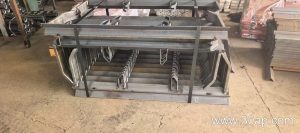
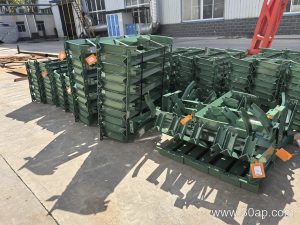
- Match the roller length to the conveyor bracket spacing and trough angle.
- Choose the shell material for the environment. Rubber rings suit impact zones; nylon or ceramic can suit abrasive or sticky material.
- Ask about sealing for dusty mines, coal plants, or cement lines. Fine powder kills bearings faster than heavy load.
- Keep spare idlers in common sizes. Replacing a failed roller early protects the conveyor belt from edge damage and mistracking.
Maintenance Notes
A 6205 bearing idler is a wear part. It should turn freely by hand, without grinding or wobble. In a sand and gravel line or a limestone quarry, inspect idlers after washing or heavy rain. Seized rollers can rub a flat spot into the conveyor belt and increase motor load. Replace any roller with a rough bearing, a damaged seal, or a worn shell. Do not try to regrease a sealed idler unless the design includes a grease port. Proper alignment of the conveyor bracket and regular belt tracking reduce side load on the bearing and extend roller life.