Can a conveyor bracket tolerate angular misalignment
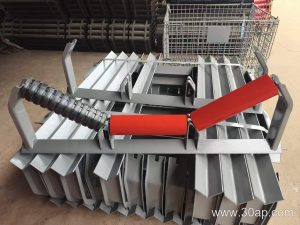
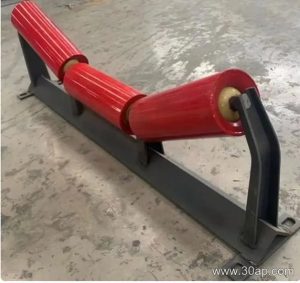
Yes, but only slightly. A conveyor bracket that holds an idler at a small angle will steer the belt, while a bracket that is too rigid can transfer that error into the frame. The trade-off is adjustment range versus stiffness.
Where the trade-off appears in a cement plant
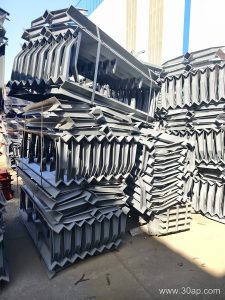
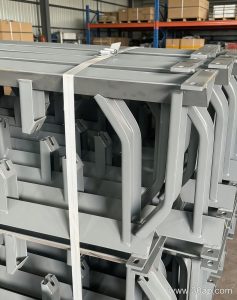
In a hypothetical cement plant, a conveyor bracket under a load zone might use slotted feet for fine alignment. The slots allow the idler axis to be squared to the belt line, but they also reduce the bracket’s shear stiffness. A welded bracket is stiffer but cannot be corrected after installation.
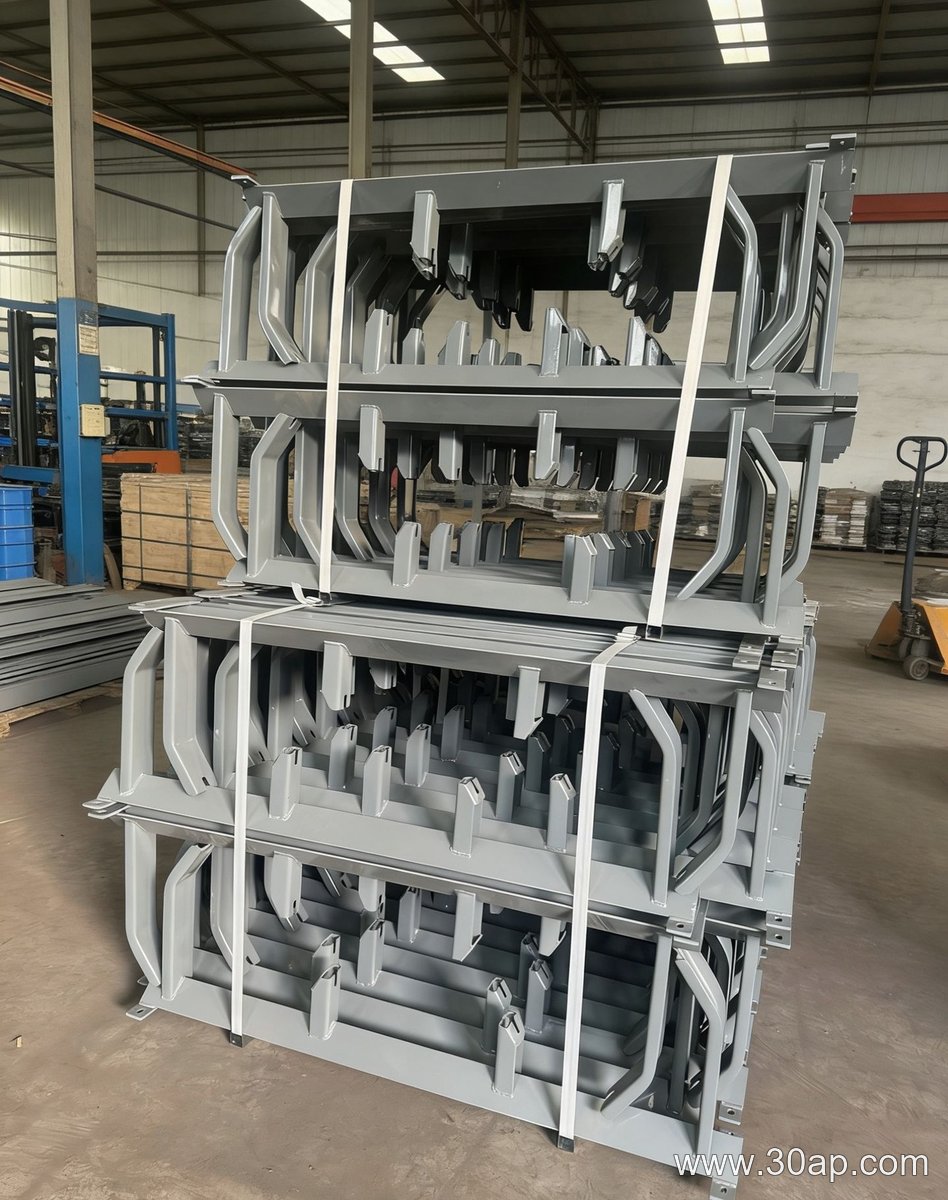
Engineers often resolve this by keeping the bracket stiff in the load direction and using shims or eccentric washers only for small angular corrections.
How Should a Buyer Specify and Vet a Conveyor Belt Supplier in China?
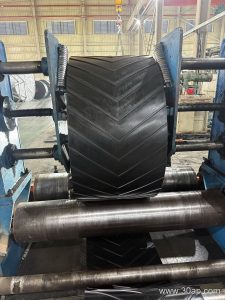
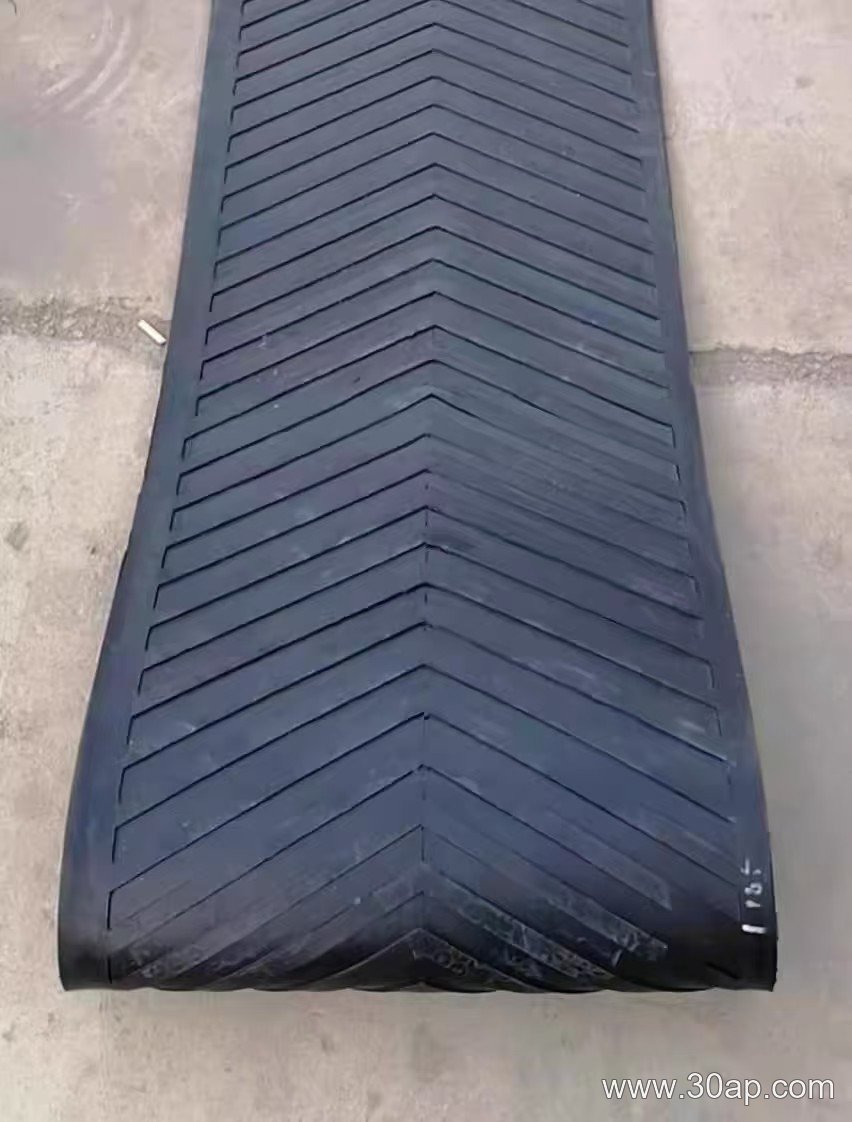
A general manufacturing line rarely needs exotic belting, but it does need a conveyor belt that matches the load, pulley diameters, and ambient conditions. Start by writing a one-page specification before contacting suppliers.
Specification Checklist
- Belt type, width, and length, including splice allowance
- Cover compound and thickness for the conveyed parts
- Carcass type and ply count for tension and pulley size
- Operating temperature range and any oil or chemical exposure
- Required documentation and test reports
Supplier Evaluation
Ask for the production route, not just a datasheet. A supplier that mixes its own cover compound usually controls quality better. Request a sample splice and confirm the belt can be made endless if the line cannot use mechanical fasteners.
Start With the Fixed Frame, Not the Roller
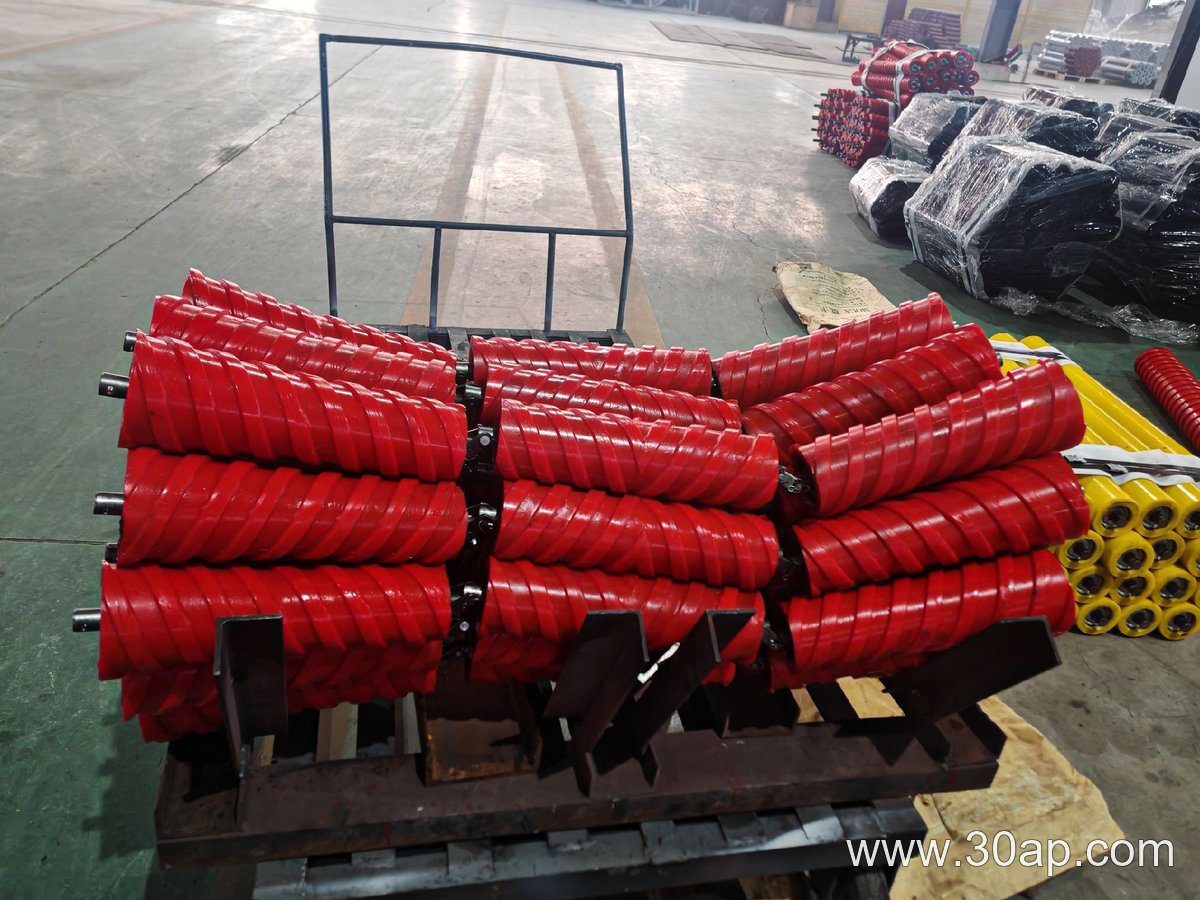
In this hypothetical wet outdoor conveyor project, the frame opening is fixed at 800 mm, so the idler roller cannot grow wider. What can change is the face length between the bearing housings, and that is the real constraint.
What the 800 mm Limit Actually Controls
A wider face adds belt support but also adds shaft overhang and seal exposure to rain. For an 800 mm frame with a 650 mm belt, a face near 670 mm is a reasonable starting point, leaving edge clearance without pushing the bearings outside the frame.
- Confirm the belt width and troughing angle first.
- Check that the shaft ends still fit the bracket slots.
- Verify the seal is shielded from direct rain.
Any final figure belongs on the project drawing, not in a generic rule.
What Drives the Cost of a Conveyor Pulley in a Dusty Quarry
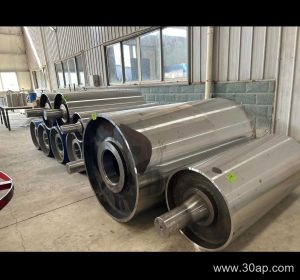
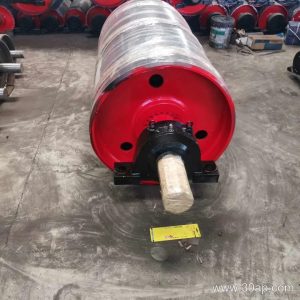
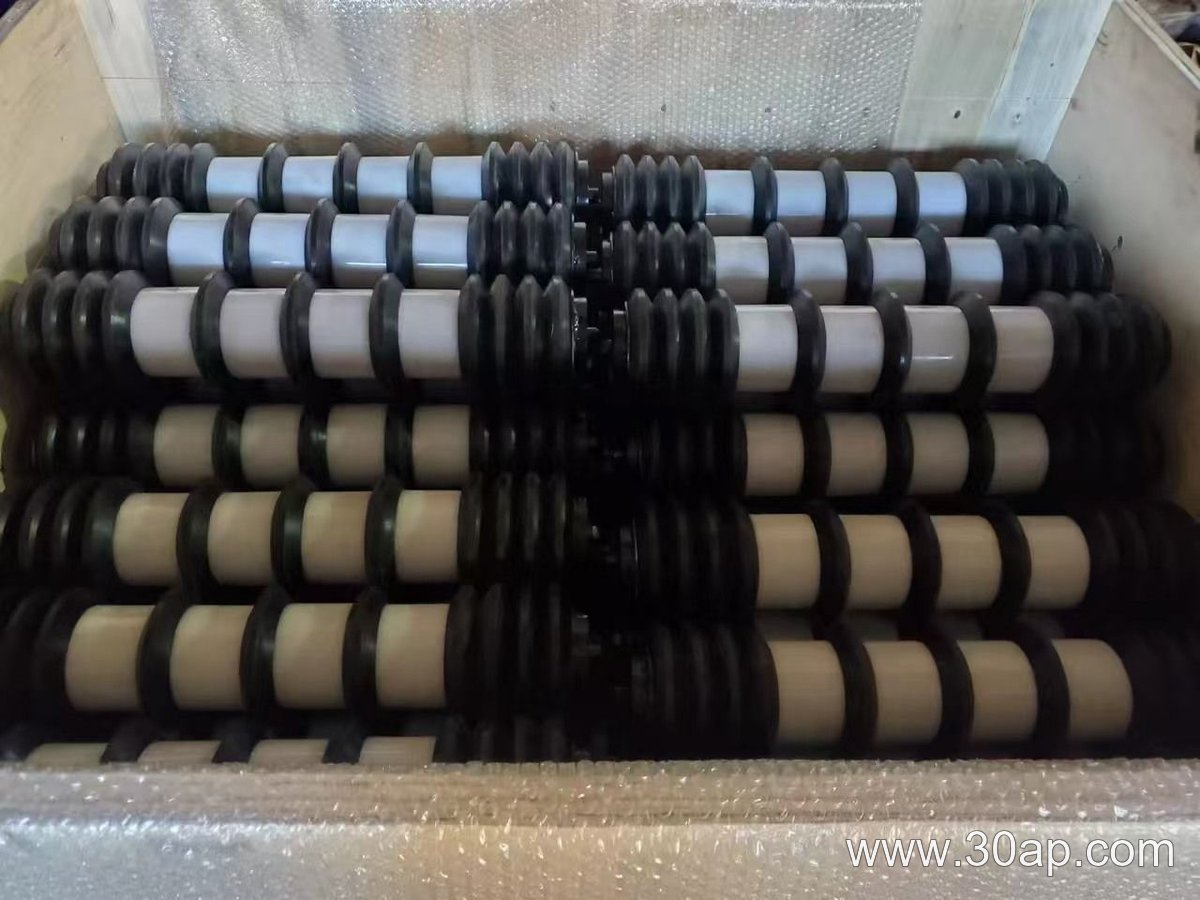
In a dusty quarry, a conveyor pulley must resist abrasion and keep the belt centered. Its cost depends on materials, dimensions, manufacturing, and freight.
Materials
Shell and shaft steel grades, plus lagging type, set the base cost. Abrasion-resistant steel or thicker lagging adds expense but extends life.
Dimensions
Diameter, face width, and shaft length scale with material volume and machining time. Larger pulleys need more steel and handling.
Manufacturing
Welding, machining, and balancing add labor and equipment time. Tight tolerances and dynamic balancing increase cost.
Freight
Weight and size affect shipping. Oversized pulleys may need special transport, raising delivered cost.
Balance these factors against the quarry’s duty cycle to avoid over- or under-specifying.