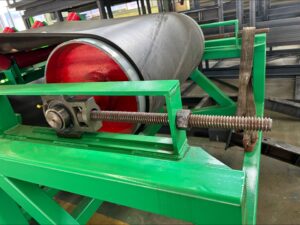
In a dusty quarry, a conveyor pulley must resist abrasion, keep the belt centered, and survive continuous load. Standards and grades help you specify it without guesswork. Here is how to use them.
What standards apply to a conveyor pulley and what do they cover?
Standards for a conveyor pulley typically address dimensions, balancing, lagging thickness, shaft tolerances, and welding quality. They define grades by material strength, wear resistance, or duty class. They do not certify a finished pulley; they set the rules for testing and inspection.
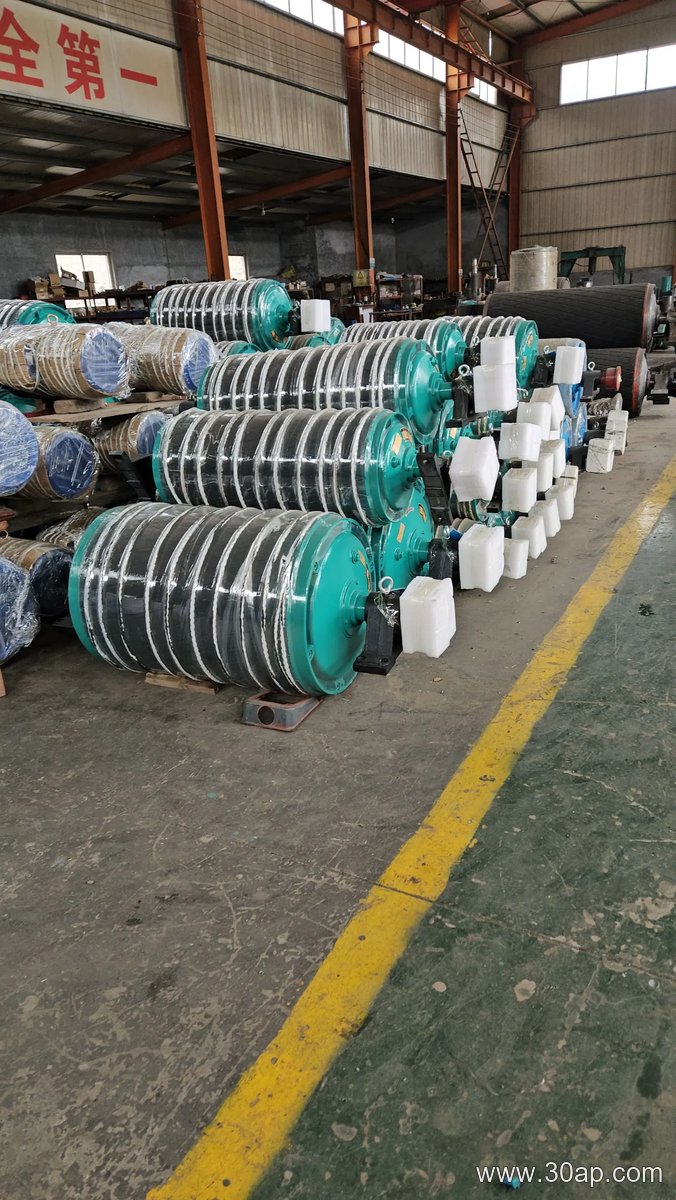
How to translate a grade into a purchase order
- Match the grade to belt tension and speed.
- State lagging hardness or abrasion grade.
- Require dimensional and balance reports.
Ask the supplier which standard clauses apply, then verify with your own inspection. A grade is a starting point, not a guarantee.
Why Dust Is the Main Maintenance Driver for a Conveyor Bracket in a Quarry
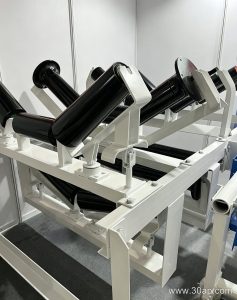
In a dusty quarry, a conveyor bracket faces constant abrasive exposure. Inspection should focus on three areas: mounting bolts, weld toes, and the bracket’s contact surfaces with the idler. Loose bolts allow vibration that enlarges holes, while dust trapped under the bracket accelerates corrosion and wear.
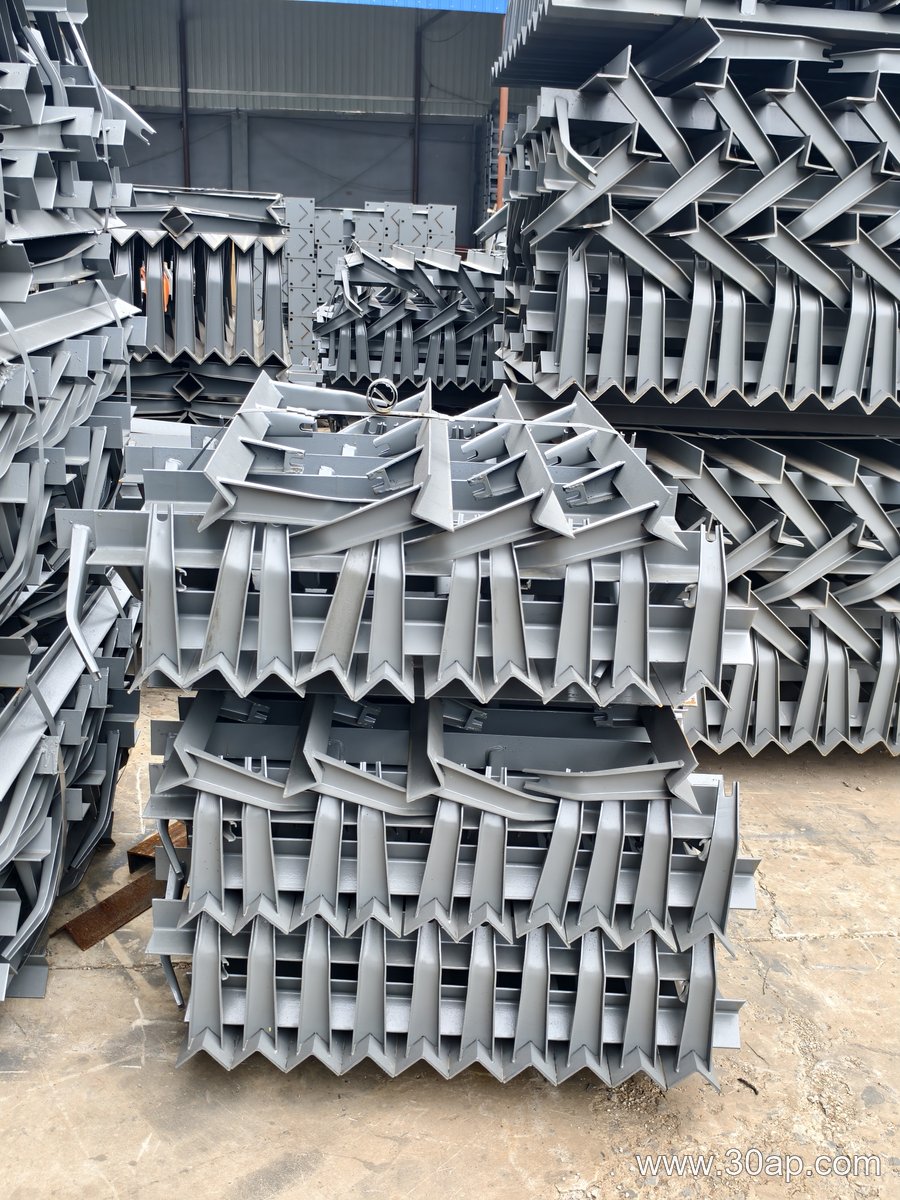
Preventive Maintenance Steps for a Conveyor Bracket
- Clean dust from the bracket and its fasteners at every scheduled shutdown.
- Check bolt torque and look for elongation or thread damage.
- Inspect welds for cracks, especially near the stringer connection.
- Verify that the idler still sits at the correct height and angle.
Signs That a Conveyor Bracket Needs Replacement
Replace the bracket if you find cracked welds, ovalized bolt holes, or visible bending. A bracket that no longer holds alignment will cause belt wander and edge damage. In a quarry, replacing a worn bracket early is cheaper than repairing a misaligned conveyor.
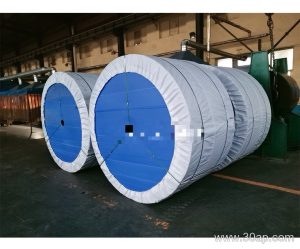
How Does the Manufacturing Process of a Heavy-Duty Conveyor Belt Affect Its Performance in a Dusty Quarry?
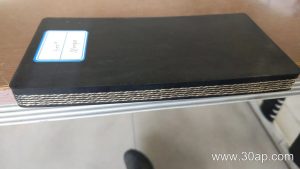
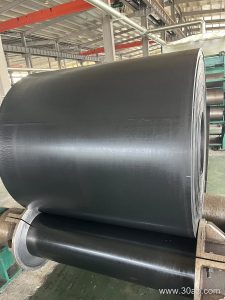
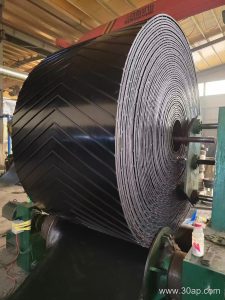
In a dusty quarry, a heavy-duty conveyor belt must resist abrasion and keep tracking. The manufacturing process determines these qualities. Calendering and vulcanization control cover thickness and adhesion. Poor control leads to premature wear or ply separation.
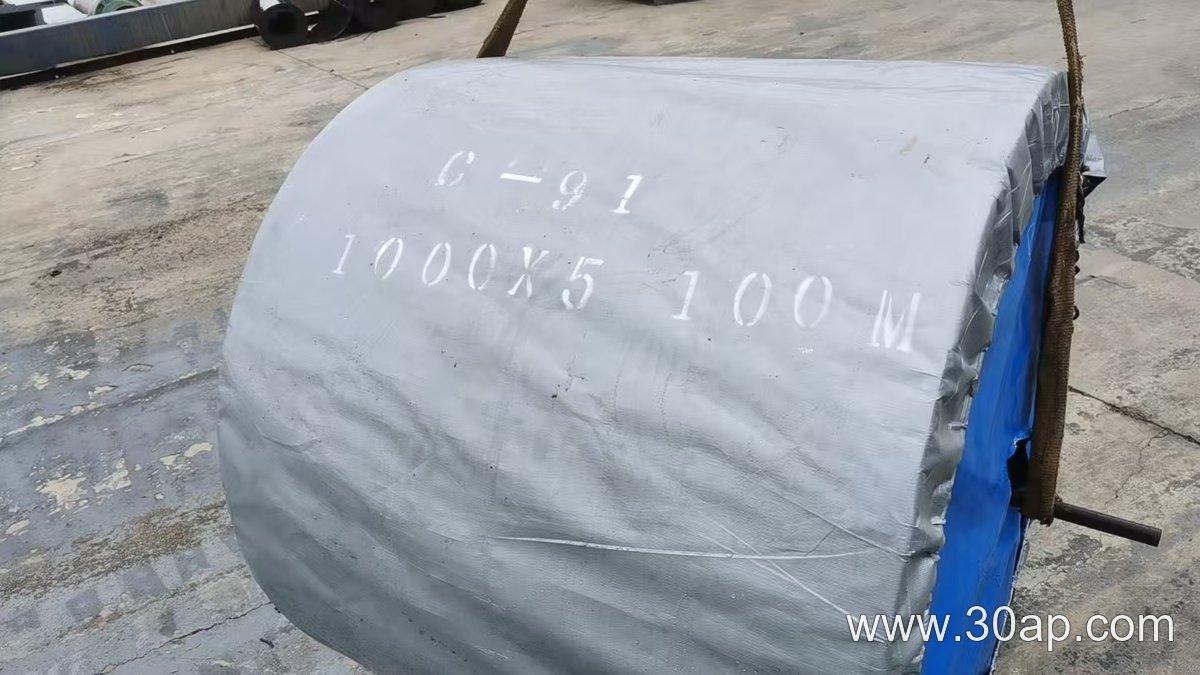
Key Production Stages and Their Effects
- Mixing: carbon black and rubber compound uniformity affects abrasion resistance.
- Calendering: thickness tolerance influences belt sag and load support.
- Vulcanization: temperature and pressure ensure cover-to-carcass bond strength.
When these stages are optimized, the conveyor belt handles sharp rock and dust without frequent stoppages. In a quarry, a well-made belt reduces downtime and maintenance.
How abrasive dust and impact affect an idler roller in mineral processing
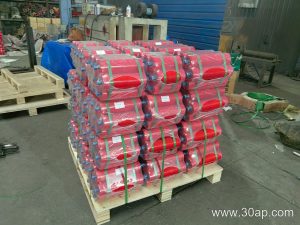
In a mineral processing plant, an idler roller supports the conveyor belt while constantly exposed to sharp ore dust, grit, and occasional impact from lumpy feed. The shell wears thin, and fine particles can work past seals, causing bearing seizure.
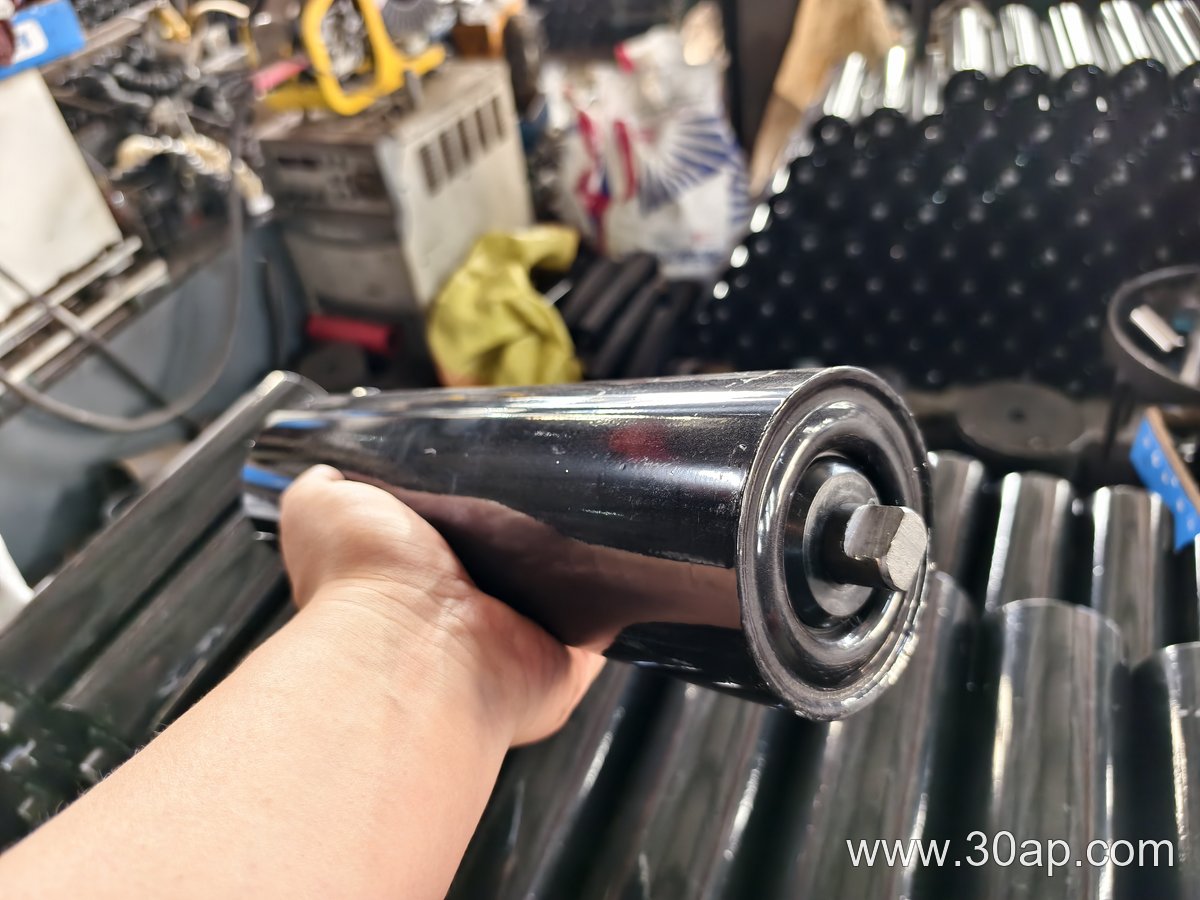
Practical checks for extended service
- Shell thickness and material: Choose a thicker wall or abrasion-resistant coating to resist thinning.
- Seal type: Labyrinth or contact seals keep dust out; grease purge ports help.
- Bearing clearance: Proper internal clearance prevents binding under heat and load.
- Roller spacing and impact: Use impact idler rollers at transfer points to absorb shock.
Routine inspection of wear and rotation is essential. If an idler roller stops turning, the belt slides, causing rapid wear and possible fire risk.