What a Rotating Self-Aligning Idler Does
A rotating self-aligning idler is a carrying or return roller that pivots on a vertical axis to steer a wandering conveyor belt back toward the centerline. Instead of sitting rigidly in the frame, the roller sits in a swivel base or a bracket that lets the whole assembly rotate slightly when the belt drifts sideways. The resulting angle change creates a small lateral force that corrects the belt path before the edge rubs the structure.
The same product is also called a self-tracking idler or self-centering roller in many workshops. Those names describe the same function, not a different roller family. The rotating action is the key: a fixed troughed idler simply supports the belt, while an aligning unit actively responds to misalignment.
How the Assembly Is Built
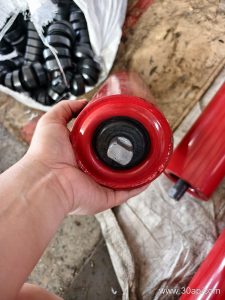
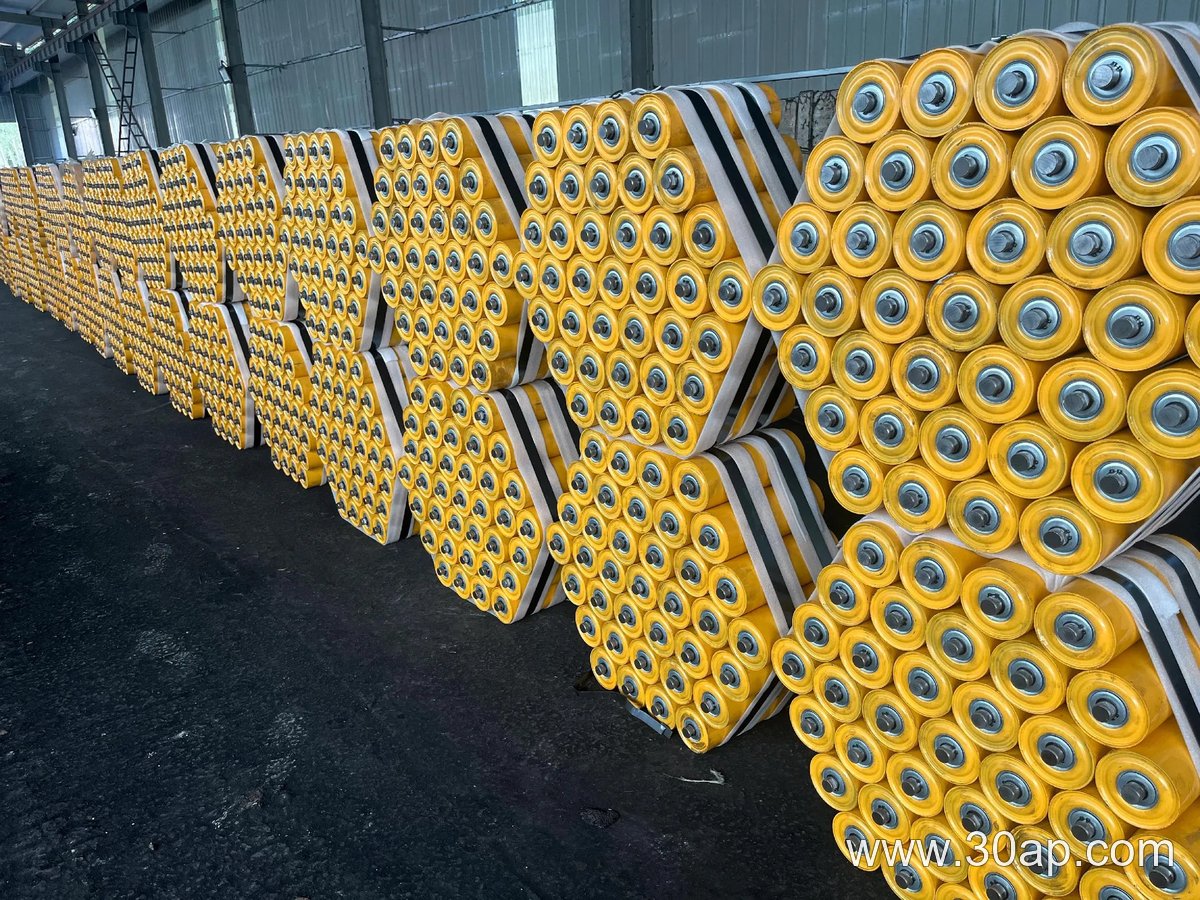
Most designs combine a standard roller body with a pivot mechanism. The roller shell is usually steel tube, though nylon, ceramic, or rubber-covered surfaces appear where wear, sticking, or impact is a concern. The shaft runs through bearing housings that commonly use 6204, 6205, 6305, 6306, 6308, or 6310 bearings, selected according to load and roll diameter rather than a single fixed rule.
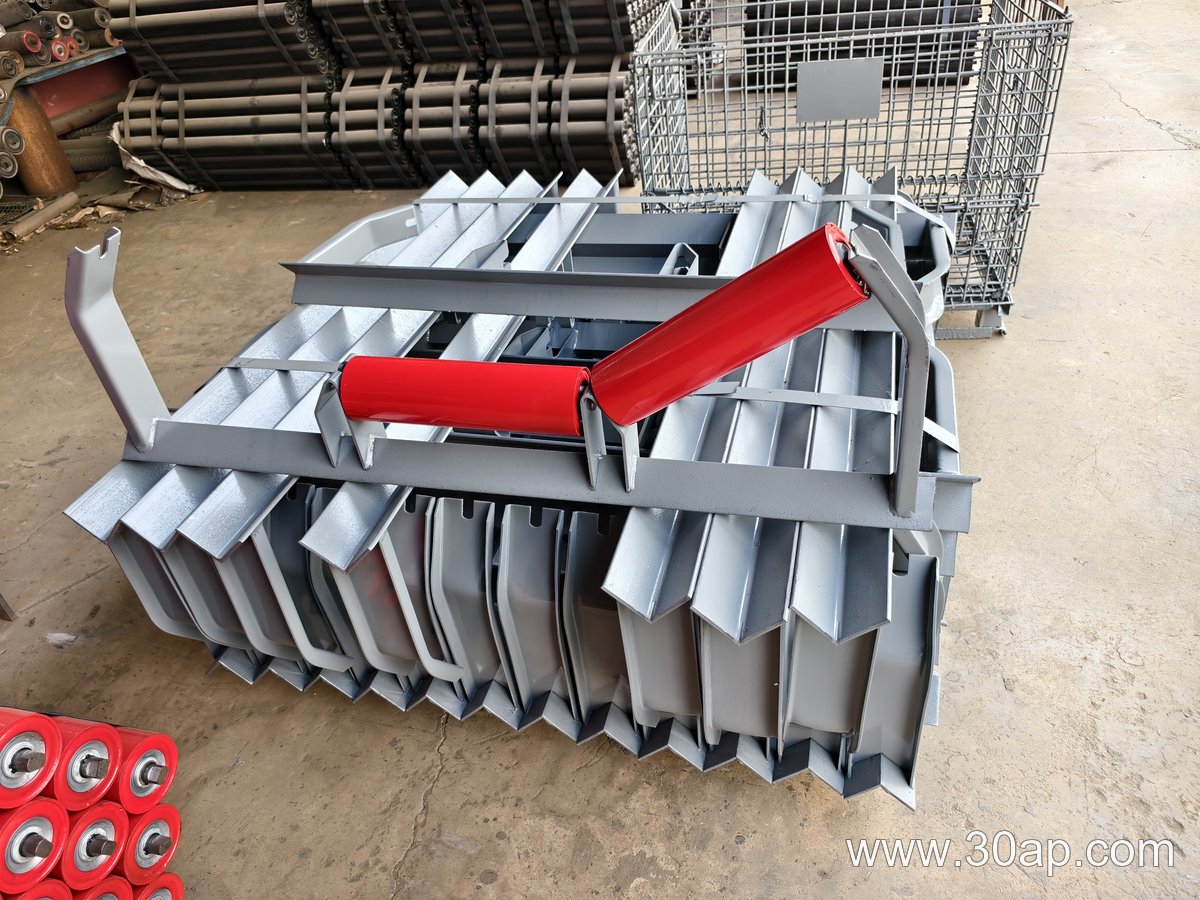
The pivot section may be a vertical pin with a thrust bearing, a friction disc, or a linkage that senses belt edge position. Friction self-aligning and conical self-aligning versions use slightly different geometry, but both rely on rotation to bring the belt back. A conical roller, for example, has tapered ends that generate a correcting force when the belt contacts one side more heavily.
Common roll diameters include 63, 76, 89, 102, 108, 127, 133, 159, 178, 194, and 219 mm. Belt widths range from B400 up to B2400 in many catalogues. These are reference ranges, not a matching table: a given belt width can accept more than one roll diameter, and the final choice depends on belt speed, load, trough angle, and frame dimensions.
Where It Fits on a Conveyor
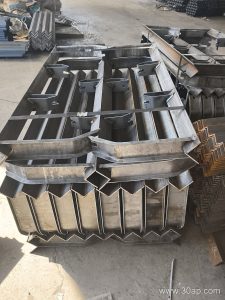
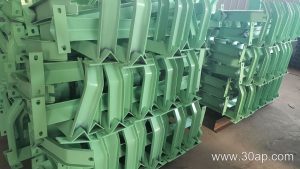
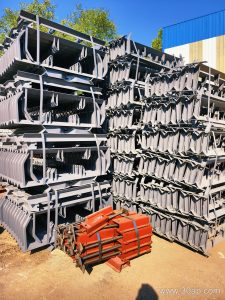
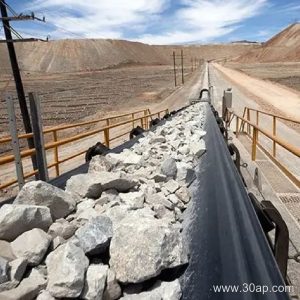
Aligning rollers are normally placed in the carrying run where tracking problems appear, often after a loading point, on long straight sections, or just before a conveyor pulley. On the return run, a V-shaped or flat return self-aligning idler can serve the same purpose. The unit works together with the conveyor belt, the idler roller frame, and the conveyor bracket that holds the pivot base.
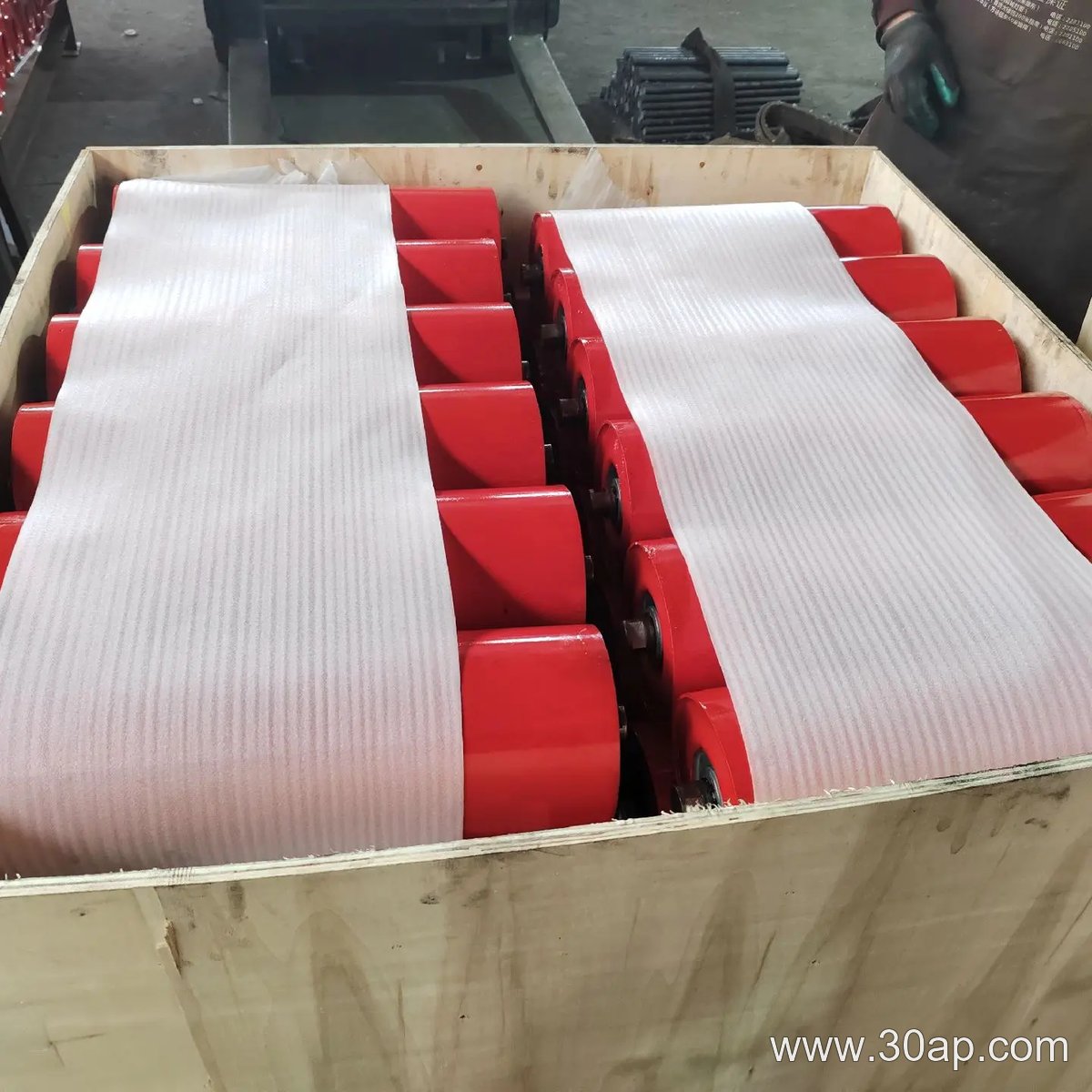
Applications vary widely. In a limestone quarry, a self-tracking roller may sit after a crusher discharge where the belt is loaded off-center. In a coal washing plant, the same type helps keep a wet, sticky belt from climbing one side of the frame. Other users include sand and gravel lines, cement plants, power station coal handling, ports, steel mills, and tunnel spoil removal. The common thread is a belt that needs gentle, continuous correction rather than frequent manual adjustment.
Choosing the Right Unit
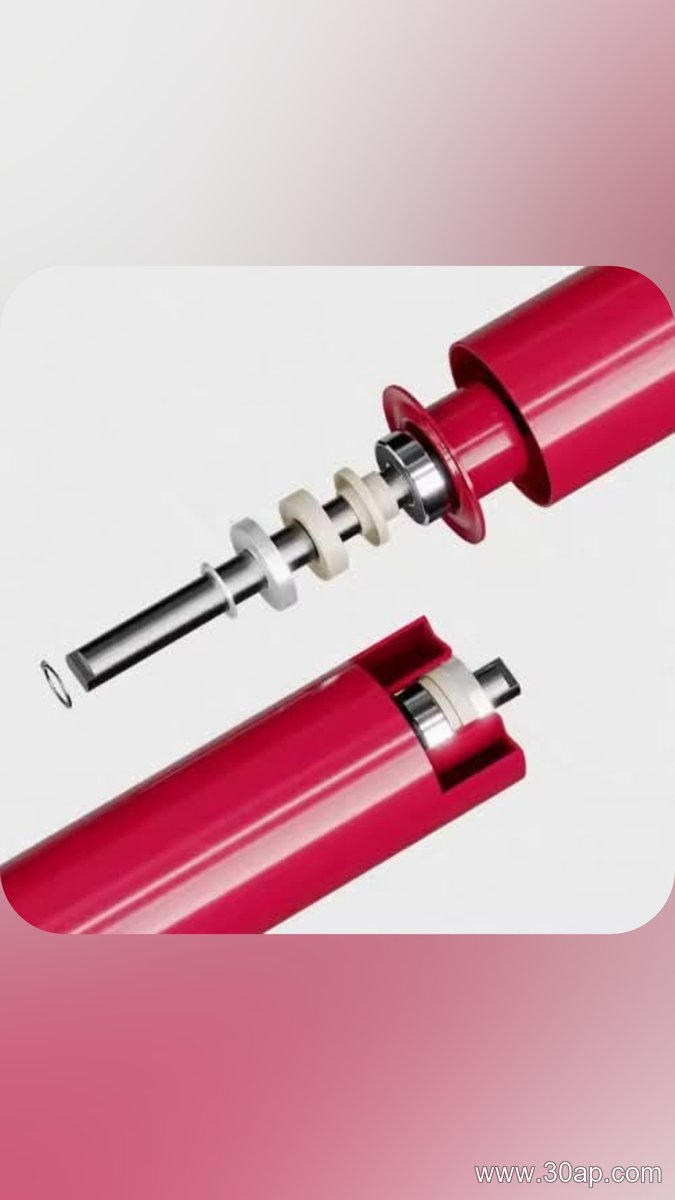
Buyers should first identify whether the problem is in the carrying run or the return run, because the mounting style and roller form differ. A three-roll troughed set with a rotating base is common on the load side, while a single or two-roll arrangement may suit the return side. Trough angles of 20, 30, 35, or 45 degrees are typical, and the roller length changes with belt width, trough angle, and roll configuration. As a rough guide, a three-roll troughing set often uses side rollers around 200 mm for B500, 250 mm for B650, 315 mm for B800, 380 mm for B1000, 465 mm for B1200, 530 mm for B1400, 600 mm for B1600, 670 mm for B1800, and 750 mm for B2000. The center roll and side rolls may differ, so these figures should be treated as examples only.
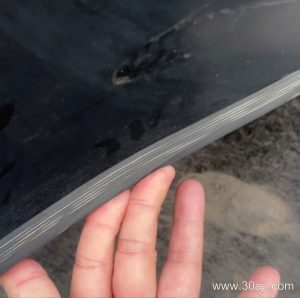
It also helps to check the belt condition before ordering. A belt with a damaged edge or a badly skewed splice will not track well even with a good self-aligning idler. The pivot should move freely, and the bracket must be square to the belt centerline. Lubrication, seal type, and dust protection matter in dusty or wet plants.
Installation and Maintenance Notes
- Mount the unit so the pivot axis is vertical and the roller frame can swing without hitting the structure.
- Keep the roller surface clean; buildup on one side can defeat the self-aligning action.
- Check bearing play and seal condition during routine inspections.
- Do not use a drive pulley, tail pulley, or bend pulley as a substitute name for this product; they perform different jobs.
- After installation, observe the belt for a full revolution and adjust the pivot stop or linkage if the correction is too aggressive.
A rotating self-aligning idler is a practical answer to belt drift, but it works best as part of a properly aligned conveyor. Correct pulley alignment, adequate tension, and a straight frame remain the foundation. When those basics are in place, a self-tracking roller can reduce edge damage, spillage, and downtime without constant operator attention.