What Is a Thick Conveyor Belt
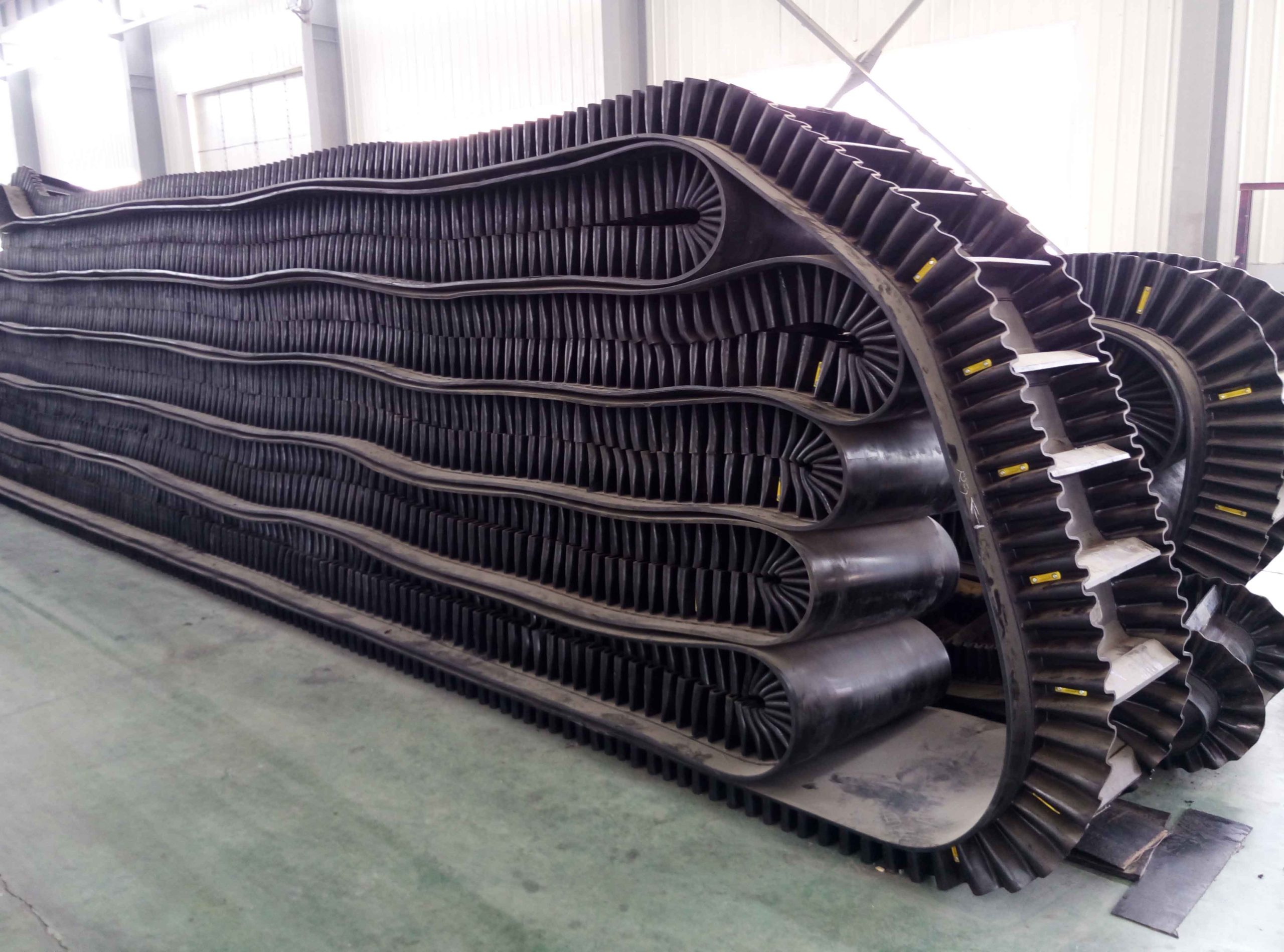
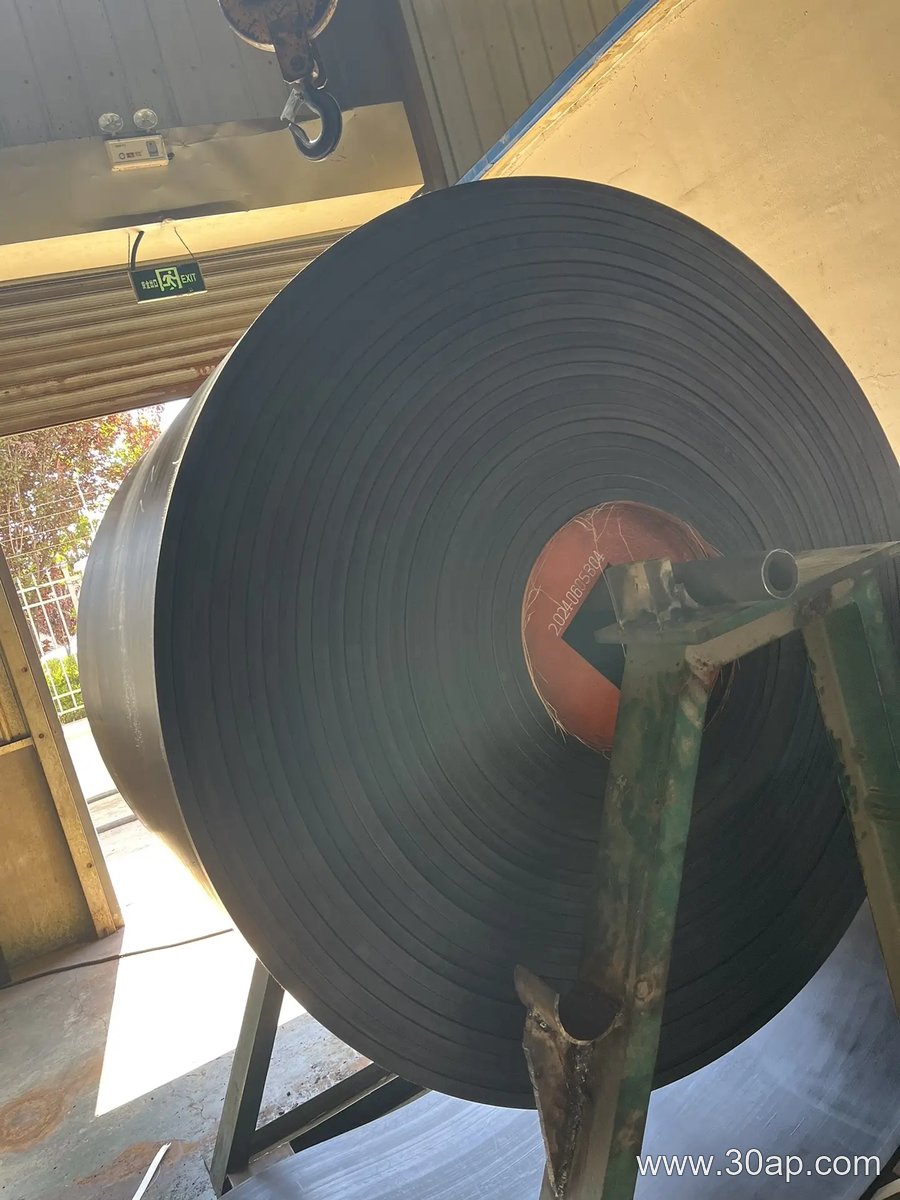
A thick conveyor belt is a heavy duty belt built with extra cover rubber and a strong carcass to handle abrasive, high impact, and high load conditions. When people ask for a thick belt, they usually mean a belt that will last longer in a demanding application, not just a belt with a larger number on the label. The thickness comes from two main parts: the carcass, which carries the tension, and the covers, which protect the carcass from wear, cutting, and heat. A typical heavy duty belt may have a top cover of 6 mm and a bottom cover of 2 mm, written as 6+2, while lighter versions might use 4+2 or 5+2. The right choice depends on the material being carried and the conveyor structure.
How a Thick Belt Is Built
The carcass is usually made of fabric plies or steel cords. An EP conveyor belt uses polyester and nylon fabric plies, which give good strength, low stretch, and resistance to moisture. The EP number, such as EP400 or EP630, shows the tensile strength per ply. Higher numbers mean more strength, but they also affect belt weight, pulley size, and splice design. A thick belt often uses multiple plies or a heavy single ply, combined with thick rubber covers. The covers are compounded for abrasion resistance, heat resistance, or cut resistance. For example, an iron ore conveyor belt needs a tough cover because iron ore is heavy, sharp, and abrasive. The belt may also have a breaker fabric or steel mesh inside to stop cuts from spreading. The edges are cut square or molded, and the belt is vulcanized under heat and pressure to bond the layers together.
Where Thick Belts Are Used
These belts appear in mines, quarries, cement plants, steel mills, ports, and power stations. They carry crushed stone, coal, clinker, sand, gravel, and ore. In primary crushing stations, an impact resistant conveyor belt is used under the crusher to absorb the force of falling rocks. That model is common in mining and quarry feed points where large lumps drop from a height. Other thick belts work on long overland conveyors, stackers, and ship loaders. The belt must match the conveyor pulley, idler roller, and conveyor bracket so that the system runs straight and wears evenly. A thick belt also needs a strong conveyor pulley with enough diameter to avoid excessive bending stress. Common pulley diameters include Ø500, Ø630, Ø800, and Ø1000, but the final choice depends on the belt tension and shaft load, not just the belt width. For instance, a B1200 belt might run on a Ø1000 pulley in one system and a different diameter in another, depending on the duty.
Key Parts That Work With a Thick Belt
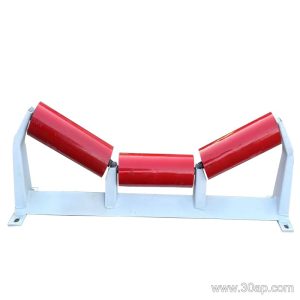
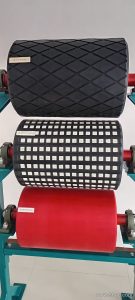
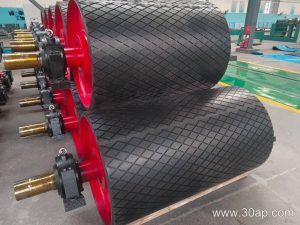
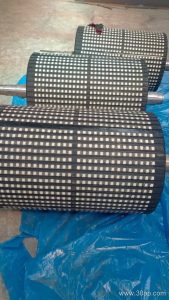
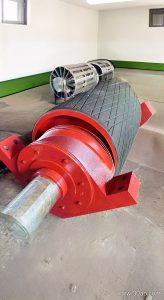
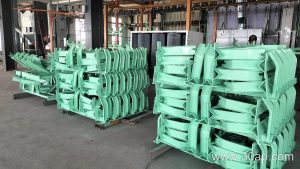
A conveyor belt is only one part of the system. The idler roller supports the belt and the load. For heavy belts, troughing idlers with a 35 degree or 45 degree trough angle are common. Return idlers support the empty belt on the way back. Impact idlers or buffer idlers go under loading points to absorb shock. A conveyor pulley drives or redirects the belt. Head pulleys, tail pulleys, take up pulleys, and bend pulleys all play a role. The pulley surface may be plain, rubber lagged, diamond lagged, or ceramic lagged. Lagging improves grip and reduces slip, especially in wet or dusty conditions. The conveyor bracket holds the idlers and keeps the structure aligned. Adjustable brackets help with field alignment. The belt width and the pulley face width are related but not locked together. A B800 belt often runs on a pulley with a face width around 950 mm, while a B1200 belt may use a pulley face around 1400 mm. These are common examples, not fixed rules.
Options a Buyer Should Consider
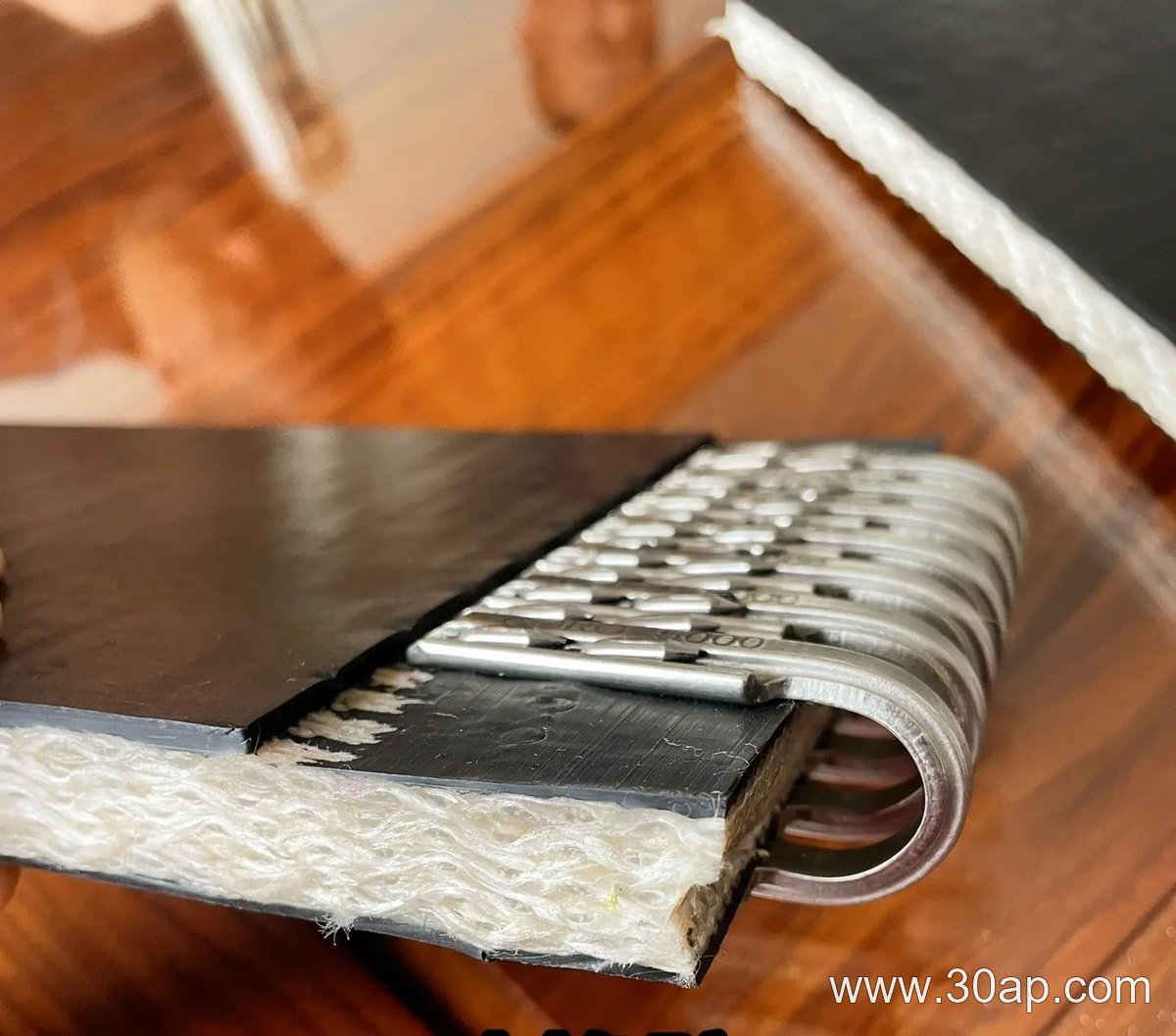
When selecting a thick belt, start with the material, lump size, drop height, and capacity. Then check the belt strength, cover thickness, and cover grade. Standard belt widths include 500, 650, 800, 1000, 1200, 1400, 1600, 1800, and 2000 mm. Strength grades range from EP200 up to EP1600 or higher. Cover thickness options include 3+1.5, 4+2, 5+2, 6+2, and 8+3 mm. A thicker cover lasts longer under abrasion, but it also adds weight and may require more power. The pulley diameter should be selected from the belt tension and the number of plies. Do not assume that one belt width always matches one pulley diameter. A B1000 belt may run on Ø630, Ø800, or Ø1000 depending on the design. The shaft diameter is determined by torque and bending load, not by belt width alone. For high tension systems, a larger shaft and heavier bearings are needed. Also consider the splice. A thick belt takes longer to splice and may need a vulcanized splice for full strength. Mechanical fasteners can work for some belts, but they may not suit high tension or high impact duties.
Installation and Maintenance Notes
Thick belts need careful handling. They are heavy, so use proper lifting equipment and do not drag them over sharp edges. Store them in a dry, shaded area. During installation, check that the conveyor pulley is square to the belt centerline. Align the idler roller and conveyor bracket so the belt trains correctly. Check the load zone for proper skirt rubber and impact bars. A poorly supported load zone can damage even a thick belt. During operation, inspect the belt for cuts, gouges, and cover wear. Check pulley lagging for wear and slipping. Lubricate bearings on the idlers and pulleys as needed. Keep the belt cleaner and return idlers free of buildup. If the belt tracks to one side, check the structure, the pulleys, and the loading point before adjusting the take up. A thick belt costs more than a light belt, but in the right application it reduces downtime and replacement frequency.
Choosing the Right Thick Belt
There is no single thick belt for every job. A belt that works in a coal yard may fail in a hot clinker line. A belt that handles sand may not survive iron ore. Review the belt type, carcass, cover, width, and strength together. Match the belt to the pulley, idler, and bracket. Use common sizes from the available range and confirm the design with the conveyor builder. If you are unsure, ask for a belt recommendation based on your material, capacity, and operating conditions. A well chosen thick belt will give better service life and more stable operation than a standard belt in a heavy duty application.