What a Heavy-Duty Mining Idler Does on a Conveyor
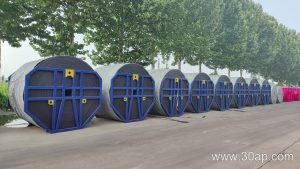
A heavy-duty mining idler is the load-bearing roller that supports a moving conveyor belt and the material riding on it. In hard-rock and bulk-handling duty, this idler roller is not a light accessory; it carries the belt, absorbs impact, and keeps the belt tracking in line. A standard idler may suit a light package line, but a mining idler is built with thicker wall tubing, heavier bearings, and stronger sealing to survive dust, grit, and constant load.
Because the belt runs continuously, idler performance affects belt life, drive power, and spillage. When a heavy-duty mining idler fails, the belt can sag, rub, or drift off center, and the whole conveyor suffers. That is why buyers in quarrying, iron ore, and coal preparation look closely at how the roller is constructed before placing an order.
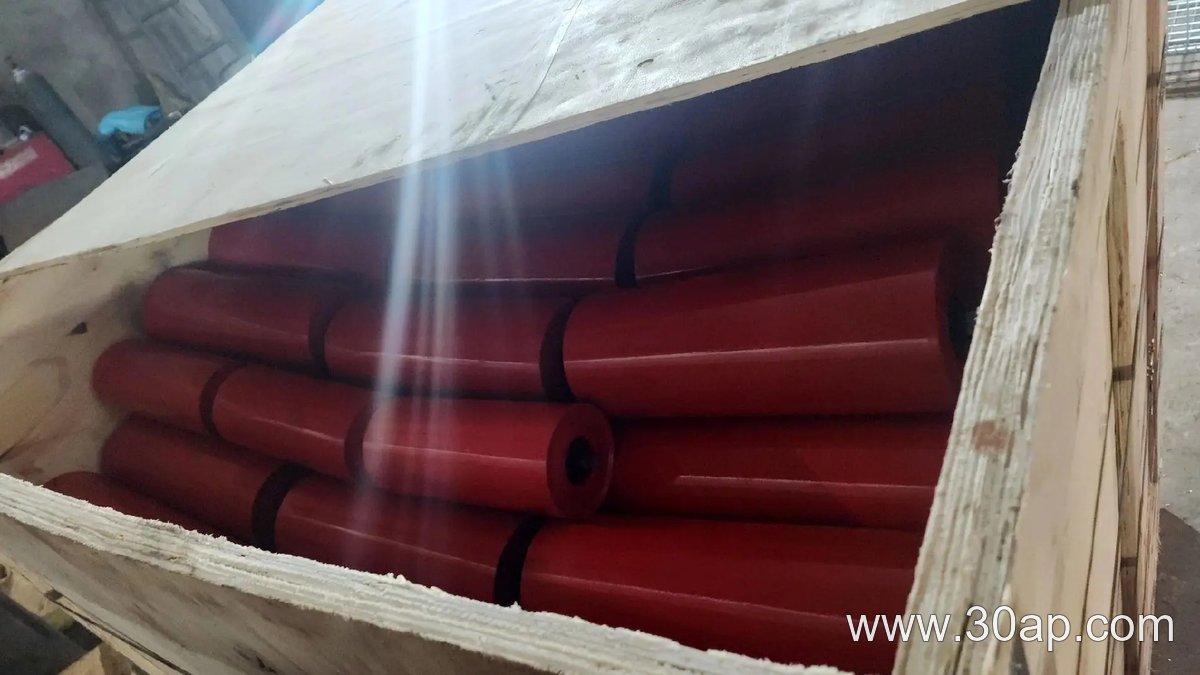
How the Roller Is Built
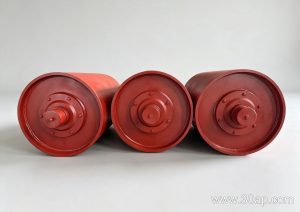
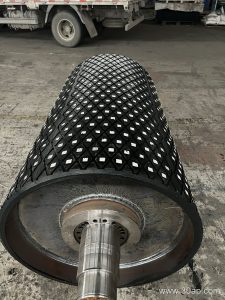
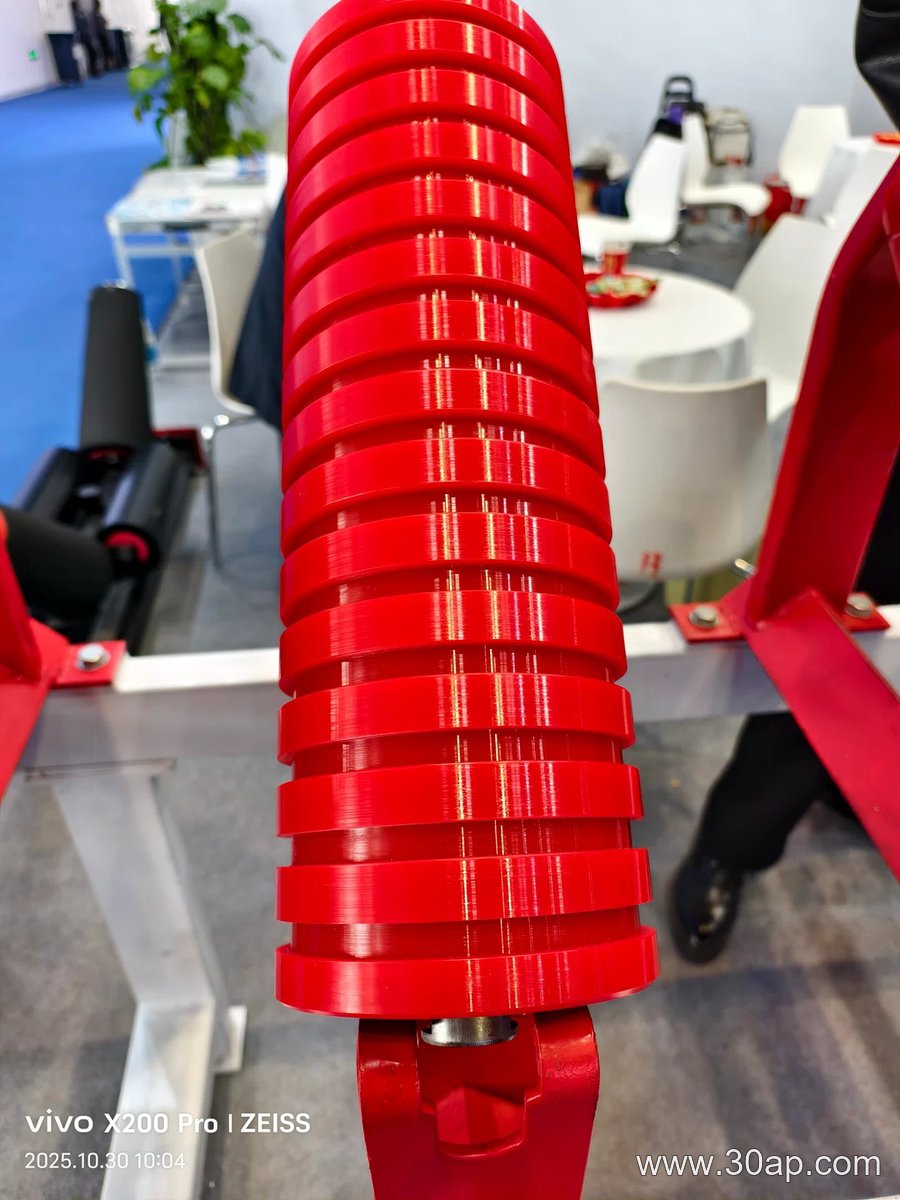
The main parts are the shell, the shaft, the bearing housing, and the seal. The shell is usually a steel tube, and heavier tube walls resist denting under falling rock. Surface forms vary: plain steel, nylon, ceramic, or rubber rings. Rubber-ring versions are common in buffer positions where lumps drop onto the belt, while plain steel suits normal carrying runs. The shaft is machined to fit the bracket, and the bearing sits inside a protected housing.
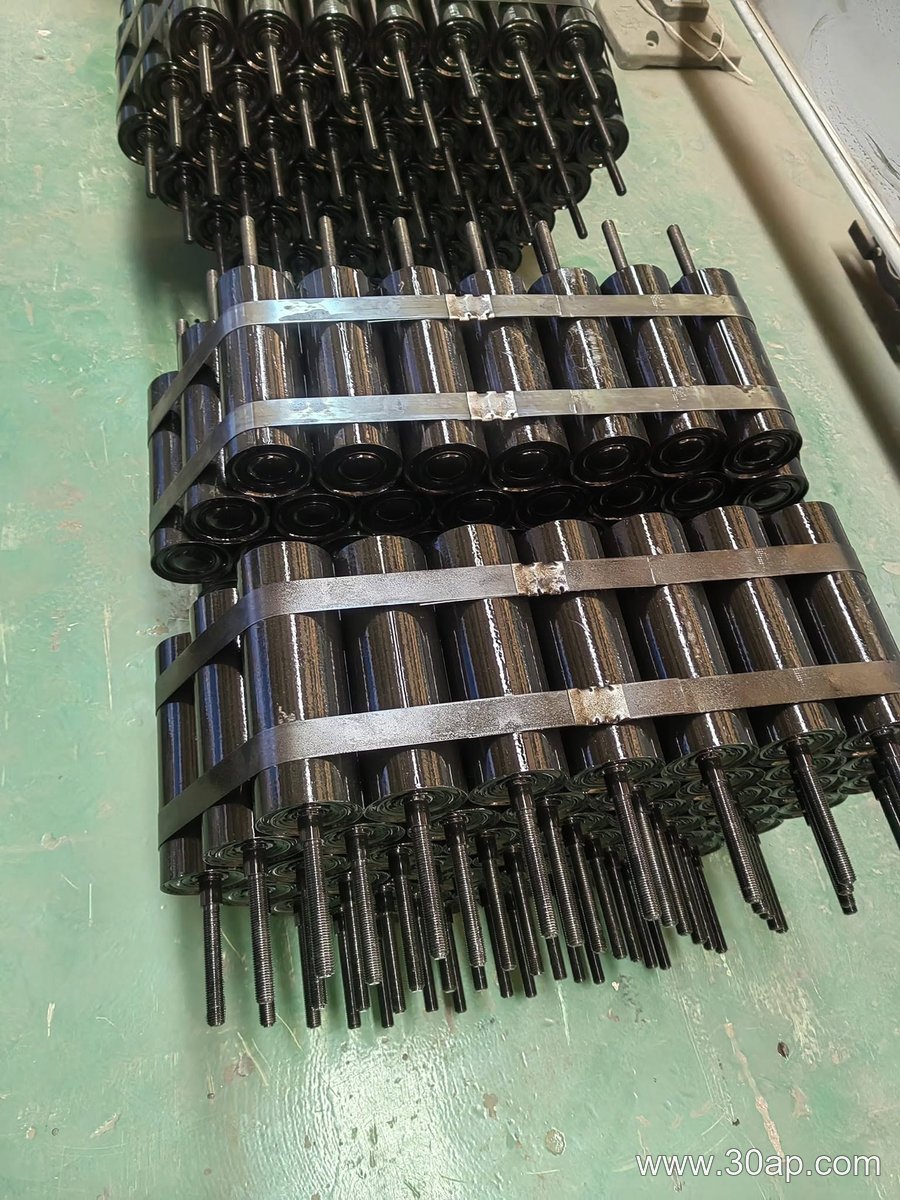
Common bearing sizes for this class of roller include 6204, 6205, 6305, 6306, 6308, and 6310. These are reference figures, not a rule that ties one bearing to one roller diameter. Sealing matters as much as bearing size in a mine, because fine dust enters through any gap. Labyrinth and contact seals are typical choices, and grease retention is part of the design intent.
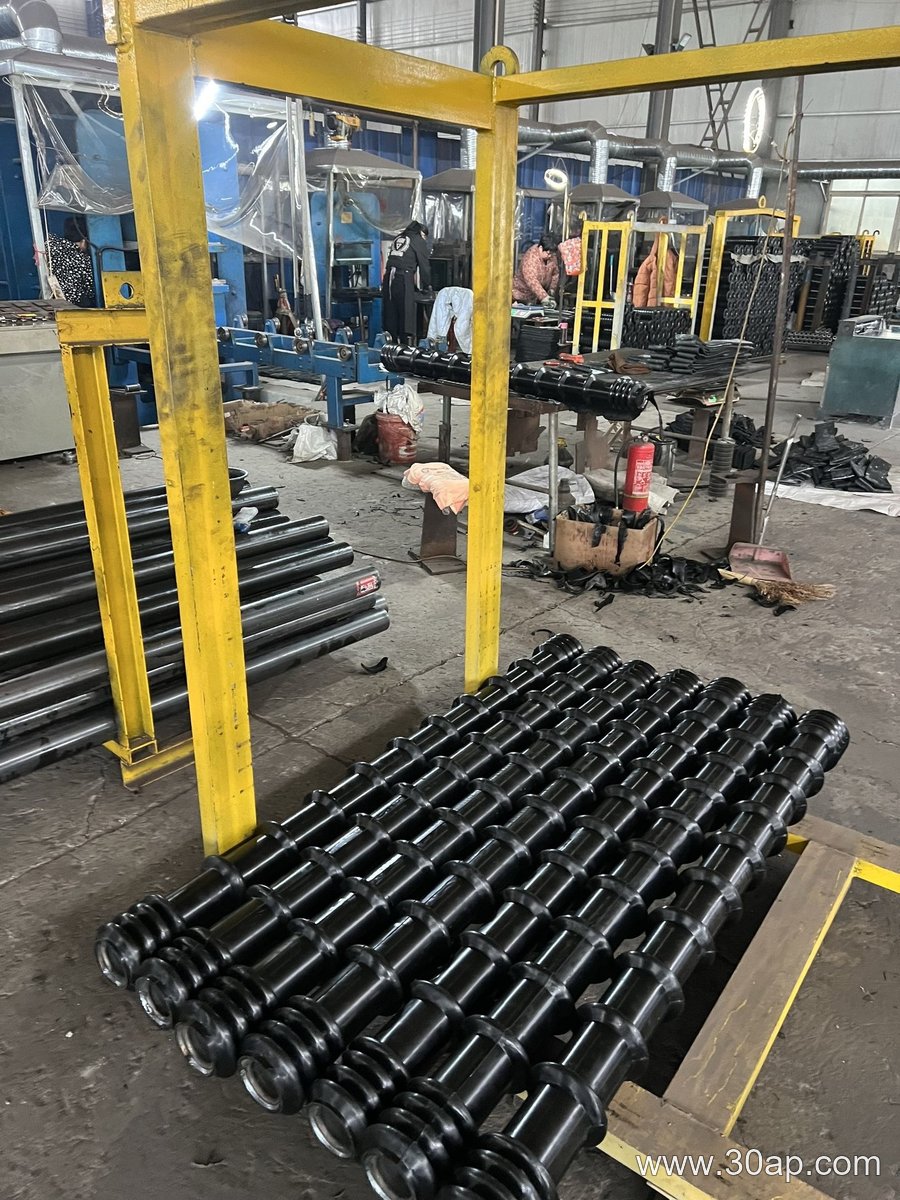
Where Heavy-Duty Mining Idlers Are Used
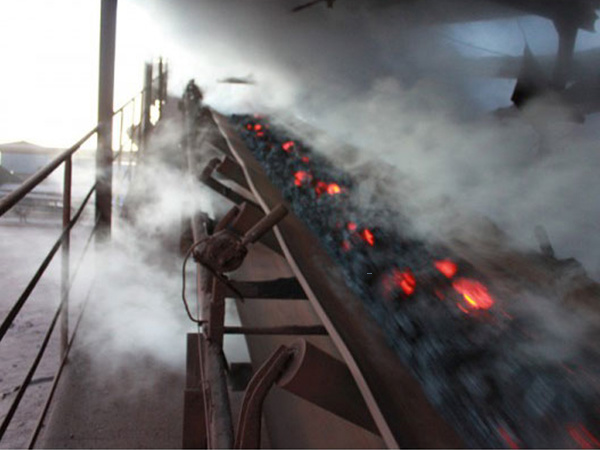
These rollers appear in primary crushing and screening circuits, where the belt receives coarse, sharp rock. They also work in coal preparation plants and in tunnel muck removal, where moisture and fines make the belt heavy. In each case the idler must handle the belt plus the load without excessive deflection.
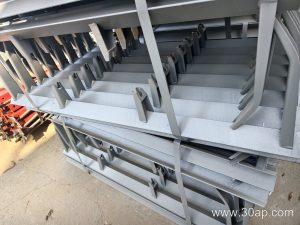
Different positions call for different forms. A three-roll troughing set with a 35-degree trough angle is common on the carrying side, while a flat return roller or a V-return roller supports the empty belt underneath. Transition idlers ease the belt from the flat pulley area into the trough. Self-aligning rollers, including friction and tapered types, help correct belt drift. A comb or spiral roller can shed sticky material. None of these replaces the main heavy-duty mining idler; they are companion designs for specific spots.
Roller Diameter, Belt Width, and Trough Angle
Selection starts with belt width and the load per meter. Roller diameter should grow with belt speed, lump size, and load, but there is no fixed rule that one belt width matches one diameter. A B1000 belt, for example, may run on several roller diameters depending on the application. The table below lists common reference values; actual choices come from the conveyor design.
| Item | Common reference values |
|---|---|
| Roller diameter | Ø63, Ø76, Ø89, Ø102, Ø108, Ø127, Ø133, Ø159, Ø178, Ø194, Ø219 mm |
| Belt width | B400, B500, B650, B800, B1000, B1200, B1400, B1600, B1800, B2000, B2200, B2400 |
| Trough angle | 20°, 30°, 35°, 45° |
| Idler set | single roll, two-roll, three-roll troughing |
| Roller surface | steel tube, nylon, ceramic, rubber ring |
Roller length changes with belt width, trough angle, and set form. In a three-roll troughing set, a B500 belt often uses a roll length near 200 mm, B650 near 250 mm, B800 near 315 mm, B1000 near 380 mm, B1200 near 465 mm, B1400 near 530 mm, B1600 near 600 mm, B1800 near 670 mm, and B2000 near 750 mm. These are examples only; side rolls and center rolls can differ, and the final figure is set by the conveyor designer. Forward tilt of about 1.5 to 2 degrees is sometimes used on troughing rolls to help center the belt.
What a Buyer Should Check
- Confirm the belt width, trough angle, and roller length required for the set position.
- Match the roller diameter to belt speed and lump size, not to a single catalog number.
- Ask how the bearing and seal are protected against dust and water.
- Check that the shaft and conveyor bracket fit the existing frame.
- For impact zones, consider rubber-ring buffer rollers; for return runs, consider flat or V-return types.
A heavy-duty mining idler is a wear part, so maintenance planning matters. Keep spare rollers on hand for the carrying side, inspect for seized bearings and worn shells, and replace damaged units before they cut the conveyor belt. The right roller, matched to the duty and the frame, keeps the belt running straight and the material moving.