What a Belt Conveyor Bracket Does
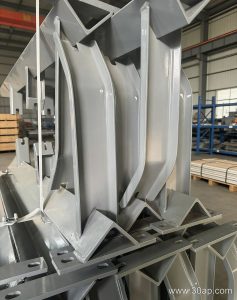
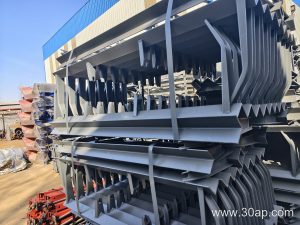
A belt conveyor bracket is the structural support that holds idler rollers in the correct position along a conveyor. It is often called a conveyor bracket or idler support bracket. The bracket keeps the carrying and return sides of the conveyor belt at the right height, angle, and alignment. In a quarry, cement plant, or coal handling system, these brackets are the quiet workhorses that determine how well the belt tracks and how long the rollers last.
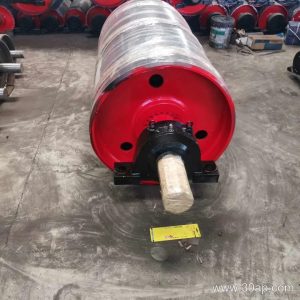
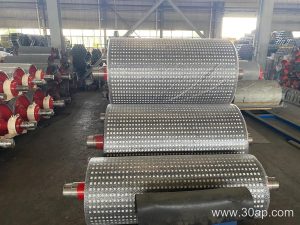
A bracket is not a drive pulley, tail pulley, or bend pulley. Those pulleys transmit power or change belt direction. The bracket only supports idlers. That distinction matters when ordering replacement parts, because a drive pulley and a bracket are not interchangeable.
Common Types and Where They Fit
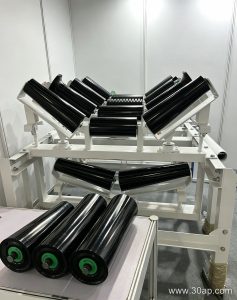
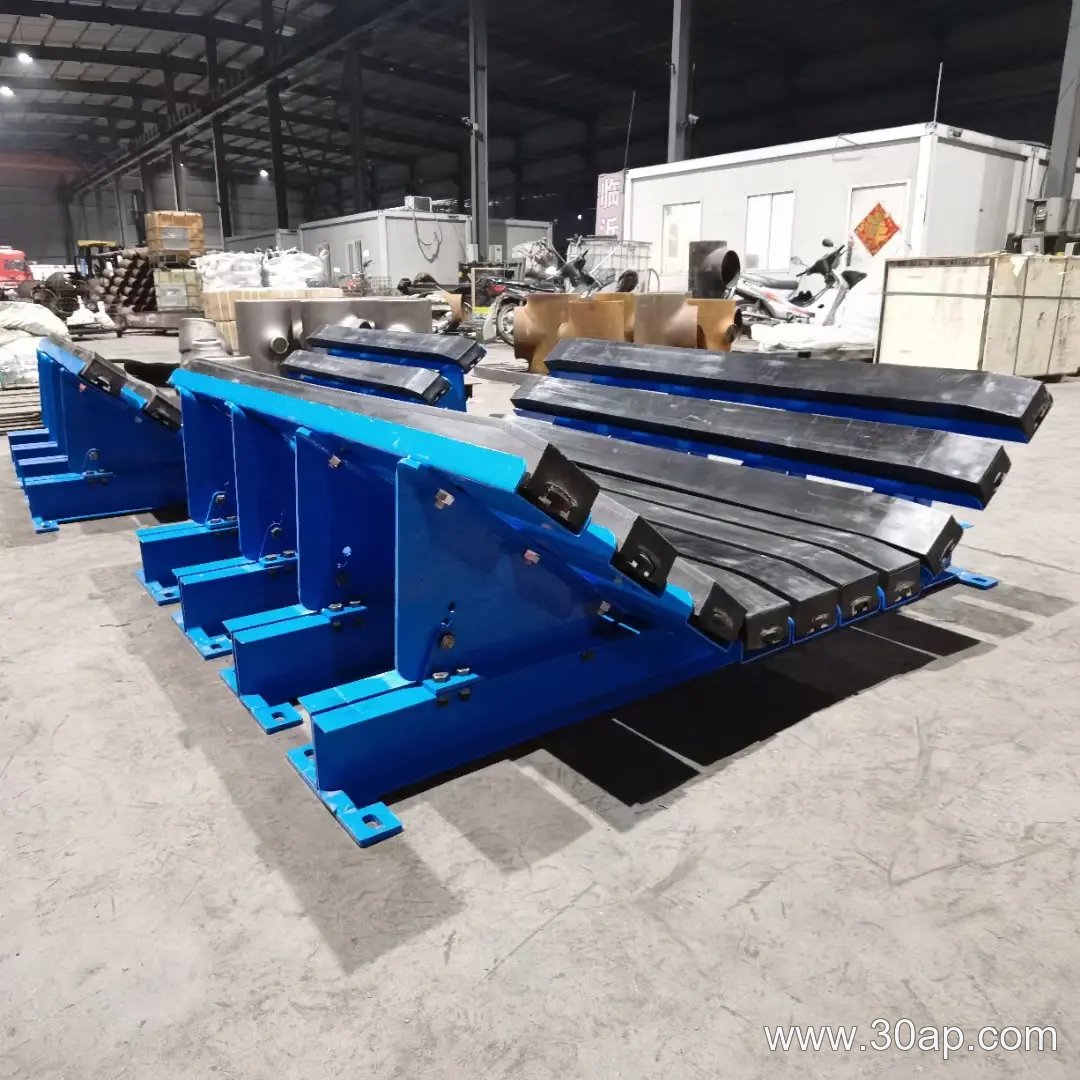
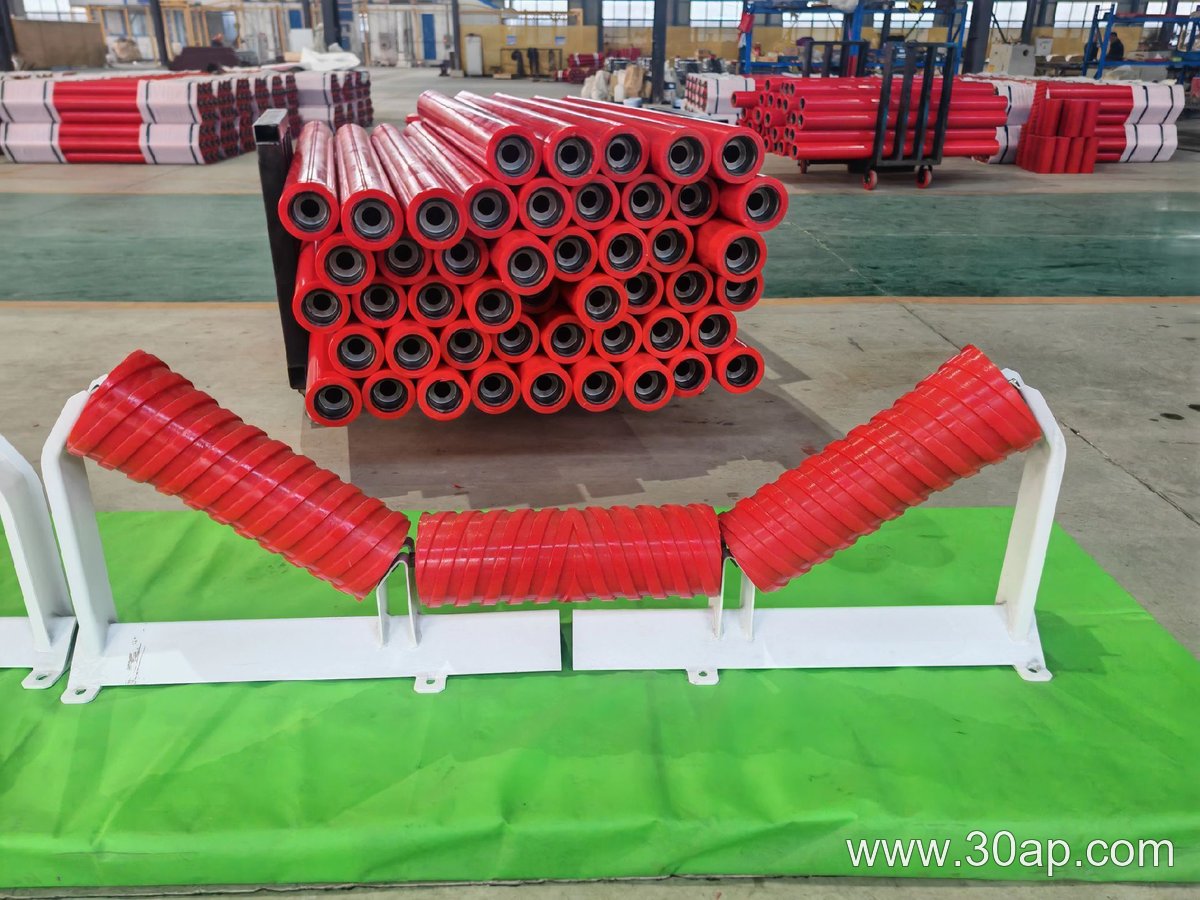
Different positions on a conveyor call for different bracket designs. A troughing bracket supports three idlers to form a trough for the carrying belt. A return bracket supports the belt on the return run, often with a flat or V-shaped roller arrangement. A transition bracket sits near a pulley, where the belt changes from troughed to flat. An impact bracket uses cushioning rollers under the loading zone. An adjustable bracket allows the trough angle to be changed on site.
- Troughing bracket – carrying side, three-roller arrangement
- Return bracket – return side, flat or V-shaped support
- Transition bracket – near pulleys, gradual belt shaping
- Impact bracket – under loading chute, shock absorption
- Adjustable bracket – field-adjustable trough angle
Self-aligning and forward-tilt brackets are also used to correct belt tracking. A forward-tilt bracket usually sets the side rollers at about 1.5 to 2 degrees ahead of the belt direction. This small angle helps the belt stay centered without extra equipment.
Materials and Construction
Most brackets are made from angle steel, channel steel, or folded steel plate. The frame is welded or bolted, then drilled with mounting holes for the idler shafts. Common roller diameters include Ø89, Ø108, Ø133, Ø159, and Ø194. Belt widths range from B500 up to B2000 or more. Trough angles are commonly 20, 30, 35, or 45 degrees. An adjustable bracket can be set to different angles within that range.
Mounting hole spacing and beam length change with belt width and trough angle. They are not fixed numbers. A B800 bracket and a B1200 bracket will have different dimensions even if they look similar. Buyers should always confirm the hole pattern and beam length against the actual conveyor drawing.
Typical Parameters
The table below shows common reference values. These are not universal specifications, and a single belt width can work with more than one trough angle or roller diameter.
| Item | Common Reference Values |
|---|---|
| Belt width | B500, B650, B800, B1000, B1200, B1400, B1600, B1800, B2000 |
| Trough angle | 20°, 30°, 35°, 45° |
| Roller diameter | Ø89, Ø108, Ø133, Ø159, Ø194 |
| Material | Angle steel, channel steel, folded steel plate |
| Adjustability | Fixed or adjustable trough angle |
For example, a B800 conveyor might use a 35-degree troughing bracket with Ø108 rollers. A B1200 system could use a 45-degree bracket with Ø133 rollers. A B650 line may run a 30-degree bracket with Ø89 rollers. These are combinations, not rules.
Where These Brackets Are Used
Belt conveyor brackets appear in many bulk handling industries. In a coal mine or power plant coal yard, they support the belt that feeds crushers and bunkers. In a cement plant, they carry clinker and raw meal. In a sand and gravel line, they handle abrasive aggregate. In a port or steel mill, they keep the conveyor belt stable under heavy loads. The same bracket design can also appear in fertilizer plants, grain silos, and tunnel muck removal.
In all these places, the bracket works together with the conveyor belt, idler roller, and conveyor pulley. A worn bracket can cause the belt to misalign, which increases edge wear and roller damage. A properly selected bracket keeps the belt running true and extends the life of the rollers.
What a Buyer Should Check
Before ordering a belt conveyor bracket, confirm the belt width, trough angle, roller diameter, and mounting hole spacing. Check whether the bracket is for the carrying side or return side. Confirm the material and finish if the conveyor runs outdoors or in a corrosive environment. Ask whether an adjustable bracket is needed for future angle changes.
- Belt width and trough angle
- Roller diameter and shaft size
- Carrying or return position
- Fixed or adjustable design
- Mounting hole pattern and beam length
A bracket is a small part of a conveyor system, but it affects tracking, belt life, and maintenance costs. Choosing the right one starts with the actual conveyor layout, not a generic catalog number.