Why the Conveyor Pulley Is the System’s Core Component
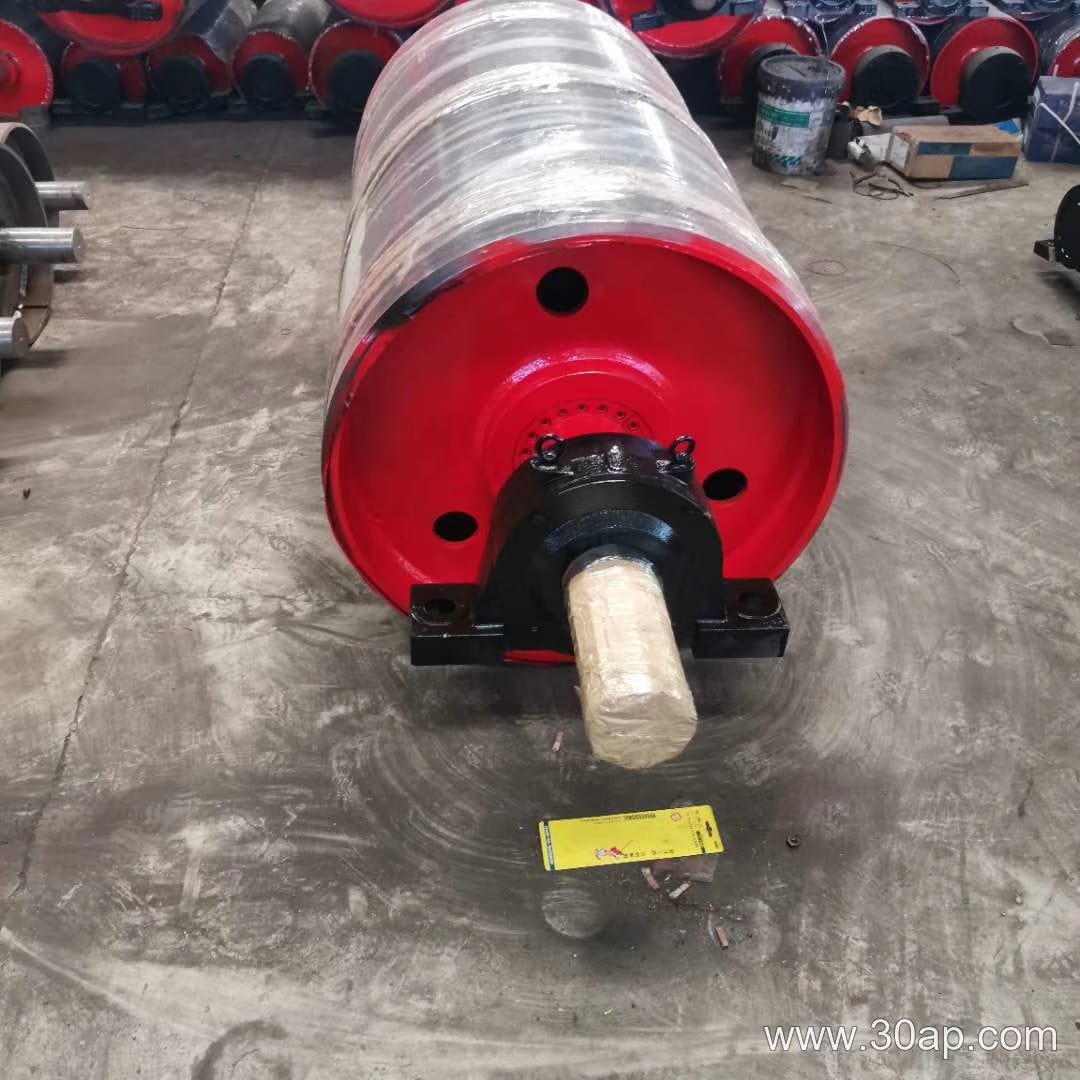
The conveyor pulley transmits driving force and controls belt tension. Choosing the wrong unit causes slippage, misalignment, or premature belt wear. Start by defining your application’s duty cycle, belt speed, and shaft load.
Key Types and Their Roles
- Drive pulley: connects to the motor and gearbox; requires lagging for grip.
- Take-up pulley: maintains tension; choose a screw or gravity type based on space.
- Bend and snub pulleys: alter belt path and increase wrap angle.
Material and Construction Decisions
Steel is standard for heavy loads; stainless resists corrosion in washdown or chemical plants. Check the shaft diameter and bearing housing for radial load ratings. For abrasive materials, specify ceramic or rubber lagging to extend pulley life.
Purchasing and Inspection Advice
- Request the full engineering drawing with crown profile and weld specs.
- Verify dynamic balancing if operating above 5 m/s.
- Inspect for weld cracks and measure runout upon delivery (max 0.5 mm).
- Always stock a spare pulley for critical conveyors to minimize downtime.
Finally, match the pulley diameter to your belt’s minimum bend radius. A 5% larger diameter reduces belt fatigue—cheap insurance for a long service life.
Conveyor Bracket Fundamentals
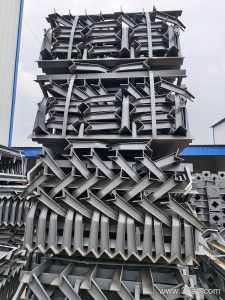
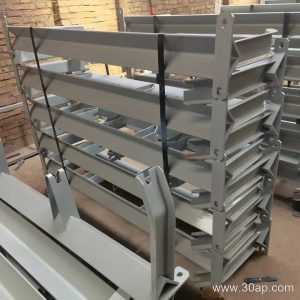
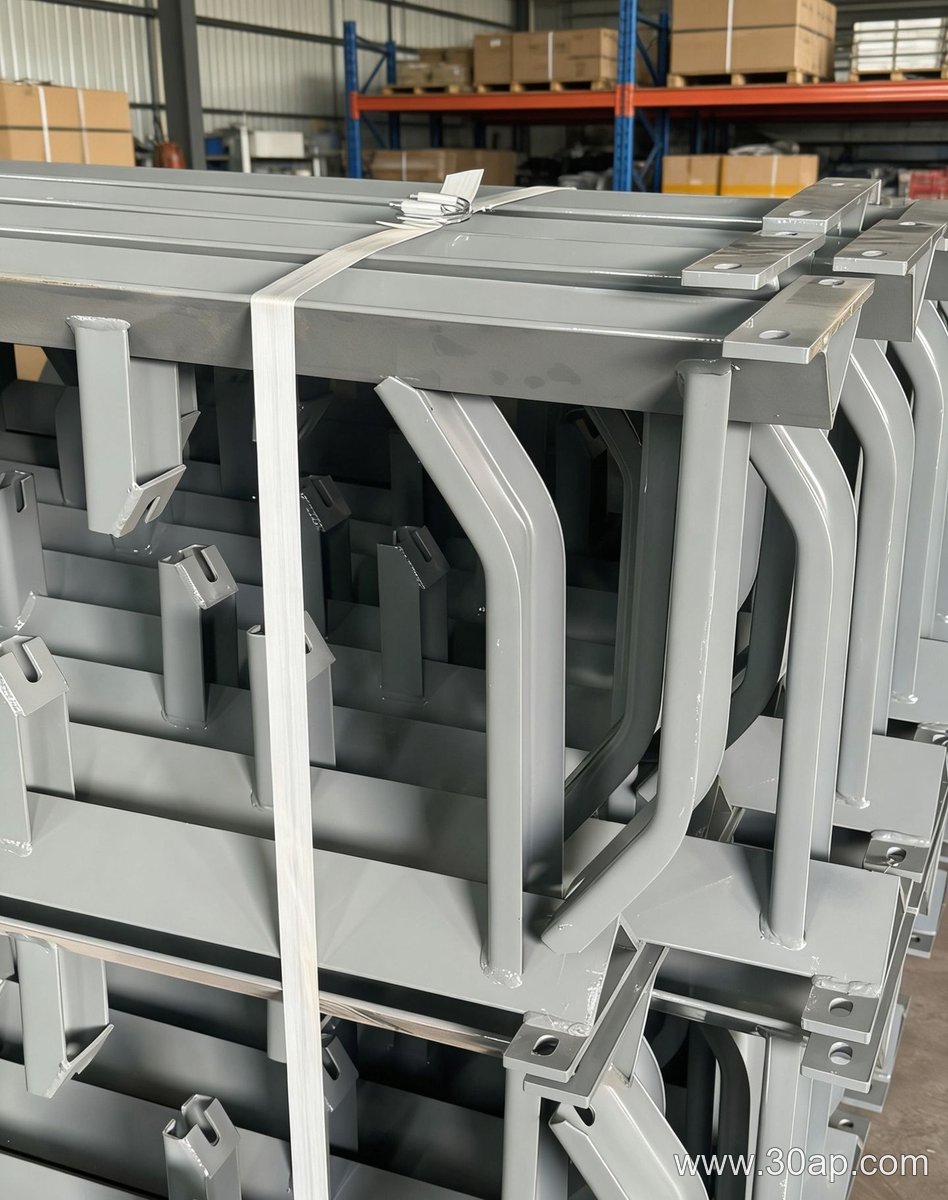
A conveyor bracket is the structural link that secures rollers, idlers, or drives to the frame. Without a correctly matched bracket, belt tracking fails and downtime increases.
Key Selection Criteria
- Load rating: Match static and dynamic loads, including impact at transfer points.
- Material compatibility: Use galvanized steel for corrosive or outdoor environments; stainless for food or chemical lines.
- Adjustability: Opt for slotted or angled brackets to fine-tune roller alignment on site.
Purchasing Advice
Measure the frame profile and bolt spacing before ordering. Specify the exact roller shaft diameter and center distance. For high-speed conveyors, choose brackets with vibration-damping inserts. Always request a sample for a trial fit.
Finally, verify that the bracket’s finish meets your workplace safety and abrasion standards. A robust conveyor bracket reduces maintenance cost and extends belt life.
Conveyor Belt Fundamentals for Industrial Buyers
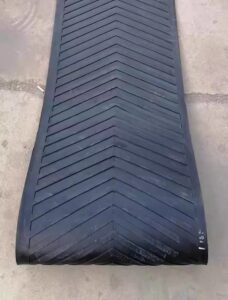
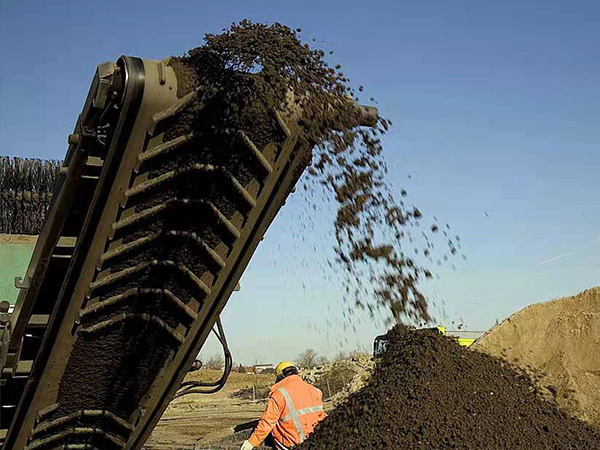
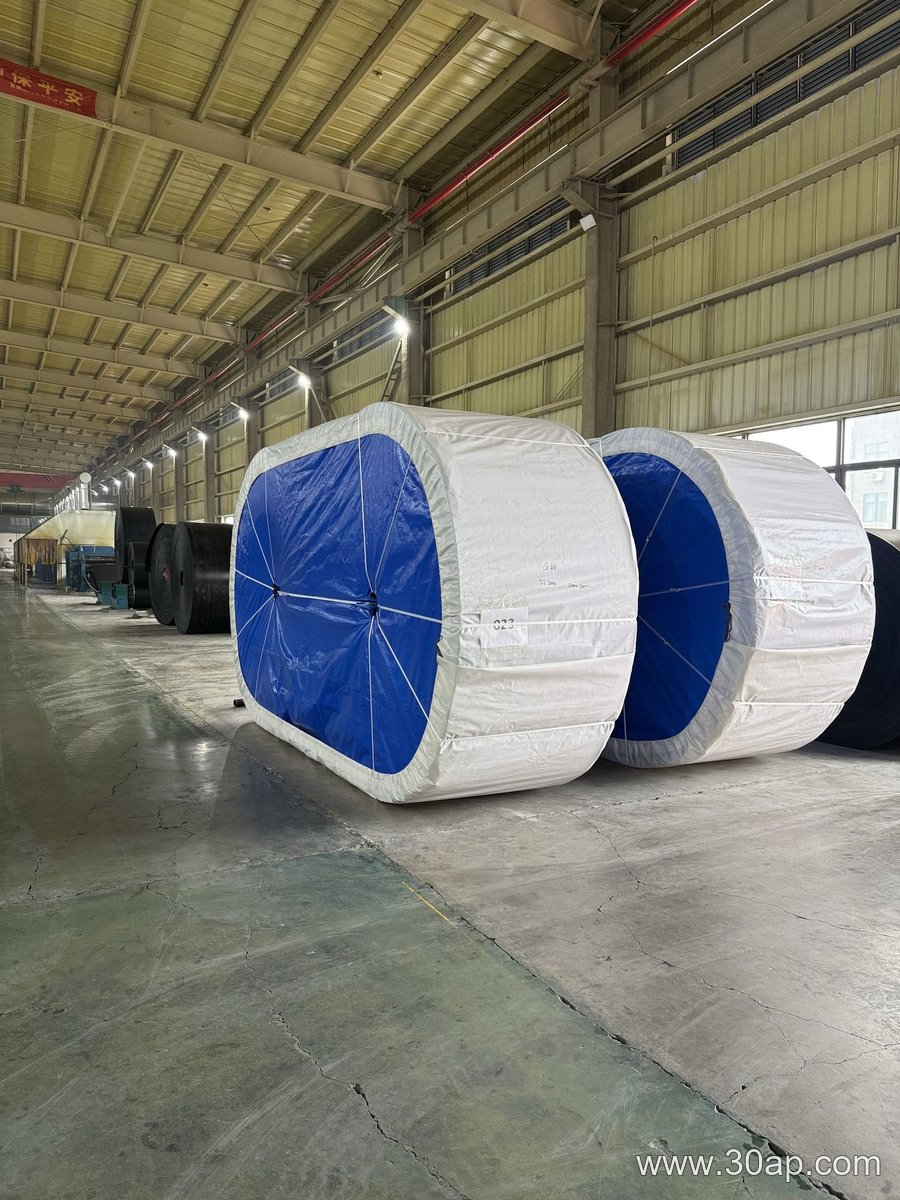
A conveyor belt is the backbone of bulk material handling, directly impacting throughput, safety, and maintenance costs. Choosing the wrong belt leads to unscheduled downtime and premature wear.
Key Performance Factors
- Assess tensile strength against load weight and start/stop torque.
- Match cover thickness to material abrasiveness (e.g., rock vs. grain).
- Verify temperature range for hot or cold environments.
Selection & Purchasing Advice
Request belt samples and test flex fatigue under your actual load. Confirm splice type (mechanical vs. vulcanized) with your installer. Specify impact-resistant carcass for loading zones.
For long-distance runs, calculate belt sag and idler spacing. Always buy from a supplier offering belt tracking assistance and on-site splicing warranty. Compare total cost of ownership, not just price per meter.
Idler Roller: The Backbone of Reliable Belt Conveyors
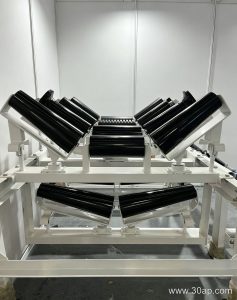
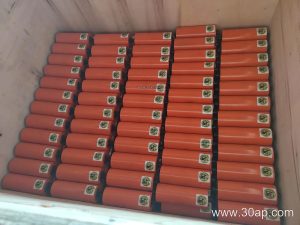
The idler roller, though often overlooked, is the critical component that shapes the belt trough, supports material weight, and minimizes friction. Choosing a substandard idler leads to belt misalignment, premature wear, and costly downtime.
Key Selection Criteria
- Load rating: Match the roller’s dynamic capacity to your peak tonnage, not just average flow.
- Belt speed: Higher speeds require precision-balanced rollers (ISO 1940 G6.3 or better) to avoid vibration.
- Sealing system: For dusty or wet environments, opt for labyrinth + contact seals—they exclude contaminants while allowing grease purge.
Purchasing Advice
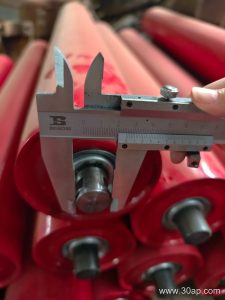
Always verify shell thickness (3–6 mm for standard duty, 8–10 mm for heavy impact zones) and bearing type—spherical roller bearings excel under shock loads, while tapered units suit high radial forces. Request a run-out test report (TIR ≤ 0.7 mm) and insist on a minimum 30,000-hour L10 bearing life.
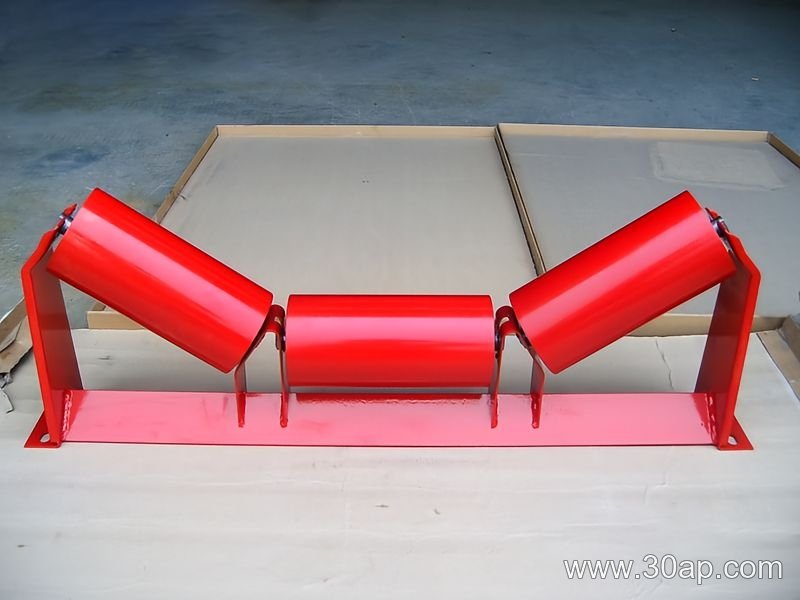
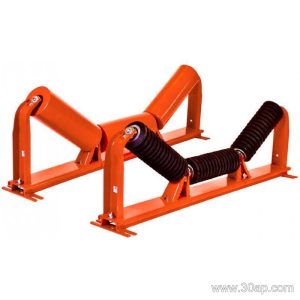
Finally, confirm that the idler roller’s frame base matches your existing trough angle (20°, 35°, or 45°) and that the roll diameter aligns with your belt width and transition distances. A quick life-cycle cost analysis—comparing initial price vs. replacement frequency—will guide you toward a robust, service-friendly roller that keeps your line moving.