Which standard applies to a conveyor bracket in a quarry?
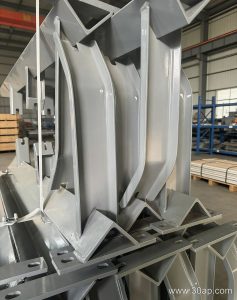
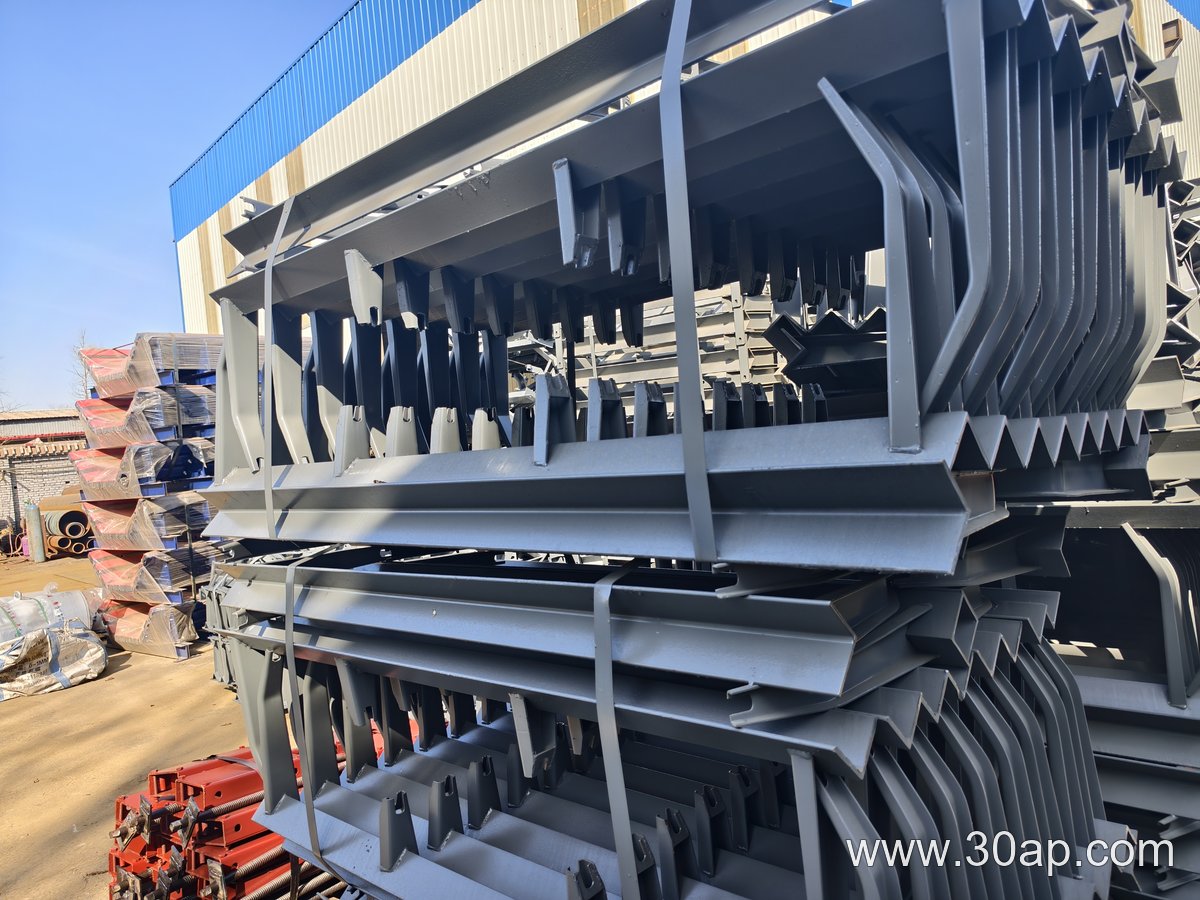
There is no single “conveyor bracket standard.” A conveyor bracket is usually treated as a structural component, so its design is governed by the same families of standards used for the conveyor structure itself.
Standards that commonly matter
- CEMA publishes belt conveyor design recommendations that address idler support structures and bracket loading.
- ISO 5048 and ISO 1537 cover belt conveyor calculation, not bracket certification.
- DIN 22101 provides calculation bases for belt conveyors, including support spacing.
What the standard does not do
No standard certifies a specific conveyor bracket. Instead, the bracket must be checked against the project’s structural and corrosion requirements. In a dusty quarry, the bracket also faces abrasion and bolt loosening, which standards alone do not solve.
Always confirm the applicable edition with the project engineer.
Reading a 1600mm Conveyor Belt Specification at a Bulk Port Terminal
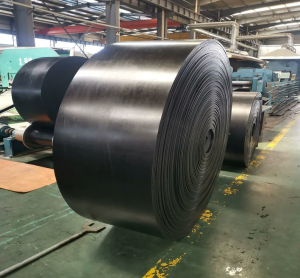
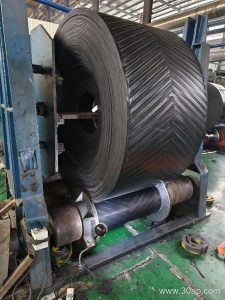
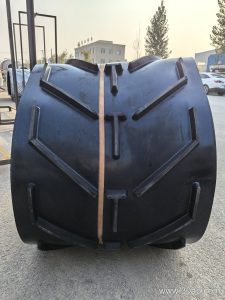
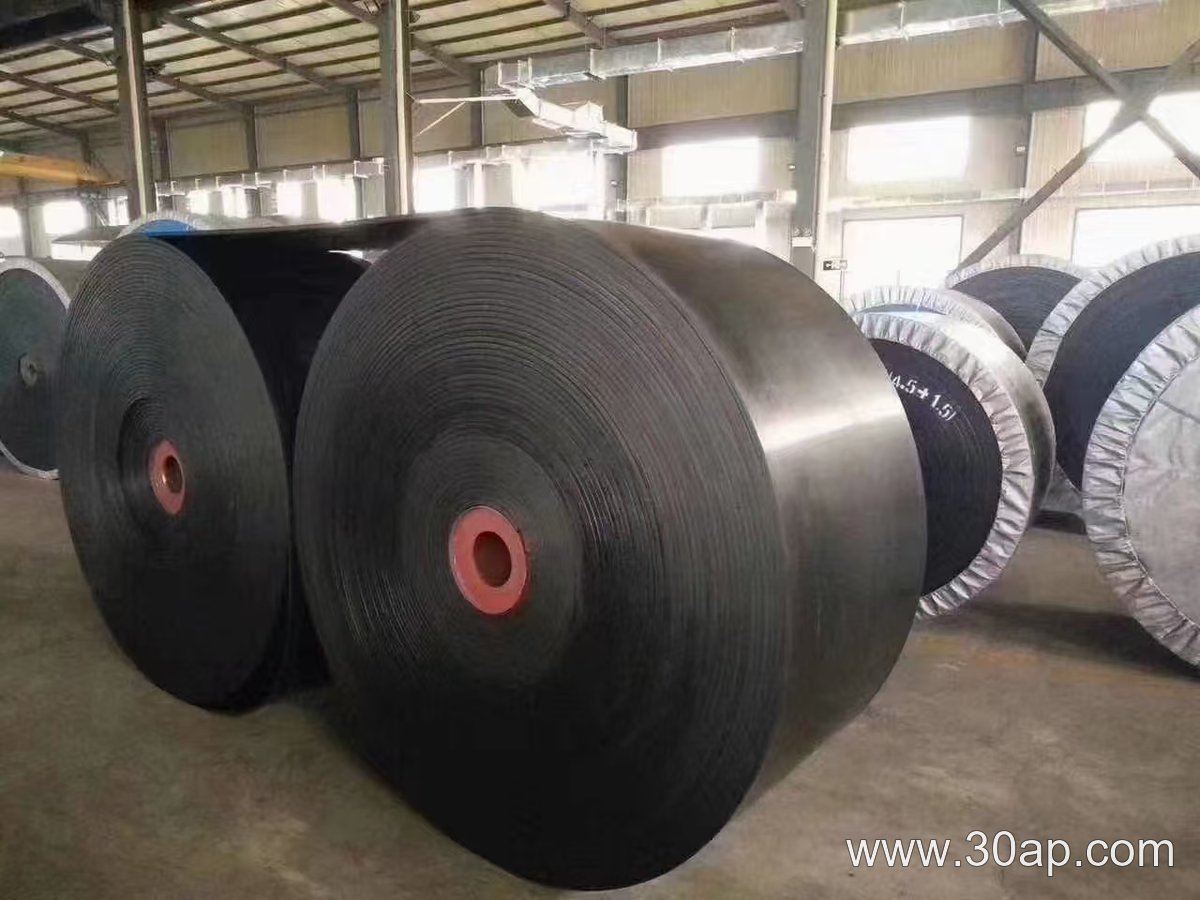
At a bulk port terminal, a 1600mm conveyor belt specification is read field by field, unit by unit. Width, tension, ply or steel-cord class, cover grade and pulley diameter each answer a different question.
Which Fields Matter Most
- Belt width and edge condition, matched to lump size and loading.
- Nominal tensile strength, in N/mm, read against the calculated operating tension.
- Cover grade and thickness, read against abrasion and impact.
- Minimum pulley diameter, read against the belt construction.
Never mix units or assume a rating applies without checking the underlying duty.
What kills an idler roller in cement kiln dust
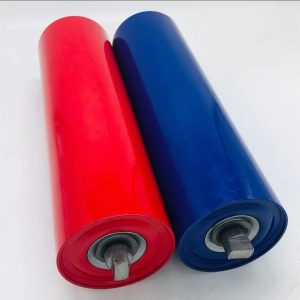
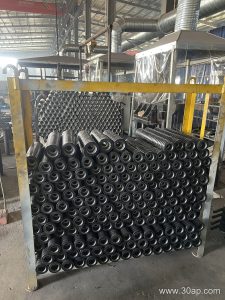
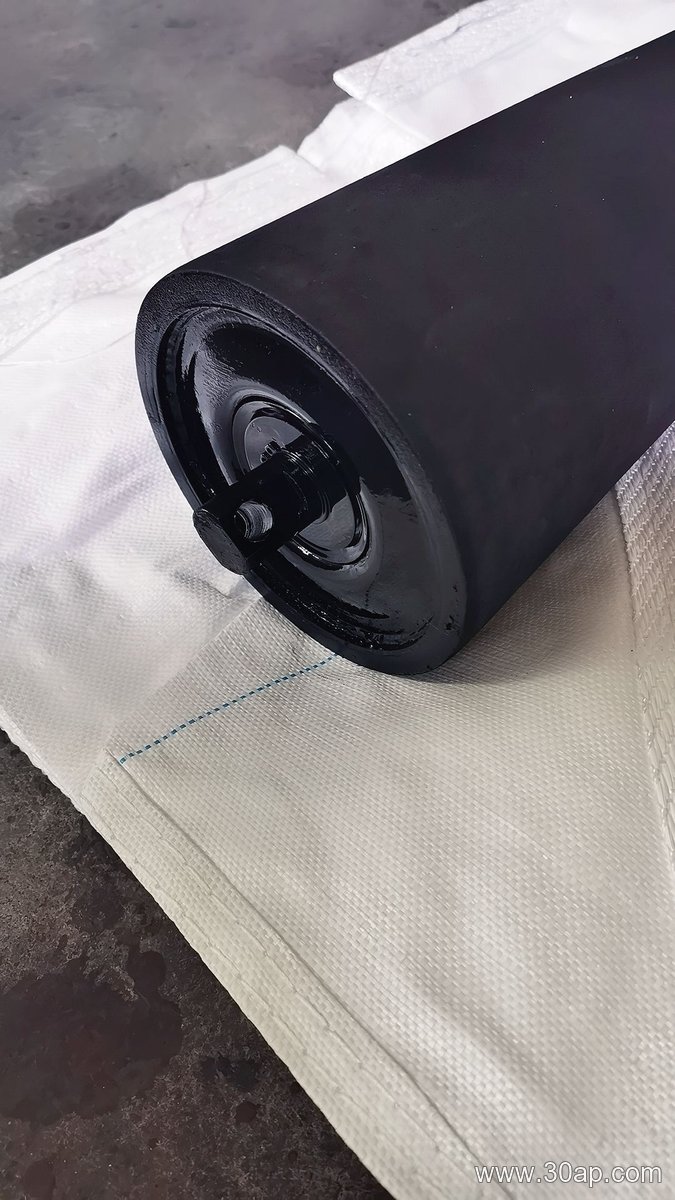
In a cement plant, an idler roller on a raw-mill or clinker transfer conveyor faces fine, abrasive dust that works past seals and grinds bearings. The failure is rarely sudden; the roller slows, runs hot, then seizes and wears the belt cover.
How the idler roller integrates into a sealing solution
The practical fix is a labyrinth or contact seal arrangement on the idler roller combined with a dust-tolerant bearing cavity. This keeps abrasive particles out while allowing the shell to rotate freely under load.
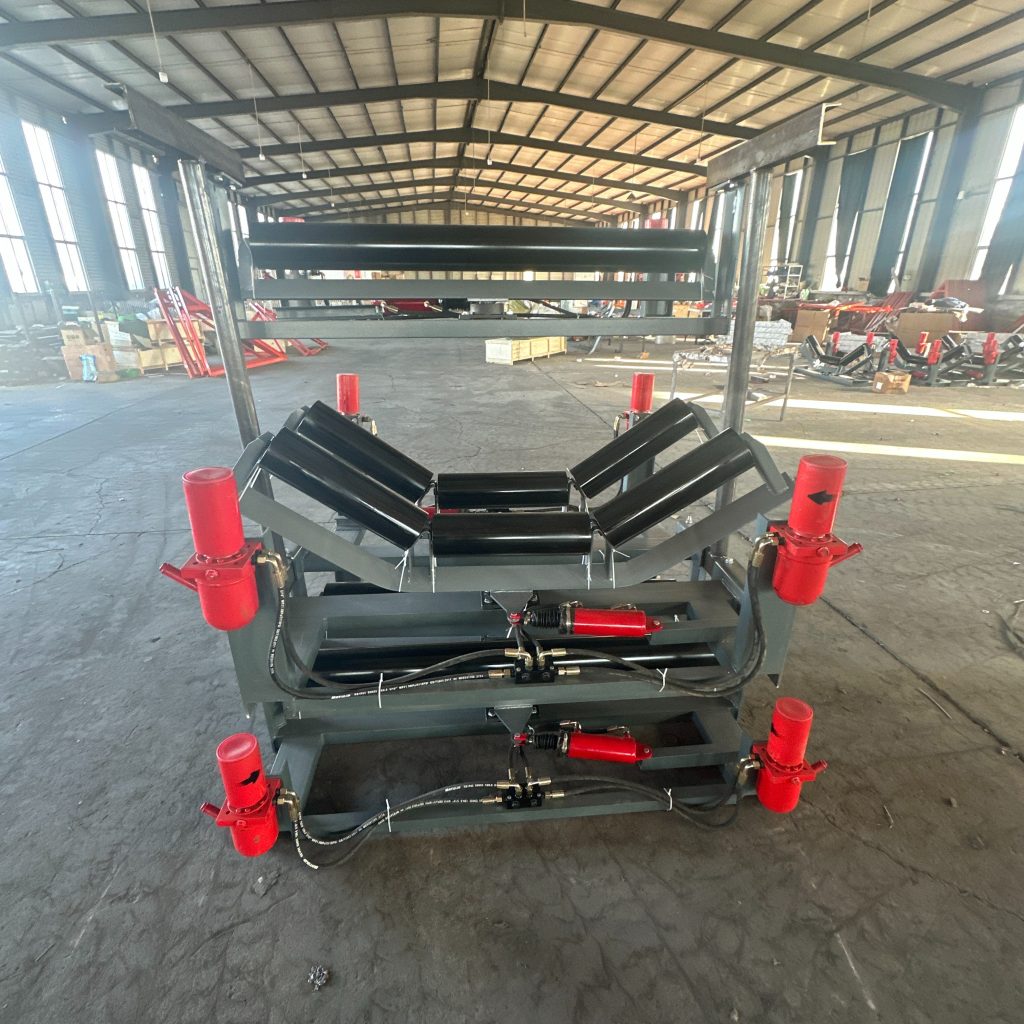
- Specify sealed-for-life or regreasable idler roller bearings suited to dusty duty.
- Choose a shell material and thickness that resist abrasion without adding excessive weight.
- Match the idler roller diameter to belt width and speed so dust does not pack at the seal lip.
In this illustrative context, a plant that inspects idler rollers monthly and replaces seal-damaged units early avoids belt tracking drift and unplanned stops.
Is the Shaft Really the Weak Point
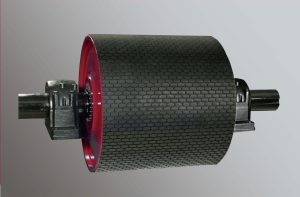
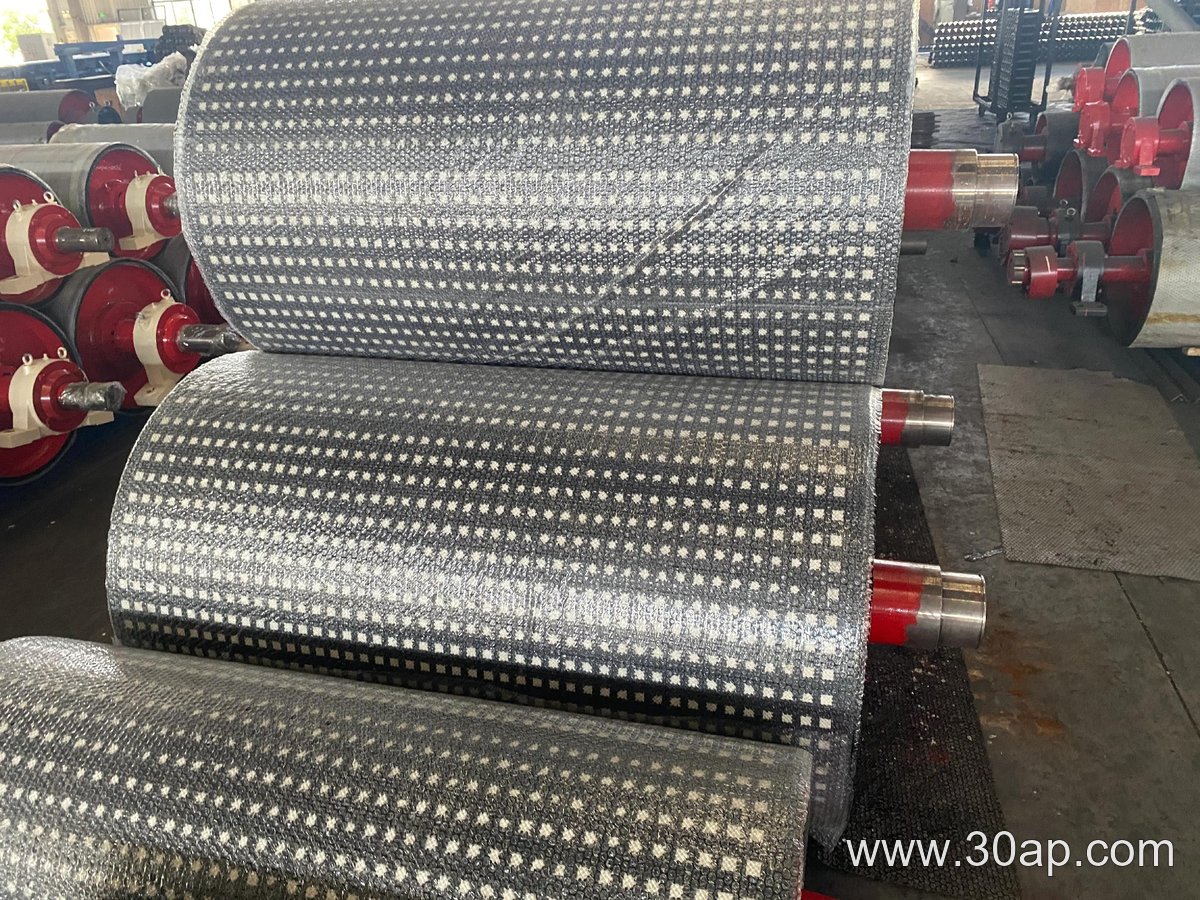
A conveyor pulley shaft failure often looks sudden, but the crack usually starts at a stress riser. At a bulk port terminal, shock loading from ore drops and repeated starts under load can expose a shaft that was marginal from the beginning.
Three Causes That Look the Same
- Misalignment between the pulley and the gearbox creates bending stress that a correctly sized shaft should not see.
- An undersized shaft for the actual belt tension and starting torque fatigues over months.
- A poor keyway or weld detail concentrates stress at the hub, so the fracture begins there rather than mid-span.
Check alignment first, then review the duty cycle, and only then inspect the shaft detail. A conveyor pulley that fails at the hub rarely needs a larger diameter; it needs a better transition.