Conveyor Pulley Selection and Purchasing Guide
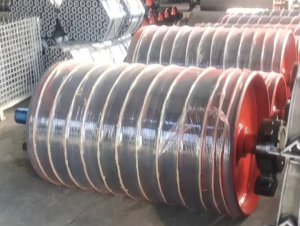
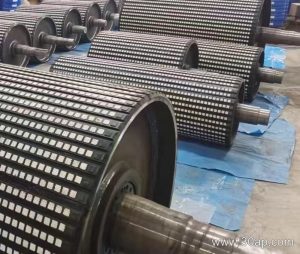
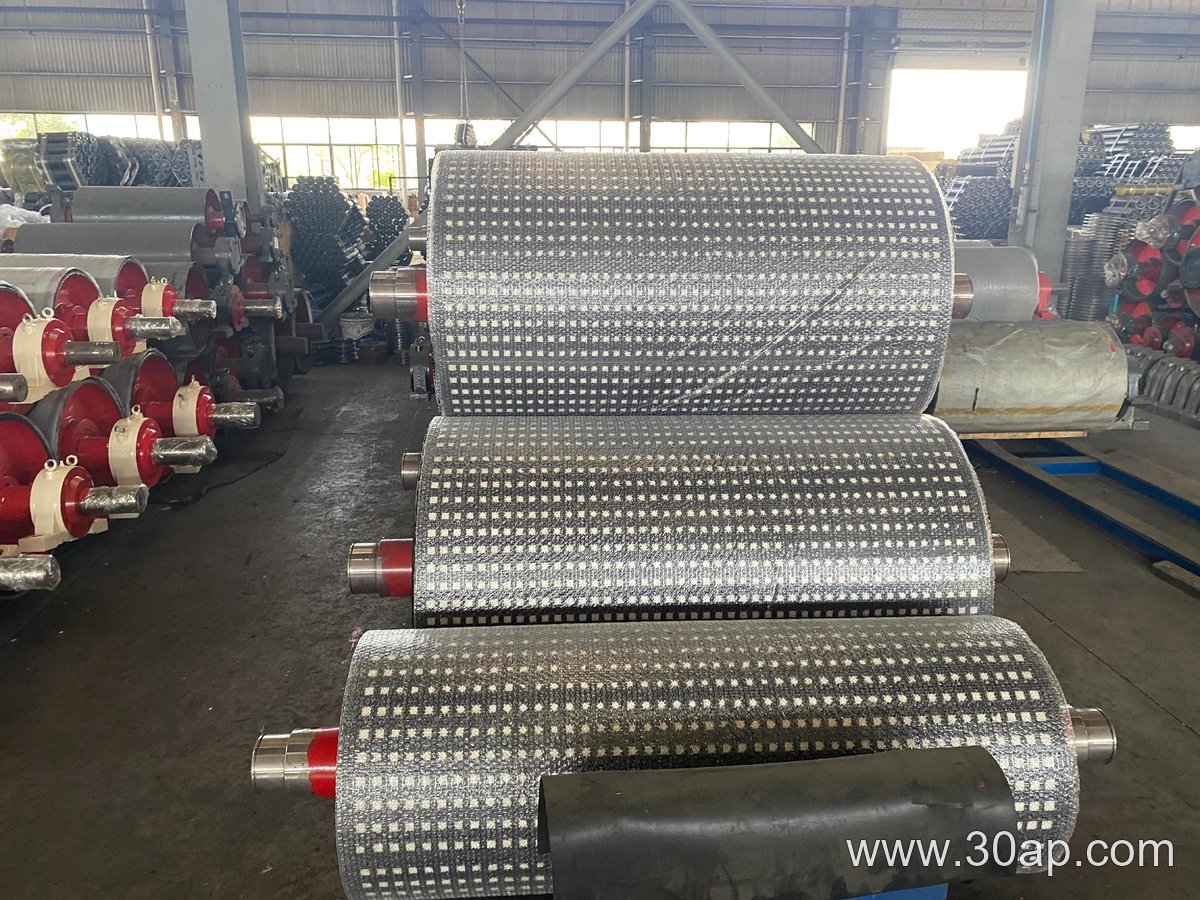
The conveyor pulley drives and tensions your belt. Choose the right one for reliable, efficient operation.
Key Selection Factors
- Belt width and load capacity
- Pulley diameter and face length
- Lagging type for grip
- Shaft and bearing compatibility
Purchasing Advice
Match pulley to belt tension, speed, and environment. Verify balance, runout, and certified welds. Buy from suppliers offering documentation and support.
Conveyor Bracket Essentials
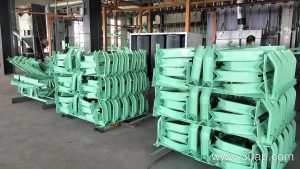
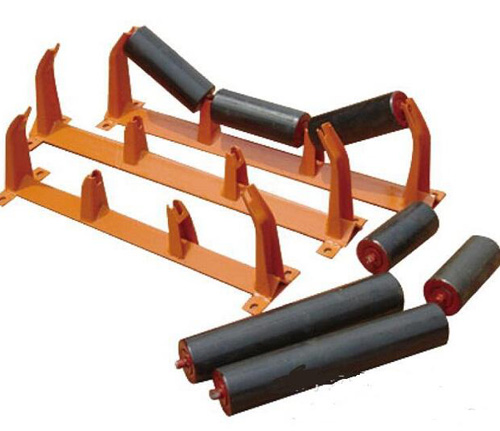
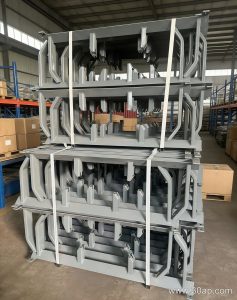
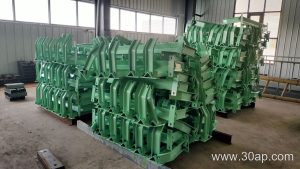
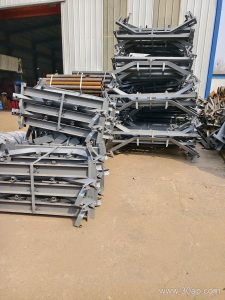
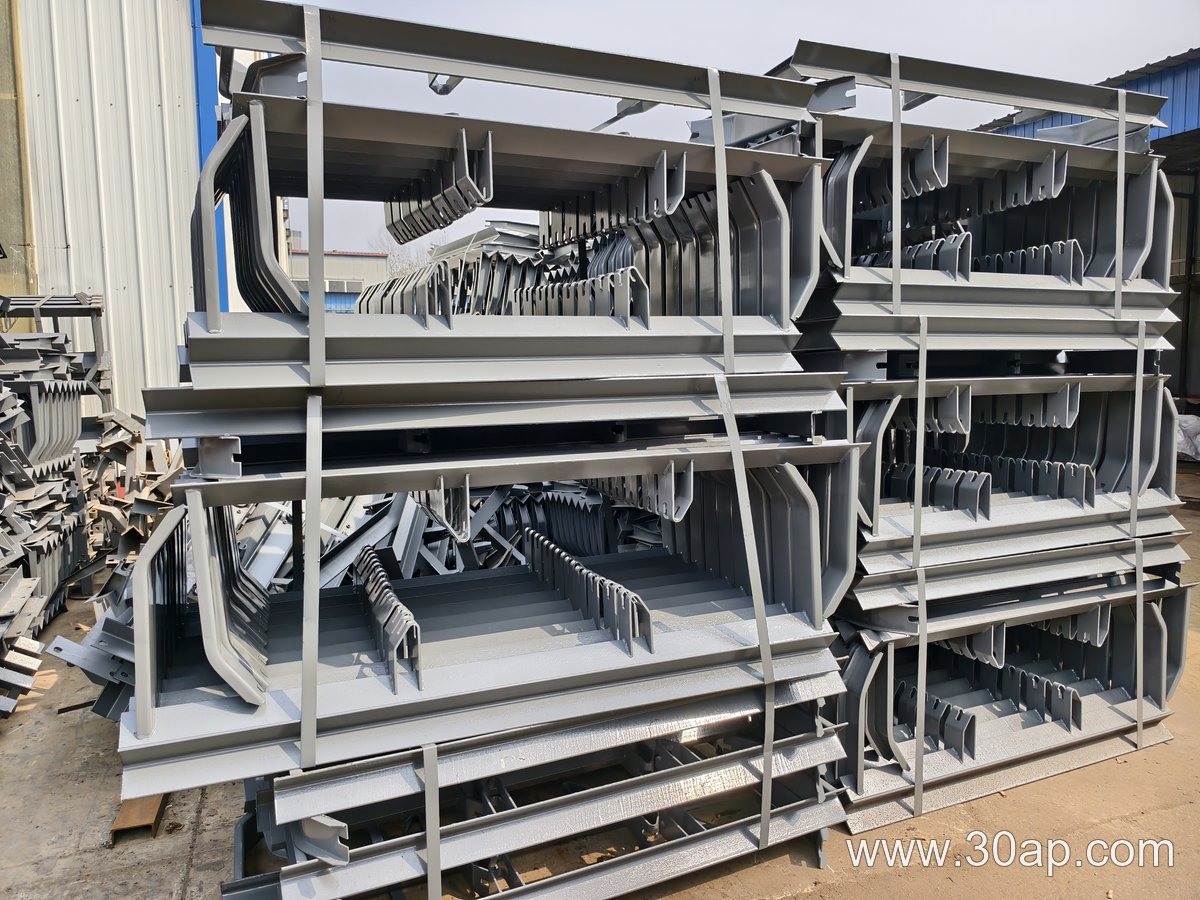
A conveyor bracket supports rollers, idlers, and frames, ensuring alignment and load stability. Choose material, mounting type, and load capacity to match your system.
Selection Tips
- Verify bolt pattern and shaft diameter.
- Match steel, stainless, or polymer to environment.
- Check dynamic load rating and corrosion resistance.
Purchasing Advice
Buy from suppliers offering dimensional drawings and batch traceability. Confirm tolerances, finish, and lead time before ordering.
Conveyor Belt Selection Guide for Global Buyers
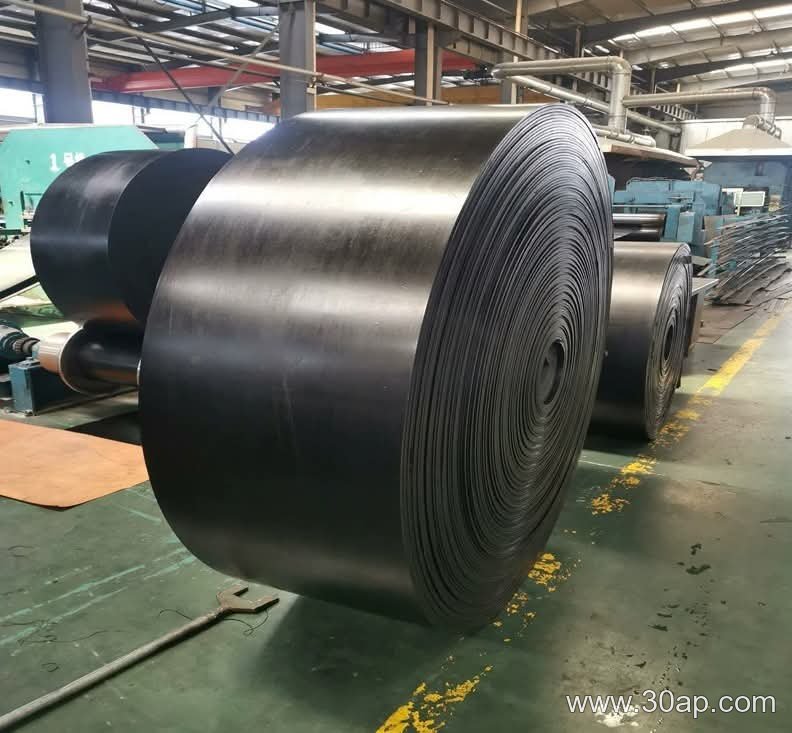
A conveyor belt is the core of any material handling system. Choose the right one to cut downtime and shipping costs.
Key Selection Factors
- Material: PVC, rubber, or metal for heat and abrasion.
- Load capacity and belt width.
- Speed, incline, and pulley diameter.
Purchasing Advice
Verify tensile strength, food-grade or fire-resistant certification, and splice type. Request test reports and spare parts availability before export.
Idler Roller Basics
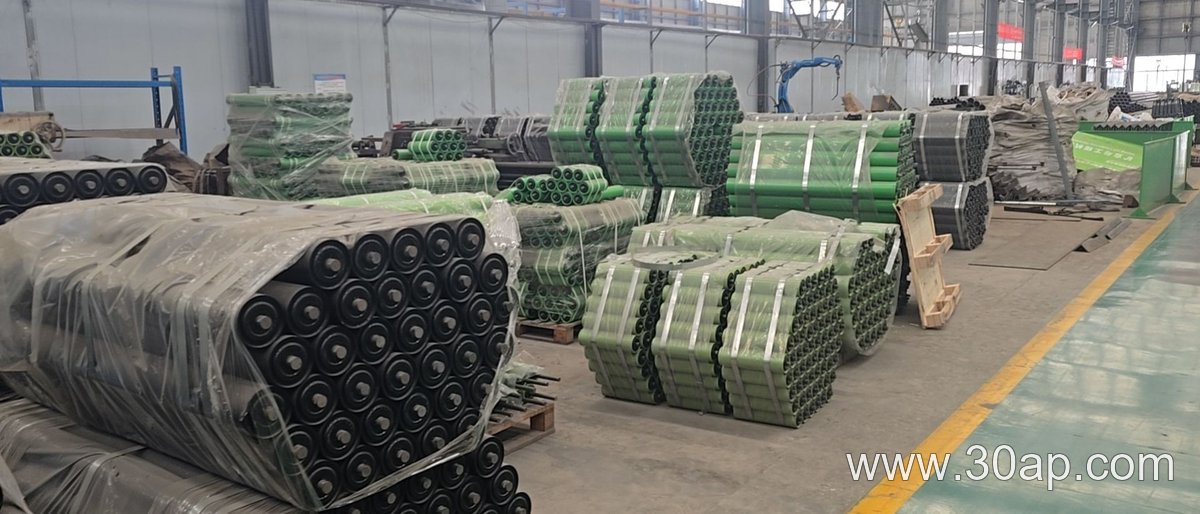
An idler roller supports and guides conveyor belts without driving them. Choose the right idler roller to reduce wear, noise, and downtime.
Key Selection Factors
- Load capacity and belt width
- Roller diameter and shaft type
- Bearing seals for dust or moisture
- Material: steel, stainless, or polymer
Purchasing Advice
Match the idler roller to your environment. For washdown areas, pick sealed stainless idler rollers. For heavy loads, use reinforced steel. Verify tolerances and request test data before bulk orders.