What a Conveyor Bracket Quotation Covers
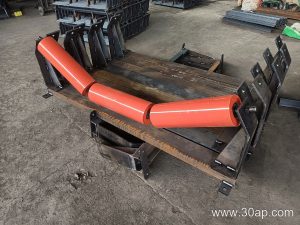
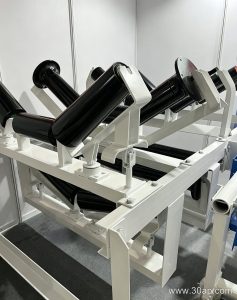
A conveyor bracket quotation is a priced offer for the support structures that hold idler rollers in place along a belt conveyor. In a quarry, cement plant, or coal handling line, these brackets carry the weight of the belt and the material on it while keeping the rollers at the correct angle and spacing. When buyers request a quotation, they are usually asking for a breakdown of bracket types, materials, dimensions, and quantities needed for a specific conveyor section.
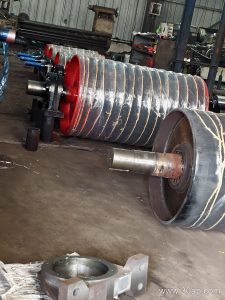
The product is often called a conveyor idler bracket or roller support bracket. It is not the same as a conveyor pulley, which drives or redirects the belt at the ends of the system. Drive pulleys, tail pulleys, and bend pulleys serve different functions and are quoted separately. A bracket quotation focuses only on the intermediate support components that hold the idlers.
How These Brackets Are Built
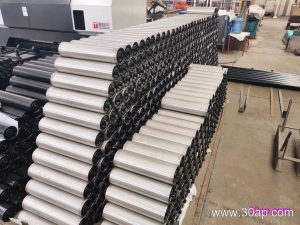
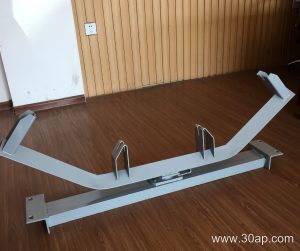
Most brackets are fabricated from angle steel, channel steel, or bent steel plate. The choice of material affects load capacity, corrosion resistance, and cost. A typical quotation lists the bracket type, the belt width it fits, the trough angle, and the roller diameter it accepts. Common belt widths include B500, B650, B800, B1000, B1200, B1400, B1600, and B1800. Roller diameters such as Ø89, Ø108, Ø133, Ø159, and Ø194 are frequently referenced, but the correct match depends on the conveyor design, not on a fixed rule.
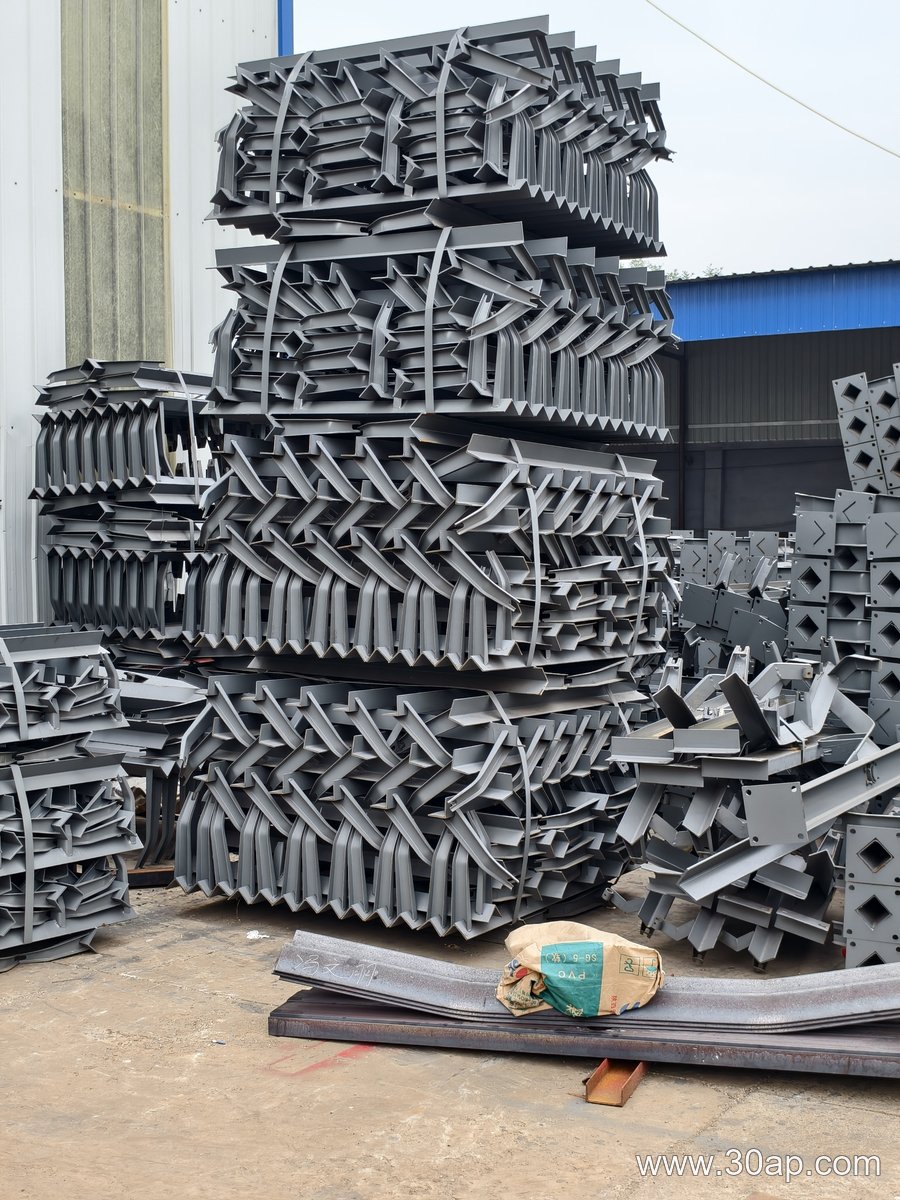
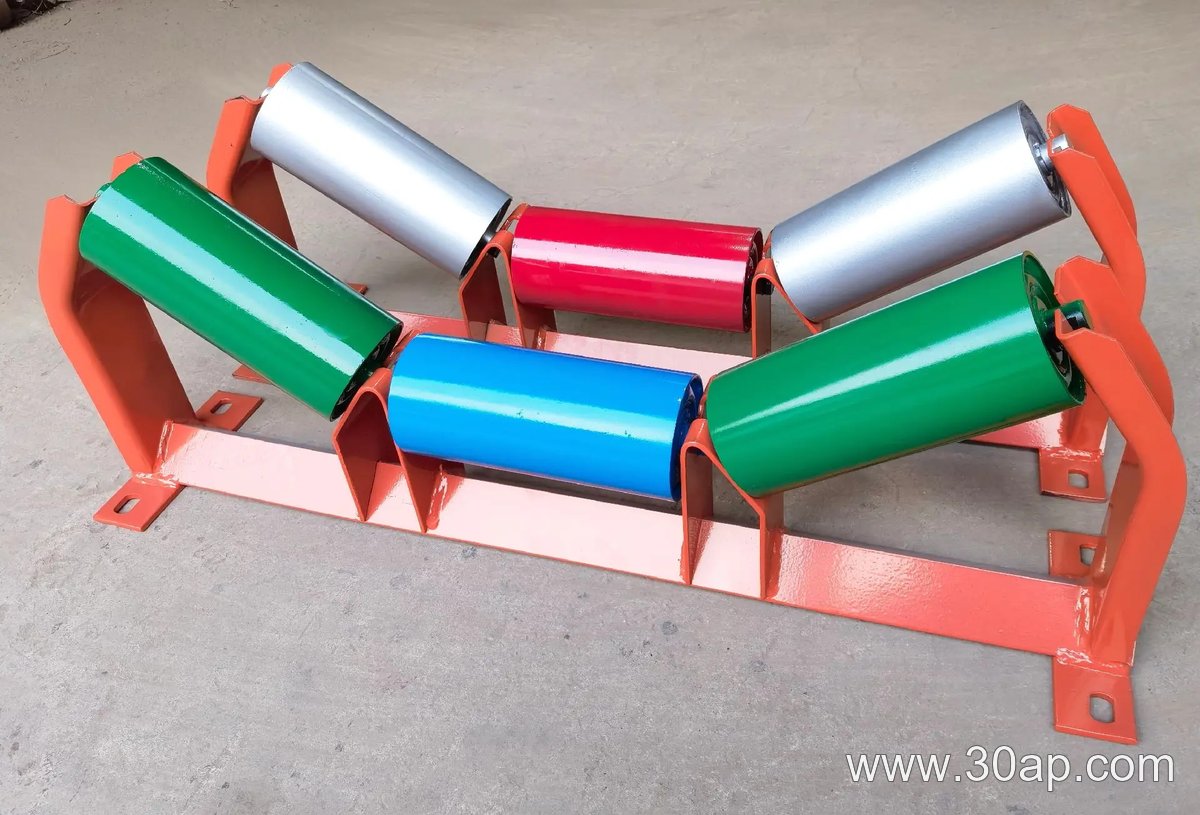
Trough angles of 20, 30, 35, and 45 degrees are standard in many quotations. Adjustable brackets allow the same frame to be set at different angles within a range. Forward-leaning brackets, often around 1.5 to 2 degrees, help with belt training. Installation hole spacing and beam length change with belt width and trough angle, so they are usually confirmed per project rather than treated as universal constants.
Common Bracket Types in a Quotation
- Troughing bracket for carrying idlers on the upper run
- Transition bracket for the zone between the pulley and full troughing
- Return bracket for supporting the belt on the lower run
- V-return bracket for belt training on the return side
- Impact bracket for loading points where material falls onto the belt
- Self-aligning bracket for correcting belt misalignment
- Adjustable bracket for variable trough angles
Each type is quoted according to its function. A quotation for a coal handling system may emphasize impact and self-aligning brackets, while a sand and gravel line may need more troughing and return brackets. The quotation should clearly separate these items so the buyer can compare quantities and unit costs.
Where Conveyor Brackets Are Used
These components appear in nearly every bulk material handling operation. In a limestone mine, they support the belt through crushing and screening circuits. In a power plant coal yard, they keep idlers aligned along long overland conveyors. Cement plants, fertilizer granulation lines, and grain silos also rely on them. The bracket must match the conveyor belt width, the idler roller diameter, and the loading conditions of the specific section.
What Buyers Should Check Before Requesting a Quotation
Before asking for a conveyor bracket quotation, gather the following details:
- Belt width, such as B800 or B1200
- Trough angle, for example 35 degrees or 45 degrees
- Roller diameter, such as Ø108 or Ø133
- Bracket type and quantity per conveyor section
- Material preference: angle steel, channel steel, or bent plate
- Any need for adjustable or fixed configuration
A good quotation will state the bracket model, dimensions, material, and surface treatment without assuming that one belt width automatically fixes one roller diameter or one trough angle. The buyer should confirm that the offered brackets match the actual conveyor design and the idler rollers already in use. For replacement projects, measuring an existing bracket or checking the original drawing is often more reliable than ordering by belt width alone.
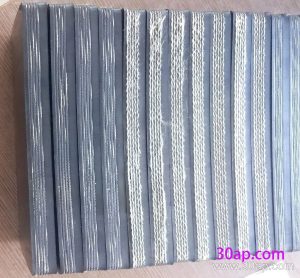
In short, a conveyor bracket quotation is a technical and commercial document. It should reflect the real support needs of the conveyor, not just a list of similar-looking parts. Clear specifications help avoid mismatches with idler rollers, conveyor pulleys, and the conveyor belt itself.