What a Port Bulk Material Conveyor Idler Does
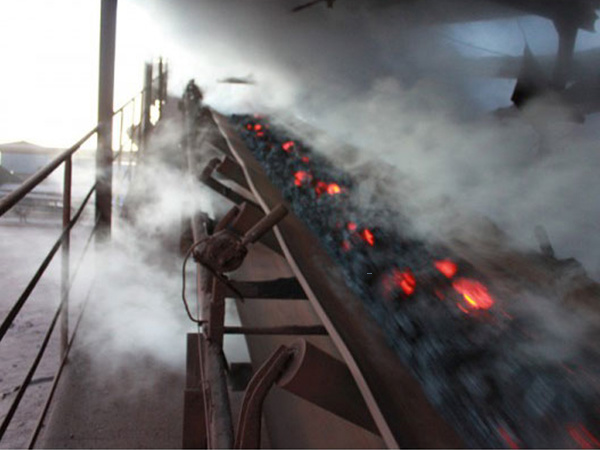
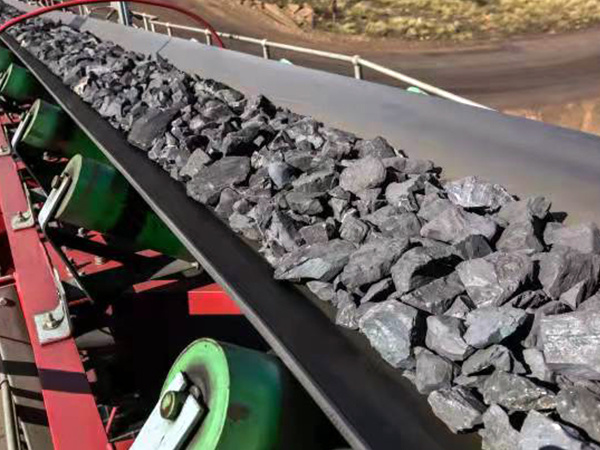
A port bulk material conveyor idler is the rotating support that carries the conveyor belt and the material load along the carrying and return strands of a bulk handling system. In a port setting, where iron ore, coal, fertilizer, or grain moves from ship unloaders to stockpiles and train loaders, these idlers keep the belt tracking, reduce friction, and protect the belt carcass from premature wear. The idler roller itself is a relatively simple assembly, but its reliability directly affects whether a shiploading or unloading line can run continuously.
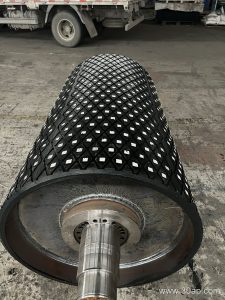
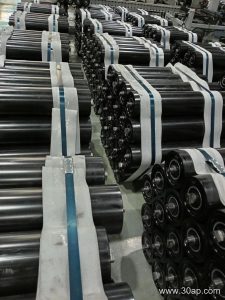
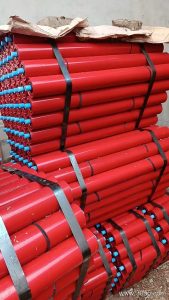
An accurate equivalent name for the same product is a belt conveyor idler roller. The term covers the complete rotating unit: a steel or polymer tube, a shaft, bearing housings, seals, and a means of fixing the shaft to the conveyor bracket. Drive pulleys, tail pulleys, and bend pulleys are different components that transmit power or change belt direction; they are not idler replacements.
How the Idler Is Built
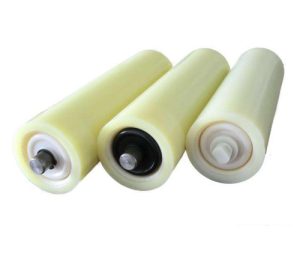
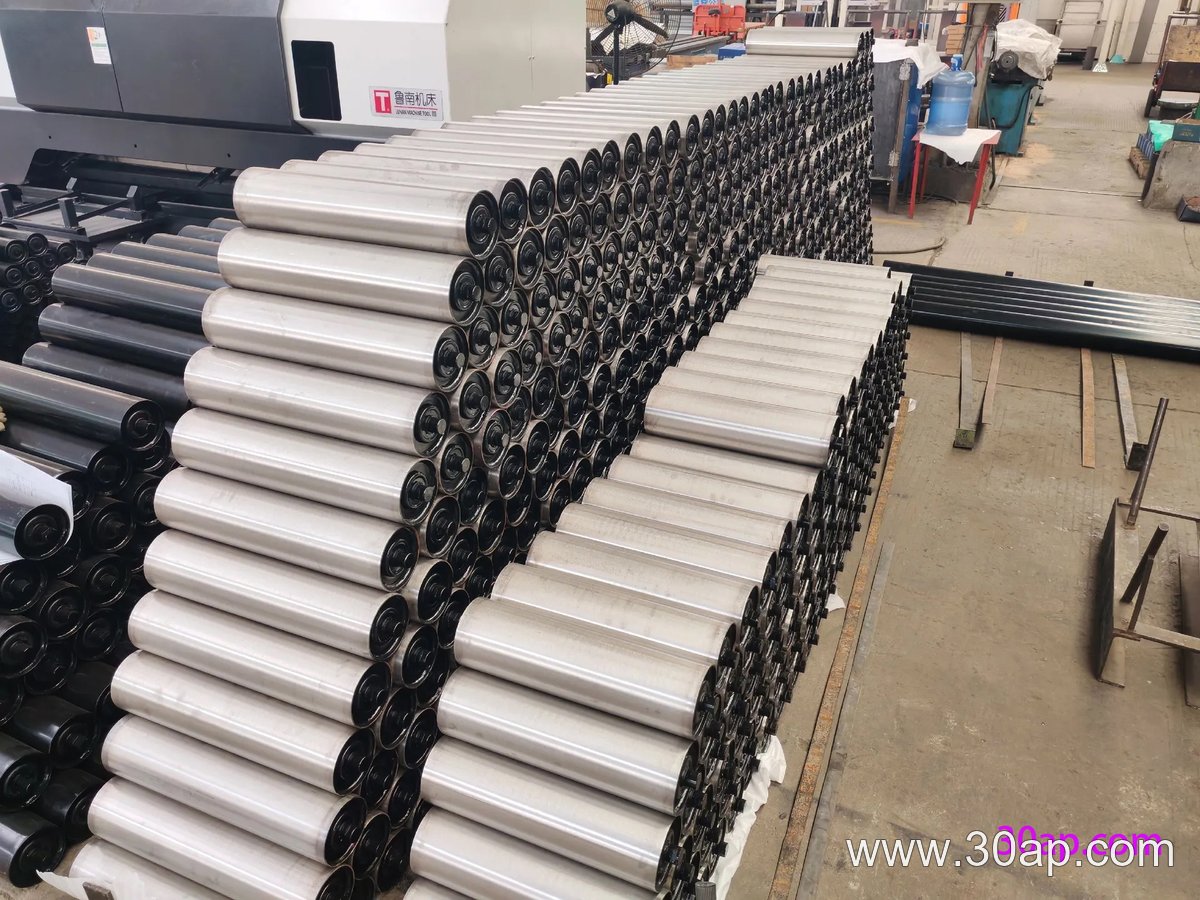
The roller shell is often a steel tube, though nylon, ceramic-coated, or rubber-disc surfaces are also used where abrasion, build-up, or noise matters. The shaft runs through the tube, and the bearings sit in pressed or machined housings at each end. Common bearing sizes include 6204, 6205, 6305, 6306, 6308, and 6310, but the bearing must be matched to the load, speed, and sealing arrangement rather than chosen from the roller diameter alone.
Sealing is the detail that separates a long-service idler from a short-lived one. Ports handle dust, salt air, and occasional washdown, so labyrinth seals, contact seals, and grease-filled cavities are typical. A well-sealed bearing housing keeps fine ore or coal dust out of the raceway and helps retain lubricant. The tube end is usually welded or crimped to the bearing housing, and the shaft ends are flattened or drilled to fit the conveyor bracket.
Common Types and Where They Sit on the Conveyor
The carrying run normally uses troughing idlers, often in two-roll or three-roll arrangements. A three-roll troughing set with trough angles of 20, 30, 35, or 45 degrees is common on wide belts. Return idlers support the empty belt; flat return idlers, V-return idlers, and spiral return idlers each suit different material and belt conditions. Impact idlers with rubber discs are placed under loading points to absorb the fall of lump material.
Self-aligning idlers, including friction and tapered types, are used where the belt tends to wander. Transition idlers smooth the change from the troughing profile to the pulley. The comb-type idler can help release sticky material on the return strand. These are variations within the idler family, not substitutes for the main subject.
Matching Roller Diameter, Belt Width, and Roll Length
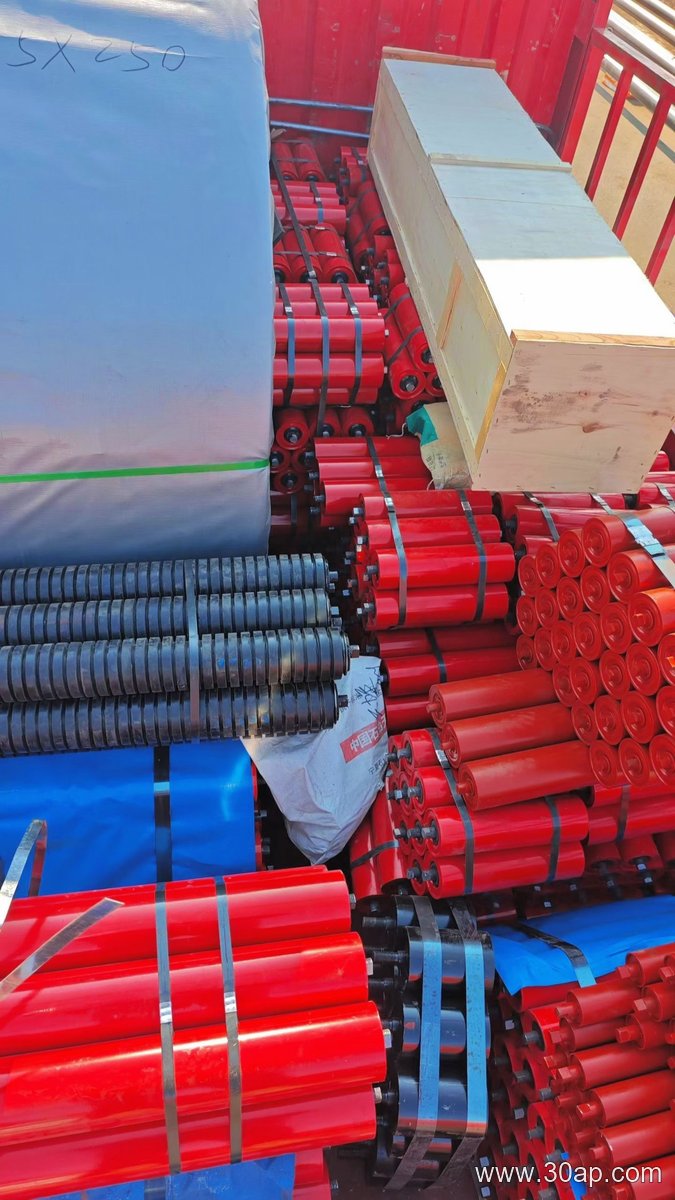
Roller diameter and belt width are related but not locked together. A B800 belt may run with Ø89, Ø102, or Ø108 rollers depending on load, speed, and the idler manufacturer’s design. The table below gives common reference values; side rollers and center rollers in the same set may differ.
| Belt width | Typical three-roll troughing roller length | Common roller diameters |
|---|---|---|
| B500 | about 200 mm | Ø63, Ø76, Ø89 |
| B650 | about 250 mm | Ø76, Ø89, Ø102 |
| B800 | about 315 mm | Ø89, Ø102, Ø108 |
| B1000 | about 380 mm | Ø102, Ø108, Ø127 |
| B1200 | about 465 mm | Ø108, Ø127, Ø133 |
| B1400 | about 530 mm | Ø127, Ø133, Ø159 |
| B1600 | about 600 mm | Ø133, Ø159, Ø178 |
| B1800 | about 670 mm | Ø159, Ø178, Ø194 |
| B2000 | about 750 mm | Ø178, Ø194, Ø219 |
These figures are common examples, not fixed combinations. A port conveyor designer will confirm roller length, shaft diameter, and bearing size from the actual belt tension, material density, and idler spacing.
Choosing and Maintaining Idlers in Port Service
A buyer should ask about the roller surface, seal type, bearing class, and shaft fixing method rather than only the diameter. For coal or iron ore terminals, abrasion-resistant shells and effective dust seals usually matter more than a small price difference. For grain or fertilizer, smoother surfaces and clean running reduce material retention.
Maintenance is straightforward when idlers are inspected for seized bearings, worn shells, and loose brackets. Replacing a failed idler roller before it damages the conveyor belt is cheaper than repairing the belt. Keeping spare idlers in the same diameter and length as the installed sets helps shorten downtime. The right port bulk material conveyor idler is the one matched to the belt, the material, and the environment, not simply the largest or heaviest option available.