What Is an Idler Shaft
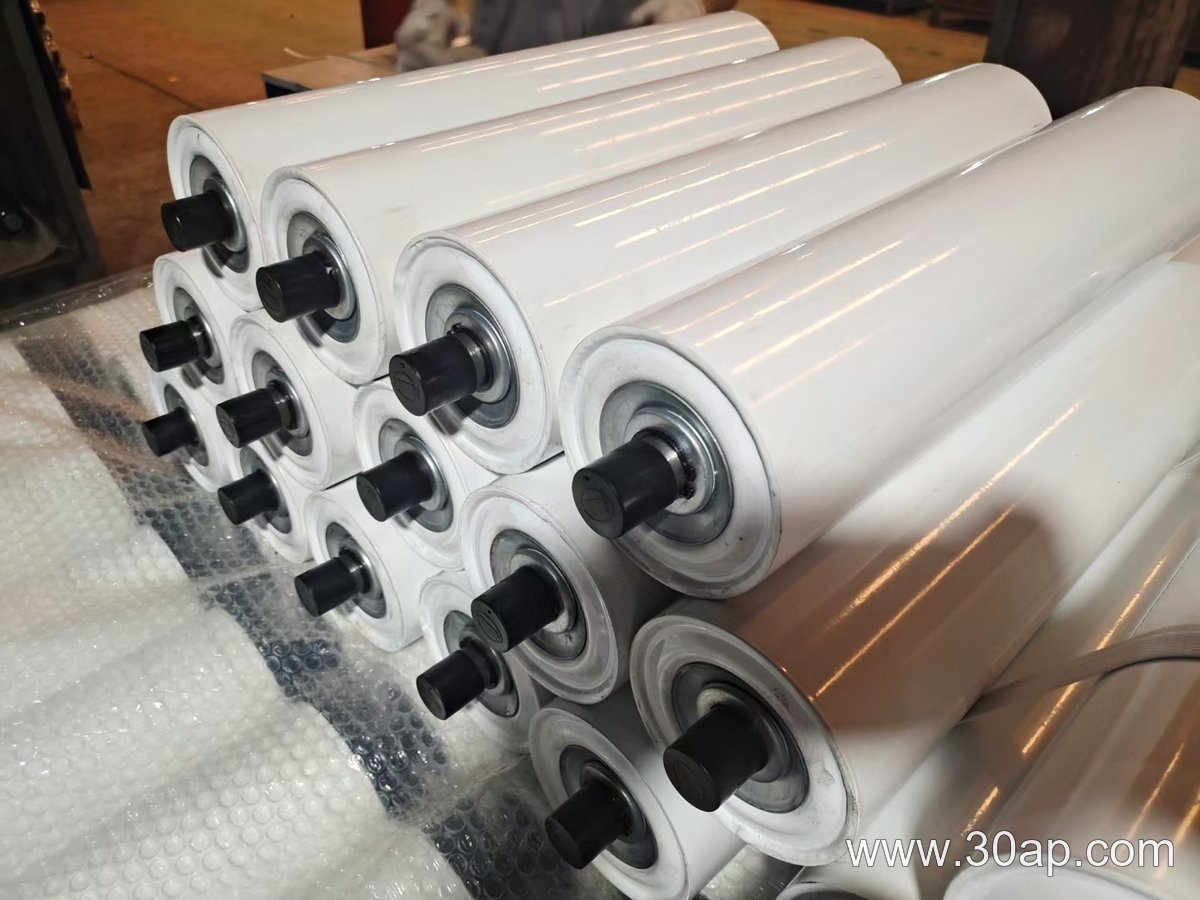
An idler shaft is the central load-bearing component inside a conveyor idler or idler roller. It is the axle on which the roller shell and bearings rotate. While it is a simple-looking piece of round bar, its material, machining, and fit directly influence how smoothly a conveyor belt runs, how long the roller lasts, and how much maintenance the system needs. In many conveyor designs, the shaft does not turn with the shell. Instead, it stays fixed while the bearing assemblies and the outer tube rotate around it. That distinction matters when selecting replacement parts, because a shaft made for a rotating assembly will have different tolerances than one intended to remain stationary.
Because the shaft carries the full weight of the belt and the material on it, engineers sometimes call it the backbone of a conveyor idler. If it bends, wears at the bearing seats, or corrodes, the roller will drag, wobble, or seize. A seized roller can rub against the belt, damage the belt cover, and increase power consumption. So even though the idler shaft is hidden inside the roller, it deserves attention during specification and inspection.
How an Idler Shaft Is Built
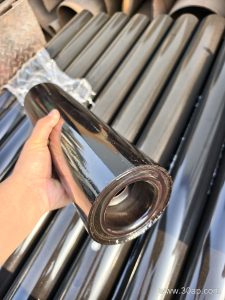
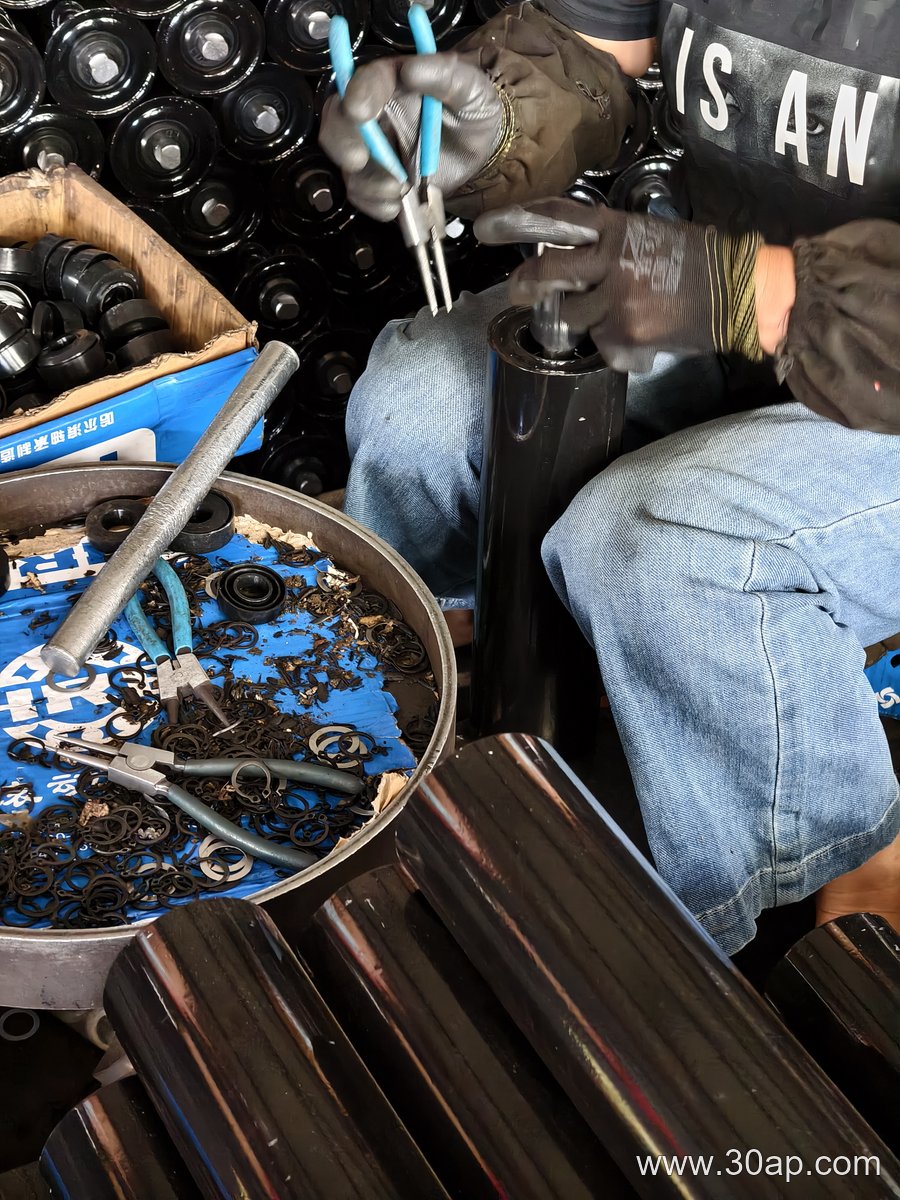
Most shafts start as round steel bar, often cold-drawn or turned to a precise diameter. Common materials include carbon steel, stainless steel for corrosive or washdown environments, and sometimes alloy steel for high-load duties. The bar is cut to length, then machined at both ends. The machining usually creates bearing seats, retaining grooves, and flat or threaded ends for mounting.
Key features of a well-made shaft include:
- Straightness within a tight tolerance so the roller does not wobble.
- Smooth bearing seats with the correct diameter and surface finish.
- Proper chamfers to avoid damaging bearing bores during assembly.
- Corrosion protection such as painting, plating, or coating when needed.
- Accurate end machining for a secure fit in the conveyor bracket.
Some shafts are designed with a through-hole or tapped end for grease nipples, allowing relubrication of the bearings. Others are sealed for life and need no maintenance. The choice depends on the operating environment and the maintenance philosophy of the plant. In high-dust or high-moisture areas, sealed bearings and a protected shaft are often preferred because they reduce the risk of contamination reaching the bearing cavity.
Where Idler Shafts Are Used
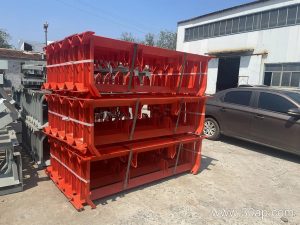
The idler shaft appears in many positions along a conveyor. In a typical troughing station, a conveyor trough idler uses three rollers to form a cradle that keeps bulk material centered on the belt. Each of those rollers contains its own shaft. At the loading point, a loading point impact idler absorbs the force of falling material, and its shaft must withstand repeated shock without bending. Along the sides of the belt, a conveyor side guide roller helps keep the belt aligned, and its shaft is usually smaller but still needs reliable bearing seats.
In port applications, a port conveyor idler may face salt air, heavy loads, and continuous operation. Here, the shaft material and coating are often selected for corrosion resistance as much as for strength. A wear-resistant idler may use a thicker shell or a special shaft treatment to extend service life in abrasive conditions. The same shaft design principles apply whether the roller is used in a mine, a quarry, a cement plant, a power station, or a shipping terminal.
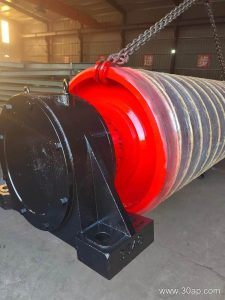
Idler shafts also work alongside other conveyor components. A conveyor pulley, sometimes called a drive pulley, head pulley, tail pulley, or bend pulley, moves the belt and tensions it. The idler rollers support the belt between pulleys. A conveyor bracket holds the shaft ends in place and sets the roller spacing. When all these parts are matched correctly, the belt tracks well and the system runs efficiently.
What Buyers Should Know
When purchasing idler shafts or complete idler rollers, buyers should look beyond the outside diameter of the roller. The shaft details determine whether the roller will fit and last. Important questions include:
- What is the shaft diameter and tolerance at the bearing seats?
- What material is used, and is it suitable for the environment?
- Is the shaft designed for a specific bearing series and seal type?
- How does the shaft connect to the conveyor bracket or frame?
- Is relubrication possible, or is the bearing sealed for life?
It also helps to understand the load and speed of the conveyor. A shaft that is adequate for a light-duty package handling line may be undersized for a heavy bulk material conveyor. The belt width, material density, lump size, and impact energy all affect the load on the shaft. Buyers should ask for dimensional drawings and material certificates when available, and they should confirm that replacement rollers match the original mounting dimensions.
Another practical point is interchangeability. Not every idler roller with the same nominal diameter will have the same shaft length, end configuration, or bearing seat position. Mixing brands without checking these details can lead to poor fit, premature failure, or belt misalignment. Keeping a small stock of critical shafts and rollers can reduce downtime, but only if the parts are correct for the application.
Maintenance and Inspection Tips
Routine inspection should include listening for unusual noise, feeling for excessive temperature at the roller ends, and checking for wobble or belt tracking problems. A shaft that has worn bearing seats may allow the roller to move slightly, which accelerates wear on the seals and the belt edge. In dusty plants, cleaning around the roller ends helps prevent material build-up that can force the shaft out of alignment.
When replacing a roller, inspect the conveyor bracket for wear or distortion. A damaged bracket can shorten the life of a new shaft, no matter how well it is made. Also check the belt for damage that may have been caused by a seized roller. Correcting the root cause is cheaper than replacing parts repeatedly.
In summary, the idler shaft is a small but critical part of a conveyor idler. Its material, machining, and fit affect roller performance, belt life, and maintenance costs. By understanding how it is built and where it is used, buyers and maintenance teams can make better decisions for troughing, impact, side guide, port, and wear-resistant idler applications.