What a Conveyor Idler Bracket Does
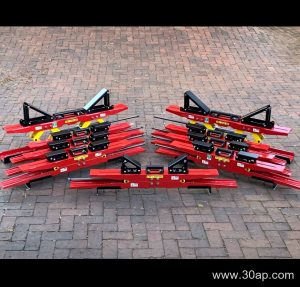
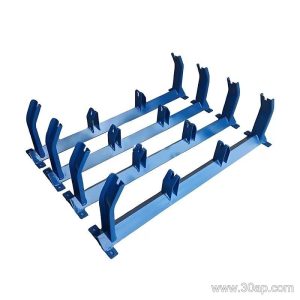
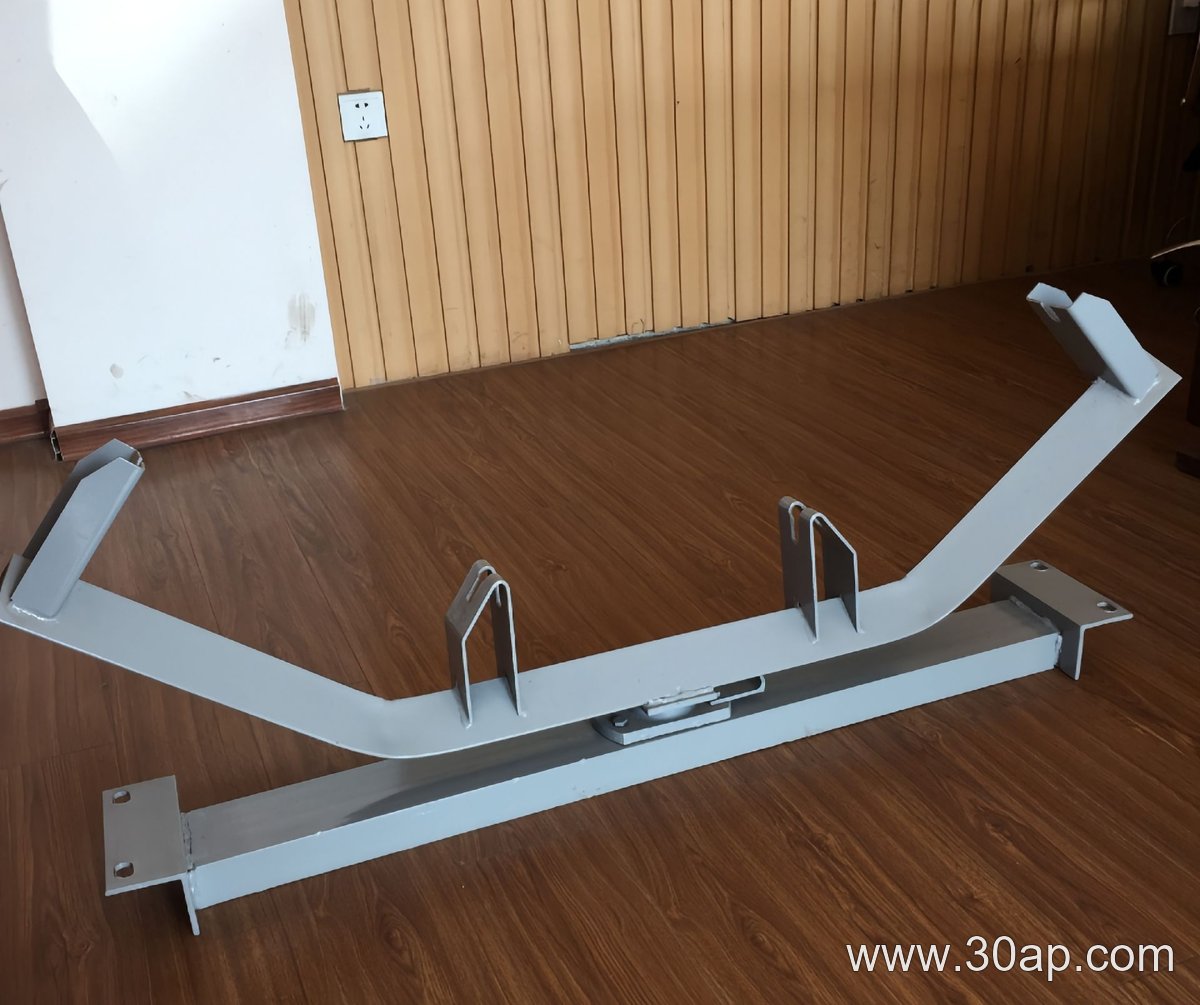
A conveyor idler bracket is the structural component that holds and positions idler rollers along a conveyor frame. It connects the roller assemblies to the main stringers or cross members, keeping the conveyor belt supported at the correct angle and alignment. Without a properly matched bracket, the idlers can shift, the belt can mistrack, and the entire loading zone becomes inefficient. This part is sometimes called a conveyor bracket or roller support bracket, but its function is always the same: to fix the idler roller in the right place so the belt runs smoothly.
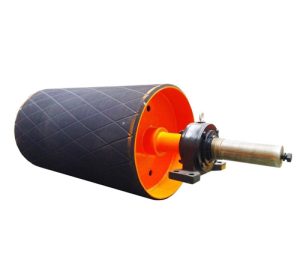
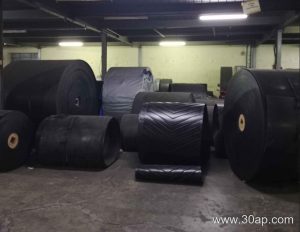
The bracket works together with the conveyor belt, idler roller, and conveyor pulley. The pulley drives or redirects the belt, while the bracket ensures the belt has a stable path between those pulleys. Drive, tail, and bend pulleys are separate components and are not interchangeable with brackets or idlers. Each has a distinct role in the conveyor system.
How a Conveyor Idler Bracket Is Built
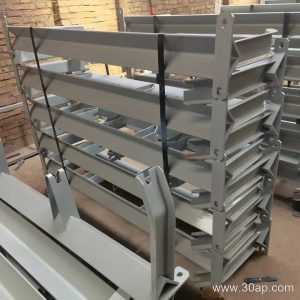
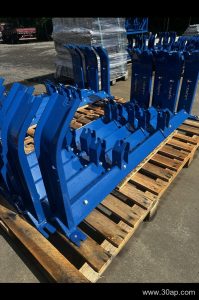
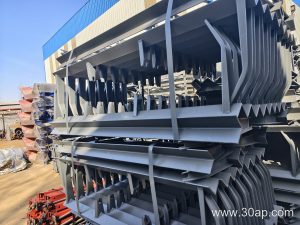
Most brackets are fabricated from angle steel, channel steel, or folded steel plate. The material choice depends on the load, the belt width, and the environment. A typical bracket includes mounting holes, a cross beam, and slots or notches where the idler shaft sits. The geometry of the bracket determines the trough angle and the spacing between rollers.
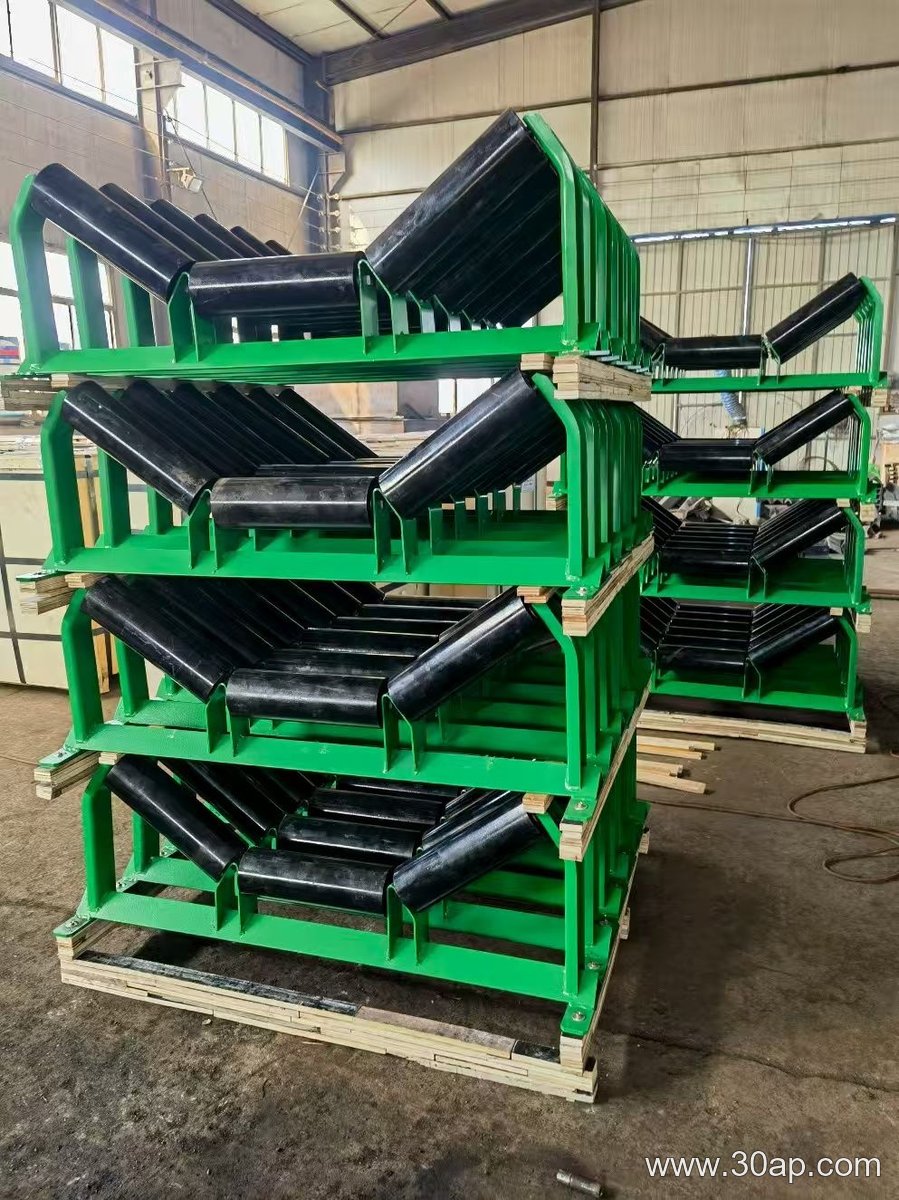
Common types include trough brackets, upper trough brackets, transition brackets, return brackets, flat return brackets, V-return brackets, impact brackets, self-aligning brackets, forward-tilt brackets, spiral roller brackets, suspension brackets, and adjustable brackets. Each type serves a specific position on the conveyor line. For example, a trough bracket carries the loaded side of the belt, while a return bracket supports the empty side. An impact bracket is used under loading points to absorb shock.
Key Dimensions and How They Relate
Bracket dimensions are not universal. They are usually determined by belt width, trough angle, and roller diameter. Common belt widths include B500, B650, B800, B1000, B1200, B1400, B1600, B1800, B2000, and B2200. Trough angles are often 20, 30, 35, or 45 degrees. Adjustable brackets can be set between these angles. Forward tilt is typically around 1.5 to 2 degrees.
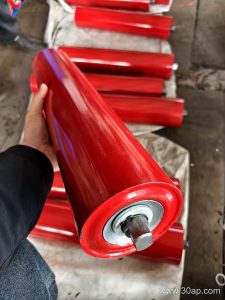
Roller diameters such as Ø89, Ø108, Ø133, Ø159, and Ø194 are matched to the belt width and load. A wider belt generally uses a larger roller diameter, but there is no fixed rule that one belt width must use one specific roller size. Mounting hole spacing and cross beam length change with belt width and trough angle, so they should be confirmed by design, not assumed.
| Belt Width | Common Trough Angle | Typical Roller Diameter |
|---|---|---|
| B500 | 20–30 degrees | Ø89 |
| B650 | 20–35 degrees | Ø89 or Ø108 |
| B800 | 30–35 degrees | Ø108 |
| B1000 | 30–35 degrees | Ø108 or Ø133 |
| B1200 | 35–45 degrees | Ø133 |
| B1400 | 35–45 degrees | Ø133 or Ø159 |
| B1600 | 35–45 degrees | Ø159 |
| B1800 | 35–45 degrees | Ø159 or Ø194 |
These combinations are common in the field, but they are reference data only. The final selection depends on the actual conveyor design, belt speed, material density, and loading conditions.
Where Conveyor Idler Brackets Are Used
You will find these brackets in quarry and limestone mining operations, as well as in sand and gravel lines. In a quarry, a trough bracket keeps the belt in a stable trough shape while carrying heavy rock. In a sand and gravel line, a return bracket supports the empty belt on the way back. Other applications include coal washing plants, crushing and screening plants, cement plants, power plant coal handling, ports, steel mills, sintering plants, batching plants, tunnel muck removal, fertilizer plants, and grain silos. Each location has different demands for dust, moisture, and impact, so the bracket type and material may vary.
What a Buyer Should Know
Before ordering, confirm the belt width, trough angle, roller diameter, and mounting hole spacing. Check whether the bracket needs to be fixed or adjustable. Adjustable brackets are useful when the trough angle may change or when fine-tuning is needed. Fixed brackets are simpler and often more rigid for a set angle.
Also consider the material and finish. Angle steel and channel steel are common for general use. Folded steel plate can save weight while maintaining strength. For impact zones, a buffer bracket or impact bracket is a better choice than a standard trough bracket. For long conveyors, self-aligning brackets help correct belt mistracking.
Do not assume that a bracket for one belt width will fit another without checking the hole pattern and cross beam length. The bracket must match the idler roller shaft and the conveyor frame. A mismatch can cause premature roller failure and belt damage. Always request a dimensional drawing or confirm the critical dimensions with the supplier before installation.