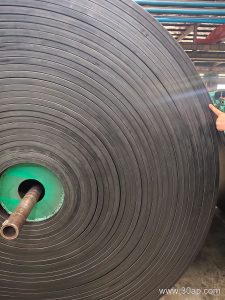
What a 1400mm Conveyor Belt Is
A 1400mm conveyor belt is a wide-format endless or open-length belt with a nominal width of B1400. It sits in the upper-middle range of common belt widths, above B1200 and below B1600 and B1800. Because of that broad carrying surface, it is often chosen where a single stream of bulk material must move at high tonnage without splitting the flow across two narrower belts.
Width alone does not define the belt. The same B1400 dimension can be produced as an EP fabric belt, an NN nylon belt, a steel cord belt, or a PVC/PVG belt, and each of those constructions behaves differently under load, moisture, heat, or fire risk. The width is the frame; the carcass and cover decide how the belt performs inside it.
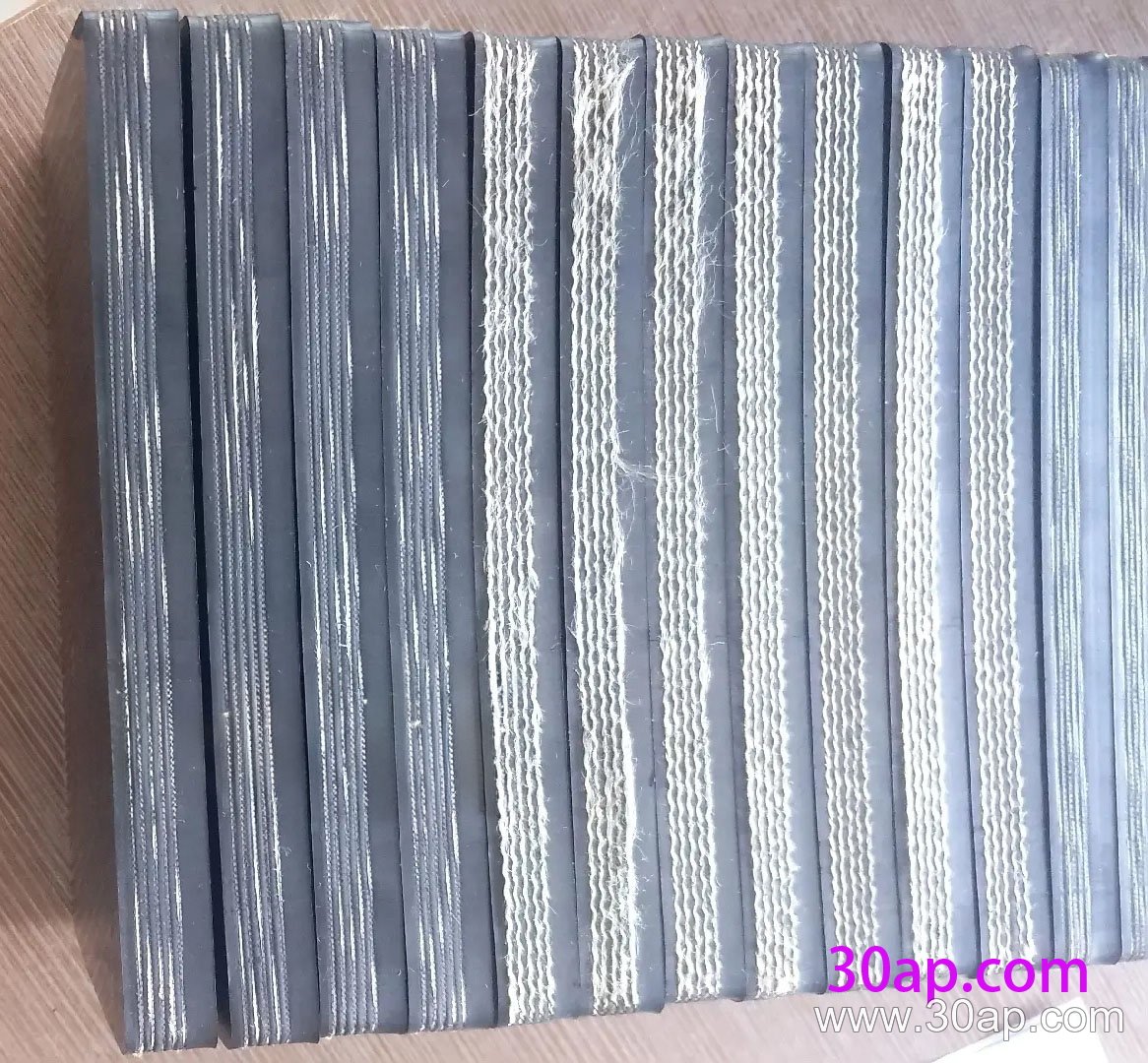
Construction and Common Specifications
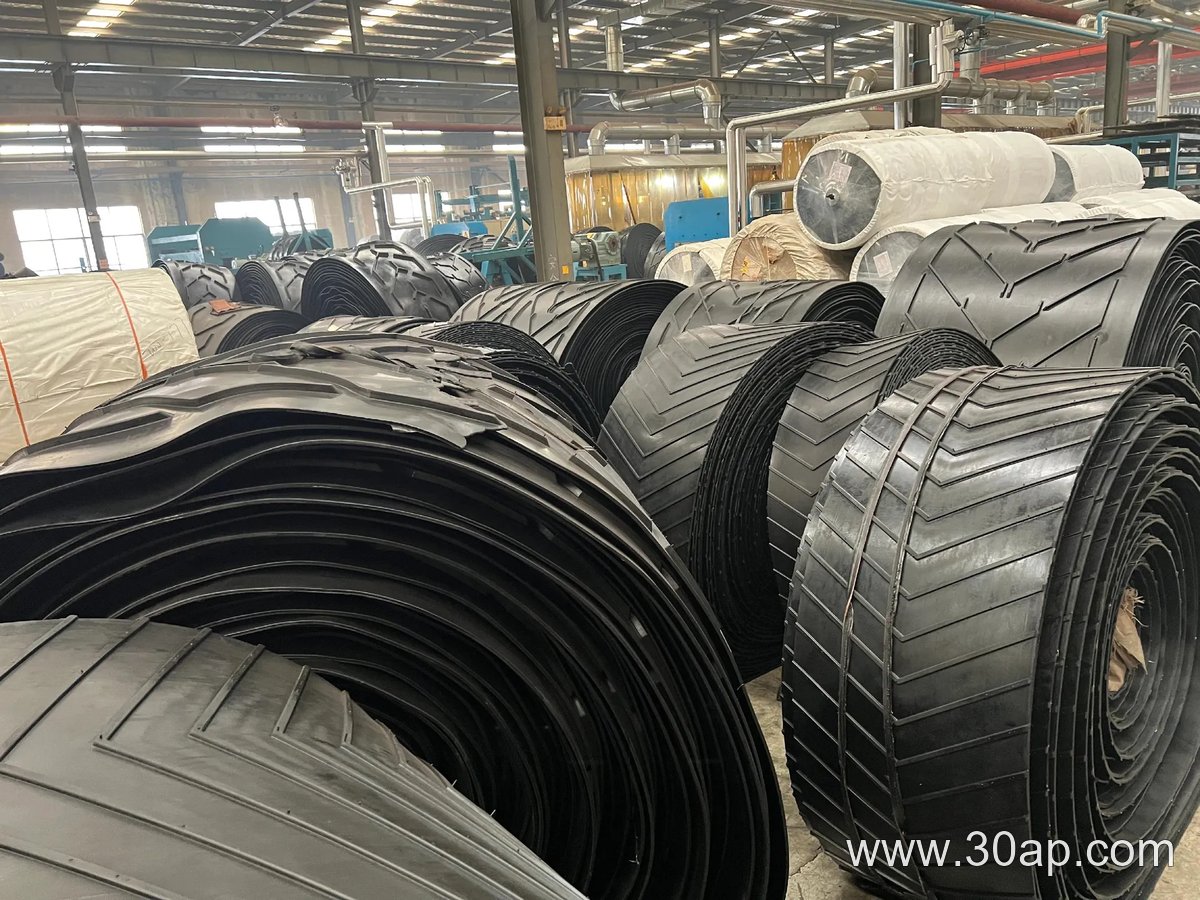
Textile-reinforced belts usually carry 2 to 6 fabric plies, while steel cord types use a single layer of parallel cords. Cover rubber is quoted as top plus bottom thickness, for example 4+2 mm or 6+2 mm.
| Item | Common Range |
|---|---|
| Belt width | B1400 (1400 mm) |
| Fabric types | EP, NN nylon |
| Steel cord | Available in equivalent widths |
| PVG / PVC | Solid-woven types for underground use |
| Tension grades | EP200 to EP2000 |
| Cover thickness | 3+1.5, 4+2, 5+2, 6+2, 8+3 mm |
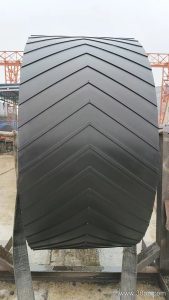
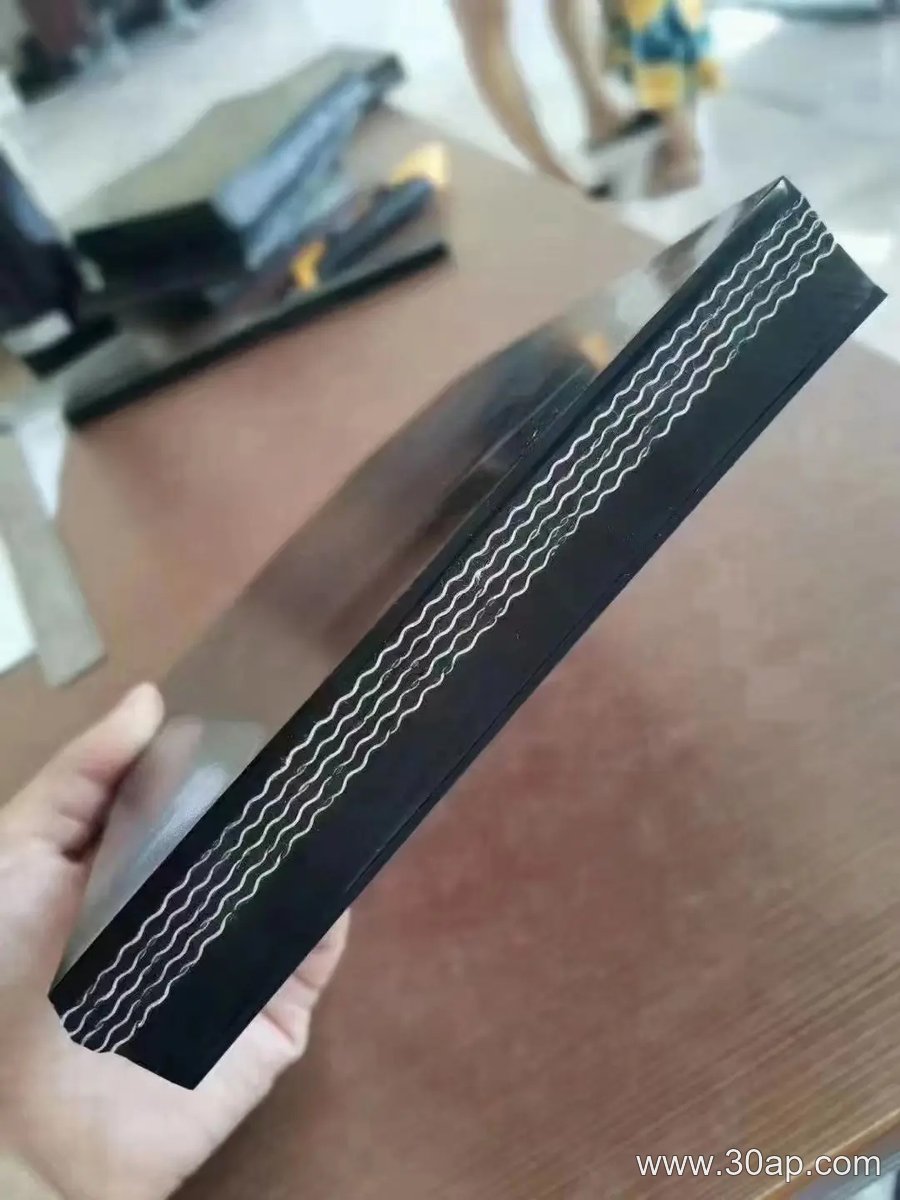
| Surface forms | smooth, patterned, chevron, corrugated sidewall |
These values are typical references. Actual belt tension, ply count, and cover grade are set by the conveyor design, not by the 1400 mm figure on its own.
Where This Width Fits
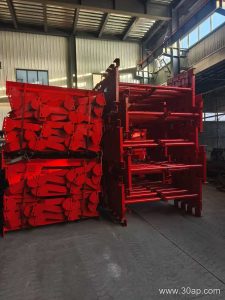
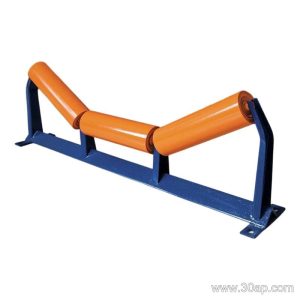
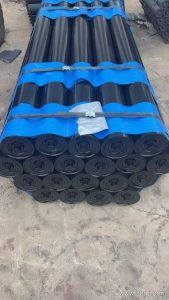
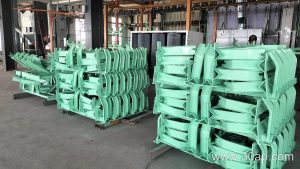
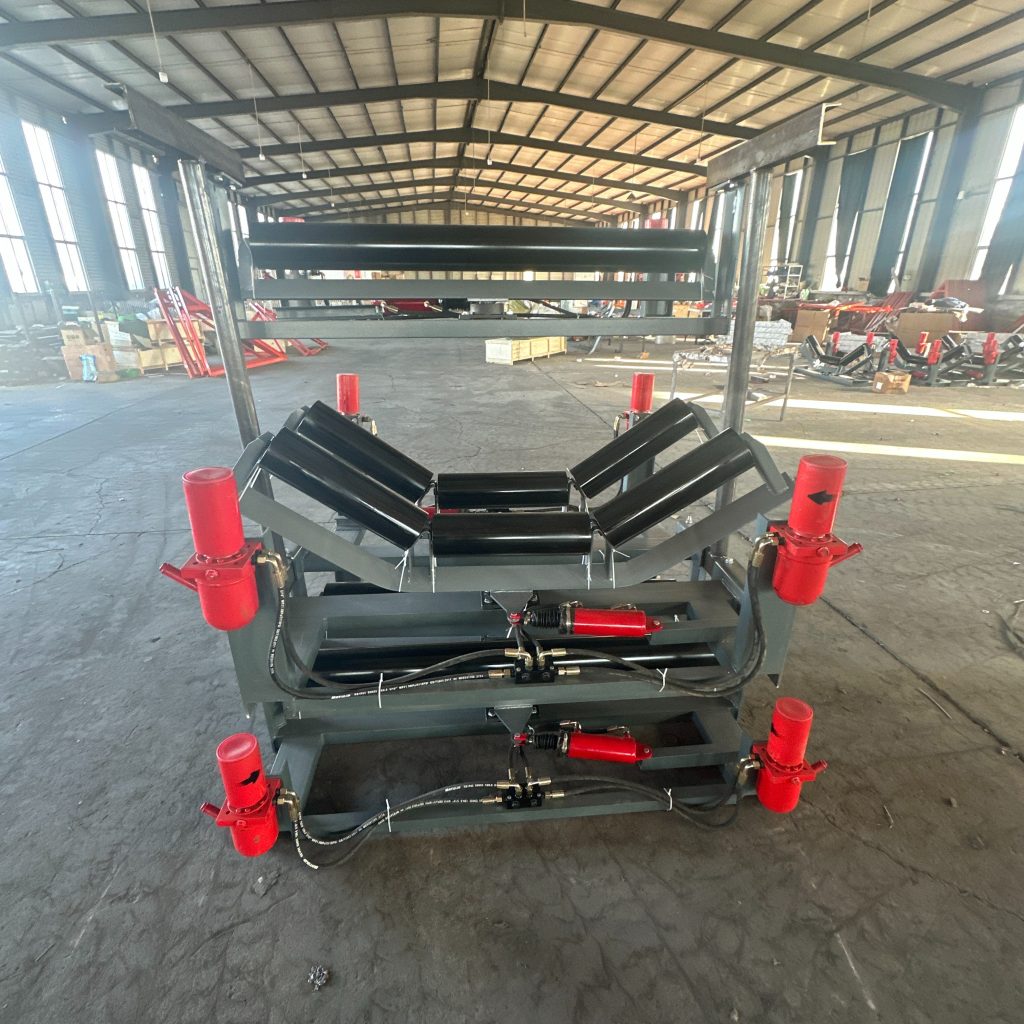
A 1400 mm belt is common in bulk handling where lump size and capacity are both significant. It appears on long overland conveyors, port loading lines, coal and ore transfer points, cement plants, and heavy quarry duty. In these systems the belt works with idler rollers that support the trough, a conveyor pulley at the head and tail, and a conveyor bracket that holds the roller frames in alignment.
For a narrower duty, a B1000 or B1200 belt may be enough. A wider B1600 or B1800 belt is used when capacity or lump size grows further. The 1400 mm width is therefore a middle choice, not a universal one.
Selection Points for Buyers
- Load and tension: Confirm the calculated belt tension before choosing an EP or steel cord carcass. A wider belt does not automatically mean a stronger one.
- Material: Abrasive rock, hot clinker, oil-soaked scrap, and underground coal each call for different cover compounds and, in some cases, flame-resistant PVG constructions.
- Surface: Smooth covers suit general transport; chevron or patterned surfaces help on inclines where material would otherwise slide back.
- Pulley and roller matching: The belt width must suit the pulley face and troughing idlers, but a 1400 mm belt is not tied to one pulley diameter. Drive, tail, and bend pulleys are separate components with their own sizing.
- Environment: Cold, oil, acid, or static-prone areas may require specific grades rather than a standard cover.
Installation and Maintenance Notes
Wide belts need careful alignment during installation. Track the belt through the conveyor pulley and idler roller stations, check that the conveyor bracket and frame are square, and confirm that the load is centered. Off-center loading on a 1400 mm belt can cause edge wear and mistracking even when the belt itself is correctly made. Splice quality matters as much as belt grade, especially on high-tension lines.
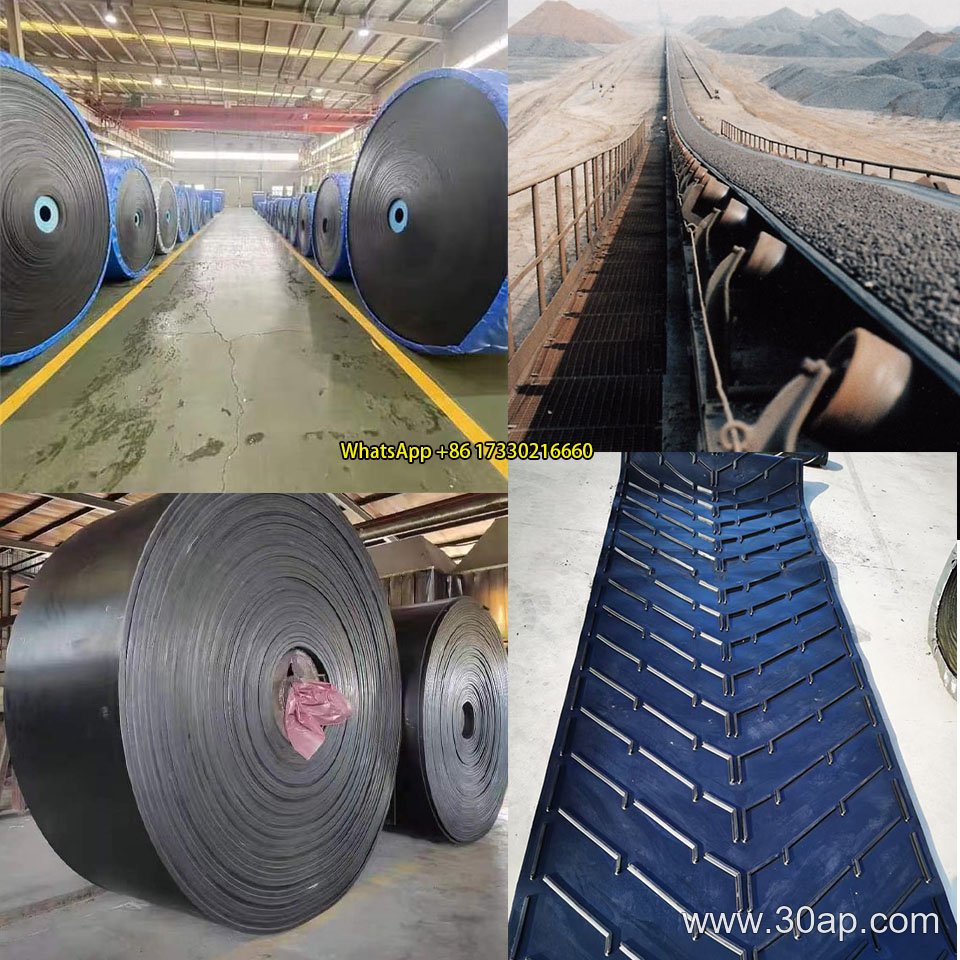
During service, inspect cover wear, edge damage, and splice condition. Replace or repair before cords or fabric plies are exposed. Keep rollers turning freely and remove stuck material from pulleys, because buildup changes the belt path and shortens belt life.
Ordering Checklist
When requesting a 1400mm conveyor belt, state the carcass type and tension grade, cover thickness and compound, surface form, and required length. Also provide the belt width as B1400 and any special needs such as heat, oil, or flame resistance. Those details let the supplier match the belt to the conveyor instead of guessing from width alone.