Load Rating vs Safe Working Load for a Conveyor Bracket
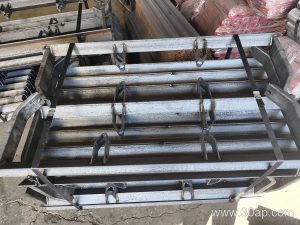
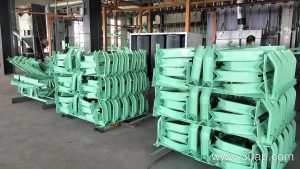
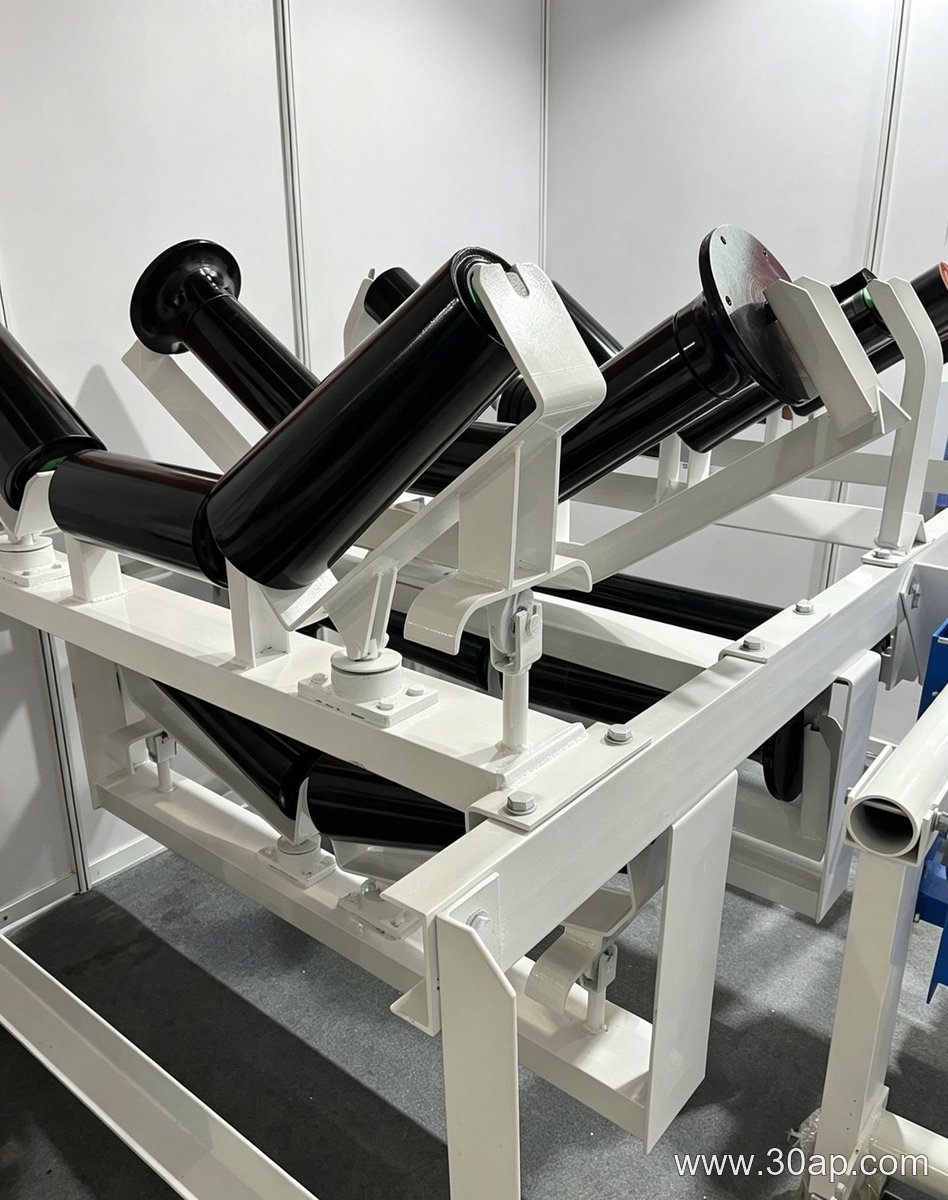
No. A conveyor bracket’s load rating is a laboratory failure figure, while its safe working load (SWL) applies a design factor, often 4:1 or 5:1, for real manufacturing lines.
Why the distinction matters
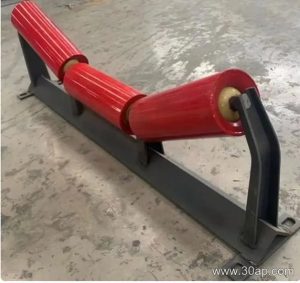
Using the rating as the SWL ignores fatigue, bolt slip, and vibration. The SWL determines the maximum idler weight and belt pull the bracket can carry safely.
- Check the bracket’s rated capacity.
- Divide by the intended design factor to get SWL.
- Compare SWL against actual idler and material loads.
How Do You Match Conveyor Belt Ply Rating to a Hypothetical General Manufacturing Line
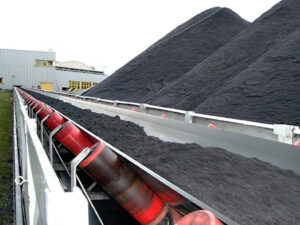
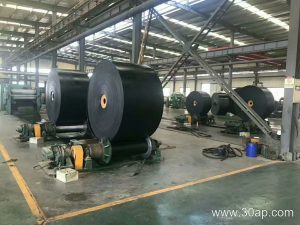
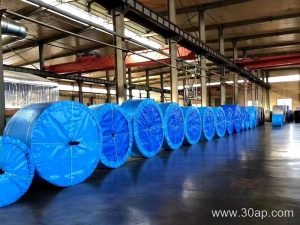
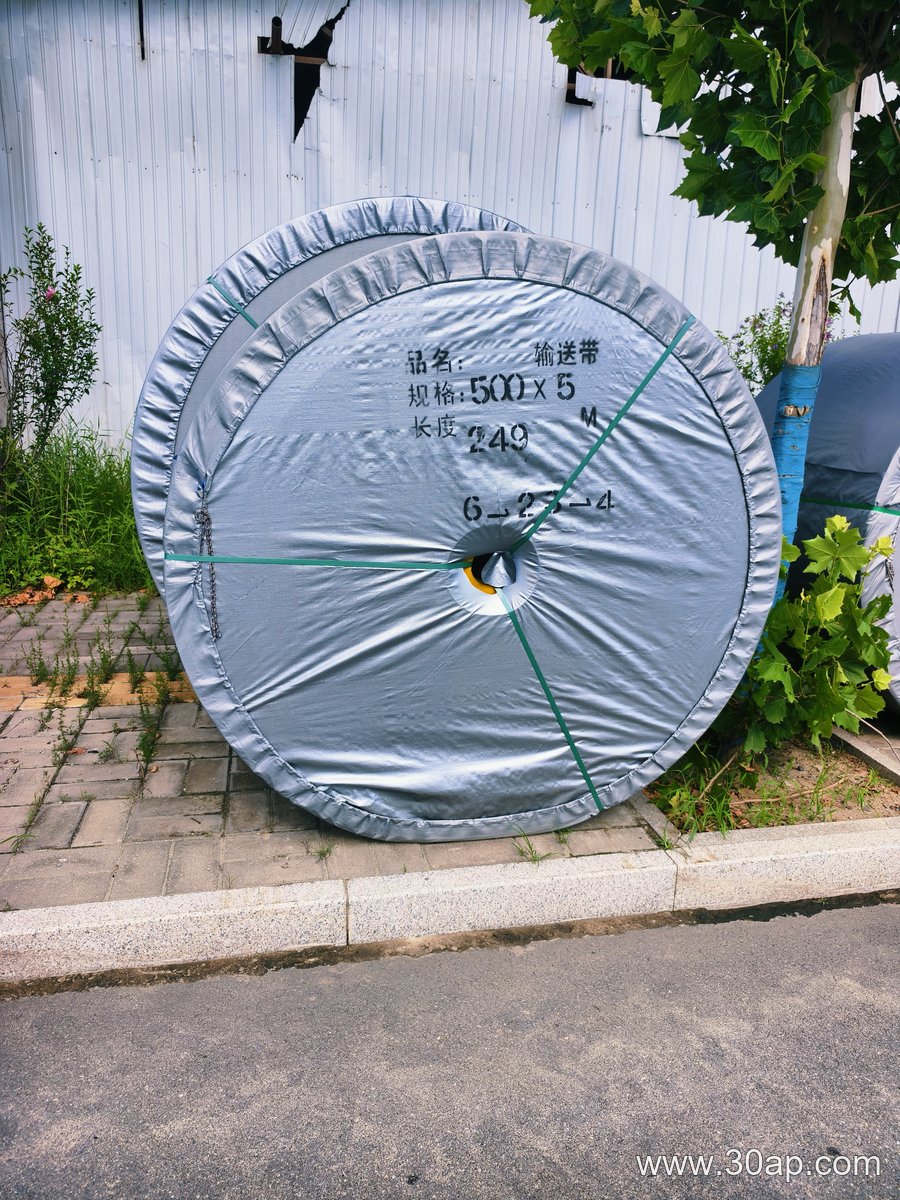
Assume a 600mm conveyor belt moving 50 kg boxes at 0.5 m/s on a 20 m center-to-center run. The trade-off is between a two-ply belt that may stretch and a three-ply belt that adds stiffness and cost.
Checking tension and pulley diameter
With a hypothetical 5 kN peak tension and a 200 mm drive pulley, the belt must have enough plies to resist elongation without exceeding recommended ply stress. A conveyor belt with three plies often suits this duty, but the exact rating depends on the manufacturer’s data.
Decision outcome
Choose a conveyor belt that meets the calculated tension with a modest safety margin, then confirm the pulley diameter allows the selected ply count to flex without delamination. This avoids over-specifying while keeping the line reliable.
Which standards apply to an idler roller in cement service
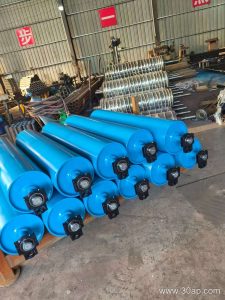
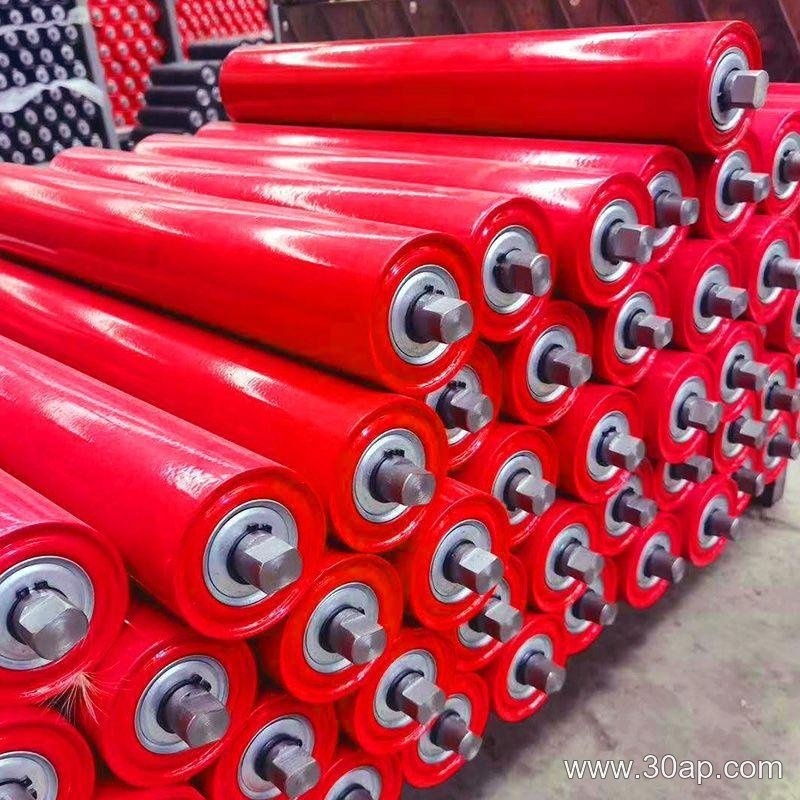
In a cement plant, an idler roller must survive abrasive dust, heat, and continuous load. Relevant standards such as ISO 1537 and EN 619 define dimensional and mechanical requirements, but they do not certify a specific roller. They set a common language for diameter, bearing fit, and load ratings.
What the standards cover and what they leave open
ISO 1537 addresses idler roller dimensions for belt conveyors, while EN 619 covers safety and design for continuous handling equipment. Neither standard guarantees performance in a given cement plant; they provide a framework. A supplier may claim conformity, but that is not a certification. Always verify test reports against the standard’s scope.
Practical checks before you specify
- Confirm the roller diameter and shaft end match the standard series.
- Check bearing housing tolerance and seal type against dust ingress expectations.
- Review load rating at the actual belt speed and material weight.
- Ask for material certificates for the tube and shaft, not just a standard number.
These steps help you use standards as a starting point, not a substitute for application-specific engineering.
Why a wet outdoor conveyor pulley loses grip differently than a dry one
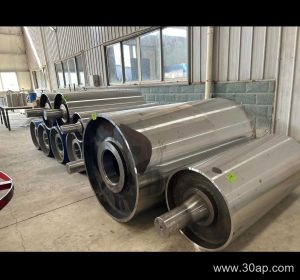
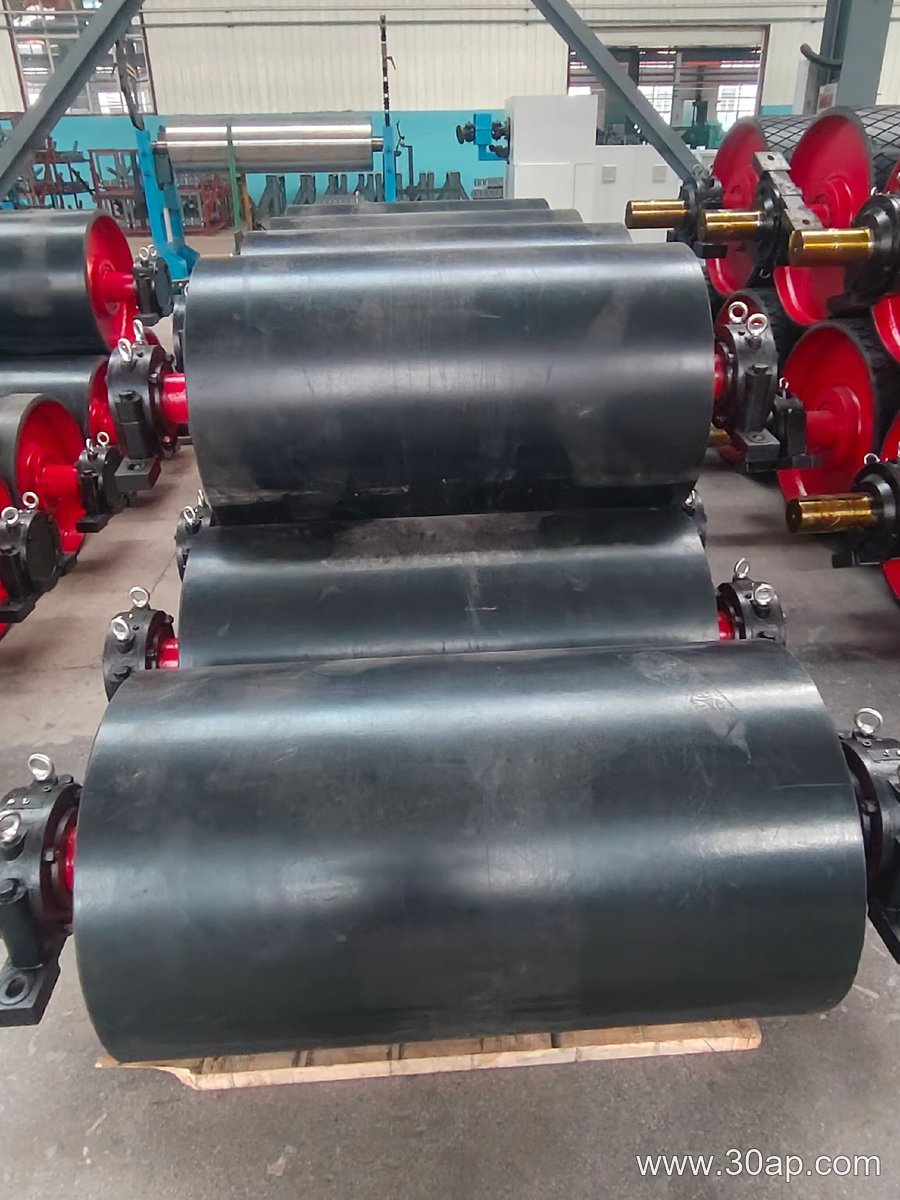
Rain, mud and overnight condensation change the friction story at the conveyor pulley shell. Water films and grit reduce the belt-to-lagging contact, so the pulley must combine drainage, traction and tracking in one design. Crown and lagging choice is the main trade-off.
Three engineering checks for a wet outdoor conveyor pulley
- Crown profile: a slight crown helps center the belt, but too much crown concentrates contact stress when the belt is wet and stiff.
- Lagging type: grooved rubber sheds water and grips, plain rubber wears longer in abrasion, and ceramic lagging resists slip but can polish the belt underside.
- Shell and shaft stiffness: a flexible conveyor pulley deflects under tension, reducing the crown’s effect and loading bearings unevenly.
Balance these against belt speed and load. In a hypothetical wet outdoor installation, a crowned, grooved rubber lagged conveyor pulley may hold better than a flat ceramic one, but it will need more frequent lagging inspection. The correct answer depends on water chemistry, grit size and belt tension, not on a single universal specification.