What a High Wear-Resistant Lagged Pulley Does
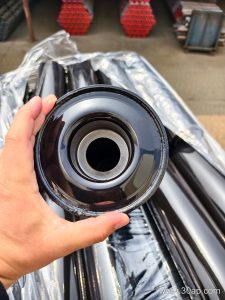
A high wear-resistant lagged pulley is a conveyor pulley whose outer shell carries a tough rubber or ceramic layer to grip the belt and resist abrasion. In many plants it is simply called a lagged drum or a rubber-lagged pulley, and it usually serves as a drive pulley at the head of the conveyor, where torque transfer and belt traction matter most. The lagging is the sacrificial surface: it protects the steel shell, raises friction between pulley and belt, and can be renewed when it wears thin.
It is not a tail pulley, a bend pulley or a tension pulley by default. Those positions have different duties. A tail pulley mainly guides and supports the belt at the loading end, while a bend pulley changes belt direction with little traction demand. A high wear-resistant lagged pulley is chosen where slip, abrasion and load are all present at once, so the lagging has to survive continuous contact with a moving conveyor belt.
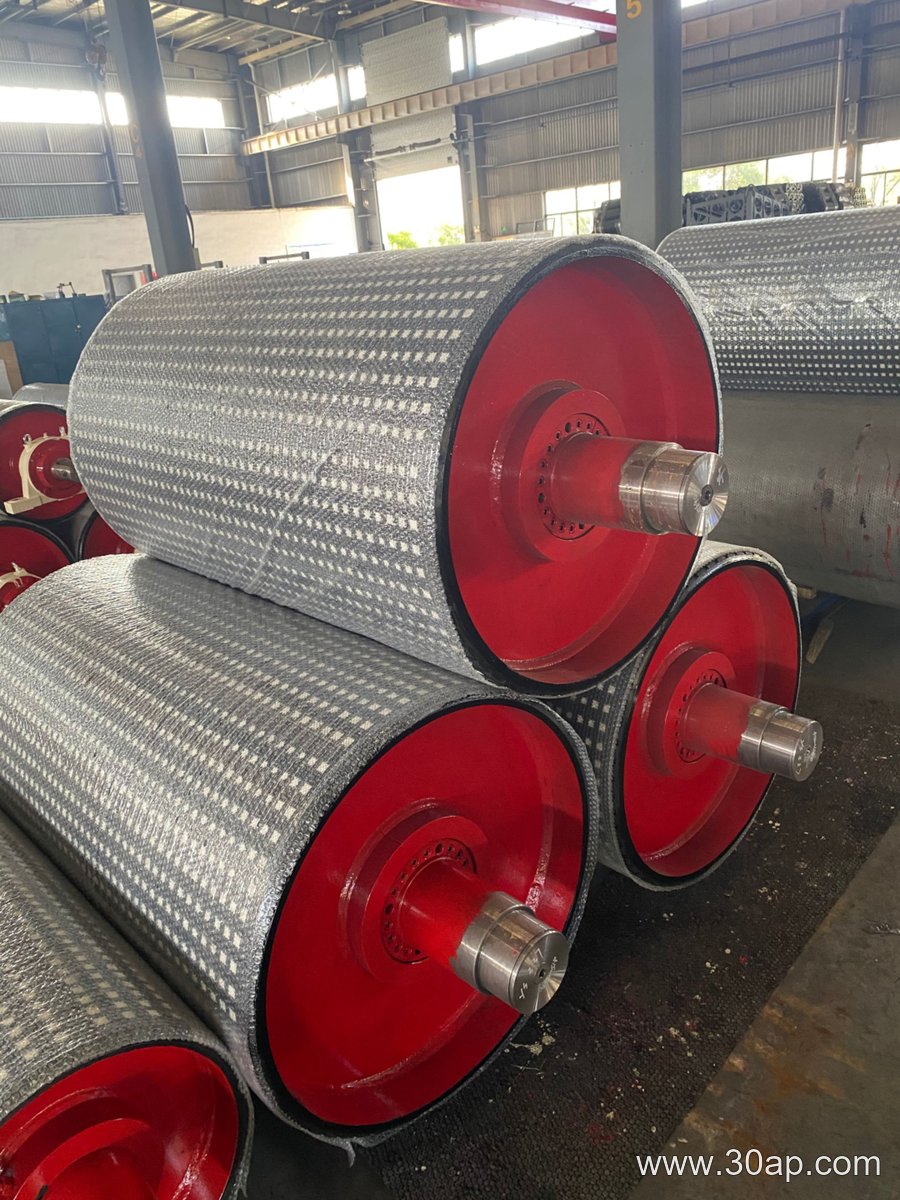
How the Lagging Is Built
The core is a welded steel drum with a shaft, hubs and end discs sized by torque and radial load. Around that shell, the wear-resistant layer is applied in one of several ways:
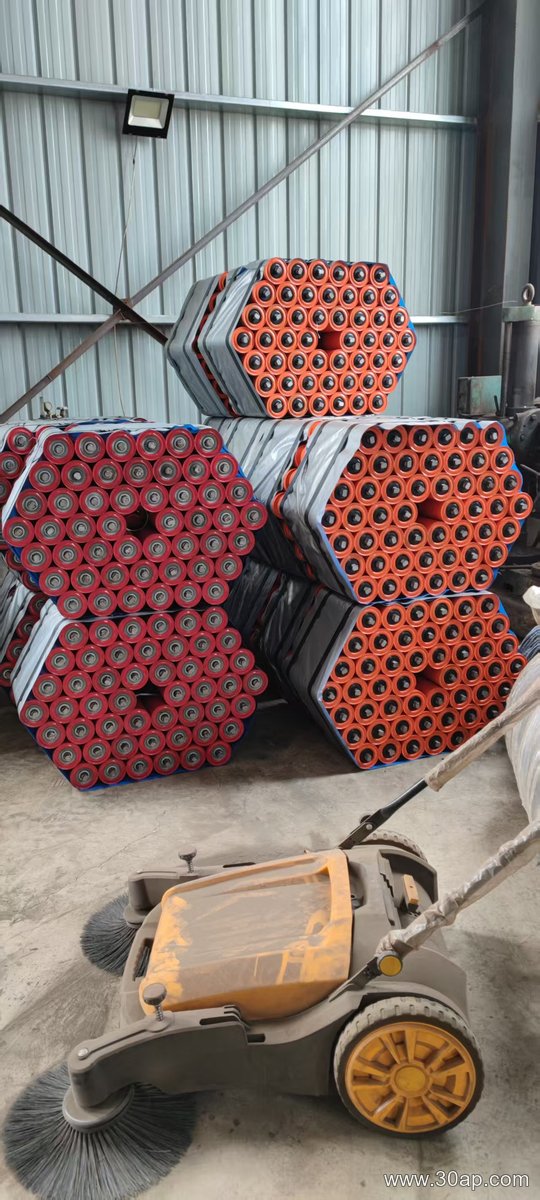
- Hot vulcanized rubber, bonded under heat and pressure for a dense, seamless cover
- Cold bonded rubber, often used for field repair or smaller batches
- Diamond or herringbone grooved rubber, which channels water and fines away from the contact zone
- Ceramic lagging, where hard ceramic tiles sit in a rubber matrix for extreme abrasion
- Plain sheet rubber in common thicknesses such as 8, 10, 12, 15 or 20 mm
Grooving and ceramic tiles are not decoration. On a wet or dusty conveyor, smooth rubber can hydroplane, so the pattern and hardness of the surface decide how much grip remains. A buyer should ask which surface form suits the material being carried, because a high wear-resistant lagged pulley for wet sand and one for dry clinker may look similar but behave differently.
Where It Fits on the Conveyor
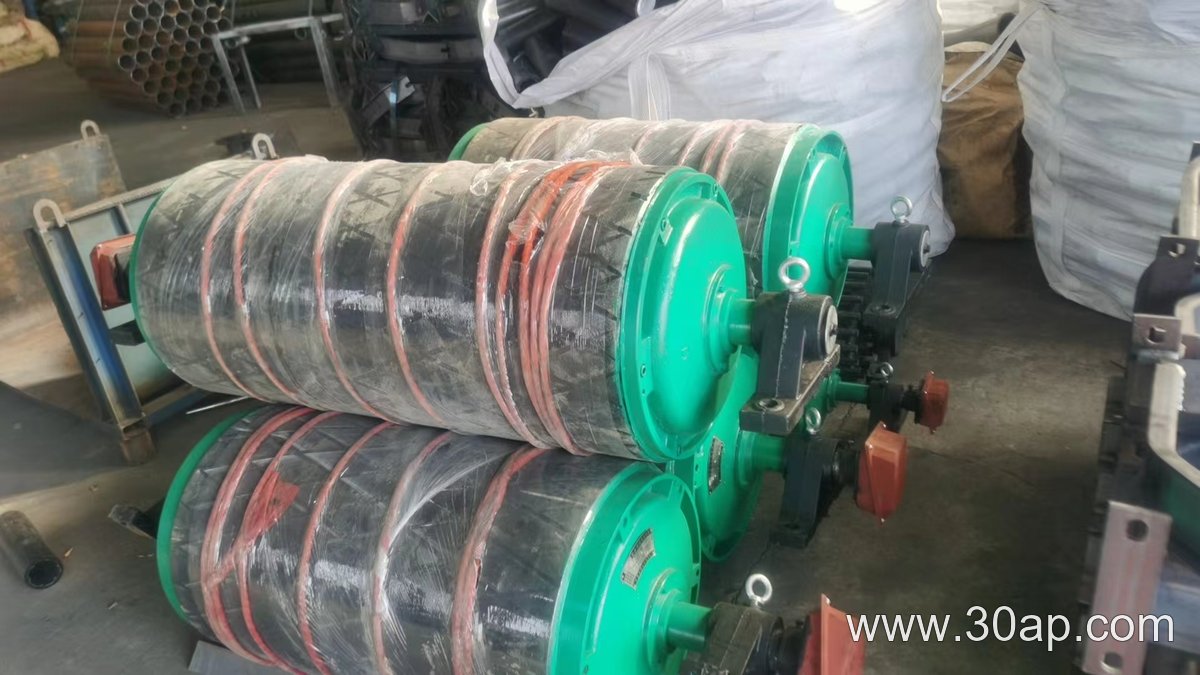
The usual home is the head or drive position of a belt conveyor in a quarry, a limestone mine or a sand and gravel line. Here the pulley pulls the loaded belt and takes the highest tension. The same wear-resistant design also appears on tension pulleys and on some snub or pressure pulleys where the belt wraps at a sharp angle and abrasion is heavy.
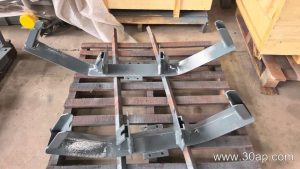
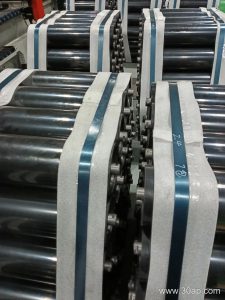
Mounting hardware matters as much as the drum. A conveyor bracket or bearing housing that is out of alignment will load one edge of the lagging and shorten its life. The pulley works together with the conveyor belt, the idler rollers along the carry side and return side, and the structure that holds them. If the belt tracks poorly, even the best lagging will wear unevenly.
Sizing and Selection Points
There is no single size that fits every conveyor. Belt width and pulley diameter are separate decisions: a B800 belt might run on a Ø500 pulley in one layout and a larger diameter in another, depending on belt tension, wrap angle and space. Common shell widths are slightly wider than the belt, for example about 950 mm for a B800 belt and about 1400 mm for a B1200 belt. Diameters such as Ø400, Ø500, Ø630 or Ø800 are common in medium-duty work, while larger drives may use Ø1000 or more.
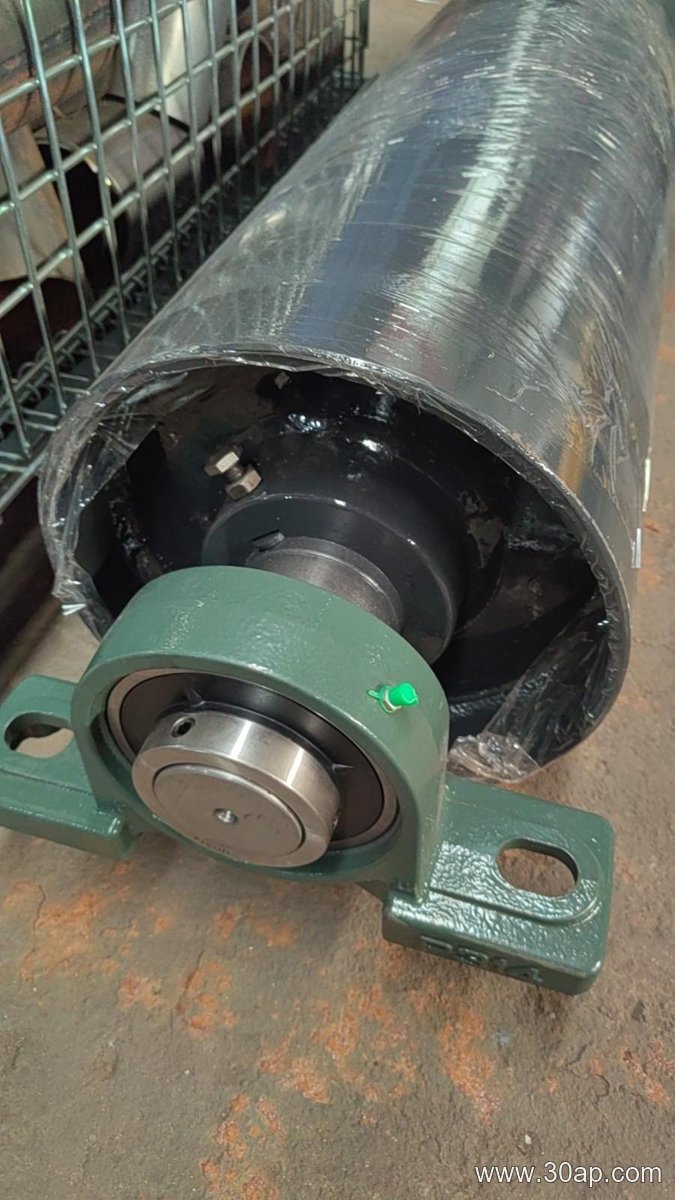
Shaft diameter is determined by torque and load, not by belt width alone. Values like Ø80, Ø100, Ø120 or Ø160 appear in catalogues, but the correct shaft for a given drive must come from the pulley designer. A buyer should supply belt width, belt speed, motor power, wrap angle, material characteristics and ambient conditions, then let the supplier confirm the lagging type and thickness.
What to Check Before Ordering
Ask for the lagging material, surface pattern, thickness and bonding method, and confirm that the shell width and shaft match the existing conveyor bracket and bearing centres. For a high wear-resistant lagged pulley in a crusher discharge or a coal handling line, ceramic or thick grooved rubber is often considered, while a lighter rubber cover may be enough on a clean aggregate conveyor. Also plan for maintenance: worn lagging can be re-covered, but a cracked shell or bent shaft usually means replacement. Keeping the belt aligned and the idlers turning will extend lagging life more than any single specification on the datasheet.