What a Coal Mine Belt Conveyor Pulley Does
A coal mine belt conveyor pulley is the rotating drum at the head, tail, or bend of a conveyor system that changes the direction of the belt and transmits power. In a coal mine, the conveyor belt often runs long distances through dust, moisture, and heavy loads. The pulley must keep that belt tracking straight, turning smoothly, and carrying coal without slipping. While a small idler roller only supports the belt, the pulley drives or redirects it. That difference matters when you specify components for a new system or replace a worn unit.
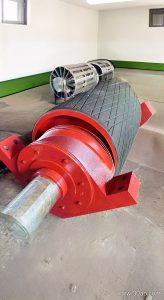
Depending on its job, the same basic drum may be called a drive pulley, a tail pulley, or a bend pulley. The drive pulley connects to the gearbox and motor, the tail pulley returns the belt, and a bend pulley changes the belt path without driving it. In some layouts, a take-up device pulley maintains tension so the belt does not sag or slip. All of these are part of the same family, and all must match the belt width, speed, and load profile of the mine.
How a Coal Mine Conveyor Pulley Is Built
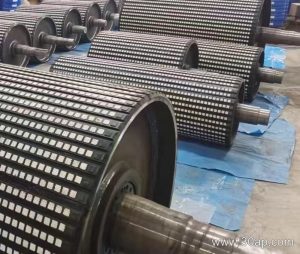
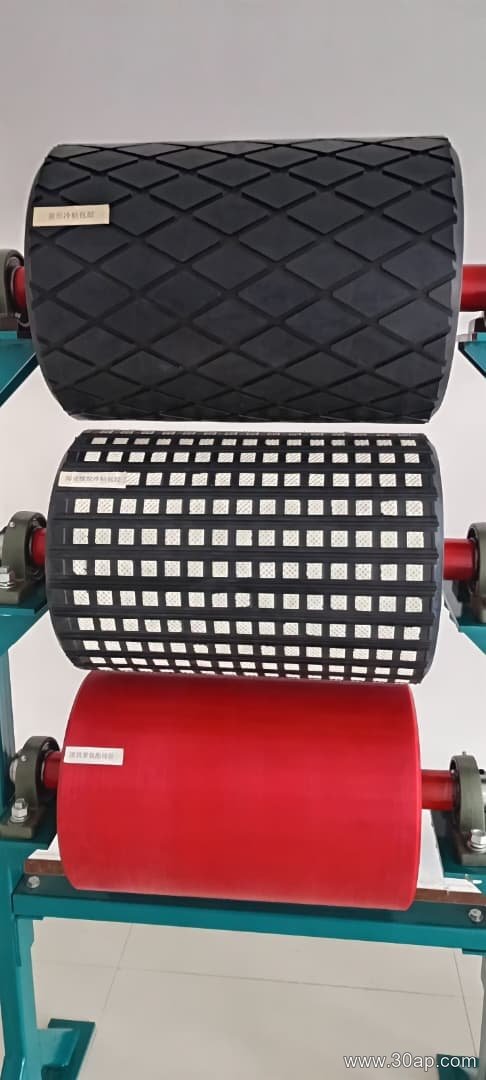
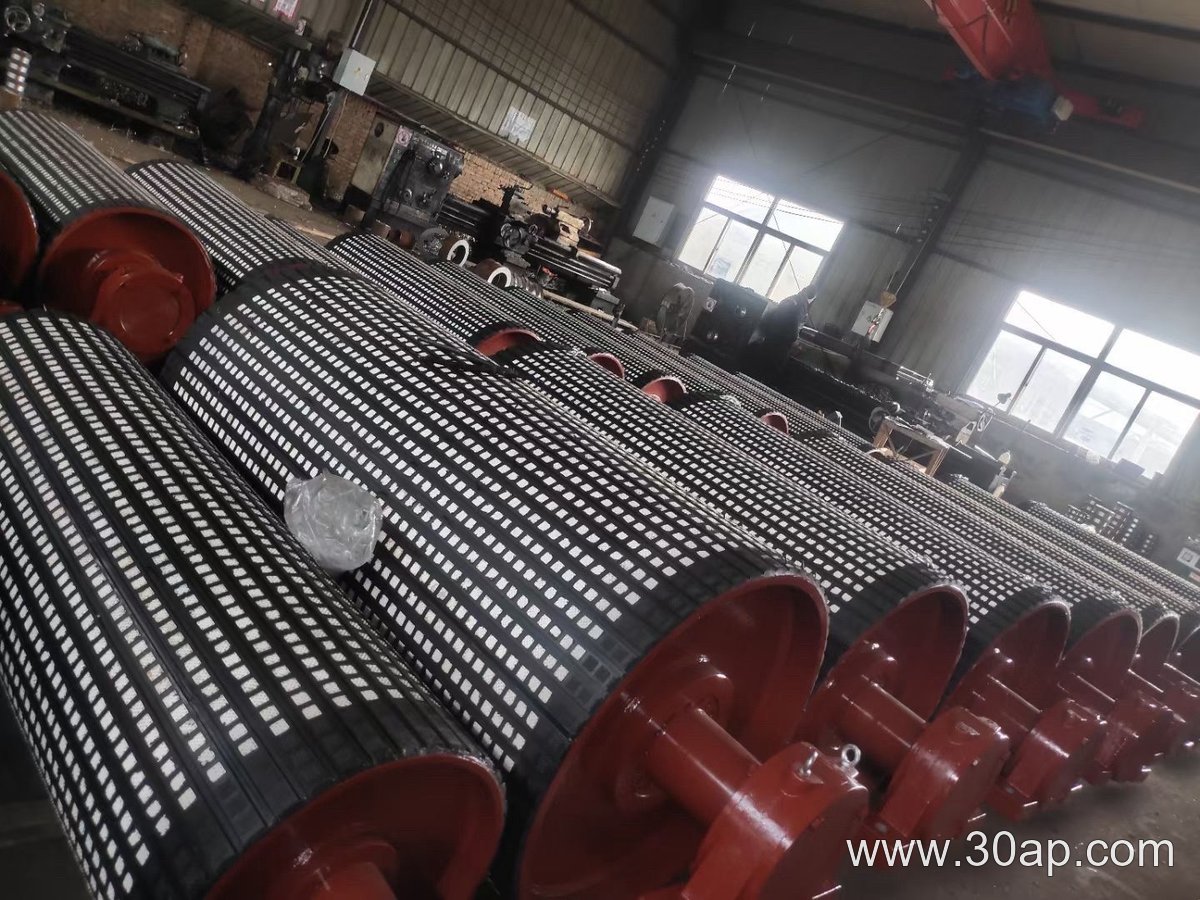
Most mine-duty pulleys start with a steel shell, often seamless pipe or rolled plate, welded to end discs and a central shaft. The shaft carries the bearings, which sit in housings bolted to the conveyor bracket or frame. A steel pulley is common because it handles high tension and resists deformation. For abrasive coal, the shell may be covered with rubber, ceramic, or a combination of both. A ceramic lagged drive pulley gives extra grip when the belt is wet or dusty, reducing slip without over-tensioning the belt.
The lagging is not cosmetic. It protects the shell from wear and improves friction between the pulley and the belt. Rubber lagging is quieter and more forgiving, while ceramic lagging lasts longer in severe abrasive conditions. The end discs may be flat or dished, and the shaft may be keyed or shrink-fitted. Bearing selection depends on load and speed, and lubrication must suit the mine environment. A 315mm diameter conveyor pulley may be right for a narrower or lighter section, while larger drums suit high-tension main lines. The exact size should come from the conveyor design, not from a catalog guess.
Where These Pulleys Are Used in Coal Handling
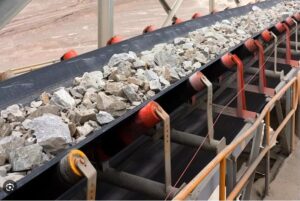
Coal mines use belt conveyors from the face to the preparation plant and stockyard. A coal mine belt conveyor pulley appears at the head drive, the tail return, and every bend where the belt changes direction. In underground mines, space is tight, so pulleys must be compact and easy to inspect. On the surface, long overland conveyors may use multiple drive pulleys and take-up device pulleys to manage stretch. Port facilities that receive coal also rely on similar drums; a port conveyor pulley is built for salt air, heavy tonnage, and continuous duty.
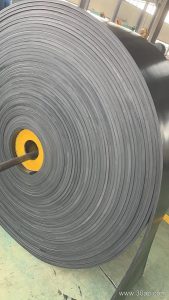
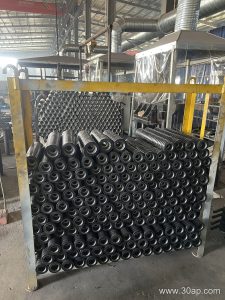
Other equipment works alongside the pulley. The conveyor belt itself is the load-bearing element. Idler rollers support the belt between pulleys and reduce friction. The conveyor bracket holds the pulley assembly in alignment. A take-up device pulley keeps tension steady as the belt stretches or shrinks with temperature. When one part wears, the others feel it, so maintenance teams often inspect the whole run rather than a single drum.
What Buyers Should Check Before Ordering
Buying a replacement pulley is not just about diameter. Start with the belt width, the shaft diameter, and the bearing centers. Confirm the pulley face length so the belt is fully supported. Check the lagging type and thickness for your coal conditions. If the mine has wet or oily belts, a ceramic lagged drive pulley may be worth the extra cost. If the belt is light and clean, plain steel or standard rubber may be enough.
Ask about the balancing grade, because an unbalanced drum at high speed can damage bearings and the conveyor bracket. Confirm the shaft material and the welding procedure. For a 315mm diameter conveyor pulley, verify the load rating and the maximum belt tension. Also review the bearing type and sealing, because coal dust destroys poor seals quickly. If the pulley is part of a take-up system, make sure the take-up device pulley matches the travel and tension requirements.
- Belt width and pulley face length
- Shaft diameter and keyway dimensions
- Lagging material and thickness
- Bearing type, seals, and lubrication
- Balancing and runout tolerances
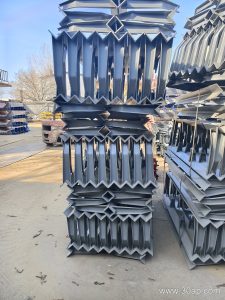
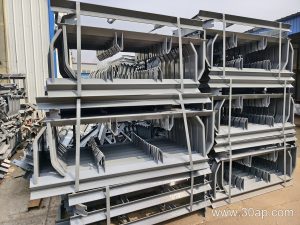
- Mounting pattern for the conveyor bracket
Installation and Maintenance Notes
Correct alignment saves money. A pulley that is not square to the belt will cause tracking problems, edge wear, and premature lagging failure. Use the conveyor bracket and frame to shim and align the drum. Check that the belt is centered and that the take-up device pulley moves freely. After startup, watch for vibration, noise, and heat at the bearings. Those signs often point to misalignment, a worn idler roller nearby, or a loose foundation bolt.
Routine checks should include lagging wear, shell cracks, and bearing temperature. Replace lagging before it wears through to the steel shell. Keep the area around the pulley clear of coal spillage, because buildup can change the belt path. If the mine uses a steel pulley in a wet area, inspect for corrosion under the lagging. A small repair now can prevent a belt rip or a shutdown later.
Matching the Pulley to the Whole Conveyor
The best pulley is the one that fits the system. A drive pulley must match the motor and gearbox torque. A tail pulley must handle the return belt without damaging the splice. A bend pulley must guide the belt without adding too much friction. When you specify a coal mine belt conveyor pulley, think about the entire conveyor belt, the idler rollers, the conveyor bracket, and the take-up device pulley as one machine. That view helps you choose a drum that lasts, keeps the belt centered, and supports safe coal production.