What a Non-Standard Conveyor Bracket Is
A non-standard conveyor bracket is a custom-fabricated support component that holds idler rollers or conveyor pulleys in a position that standard catalog hardware cannot accommodate. Instead of forcing a conveyor belt to run on a frame that almost fits, engineers specify a non-standard bracket to match the actual structure, duty, and space envelope of the machine. In practice, the same item is often called a custom conveyor support bracket or a made-to-order idler mounting bracket, and those names refer to the same product family.
The distinction is not about quality. It is about geometry and fit. A standard bracket follows a published mounting pattern, while a non-standard bracket is produced from a drawing or a measured site condition. That difference matters most when a conveyor is modified, when a new chute or skirt interferes with the original frame, or when a replacement roller must sit at an angle the original holes do not allow.
How the Bracket Is Built
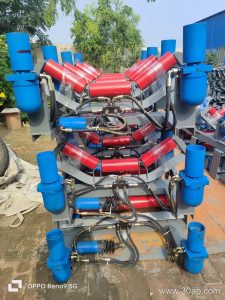
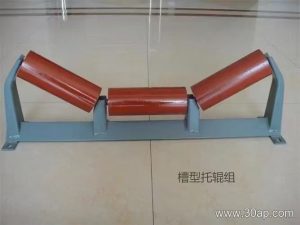
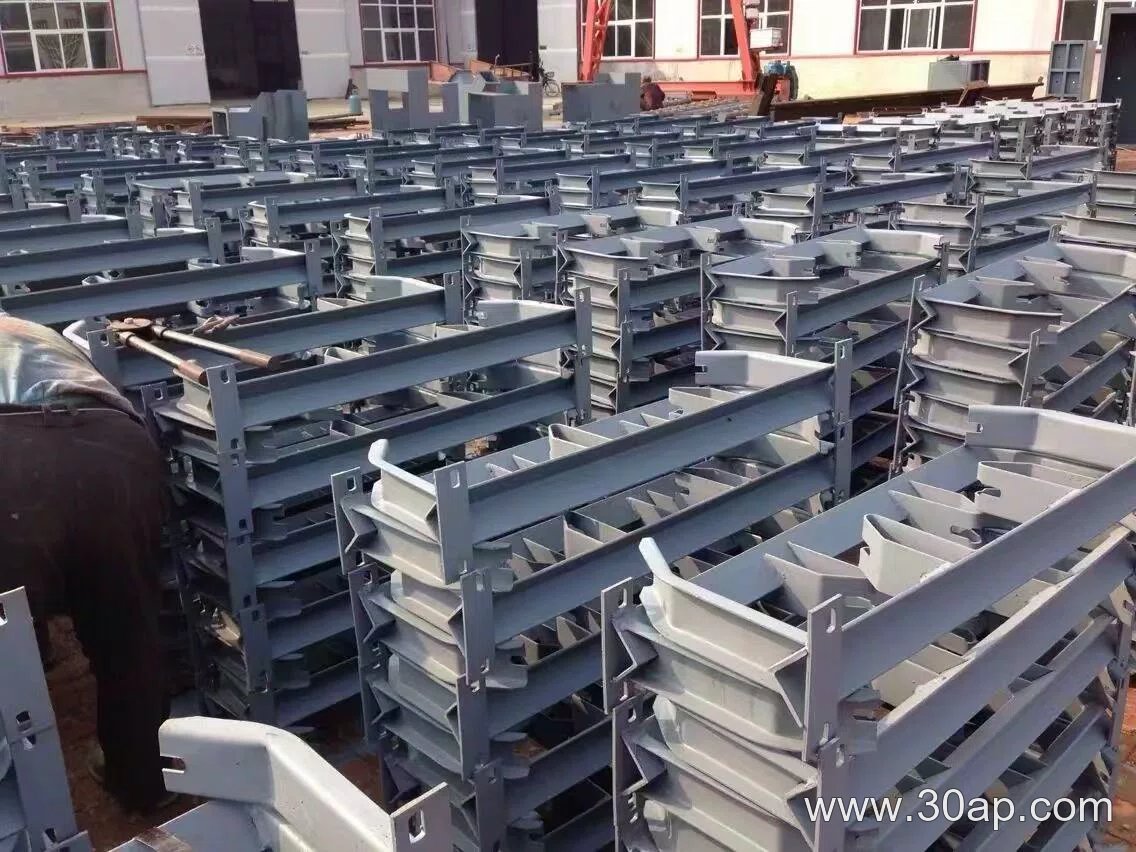
Fabrication usually starts with structural steel. Common materials include angle iron, channel steel, and folded steel plate. The choice depends on the load path and the available welding or bolting space. A bracket that carries a single return roller may use lighter angle, while a bracket that supports a heavily loaded troughing station may use channel or a folded plate with gussets.
Key features of a non-standard conveyor bracket often include:
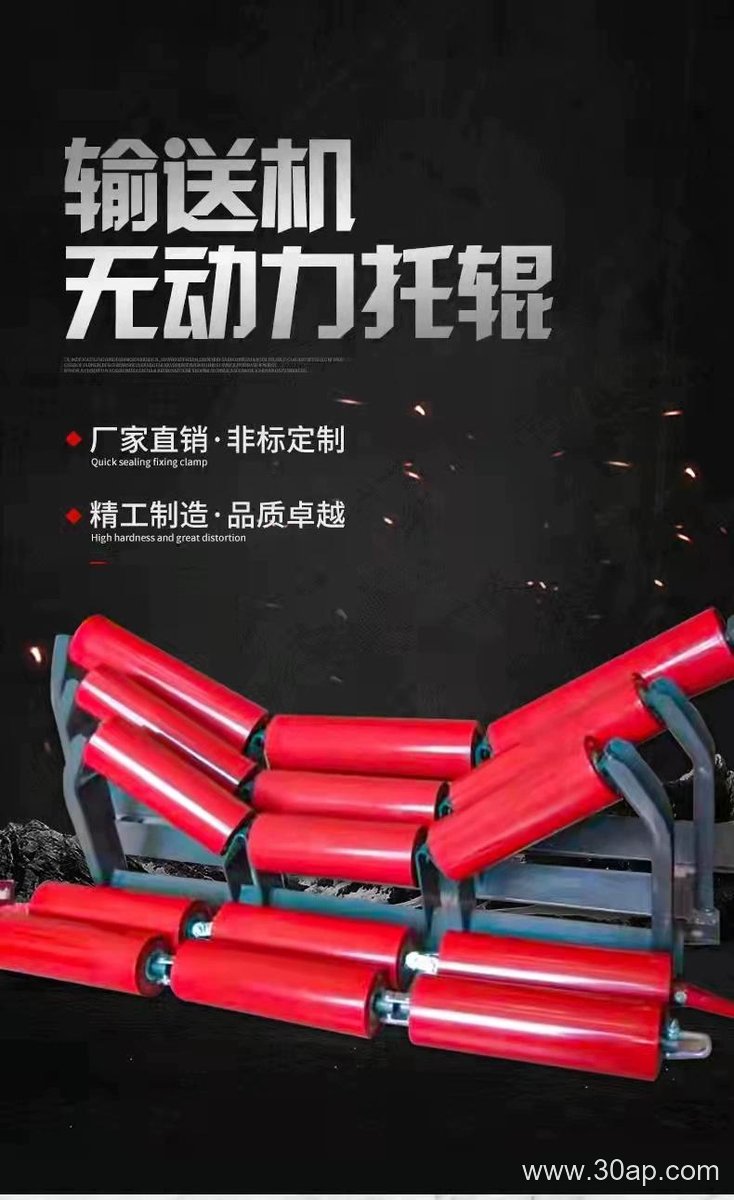
- Slotted or offset mounting holes that allow field adjustment
- Reinforcing ribs or bent flanges for stiffness
- Welded or bolted roller seats sized to the shaft end
- Provisions for a V-return or a training idler when belt wander is a concern
Because the bracket is non-standard, the mounting hole spacing and the crossbeam length are not fixed numbers. They are determined by the belt width, the trough angle, and the frame design. A bracket for a B800 belt at a 35 degree trough angle with Ø108 rollers will not have the same hole pattern as one for a B1200 belt at 45 degrees with Ø133 rollers. That is normal, and it is why a drawing or a site measurement is more useful than a generic size chart.
Where It Fits in a Conveyor System
A non-standard conveyor bracket is used wherever the belt must be supported, guided, or transitioned in a way that the original frame does not provide. Typical locations include:
- Transition zones where the belt changes from flat to troughed
- Loading points where impact rollers need a reinforced seat
- Return runs where a V-return bracket controls belt sag
- Alignment stations where a training bracket corrects mistracking
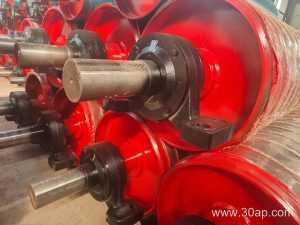
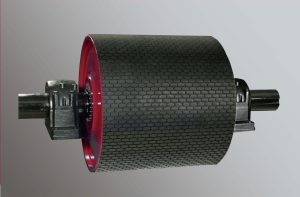
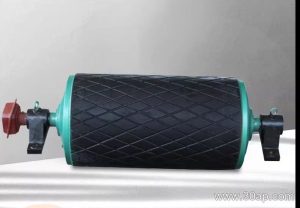
These brackets work together with the conveyor belt, idler roller, and conveyor pulley. They do not replace the pulley. A drive pulley, a tail pulley, and a bend pulley each have their own function and their own mounting arrangement, and a bracket for a roller station is not interchangeable with a pulley support. In a quarry or a crushing and screening line, a non-standard bracket often solves a problem created by a new feed chute or a rebuilt frame. In a cement plant or a coal handling system, it may be used to fit a replacement roller into an older structure without cutting the main frame.
Common Types and Adjustability
The table below shows reference types and typical matching data. These are examples, not universal specifications, and any project should confirm dimensions against the actual conveyor design.
| Bracket Type | Common Belt Width | Typical Trough Angle | Typical Roller Diameter |
|---|---|---|---|
| Troughing bracket | B500, B650, B800 | 20°, 30°, 35° | Ø89, Ø108 |
| Transition bracket | B800, B1000, B1200 | 30°, 35°, 45° | Ø108, Ø133 |
| Return bracket | B650, B800, B1000 | Flat or V-return | Ø89, Ø108, Ø133 |
| Adjustable bracket | B1000, B1200, B1400 | 20° to 45° | Ø133, Ø159 |
| Impact bracket | B1200, B1400, B1600 | 35°, 45° | Ø159, Ø194 |
An adjustable bracket allows the trough angle to be changed between, for example, 20 degrees and 45 degrees. A forward-tilt bracket usually sets the side rollers at about 1.5 to 2 degrees ahead of the belt direction to help centering. A fixed bracket has no such movement, and it is chosen when the belt path is already stable and the frame is rigid.
What a Buyer Should Check
Before ordering a non-standard conveyor bracket, collect the belt width, the required trough angle, the roller diameter, and the shaft end size. Measure the existing mounting hole centers and the available clearance to the belt and the frame. Confirm whether the bracket must be welded or bolted, and whether it needs slots for later adjustment. If the bracket is near a pulley, state clearly whether it supports a roller or a pulley, because drive, tail, and bend pulleys are not interchangeable names and their supports differ.
A well-specified non-standard bracket keeps the belt supported, the rollers aligned, and the structure simple. It is a small part, but it decides how well the whole conveyor runs at that station.