Inspecting Your Conveyor Bracket for Early Failure Signs
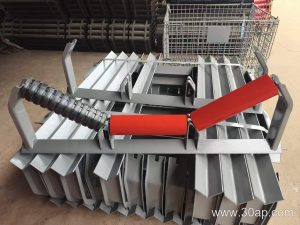
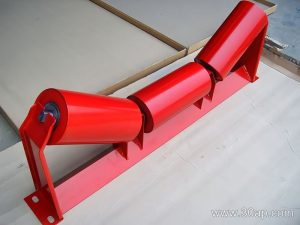
How do maintenance engineers catch mechanical issues before a material handling line stops completely? On a busy general manufacturing line, a conveyor bracket bears continuous dynamic loads from idler assemblies and moving product streams. Routine inspection must focus on visual checks for paint flaking, fretting corrosion around mounting slots, and microscopic surface rust that indicates micro-motion between mating surfaces.
Technicians should check the alignment of every conveyor bracket during scheduled monthly shutdowns. If the conveyor bracket shifts laterally, the belt begins to mistrack, leading to accelerated edge wear on the belting material and higher friction across the entire transport deck.
Preventive Maintenance Practices for Reliable Operation
Proactive maintenance keeps heavy equipment running without unplanned downtime. For a standard steel conveyor bracket, torque verification on all anchor bolts is essential. Vibration from drive motors and pneumatic actuators can slowly back out threaded fasteners, causing the conveyor bracket to loosen against the structural stringer.
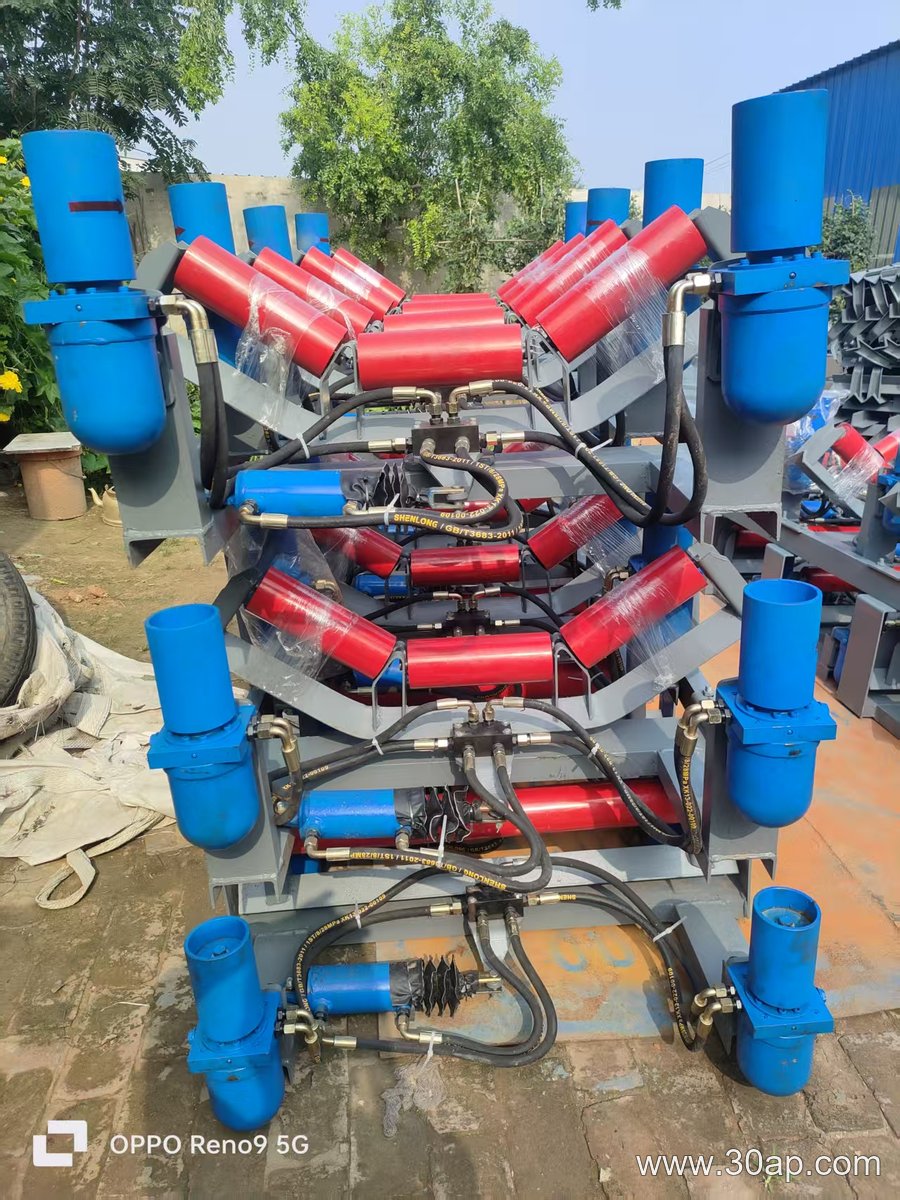
- Check mounting torque values using calibrated hand tools against manufacturer recommendations.
- Clean out manufacturing debris, dust, and particulate buildup trapped beneath the conveyor bracket base plate.
- Apply corrosion-inhibiting coatings or touch-up paint immediately upon discovering exposed bare metal.
Identifying When a Conveyor Bracket Needs Replacement
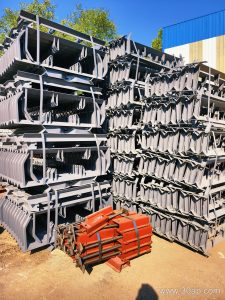
Even with rigorous upkeep, mechanical components eventually reach the end of their operational lifecycle. A deformed conveyor bracket resulting from accidental heavy impact or severe overload must be taken out of service immediately. Watch for telltale fatigue cracking radiating outward from the welded gussets or bolt holes.
If field measurements show permanent plastic deformation, straightening the conveyor bracket in a shop press is rarely effective because the material has already lost its original structural yield strength. Prompt replacement with an identical geometry ensures that belt tension, idler troughing angles, and load distribution return to safe engineering parameters.