Why the Conveyor Pulley Defines System Efficiency
The conveyor pulley is not a passive roller; it is the mechanical heart that drives belt tension, tracking, and torque transfer. Choosing the wrong pulley leads to slippage, belt misalignment, and premature failure.
Key Types and Their Applications
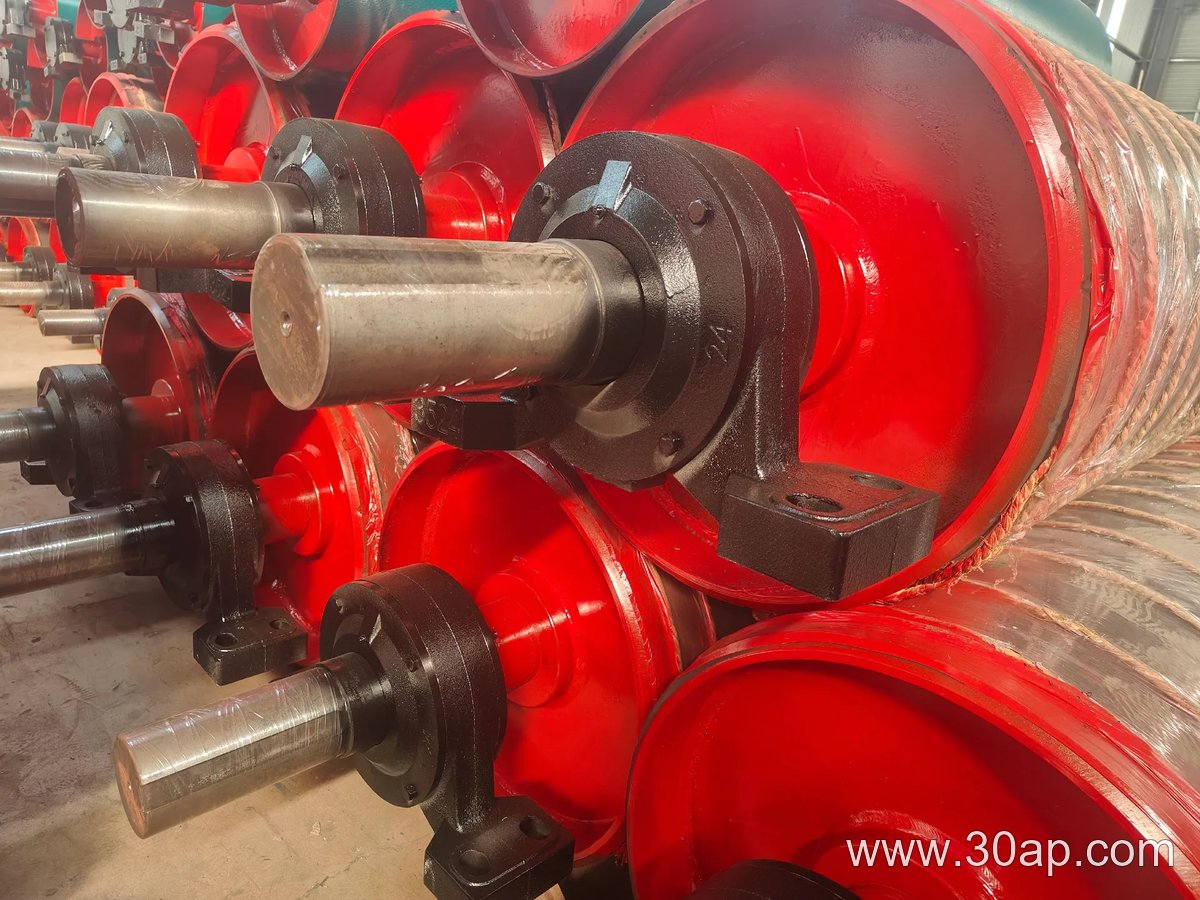
- Drive pulleys – connected to the motor; require lagging for grip and high shaft strength.
- Bend pulleys – change belt direction with minimal load; ideal for tight spaces.
- Take-up pulleys – maintain tension; must handle dynamic loads and frequent adjustment.
Material and Design Considerations
Steel pulleys suit heavy mining; rubber-lagged versions protect against abrasion. For corrosive or food-grade environments, select stainless or epoxy-coated shells. Verify crown profiles (for self-centering) and proper bearing housing seals.
Purchasing Advice
- Match pulley diameter to belt width and minimum wrap angle – never undersize.
- Confirm shaft diameter and hub connection (keyed, taper lock, or shrink disc) against your torque rating.
- Request finite element analysis (FEA) reports for high-tension applications.
- Always specify lagging type: ceramic for wet, diamond-groove for dry, and smooth for high-speed.
- Check replacement intervals for bearings and bushings – buy from suppliers with local stock.
Invest in a correctly engineered conveyor pulley; it reduces downtime and extends the entire conveyor’s life. Audit your current system’s load and speed before ordering.
Why the Conveyor Bracket Matters More Than You Think
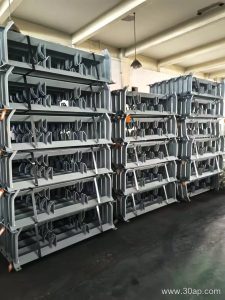
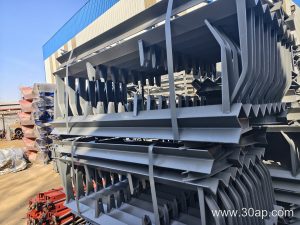
The conveyor bracket is the unsung hero of any belt or roller system. It secures idlers, absorbs dynamic load, and maintains belt alignment under heavy, continuous operation. Choosing the wrong bracket leads to vibration, premature wear, and costly downtime.
Key Selection Criteria
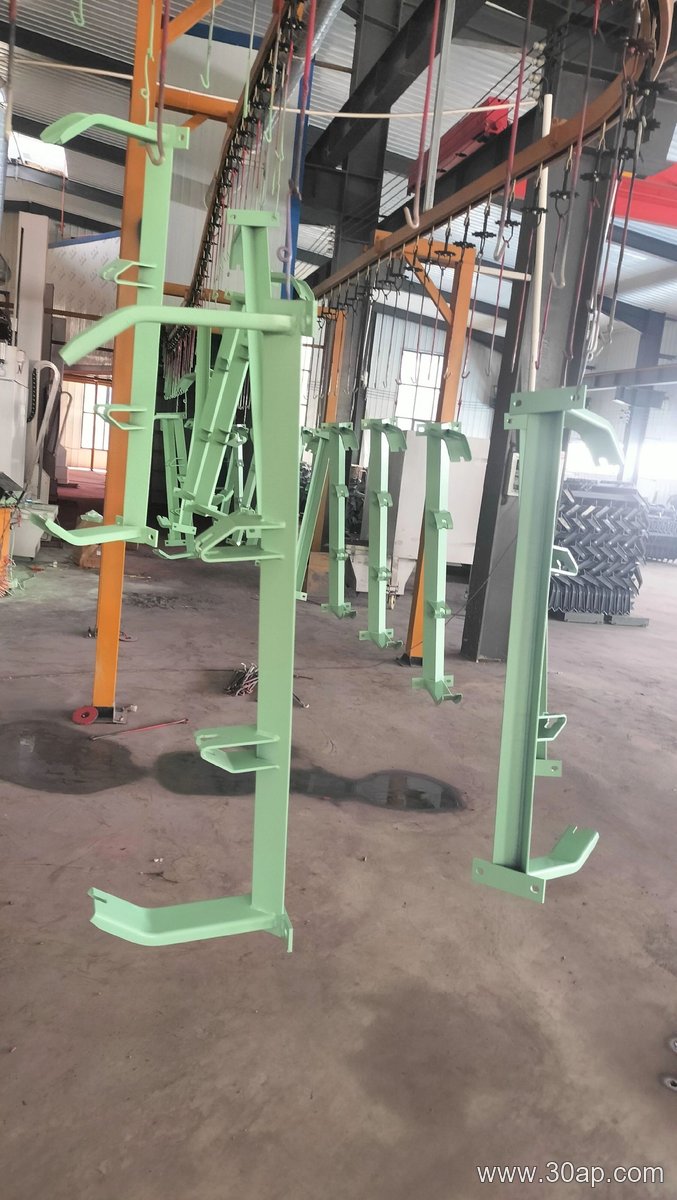
- Material grade: Use hot-dip galvanized steel for corrosive environments; powder-coated carbon steel for dry, indoor lines.
- Load rating: Match the bracket’s static and dynamic capacity to your peak belt tension and lump size.
- Mounting geometry: Verify slot spacing and angle (20°, 35°, or 45°) to fit your existing idler frames without modification.
Purchasing and Inspection Advice
Always request a sample for trial mounting. Check weld quality, flange flatness, and bolt-hole tolerance with a caliper. For replacement, order 5% extra brackets to cover wear parts. Look for suppliers that offer CAD drawings and load test certificates—this ensures engineering traceability.
In summary, a properly engineered conveyor bracket reduces maintenance hours and extends belt life. Prioritize rigidity over price, and confirm the bracket’s finish matches your operational environment.
Why the Conveyor Belt Dictates Throughput
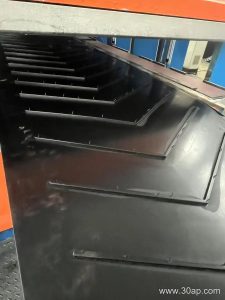
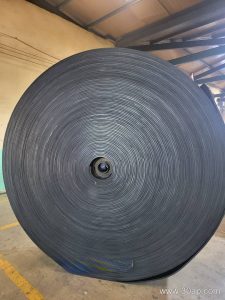
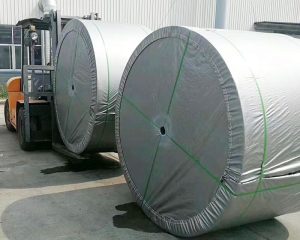
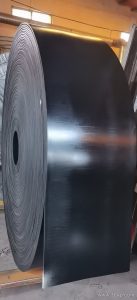
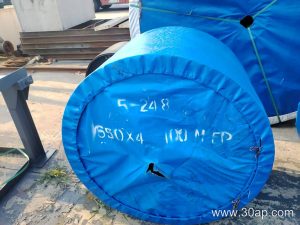
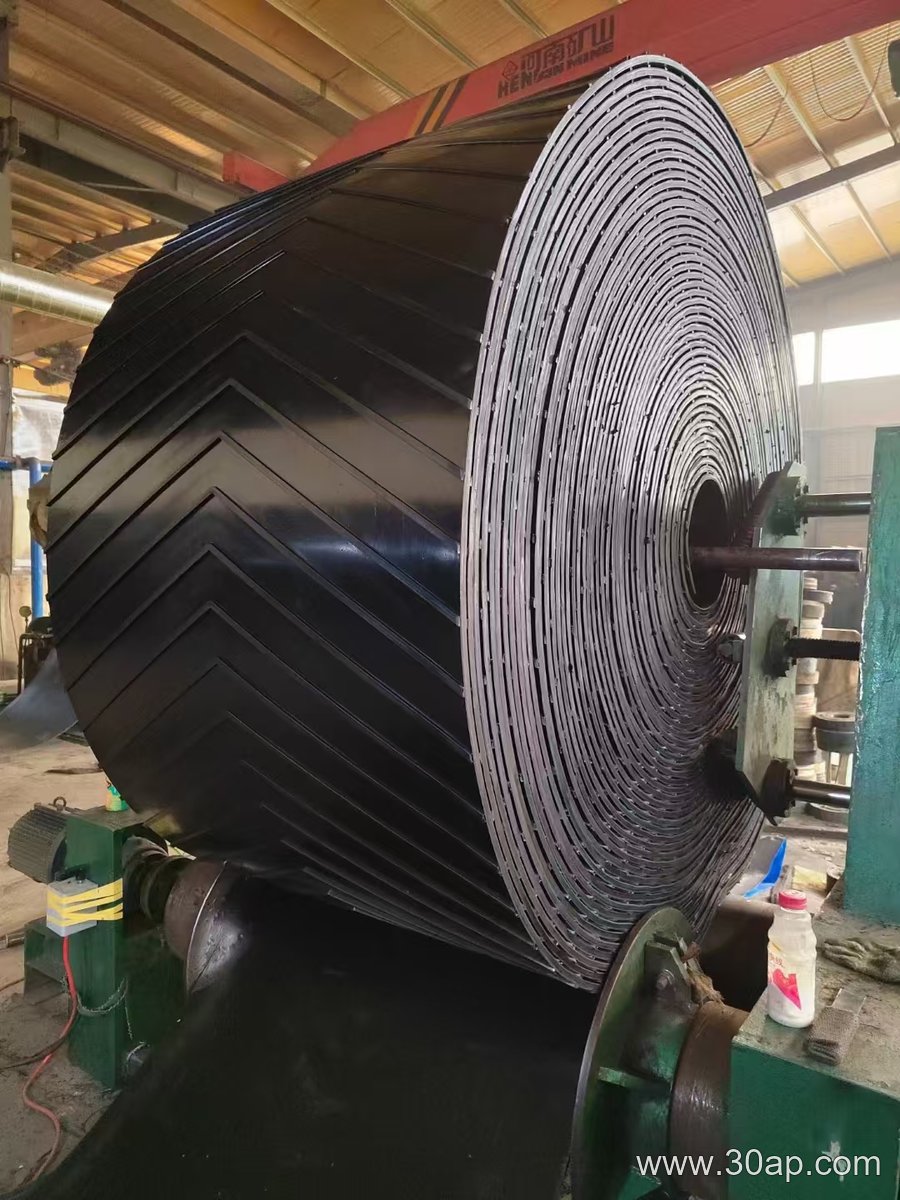
The conveyor belt is the circulatory system of any bulk handling or assembly line. Its material, splice type, and tension profile determine downtime, energy cost, and product safety. Selecting a belt without load-cycle analysis leads to premature edge wear or tracking failure.
Key Selection Criteria
- Tensile strength: Match carcass (polyester, nylon, or steel cord) to peak start-up torque, not just running load.
- Cover compound: Use abrasion-resistant rubber (e.g., RMA grade II) for sharp ore; food-grade PU for direct contact.
- Operating temperature: Avoid standard PVC above 80°C; specify heat-resistant SBR or silicone for curing ovens.
- Belt width and speed: Calculate from material cross-section (ISO 5048) to prevent spillage and excess idler friction.
Purchasing and Maintenance Advice
Request a belt with vulcanized endless splicing if your line permits; mechanical fasteners shorten life by 20–30%. Always verify troughability at the installed idler angle (35°–45°) and demand a certified dynamic splice test report. For quick replacement, keep one spare belt in climate-controlled storage, away from ozone and UV, and rotate stock every two years.
Why the Idler Roller Determines Conveyor Efficiency
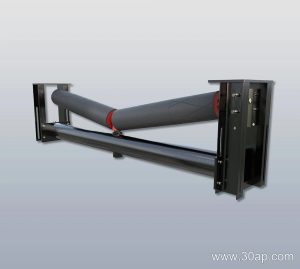
The idler roller is the unsung hero of any bulk material handling line. It supports the belt, shapes the load, and absorbs impact — yet a poorly chosen roller causes belt misalignment, premature wear, and costly downtime.
Key Factors When Buying Idler Rollers
- Load rating: Match the roller’s dynamic capacity to your actual tonnage, including surge loads.
- Diameter and trough angle: Wider belts and heavier materials require larger diameters and 35°–45° troughs for stability.
- Sealing and bearing quality: Opt for labyrinth or contact seals with C3 or C4 bearings in dusty or wet environments.
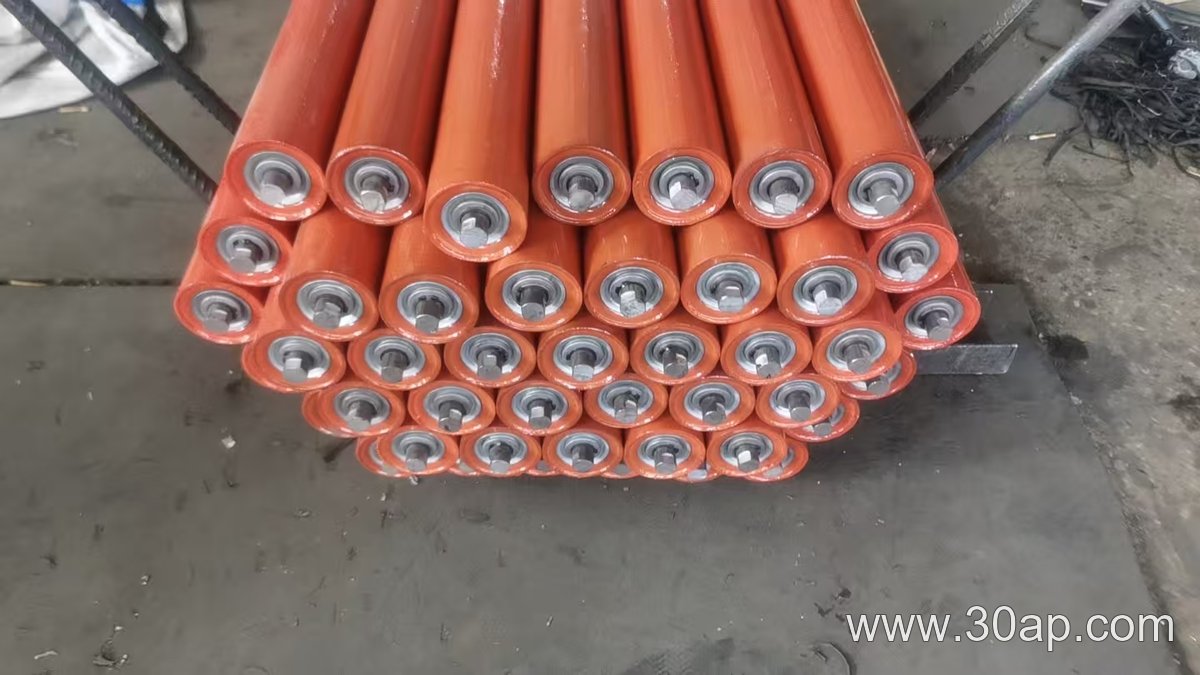
- Shell material: Steel is standard; HDPE or rubber-coated shells reduce belt wear and noise in corrosive or abrasive service.
Practical Purchasing Advice
Always verify the roller’s run-out tolerance (≤0.7 mm) and wall thickness (≥3 mm for heavy duty). Request a sample for a spin test — a true idler roller rotates smoothly with no wobble. Also, check interchangeability with your existing frames to avoid retrofit costs.
Finally, calculate total cost of ownership: a higher-priced roller with premium bearings often outlasts three cheap replacements. Work with a supplier who provides load data and warranty terms, not just a catalog price.