What a Conveyor Idler Bracket Does
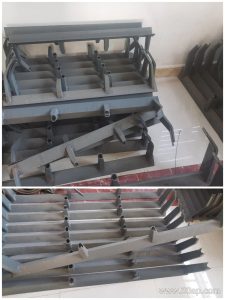
A conveyor idler bracket, also called a conveyor bracket or idler frame, is the structural component that holds idler rollers in the correct position beneath and along a conveyor belt. It sets the trough angle, keeps roller spacing consistent, and transfers the load from the belt and material into the conveyor frame. Without a properly aligned bracket, the belt can drift, the rollers can wear unevenly, and spillage becomes more likely.
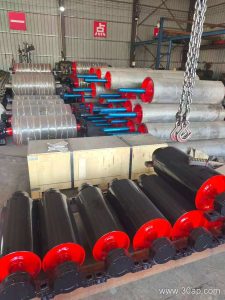
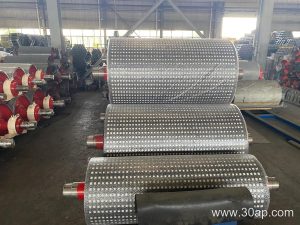
The bracket is not a pulley. Drive pulleys, tail pulleys, and bend pulleys transmit power and change belt direction, while brackets only support and guide idlers. Keeping that distinction clear helps when specifying replacement parts.
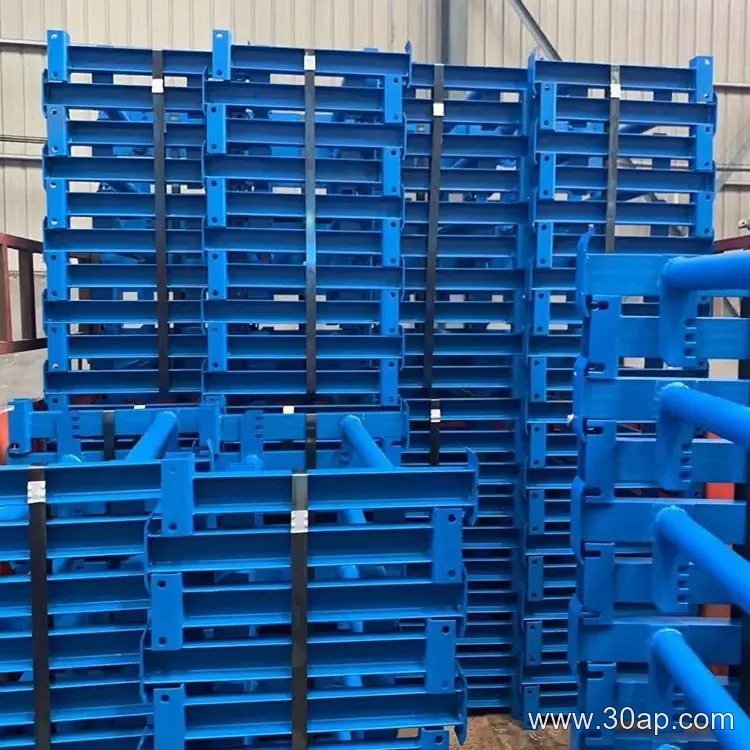
Construction and Common Forms
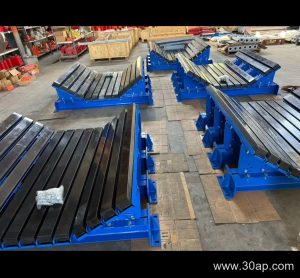
Most brackets are fabricated from angle steel, channel steel, or folded steel plate. The choice depends on belt width, load, and the number of rollers the bracket must carry. A troughing bracket usually holds three rollers at a set trough angle. A return bracket supports the belt on the return side, often with a flat or V-shaped roller arrangement. A transition bracket sits between the tail pulley and the first full troughing set, easing the belt from flat to troughed.
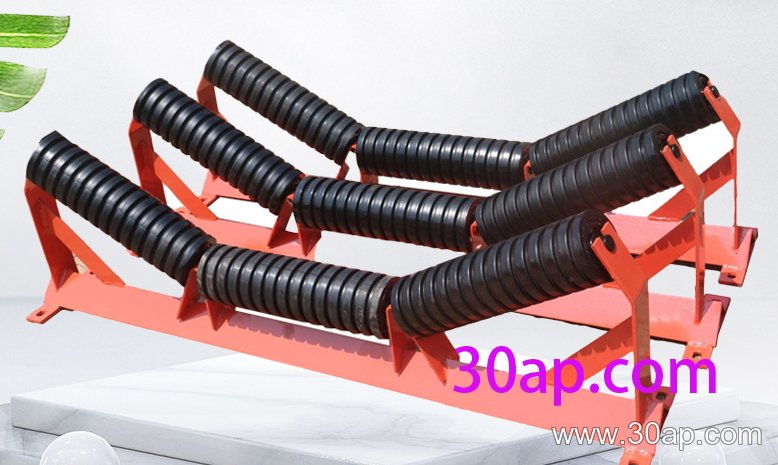
Other forms include impact brackets for loading zones, self-aligning brackets for belt tracking, and adjustable brackets that allow the trough angle to be changed on site. A hanging bracket is used where the frame design suspends the idler set rather than bolting it to a cross member.
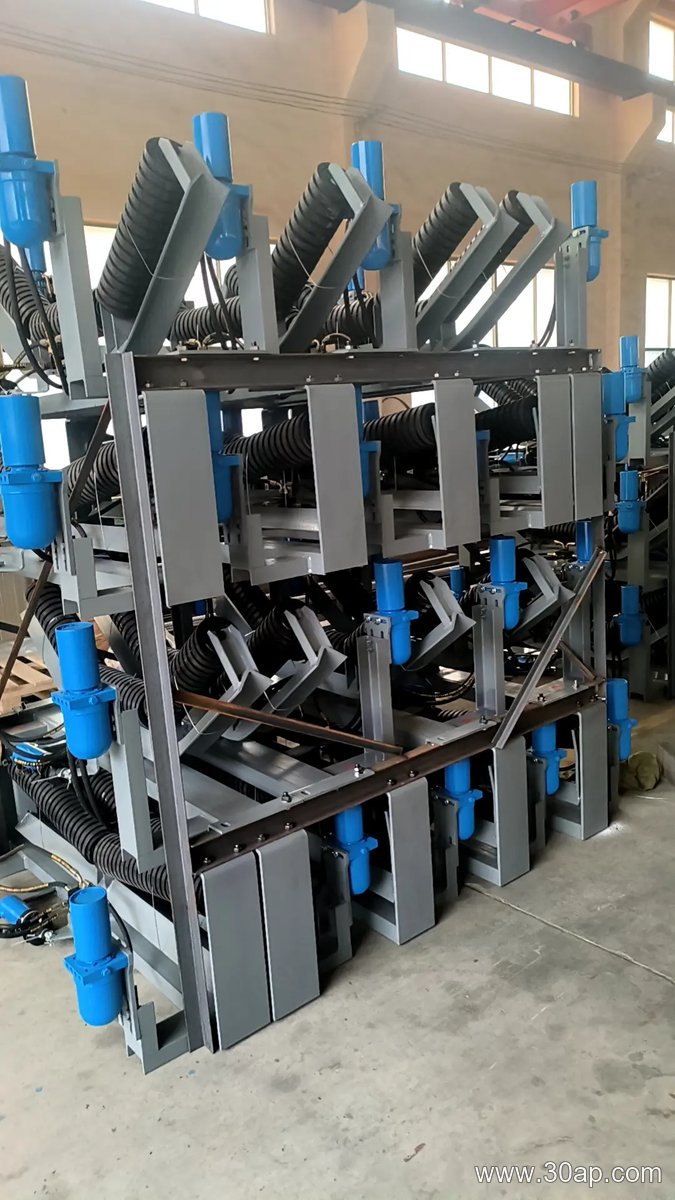
Matching Bracket, Belt, and Roller
Bracket selection is tied to belt width, trough angle, and roller diameter. These values are chosen together, not in isolation. A wider belt generally needs a longer cross member and a wider bracket opening, but belt width alone does not fix roller diameter. The table below shows common reference combinations; actual dimensions should follow the conveyor design.
| Belt width | Trough angle | Roller diameter | Typical bracket use |
|---|---|---|---|
| B500 | 20 degrees | Ø89 | Light-duty troughing |
| B650 | 30 degrees | Ø89 or Ø108 | General troughing |
| B800 | 35 degrees | Ø108 | Standard bulk handling |
| B1000 | 35 degrees | Ø108 or Ø133 | Medium-duty conveying |
| B1200 | 45 degrees | Ø133 | High trough angle |
| B1400 | 35 degrees | Ø159 | Heavy-duty conveying |
| B1600 | 45 degrees | Ø159 or Ø194 | Large belt support |
Adjustable brackets can be set between 20, 30, 35, and 45 degrees. Some forward-leaning designs use about 1.5 to 2 degrees of tilt to help center the belt. Hole spacing and cross member length change with belt width and trough angle, so they should be confirmed against the frame drawing rather than assumed.
Where These Brackets Are Used
Conveyor idler brackets appear in nearly every bulk material handling line. In a limestone quarry or crushing and screening plant, they carry the belt through loading, transport, and discharge zones. In a coal washing plant or power station coal yard, they support long runs where dust and moisture are present. The same bracket family is used in grain silos, fertilizer plants, and concrete batching stations, though the roller and frame details differ with the material and belt width.
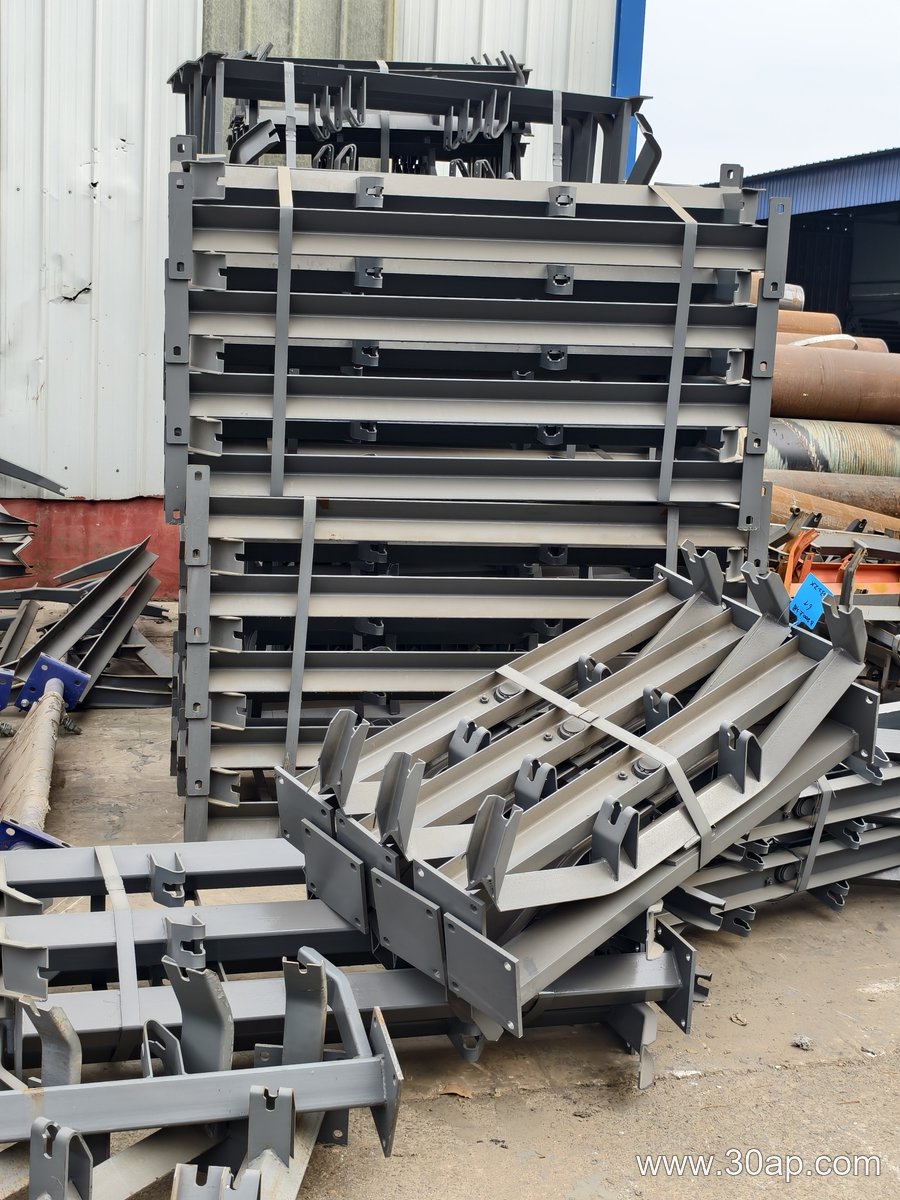
Impact brackets are common under crusher discharge and transfer chutes, where falling material would otherwise damage standard rollers. Self-aligning brackets are used on long overland conveyors where belt tracking is critical.
What Buyers Should Check
- Confirm the bracket type: troughing, return, transition, impact, self-aligning, or adjustable.
- Match the bracket to the actual belt width and trough angle, not to a guessed size.
- Check roller diameter and shaft end dimensions against the idler roller being used.
- Verify hole spacing and cross member length against the conveyor frame.
- Ask whether the bracket is fixed or adjustable if the trough angle may change.
- Consider the material and finish for dusty, wet, or corrosive conditions.
A conveyor idler bracket is a small part of the line, but it controls how well the belt, idler roller, and conveyor pulley work together. Getting the bracket type and dimensions right reduces downtime and keeps the belt running true.