Understanding Conveyor Belt Core Specifications
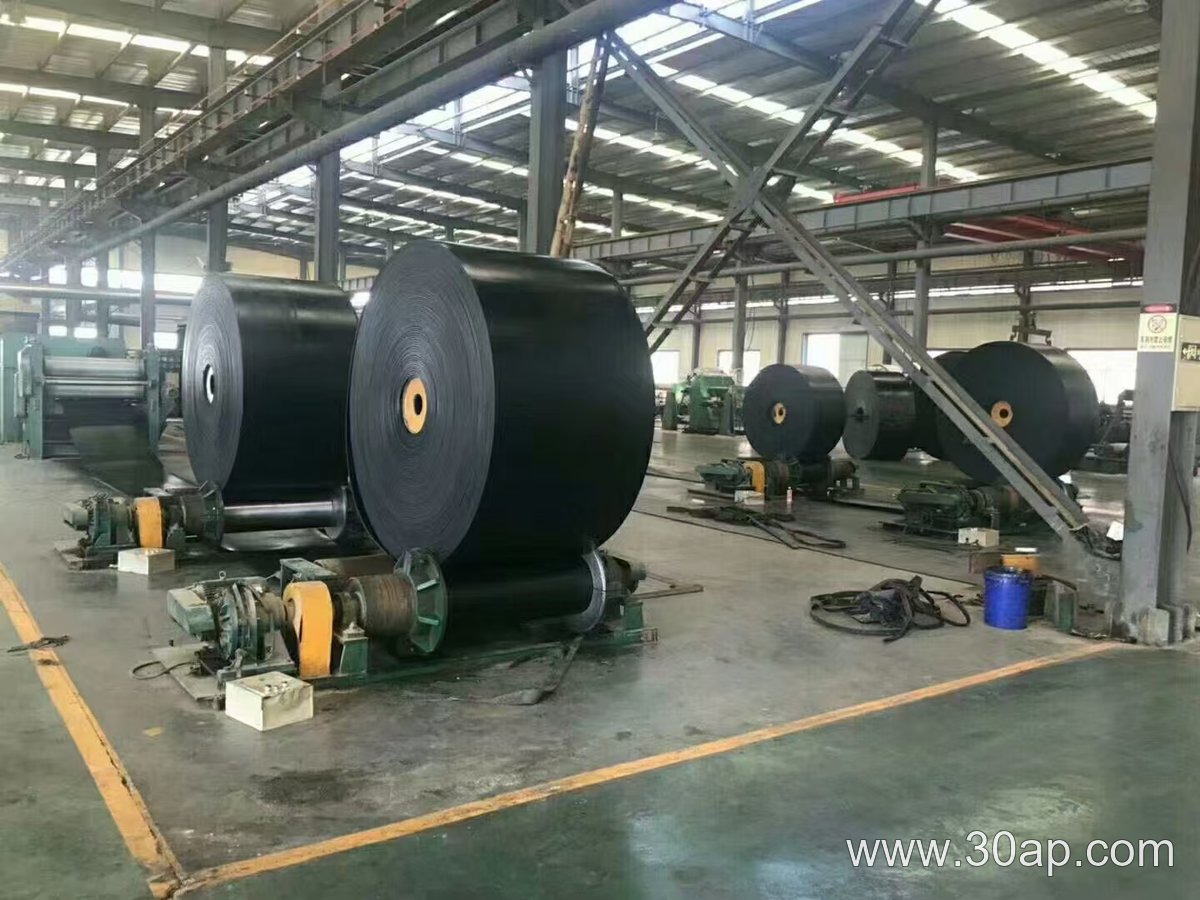
The conveyor belt is the workhorse of any bulk handling or assembly line. Its tensile strength, cover thickness, and carcass material determine service life and downtime risk. For heavy aggregates, choose a rubber belt with steel cord reinforcement; for food-grade lines, opt for a thermoplastic polyurethane (TPU) belt with smooth, cleanable surfaces.
Key Purchasing Parameters
- Belt width and speed: Match to your product size and required throughput (tonnes per hour).
- Operating temperature: Standard rubber handles -20°C to 60°C; silicone or PTFE covers extend this range.
- Impact and abrasion: Specify a higher cover grade (e.g., DIN X) for sharp, heavy materials.
- Tracking and splicing: Request a v-guide or cleated profile if your conveyor has steep inclines or frequent side loads.
Advice for New Installations
Always request a belt edge strength test and compare elongation at break across suppliers. For replacement belts, verify the existing pulley diameter and idler spacing before ordering. Ask for a lifetime cost calc, not just price per meter—a premium belt often halves maintenance hours.
Understanding the Idle Roller’s Core Role
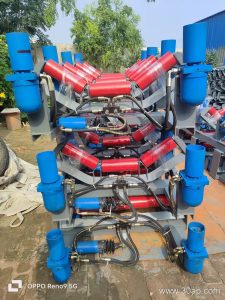
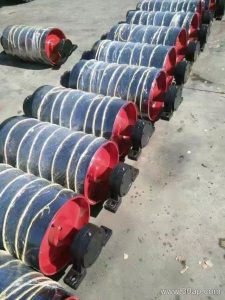
The idler roller is a cylindrical component that supports the conveyor belt and its load along the carrying and return sides. Without properly selected idlers, belts misalign, sag, and wear prematurely, leading to costly downtime.
Key Selection Criteria
- Load rating: Match the roller’s dynamic load capacity to your material weight and belt speed.
- Diameter and shell thickness: Larger diameters reduce belt sag but increase cost; thicker shells resist impact.
- Bearing type and seal: Choose labyrinth seals for dusty, wet, or corrosive environments, and consider C3 clearance for high-temperature operations.
Purchasing Advice
Specify the trough angle (20°, 35°, or 45°) to match your conveyor frame. Verify the idler roller’s runout tolerance (ideally below 0.5 mm) to minimize vibration. Always request a life-cycle cost estimate—not just upfront price—because higher-quality rollers with better seals often outlast cheaper options by 3–5 times.
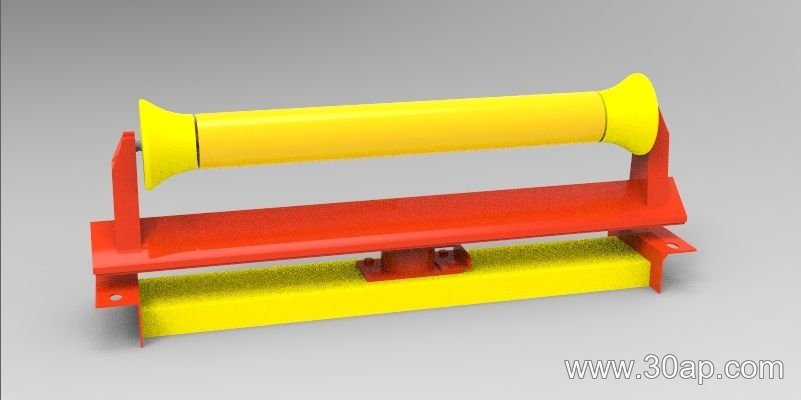
Finally, ensure the roller’s shaft ends fit your existing brackets; standard inch or metric dimensions vary by manufacturer. Test a sample unit under full load before bulk ordering.
Understanding the Conveyor Pulley’s Role
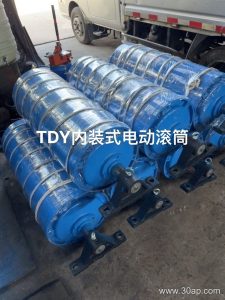
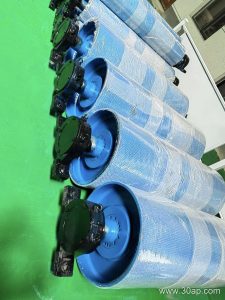
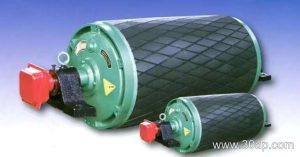
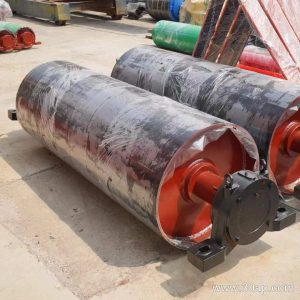
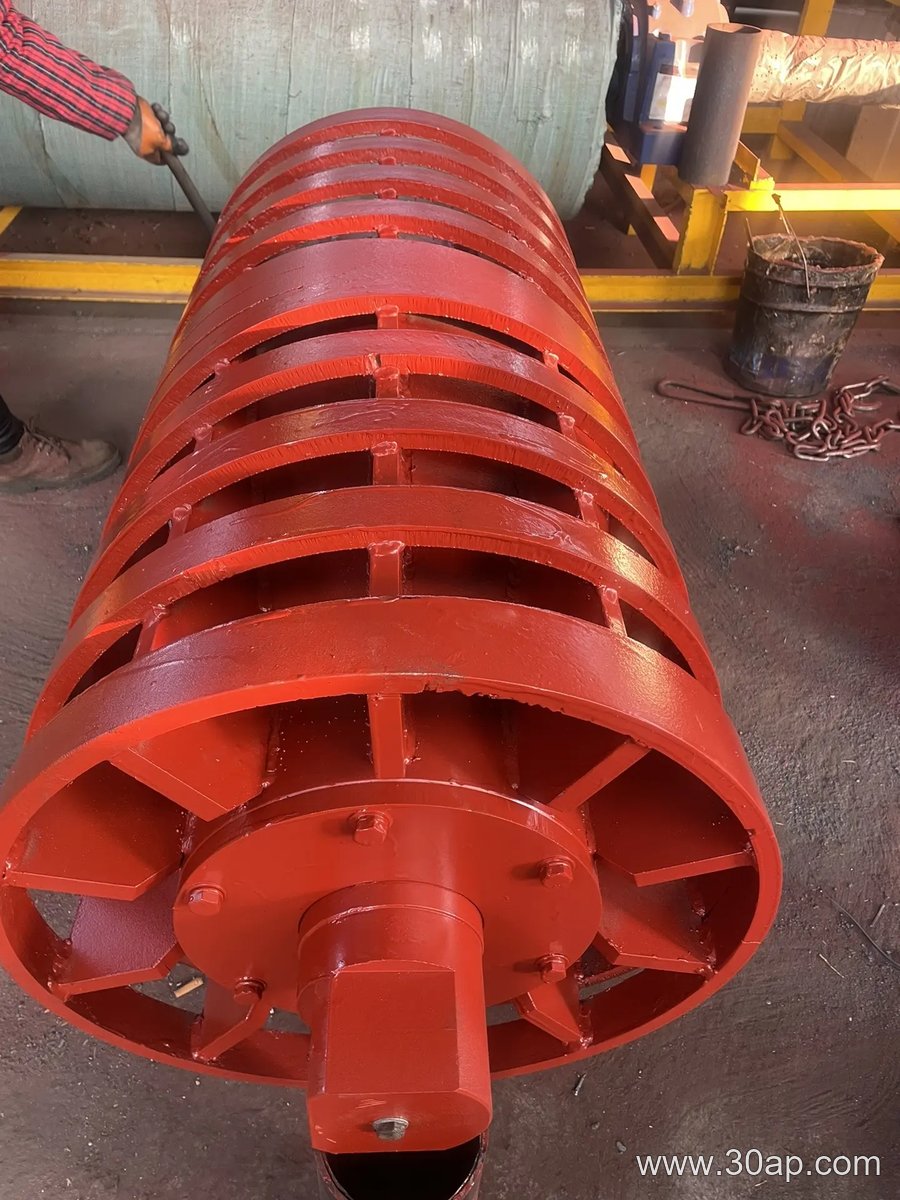
The conveyor pulley is the mechanical heart of any belt conveyor system, providing the driving force, redirecting the belt, and maintaining proper tension. Without a precisely engineered pulley, even the best belt and motor will fail prematurely.
Key Types and Their Applications
- Drive (Head) Pulley: Transfers torque from the motor to the belt; often lagged with rubber or ceramic for increased friction.
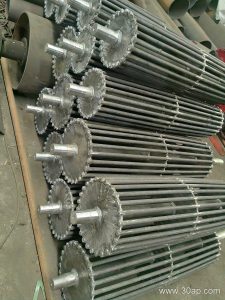
- Bend Pulley: Changes the belt’s direction, typically at the tail or take-up section, with a smaller diameter.
- Take-Up Pulley: Maintains constant tension to prevent slippage and belt sag.
Selection and Purchasing Advice
When specifying a conveyor pulley, evaluate three critical factors: shaft load (based on belt tension and wrap angle), face width (must exceed belt width by 1-2 inches), and diameter (larger diameters reduce belt fatigue). For high-abrasion environments, request a heavy-duty crown face or lagging with a hardness of 60-70 Shore A. Always verify the pulley’s balance grade (ISO 1940 G6.3 or better) to minimize vibration. For corrosive or wet conditions, specify stainless steel shafts and a hot-dipped galvanized shell. Request certified drawings and test reports from your supplier, and confirm that the pulley’s hub and bushing system allows simple removal without damaging the shaft.
Why the Conveyor Bracket Deserves Your Attention
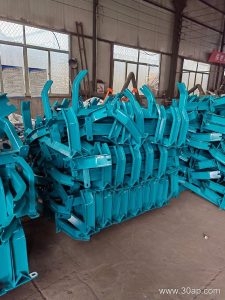
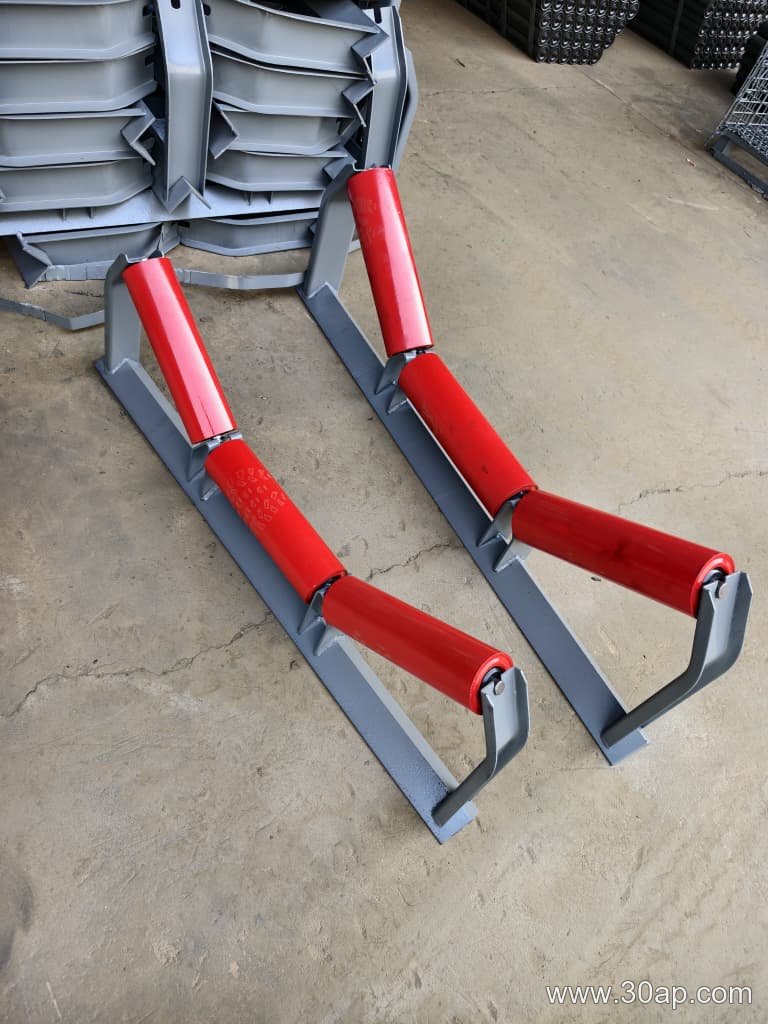
The conveyor bracket is more than a metal plate—it is the structural link between your conveyor frame and critical components like idlers, rollers, and drives. A poorly chosen bracket causes misalignment, vibration, and premature wear.
Selecting the Right Bracket
Assess load weight, belt speed, and environmental factors (humidity, dust, chemicals). Choose steel for heavy-duty, stainless for food or corrosive zones, and aluminum for lightweight lines.
Purchasing Advice
- Verify hole patterns match your existing frame and idler spacing.
- Request load-test certificates for dynamic and static capacities.
- Check for adjustable slots—they simplify tracking and tensioning on site.
- Opt for powder-coated finishes to resist rust in outdoor installations.
Installation and Maintenance
Torque bolts to manufacturer specs and use lock washers. Inspect brackets quarterly for hairline cracks or deformation—replace bent units immediately to avoid belt damage.
Invest in a spare set of brackets for every conveyor section; downtime cost far exceeds the component price.