Navigating Structural Requirements for a Conveyor Bracket Under Industrial Standards
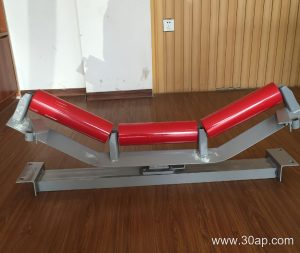
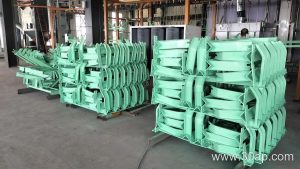
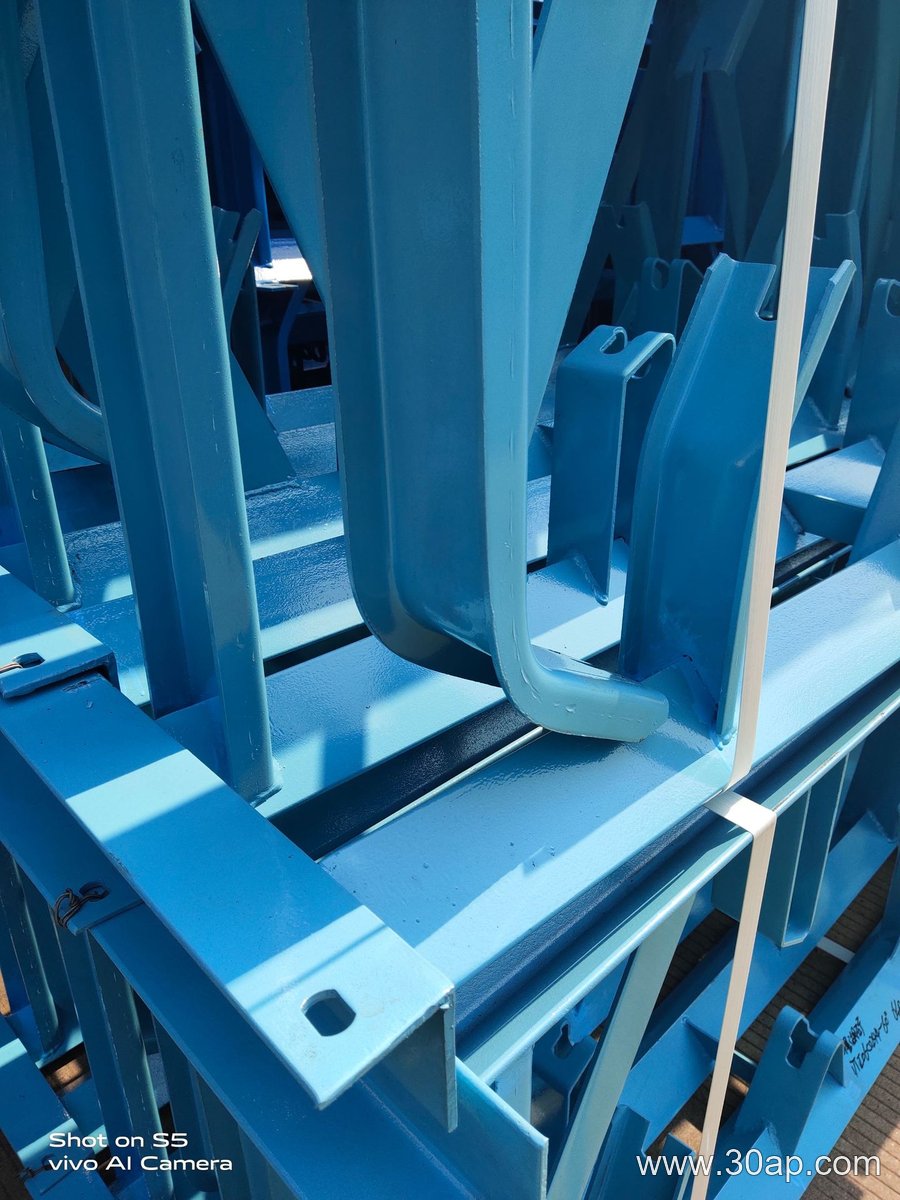
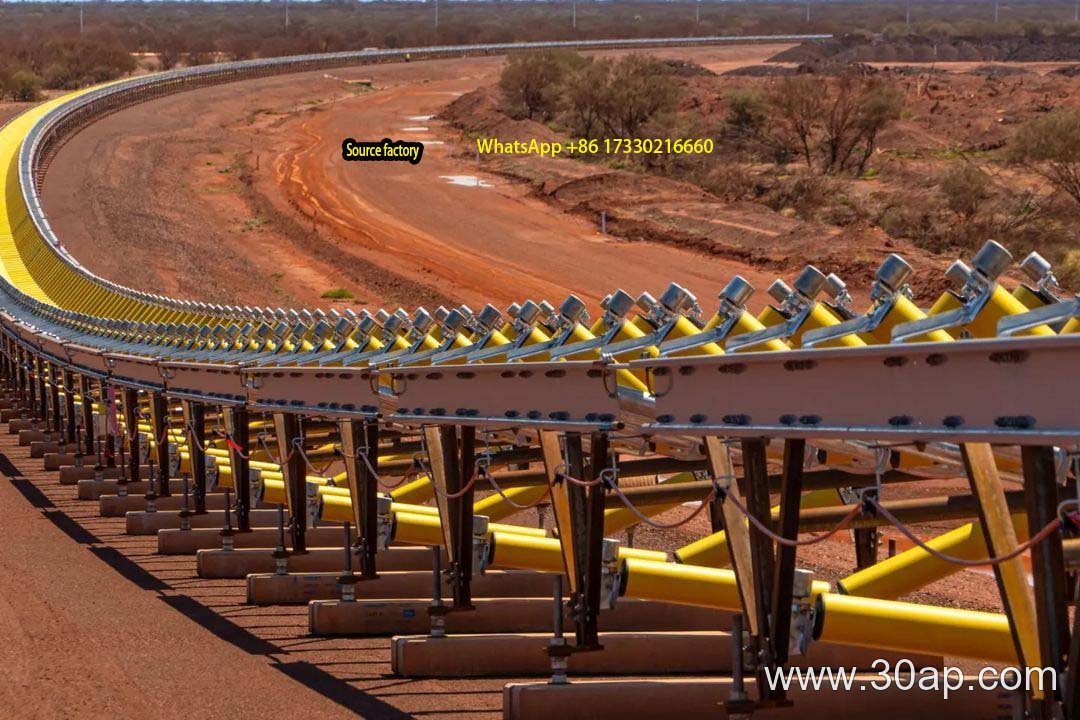
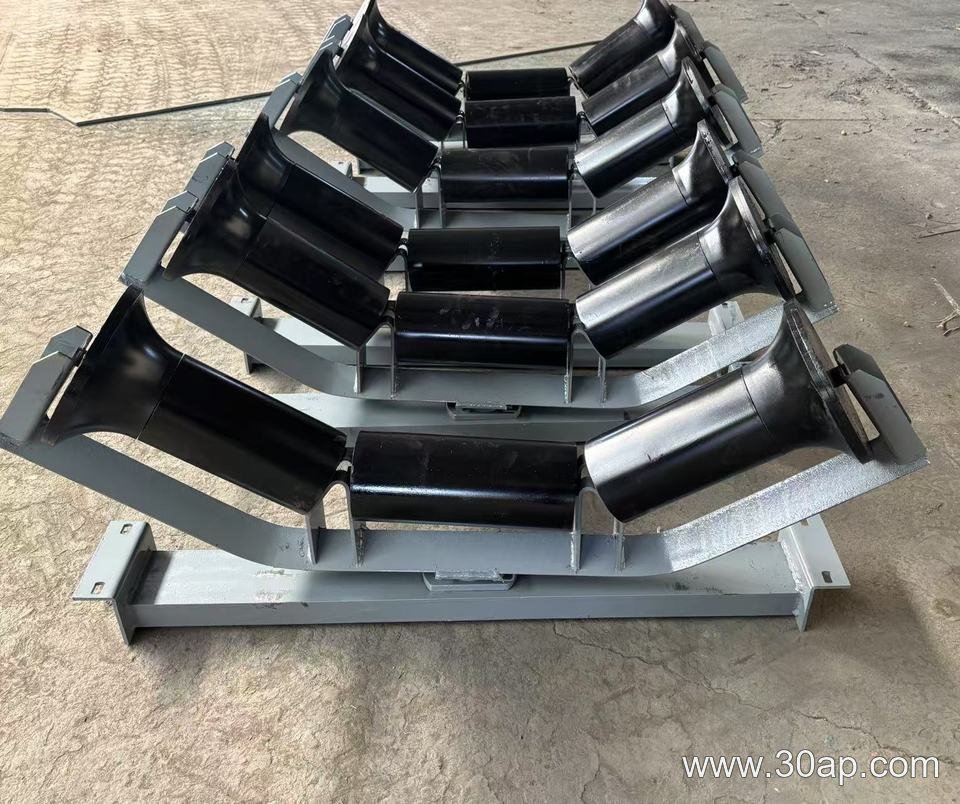
A conveyor bracket serves as the essential intermediary link between idler roll assemblies and stringer structures on a general manufacturing line. Many plant operators assume that any fabricated steel plate of adequate thickness will suffice for mounting conveyor components. However, structural reliability depends heavily on how well engineers interpret and apply recognized industrial standards and material grades. Without proper adherence to established engineering frameworks, a conveyor bracket may suffer from premature fatigue, localized yielding, or bolt-hole elongation under continuous operational stress.
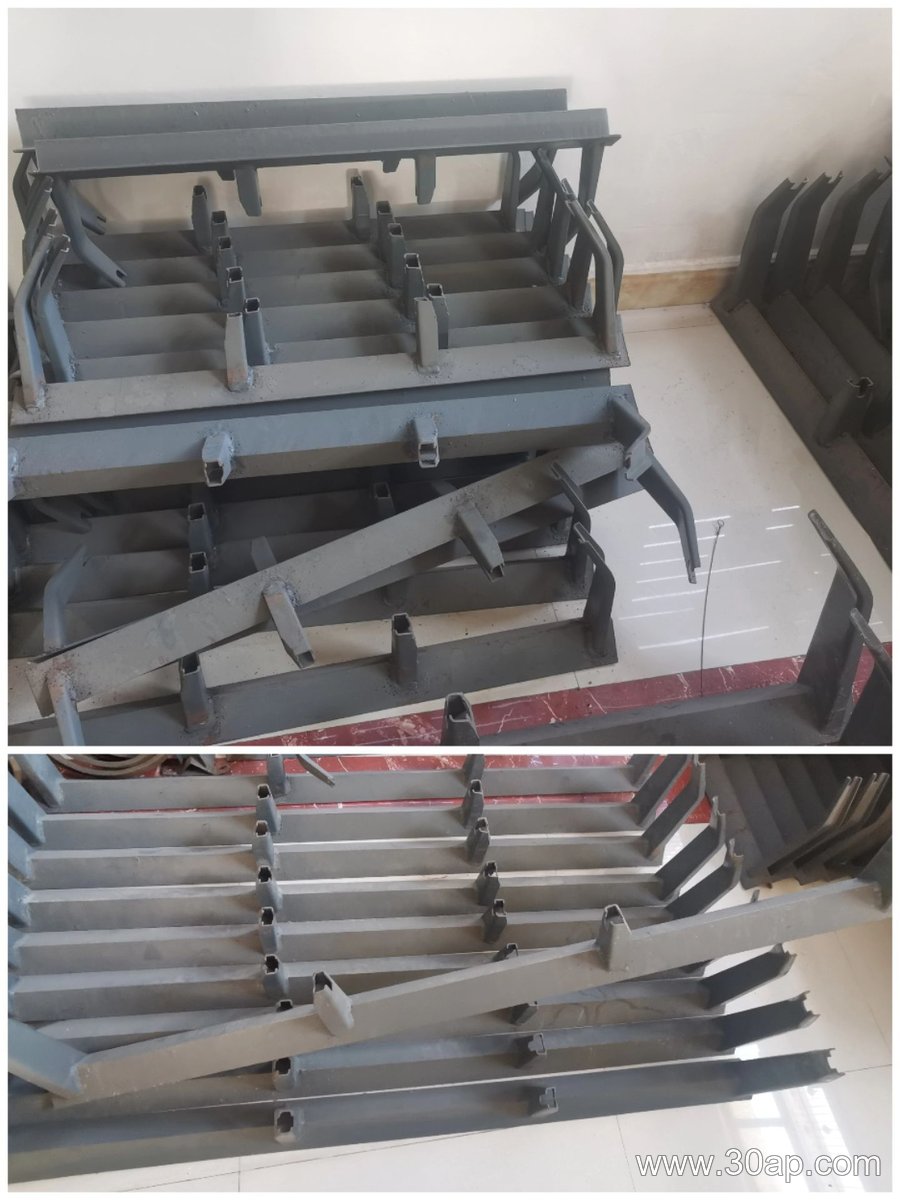
Industrial standards provide the baseline methodology for calculating load vectors, impact forces, and deflection limits. When evaluating a conveyor bracket, technical teams look to established guidelines published by organizations such as the CEMA (Conveyor Equipment Manufacturers Association) or international equivalents like ISO. These standards do not merely offer arbitrary numbers; they define the mathematical parameters required to translate bulk density, belt speed, and mass flow rates into measurable mechanical demands on every conveyor bracket within a material handling system.
Interpreting Material Designations and Yield Strength Limits
Selecting the correct material grade is fundamental to satisfying structural standards. A standard conveyor bracket is commonly fabricated from structural carbon steel, such as ASTM A36 or equivalent regional grades like EN S235JR. These designations provide predictable yield strength and ultimate tensile strength thresholds, which are vital when calculating the maximum bending moment induced by off-center loads from heavy idler rolls.
Engineers must verify that the chosen material grade complies with the mechanical property requirements outlined in structural design codes. For instance, minimum yield strength figures dictate the elastic limit of the conveyor bracket before permanent deformation occurs. Using unverified scrap steel or materials lacking mill test reports introduces unpredictable variance into the structural calculation, undermining the safety margins mandated by industry guidelines.
- Verify that material test reports match the specified steel grade for every batch of conveyor bracket units.
- Consult applicable load rating standards to ensure the section thickness accommodates localized shear stresses near mounting slots.
- Account for the relationship between ambient temperature ranges and the ductile-to-brittle transition temperature of carbon steel grades.
Scope and Application Limits of Structural Codes
Understanding the intended scope of engineering standards prevents misapplication in complex manufacturing environments. Most structural codes developed for a conveyor bracket explicitly state their operational boundaries, such as maximum belt velocities, recommended idler spacings, and static versus dynamic load ratios. Applying a light-duty standard to a high-capacity transfer point can lead to catastrophic fastener shear or bracket cracking.
Furthermore, standard guidelines often categorize operating environments into mild, corrosive, or abrasive conditions. While a baseline carbon steel conveyor bracket performs reliably in dry indoor manufacturing plants, exposure to moisture or chemical agents requires adherence to supplementary corrosion protection standards, such as hot-dip galvanizing specifications (e.g., ASTM A123). By aligning the operating environment with the correct material grade and protective standard, plant engineers ensure long-term mechanical stability without over-engineering the installation.