Preparation and Site Readiness for Installation
Installing a heavy-duty conveyor pulley on a wet outdoor conveyor requires meticulous environmental preparation and structural readiness. Because moisture, wind-driven rain, and abrasive slurry are constant factors in outdoor bulk-handling yards, technicians must establish clean, dry staging zones around the stringer framework before handling mechanical components. The structural supports and bearing pedestals must be thoroughly wire-brushed and inspected for rust pitting or debris accumulation. Furthermore, rigging gear, hydraulic torque wrenches, and lifting beams must be rated for wet-weather utility to prevent slippage or unexpected load shifts during the lift.
Before hoisting the assembly into place, maintenance crews need to verify dimensional tolerances against certified engineering drawings. Measuring shaft journals, bearing housing centerlines, and frame squareness eliminates cumulative layout errors. For wet applications, applying approved anti-seize compounds and water-resistant protective coatings to exposed shaft ends and locking assembly interfaces prevents rapid galvanic corrosion from forming during the initial weeks of outdoor exposure.
Mounting Procedures and Shaft Securing
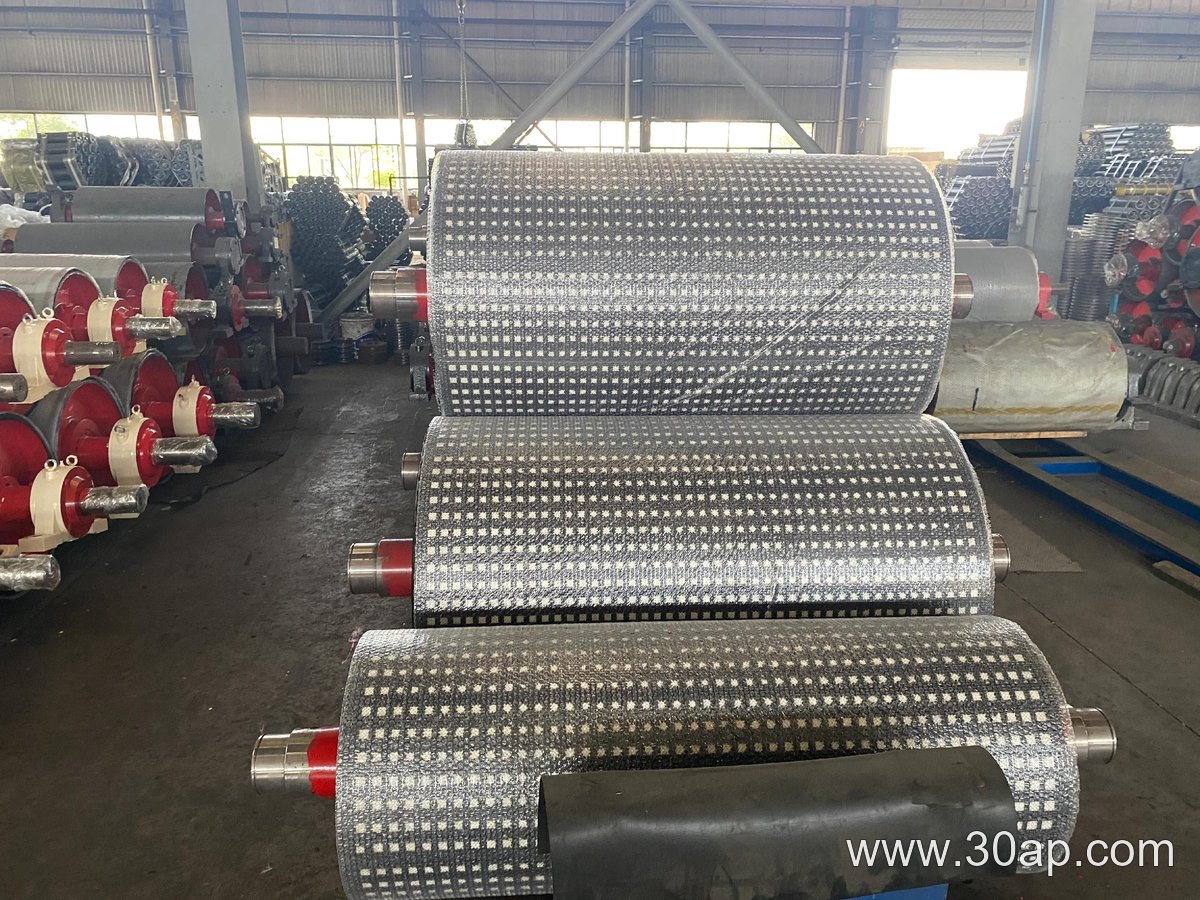
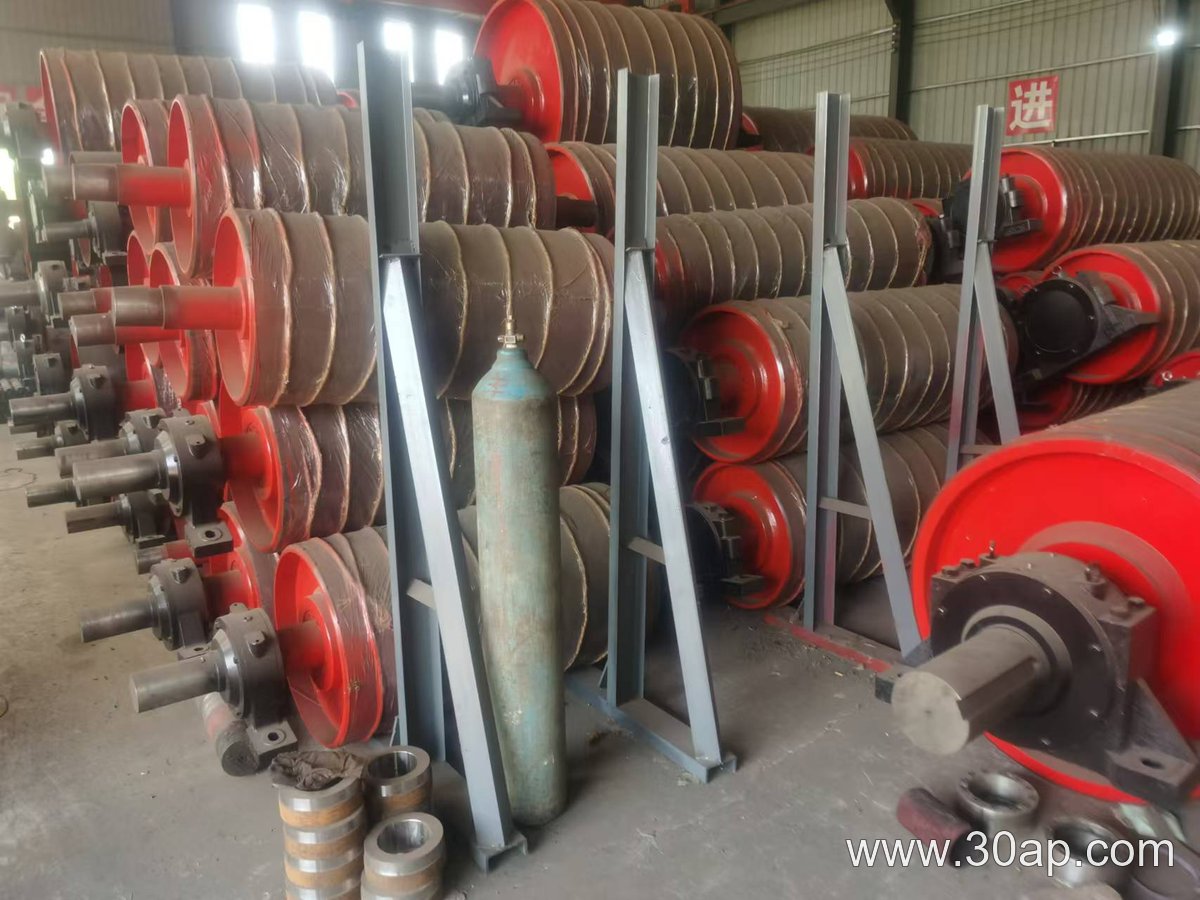
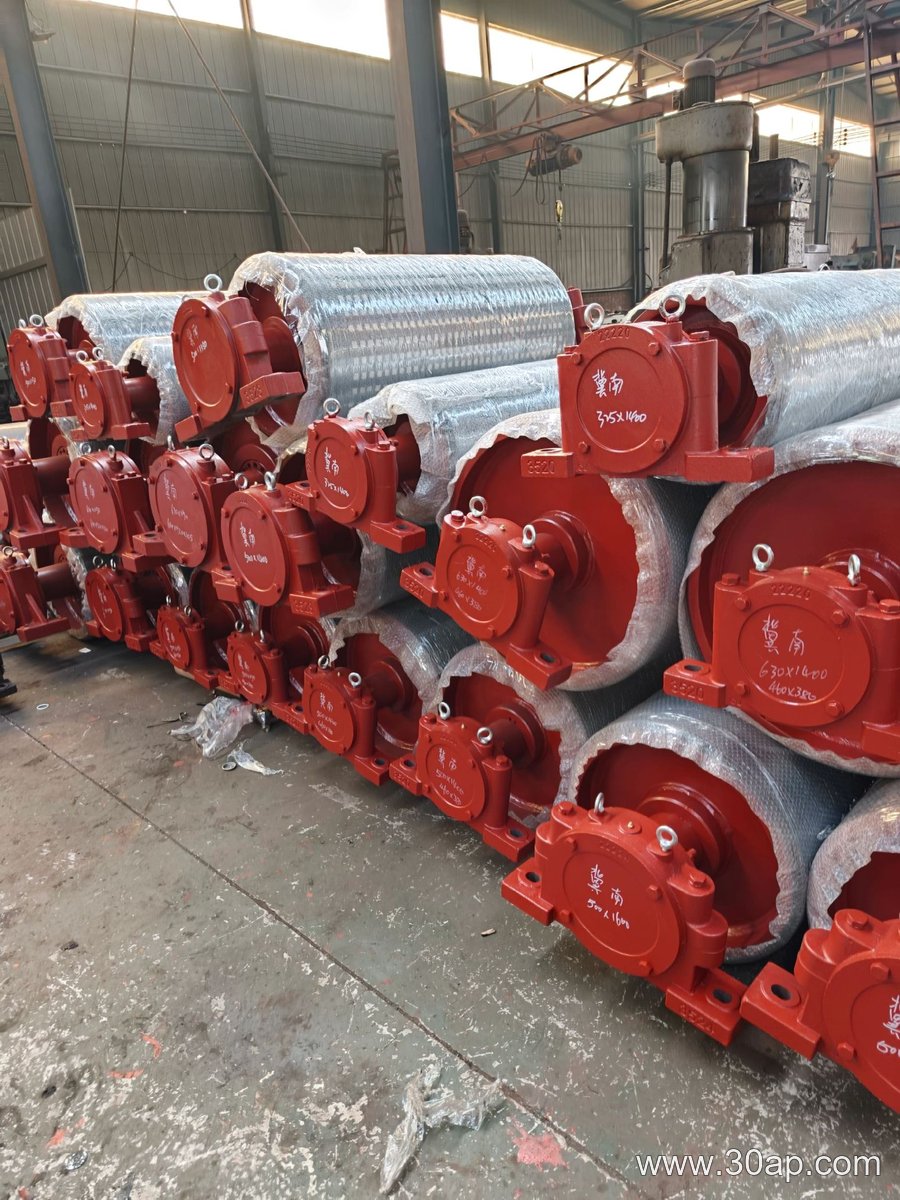
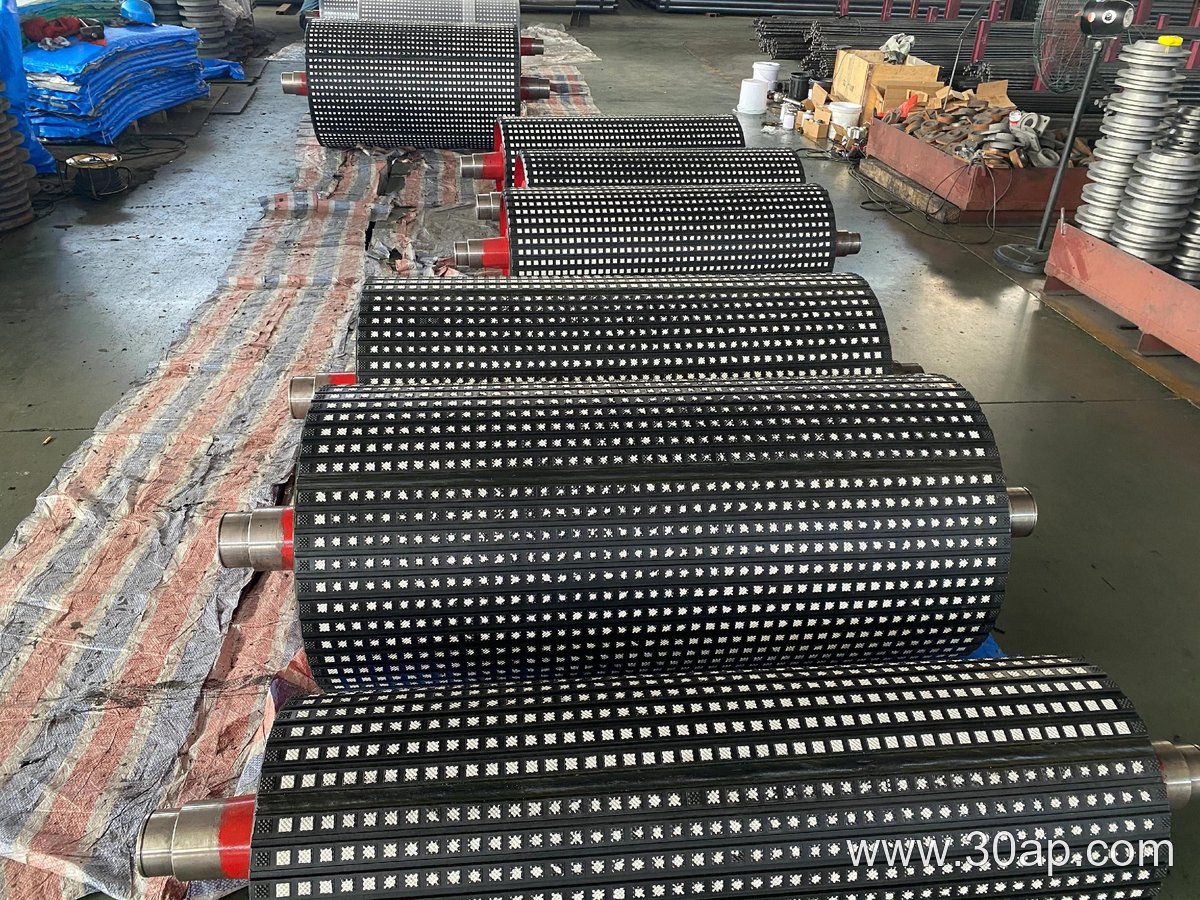
The physical mounting of the conveyor pulley demands exact coordination between crane operators and mechanical fitters to protect the machined surfaces and rubber or ceramic lagging. When lowering the unit into its split plummer blocks, technicians must guide the shaft gently to avoid nicking sealing elements or gouging the housing bores. Locking assemblies, such as taper-lock bushings or shrink discs, must be installed strictly according to manufacturer torque sequences.
- Clean all mating shaft and hub surfaces with a non-residue solvent to remove shipping grease.
- Insert the locking device evenly, ensuring uniform gaps around the entire circumference.
- Tighten opposing tensioning bolts in a calibrated star pattern using a certified torque wrench.
- Verify that axial float is correctly set to allow for natural thermal expansion of the steel shaft.
Alignment Protocols for Angular and Parallel Accuracy
Achieving precise alignment of the conveyor pulley is the single most critical step in preventing edge wear on the belt and premature bearing fatigue. Technicians must check both parallel alignment—ensuring the axis of rotation is perfectly perpendicular to the longitudinal center line of the conveyor frame—and angular alignment, ensuring the pulley shafts do not skew vertically or horizontally.
On long outdoor conveyors subject to temperature swings, optical alignment tools or laser measurement systems provide the required accuracy over open spans. If the conveyor pulley is misaligned, the traction forces will pull the belt toward one side, causing mistracking that accelerates wear against the stringer steelwork and damages the outer edges of the belt.
Commissioning Checks and Post-Installation Verification
The final commissioning phase involves a structured sequence of static checks, no-load runs, and progressive material-load testing. Before energizing the drive motor, maintenance personnel must manually rotate the conveyor pulley to confirm smooth bearing rotation without binding or abnormal friction. Lubrication lines must be purged and greased with a water-resistant lithium-complex or synthetic grease that resists washout in wet environments.
During the initial no-load dry run, technicians observe the behavior of the belt as it wraps around the shell. They monitor bearing housing temperatures with infrared thermometers and listen closely for vibration anomalies that indicate unbalance or structural resonance. Once the system passes the no-load evaluation, dry bulk material is gradually introduced to verify that traction remains stable, the lagging sheds moisture effectively, and tracking stays centered across all operational speeds.