What the NN300 Conveyor Belt Is
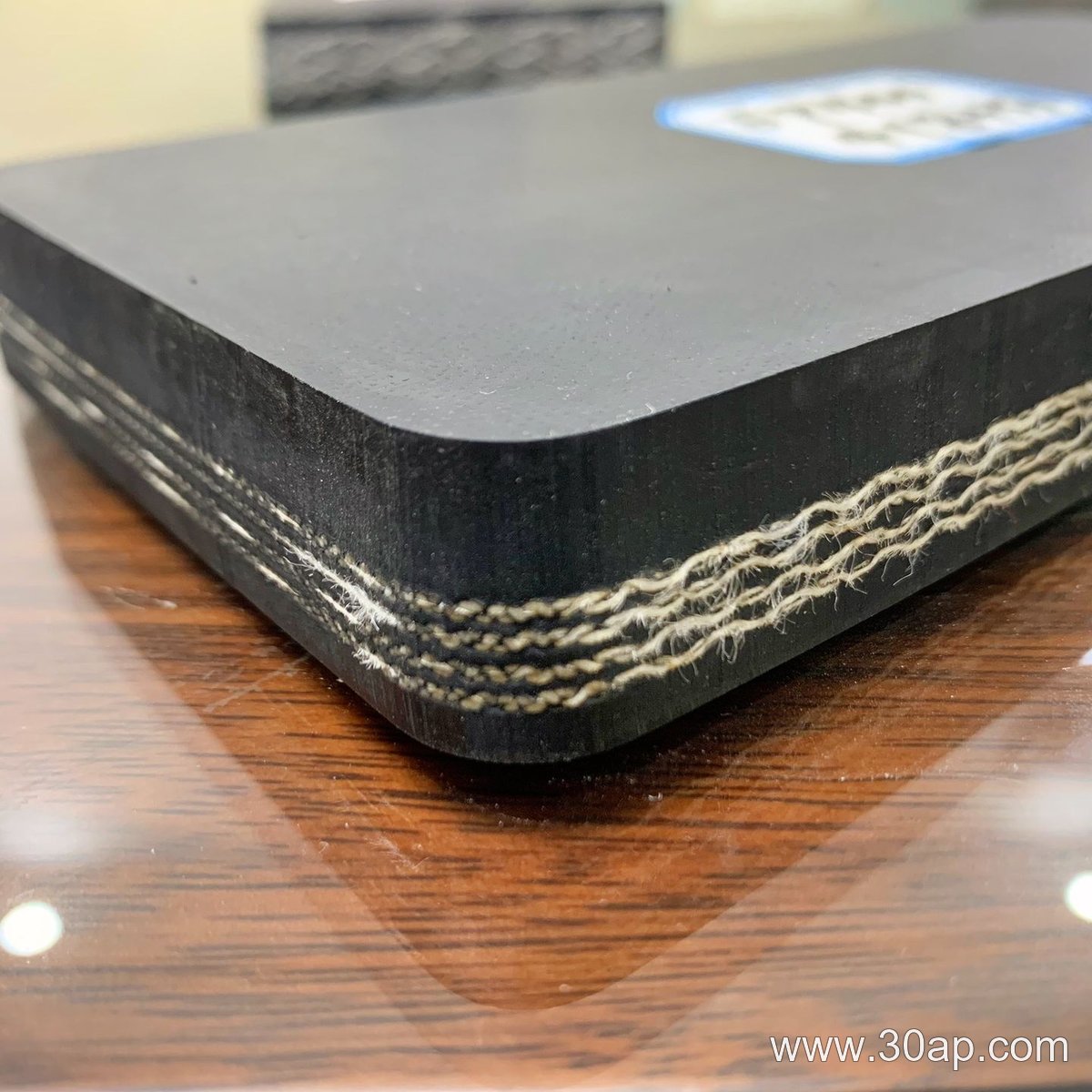
The NN300 conveyor belt is a nylon fabric-reinforced rubber belt with a nominal tensile strength of 300 N/mm per ply. In the NN classification, the first N stands for nylon in the warp and the second N for nylon in the weft. This all-nylon carcass gives the belt high elasticity, strong impact resistance, and excellent fatigue performance under repeated flexing. It is often referred to simply as an NN300 nylon conveyor belt or a 300-grade nylon belt, and those names describe the same product.
Because the carcass stretches more than a polyester canvas, the NN300 grade is frequently chosen for conveyors with long transition zones, frequent starts, or moderate impact loads where shock absorption matters more than absolute dimensional stability.
How the Belt Is Built
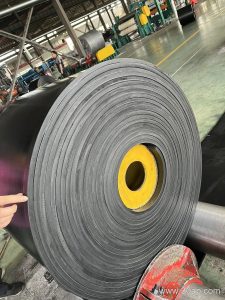
A typical NN300 belt consists of multiple nylon fabric plies bonded together with rubber skim compounds and protected by top and bottom cover rubber. The most common constructions use two to six plies, depending on the required strength and the load profile. Cover gauges are selected to suit the application rather than being fixed by the strength grade alone.
The rubber covers can be formulated for different service conditions, and the following surface and compound options are widely available:
- Wear-resistant covers for abrasive ore, stone, and clinker
- Heat-resistant grades for hot sinter, cement, and foundry sand
- Oil-resistant compounds for workshops and processing plants
- Flame-retardant and anti-static versions for underground or dusty environments
- Cold-resistant grades for outdoor installations in low-temperature regions
- Acid and alkali resistant covers for chemical and fertilizer handling
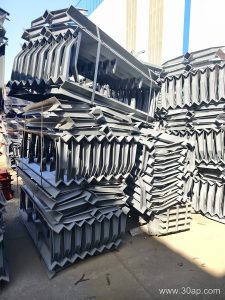
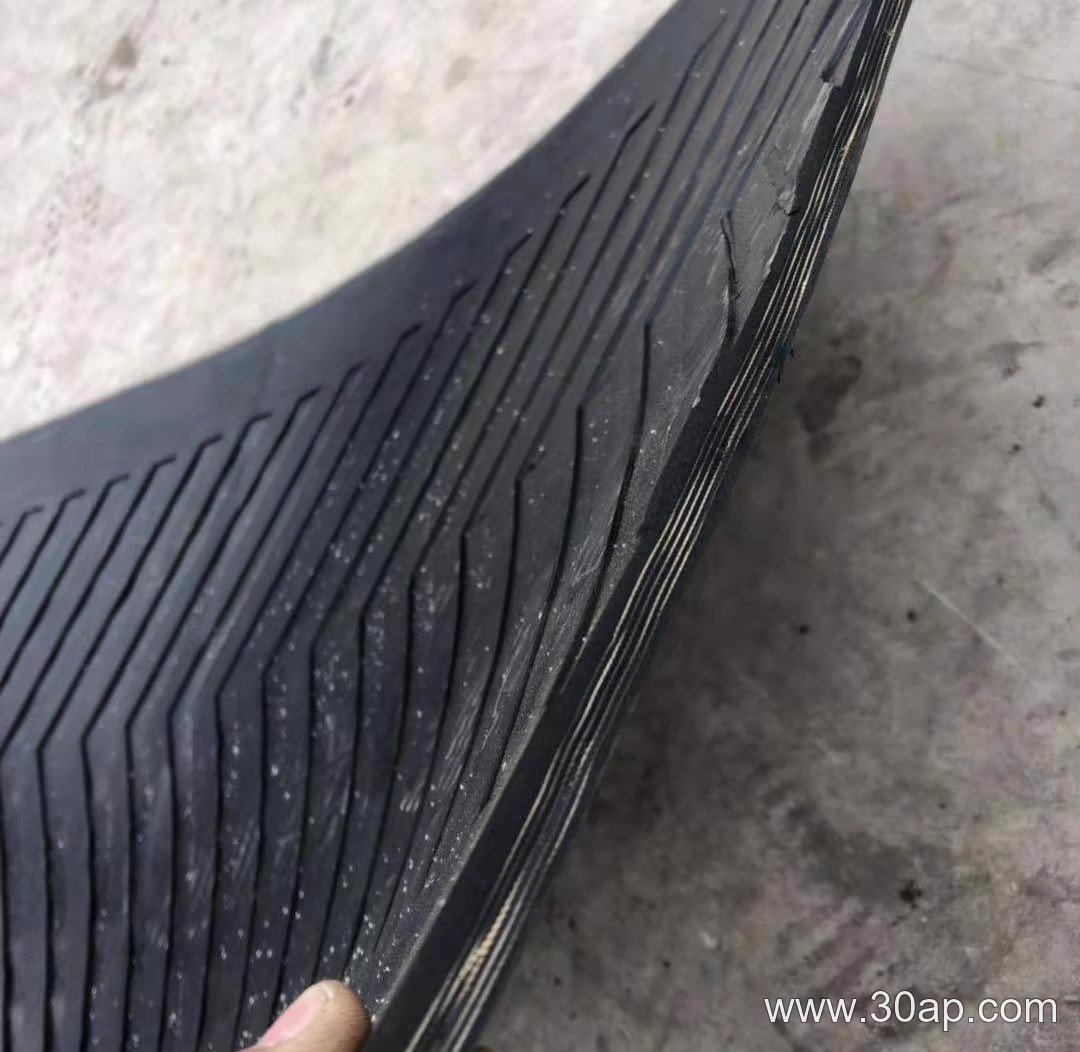
- Patterned, chevron, and corrugated sidewall forms for inclined or steep-angle conveying
Edge construction, splice preparation, and cover thickness all influence how long the belt will last, so the datasheet should be read as a design basis rather than a universal guarantee.
Where NN300 Belts Are Used
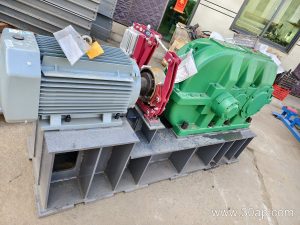
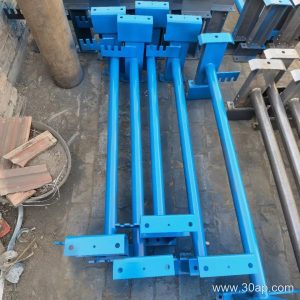
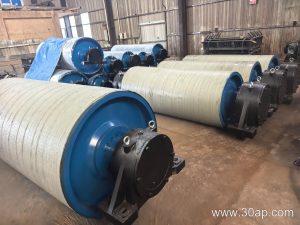
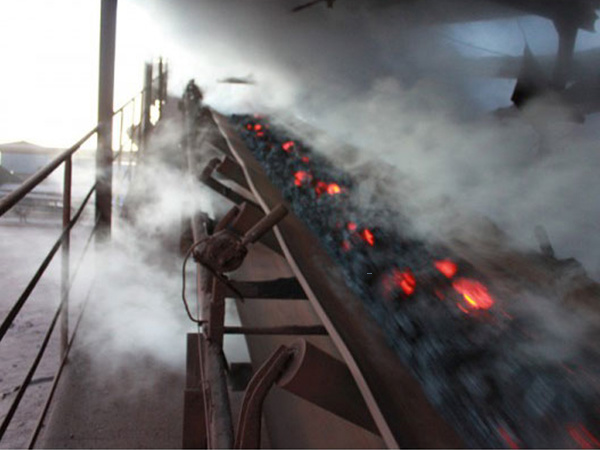
This belt grade fits medium-duty conveying in mining, aggregate processing, cement plants, ports, power stations, and general bulk material handling. It handles crushed rock, sand, gravel, coal, grain, fertilizer, and many packaged or loose products. On a typical conveyor, the belt runs over idler rollers on the carrying side, returns over return idlers, and wraps around the head or drive pulley, the tail pulley, and any bend pulleys needed to route the circuit.
Drive, tail, and bend pulleys are not interchangeable. The drive pulley transmits torque, the tail pulley sets the return end, and a bend pulley changes belt direction without driving. Matching them correctly matters because a belt that is too stiff for a small-diameter pulley may crack, while a belt that is too elastic for a long, heavily loaded conveyor may need more take-up travel. The NN300 grade sits in a useful middle ground where moderate elasticity helps absorb shock without creating excessive stretch.
Where a more dimensionally stable carcass is required, an EP conveyor belt is sometimes compared, but the NN300 belt remains the appropriate choice when nylon’s impact and fatigue properties are the priority.
Key Parameters Buyers Should Check
The table below lists reference values that appear in general product literature. Actual supply should follow the manufacturer’s current technical data and the conveyor design.
| Parameter | Common reference values |
|---|---|
| Belt type | NN300 nylon conveyor belt |
| Nominal strength | 300 N/mm per ply |
| Carcass plies | 2 to 6 plies |
| Belt width | B500, B650, B800, B1000, B1200, B1400, B1600, B1800, B2000 |
| Cover thickness examples | 3+1.5 mm, 4+2 mm, 5+2 mm, 6+2 mm, 8+3 mm |
| Surface forms | Smooth, patterned, chevron, corrugated sidewall |
| Special properties | Wear-resistant, heat-resistant, oil-resistant, flame-retardant, anti-static, cold-resistant, acid and alkali resistant |
Belt width and pulley diameter are separate design decisions. A wider belt does not automatically require a specific shaft diameter, and there is no fixed rule that one belt width can only match one pulley diameter. The pulley diameter, shaft, bearings, and conveyor bracket should be selected from the actual tension, speed, and load calculations.
Selection and Maintenance Notes
When specifying an NN300 conveyor belt, confirm the material being carried, the lump size, the throughput, the incline angle, and the ambient conditions. Check whether the pulley diameters meet the minimum bend radius for the selected ply count and cover thickness. Confirm that the idler roller spacing supports the belt and load without excessive sag. For inclined service, a patterned or chevron surface may be needed to prevent material rollback.
During operation, keep the belt running centered, maintain proper tension, and inspect splices, edges, and cover wear regularly. A well-matched NN300 belt on a properly aligned conveyor with suitable pulleys and idlers will deliver reliable service in many medium-duty applications.