Understanding the Conveyor Bracket
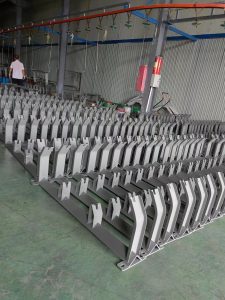
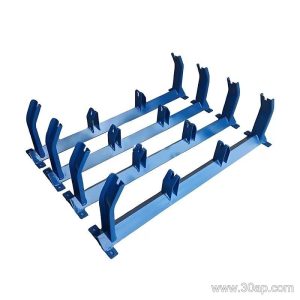
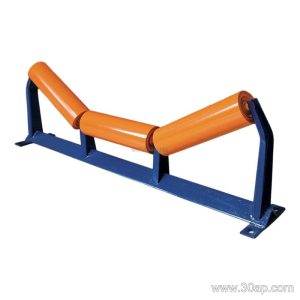
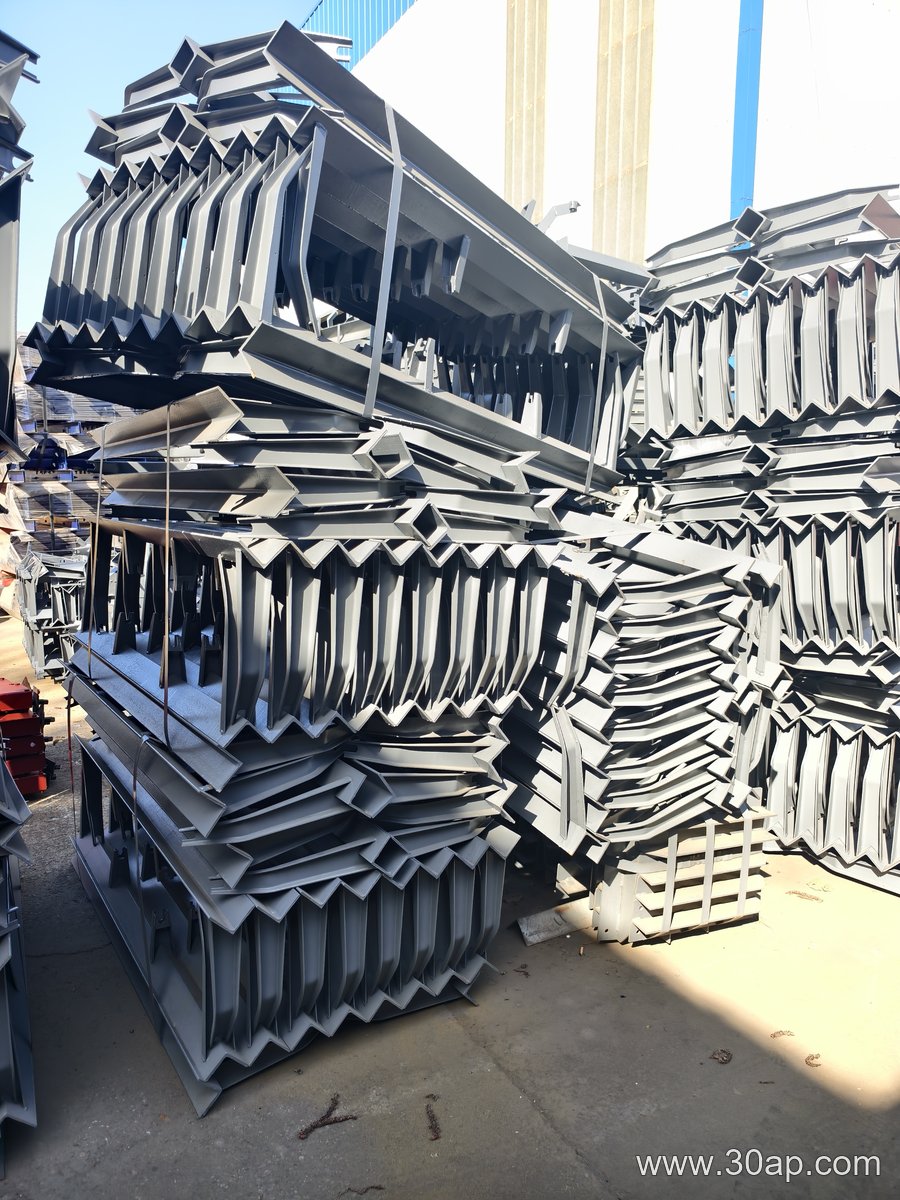
A conveyor bracket is the structural component that secures rollers, idlers, or pulleys to the conveyor frame, ensuring alignment and load distribution. Without a properly engineered bracket, even the best belt or chain system will suffer from misalignment, vibration, and premature wear.
Key Selection Criteria
- Material compatibility: Choose galvanized steel for wet or corrosive environments, stainless steel for food or chemical lines, and aluminum for lightweight portable systems.
- Load rating: Verify the dynamic load capacity against your peak product weight and impact zones—undersized brackets cause frame fatigue.
- Adjustability: Slotted or multi-position brackets allow fine-tuning of roller height and angle, critical for belt tracking.
- Fastener style: Consider weld-on vs. bolt-on brackets. Bolt-on simplifies maintenance, while weld-on offers permanent rigidity for high-speed lines.
Purchasing Advice
Always request dimensional drawings and test reports from the supplier. Measure the existing frame width and bolt hole spacing before ordering. For retrofit projects, prioritize brackets with universal mounting patterns. Finally, keep spare brackets for critical spares—downtime from a broken bracket can cost more than the part itself.
Why the Conveyor Belt Remains the Backbone of Material Handling
The conveyor belt is more than a moving surface; it is the critical link between production stages. Choosing the wrong belt leads to downtime, product damage, and inflated energy costs. Therefore, every industrial buyer must evaluate belt construction, not just price.
Key Performance Factors to Assess
- Belt material: Rubber for heavy abrasion, PVC for food contact, and polyurethane for chemical resistance.
- Tensile strength: Match the belt’s carcass (polyester, nylon, or steel cord) to your load weight and start-stop frequency.
- Surface profile: Smooth belts suit flat products; cleated or textured belts prevent slippage on inclines.
Practical Purchasing Advice
Measure your conveyor’s troughing angle, pulley diameter, and belt speed before requesting quotes. Always specify operating temperature and whether oil or moisture is present. Ask suppliers for splice samples and verify their belt’s elongation under load—this prevents premature stretching. Finally, consider modular plastic belts if you need easy cleaning and quick repair, but choose fabric-reinforced rubber for long, high-tension runs.
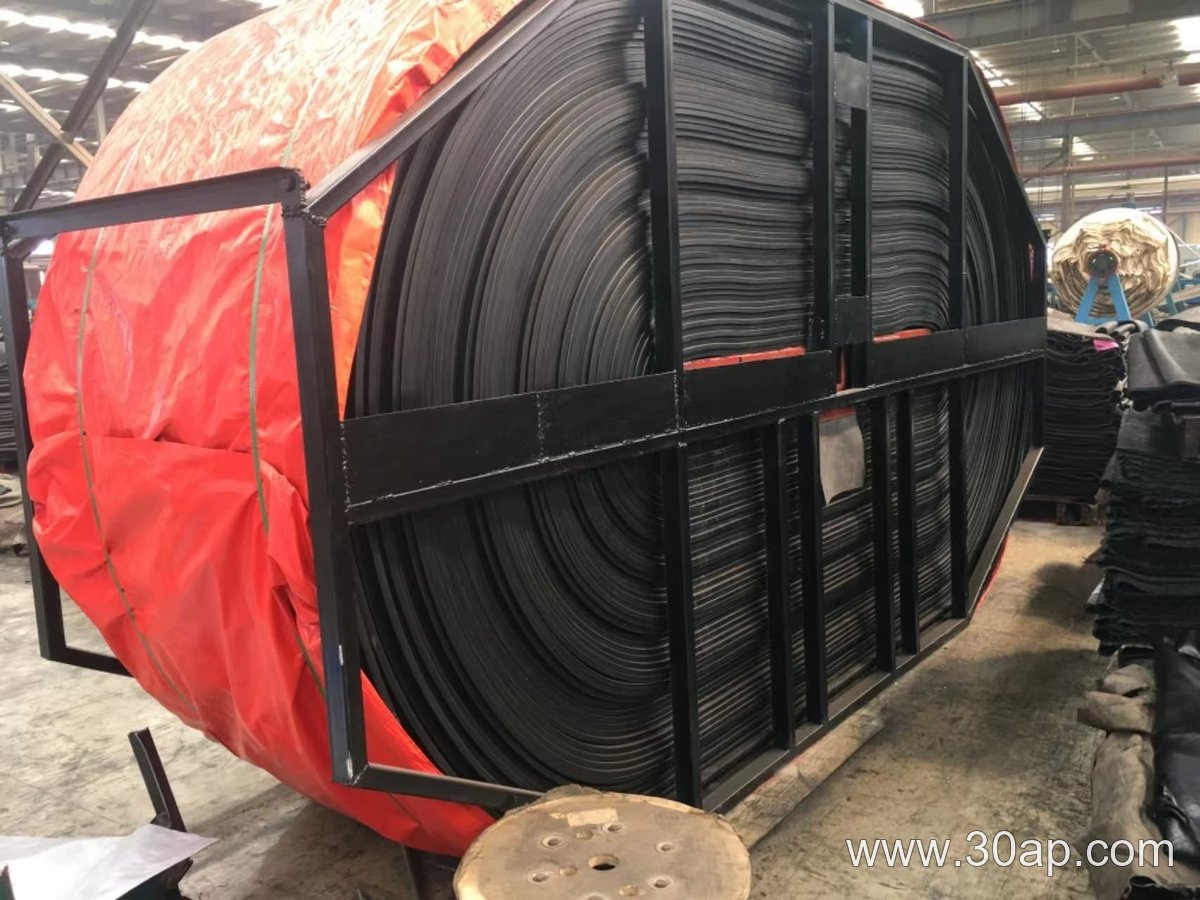
Investing in a quality conveyor belt with the correct cover thickness and edge seal will reduce maintenance and extend service life by years. For expert guidance, request a load test with your actual product.
Why the Idler Roller Is the Backbone of Your Conveyor System
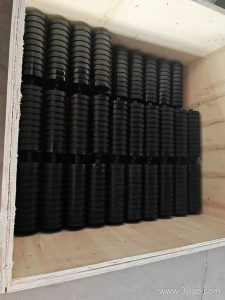
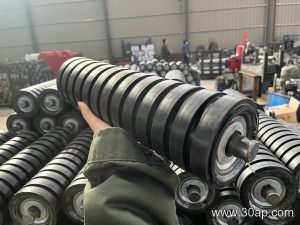
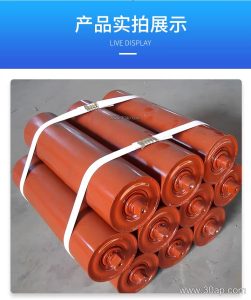
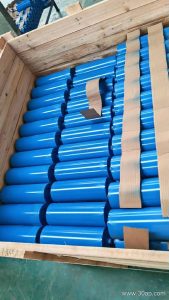
The idler roller may appear as a simple cylindrical component, but it directly governs belt tracking, friction, and material handling uptime. Choosing a poorly matched idler roller leads to premature belt wear, increased energy consumption, and costly unplanned downtime.
Key Performance Factors When Choosing an Idler Roller
- Load rating: Match the roller’s dynamic capacity to your actual bulk density and belt speed—overloading reduces bearing life.
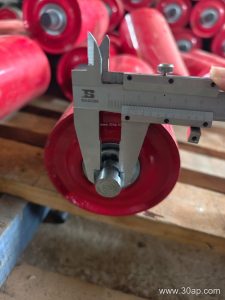
- Roller diameter and shell thickness: Larger diameters reduce belt sag and impact stress, while thicker shells resist abrasion in high-impact zones.
- Sealing system: For dusty or wet environments, specify labyrinth or contact seals to prevent contamination and extend service intervals.
Purchasing Advice for Industrial Buyers
Always verify the idler roller’s compliance with ISO or CEMA standards, and request test data for run-out and radial load. Consider the total cost of ownership: a slightly higher upfront price for a precision-balanced roller with sealed bearings often pays back through lower maintenance and energy savings.
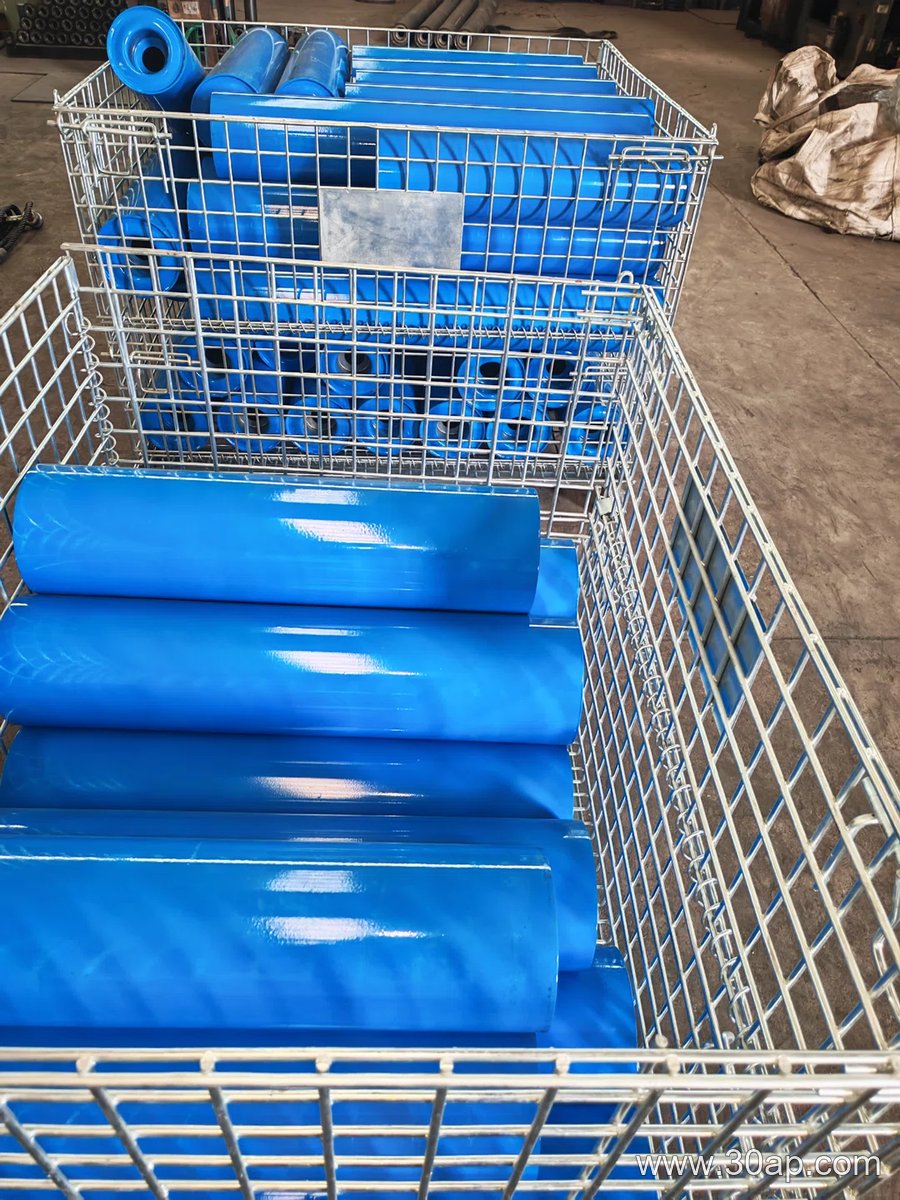
Finally, measure your existing frame width and bolt spacing before ordering—standard roll lengths vary, and custom sizes are common. If your conveyor operates in extreme temperatures or corrosive conditions, ask for polymer-coated or stainless-steel options to avoid premature failure.
Conveyor Pulley: The Core of Belt Performance
The conveyor pulley is the mechanical heart of any belt conveyor system, responsible for driving, redirecting, and maintaining belt tension. Choosing the wrong pulley leads to belt slippage, misalignment, and costly downtime.
Key Design Factors for Industrial Applications
Evaluate the pulley diameter based on belt speed and flex life. Larger diameters reduce belt fatigue. For high-tension applications, specify a lagged drive pulley with ceramic or rubber lagging to improve traction and shed debris.
Material and Construction Choices
- Steel pulleys (C1045 or A36) suit standard duty; stainless or abrasion-resistant alloys for corrosive or high-wear environments.
- Welded end discs and tapered bushings simplify maintenance and ensure concentricity.
Purchasing and Selection Advice
Always match the pulley face width to the belt width, but add 50–100 mm for tracking. Request a full shaft and bearing calculation from the supplier, including live load and dead load. Check shell thickness for the required lagging and crown profile.
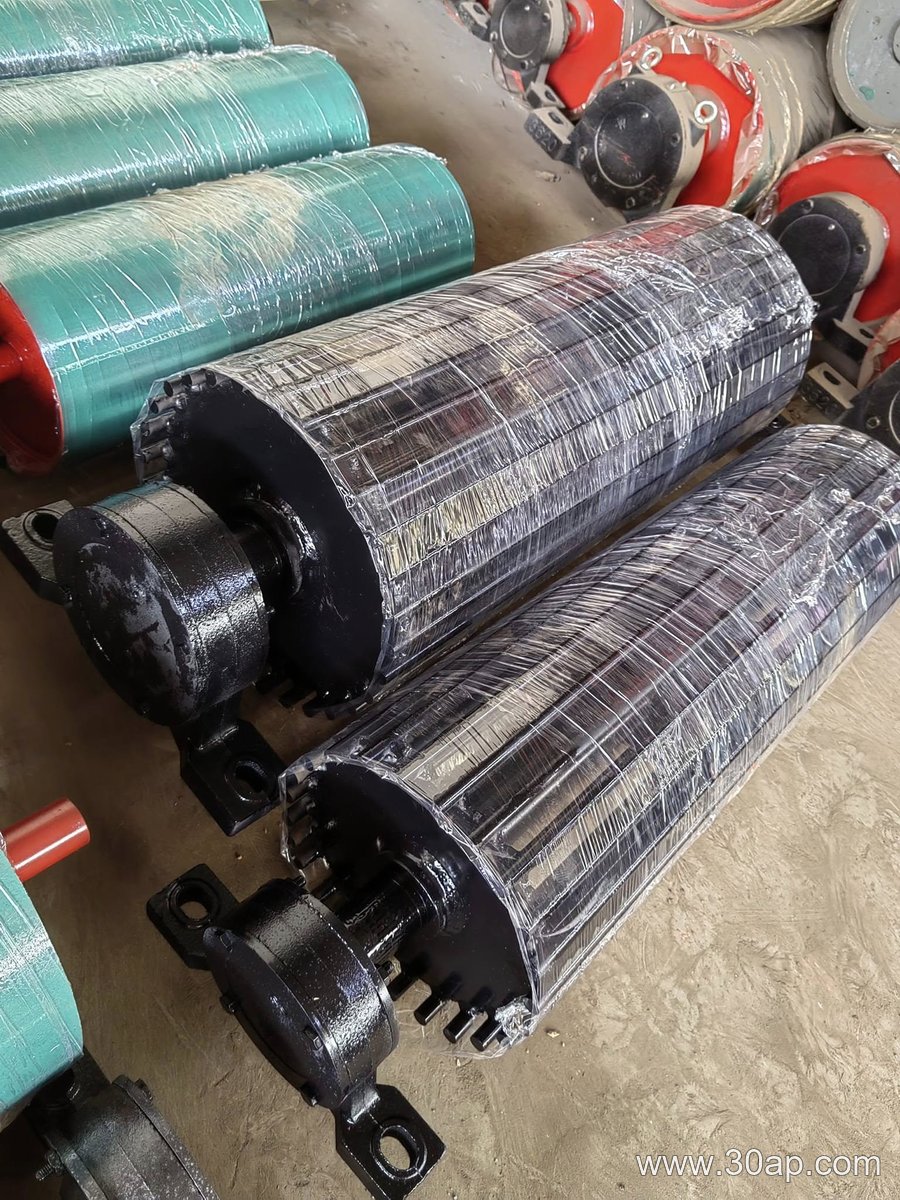
For retrofits, verify existing shaft keyways and bearing housing fits. Ask for dynamic balancing if the pulley runs above 300 m/min. Invest in a spare snub or bend pulley to cut emergency downtime.
Finally, confirm the manufacturer follows CEMA or ISO standards for tolerance and runout. A reliable conveyor pulley is a long-term asset—prioritize quality over low initial cost.