In a mineral-processing plant, a conveyor pulley often faces abrasive slurry that combines sharp particles with moisture. The wrong shell or lagging material can wear quickly or lose grip. Consider these material choices and their trade-offs.
Shell material options
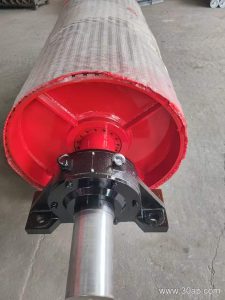
Carbon steel is common for its strength and weldability, but it corrodes in wet, acidic conditions. Stainless steel resists corrosion but costs more and can be softer. For highly abrasive slurry, a wear-resistant steel shell may last longer, though it is harder to machine.
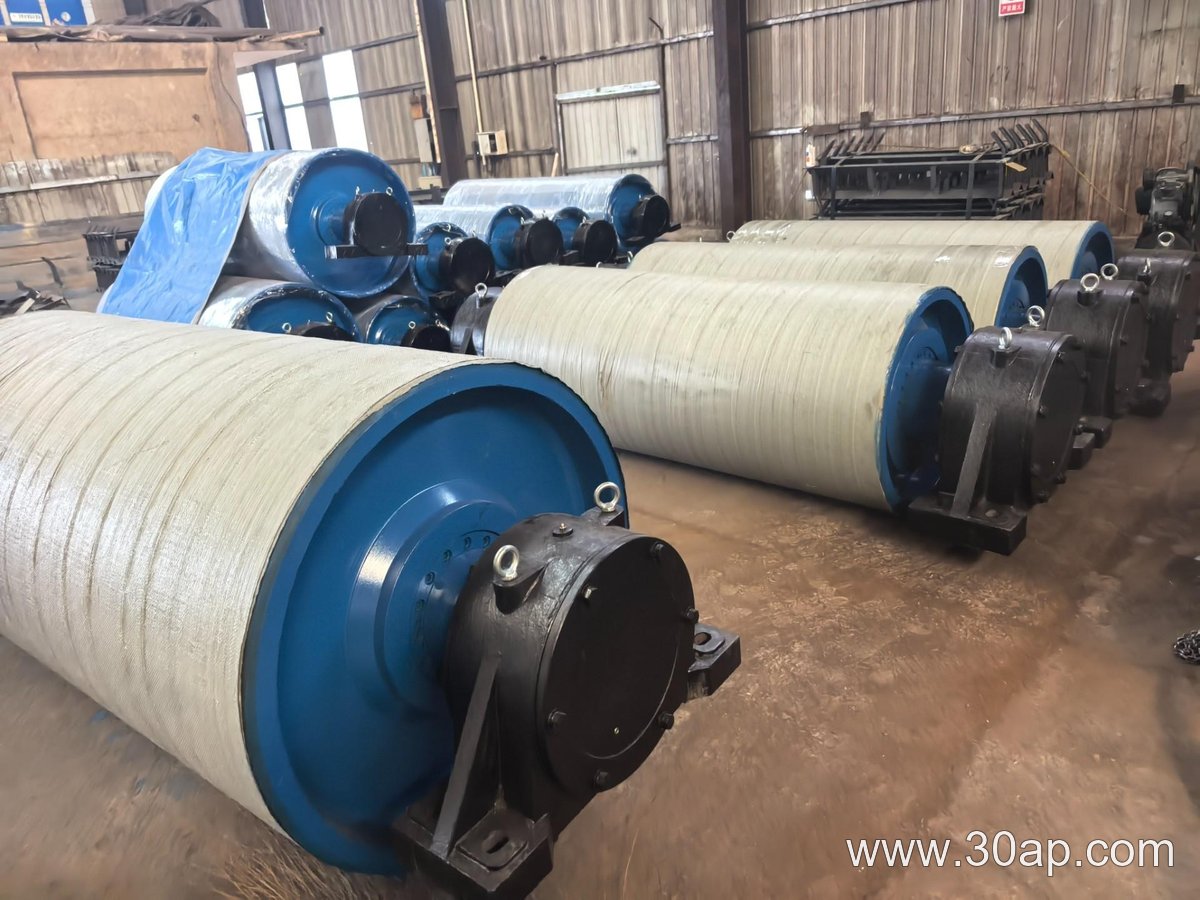
Lagging material trade-offs
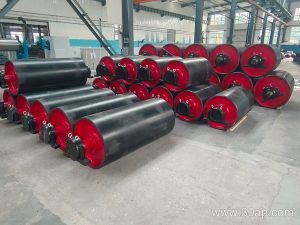
Rubber lagging offers good grip and impact absorption but wears faster under sharp particles. Ceramic lagging provides excellent abrasion resistance and grip, but it is brittle and can crack under heavy impact. Polyurethane lagging balances wear resistance and flexibility, yet it may not handle high temperatures.
Choose based on slurry abrasiveness, moisture, and impact. In a hypothetical plant, plain rubber may suffice for fine tailings, while ceramic or wear-resistant steel suits coarse ore. Always verify material compatibility with the specific duty.
When Does a Stainless Steel Conveyor Bracket Make Sense on a Washdown Manufacturing Line
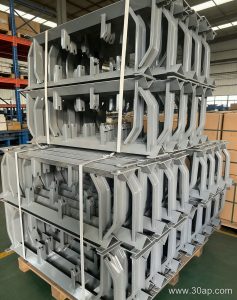
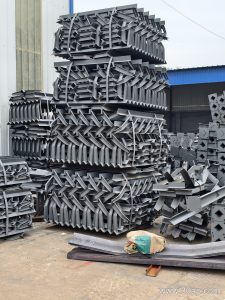
A stainless steel conveyor bracket resists corrosion but costs more and can gall at bolted joints. On a washdown line, the trade-off is between longevity and initial outlay. Carbon steel with a coating may suffice if the washdown is infrequent, but stainless steel avoids coating damage and rust bleed.
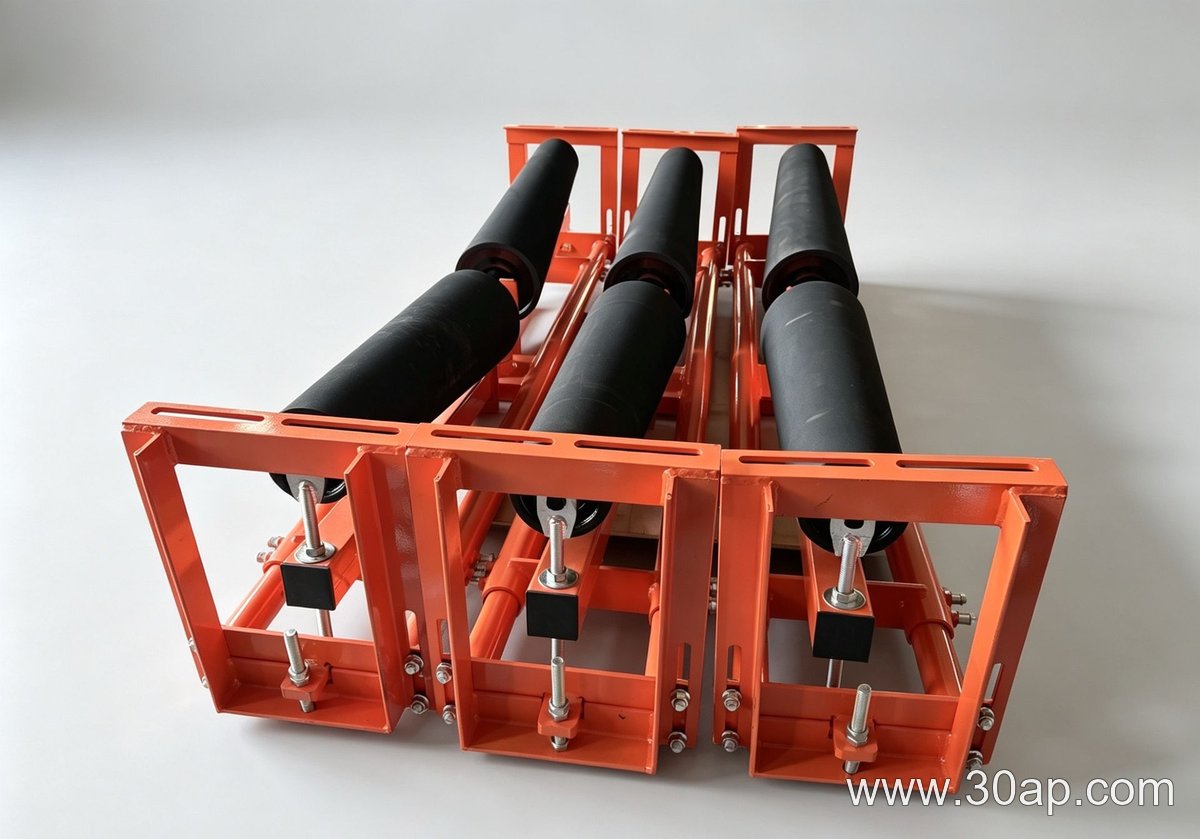
Material trade-offs for a conveyor bracket
- Carbon steel: low cost, high strength, but needs painting or galvanizing; coatings can chip.
- Stainless steel 304: good corrosion resistance, but lower yield strength than carbon steel and prone to galling.
- Stainless steel 316: better chloride resistance, higher cost; use only if washdown chemicals contain chlorides.
In a general manufacturing line with daily washdown, a 304 stainless conveyor bracket often balances cost and hygiene. For occasional wipe-down, a coated carbon steel bracket is adequate. Always verify bolt grade and use anti-seize on stainless threads.
Starting With the Wrong Number
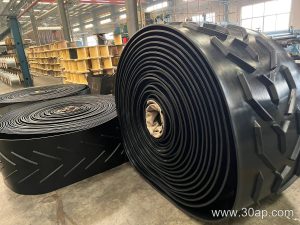
Engineers often pick a conveyor belt by throughput alone. The real constraint is usually a single dimension: belt width. In this hypothetical port terminal, assume 3500 t/h of coal at 4 m/s and a 35° trough.
Working From Capacity to Width
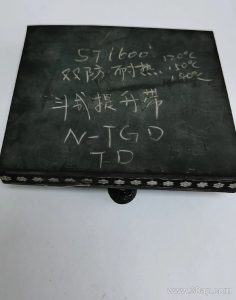
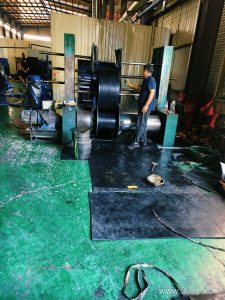
Cross-sectional area sets the width. Check the material’s surcharge angle, lump size and belt speed, then confirm the selected conveyor belt tolerates the impact at the loading point.
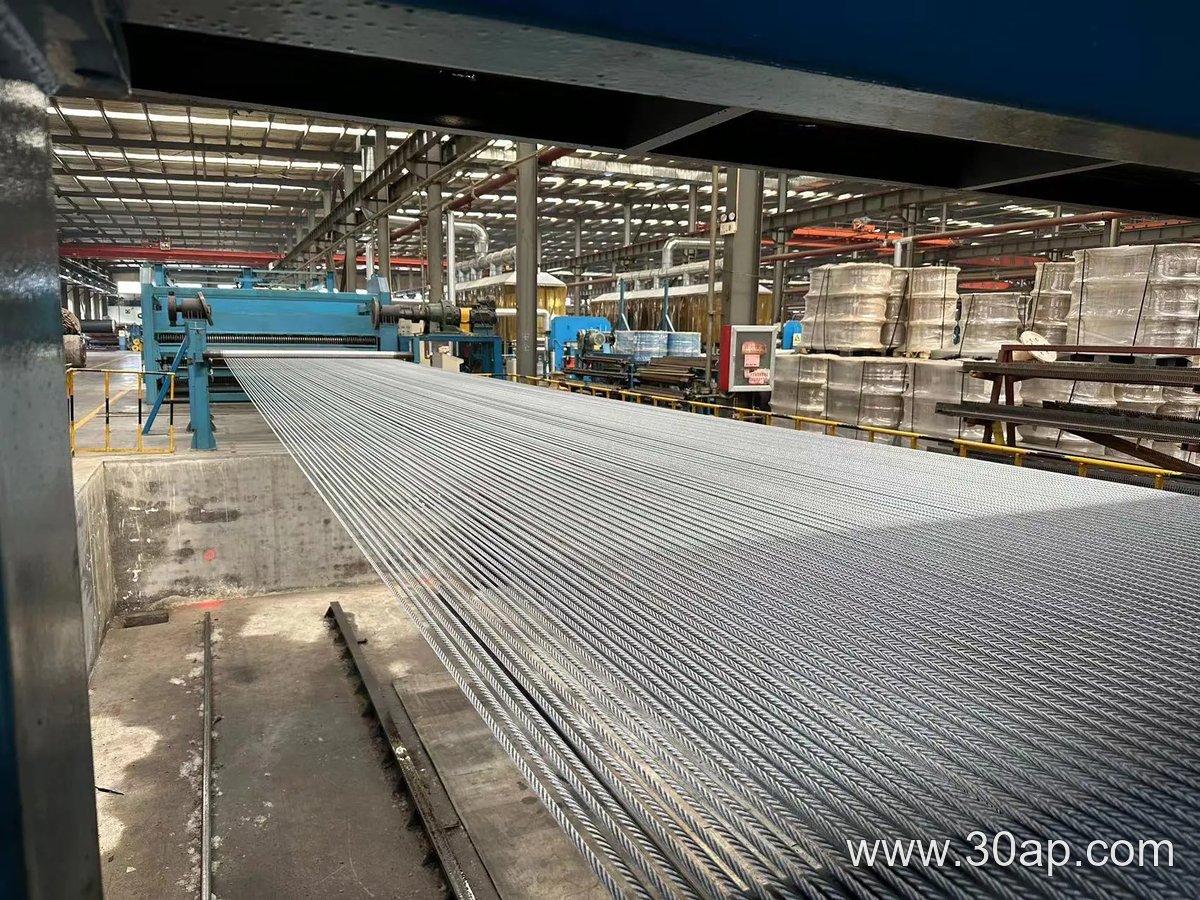
Checks After the Width Is Fixed
- Carcass tension for the longest route
- Cover grade for abrasive coal
- Transition distance and pulley diameter
Width is the anchor; every other conveyor belt parameter follows it.
Where abrasive dust actually defeats an idler roller
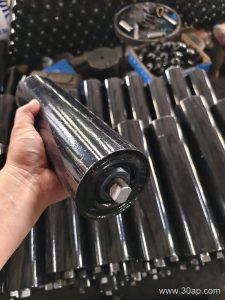
In a dusty quarry, an idler roller rarely fails because the shell wears through first. The bearing seal usually admits fines, and the roller seizes. Abrasion resistance must therefore include the seal path, not only the tube surface.
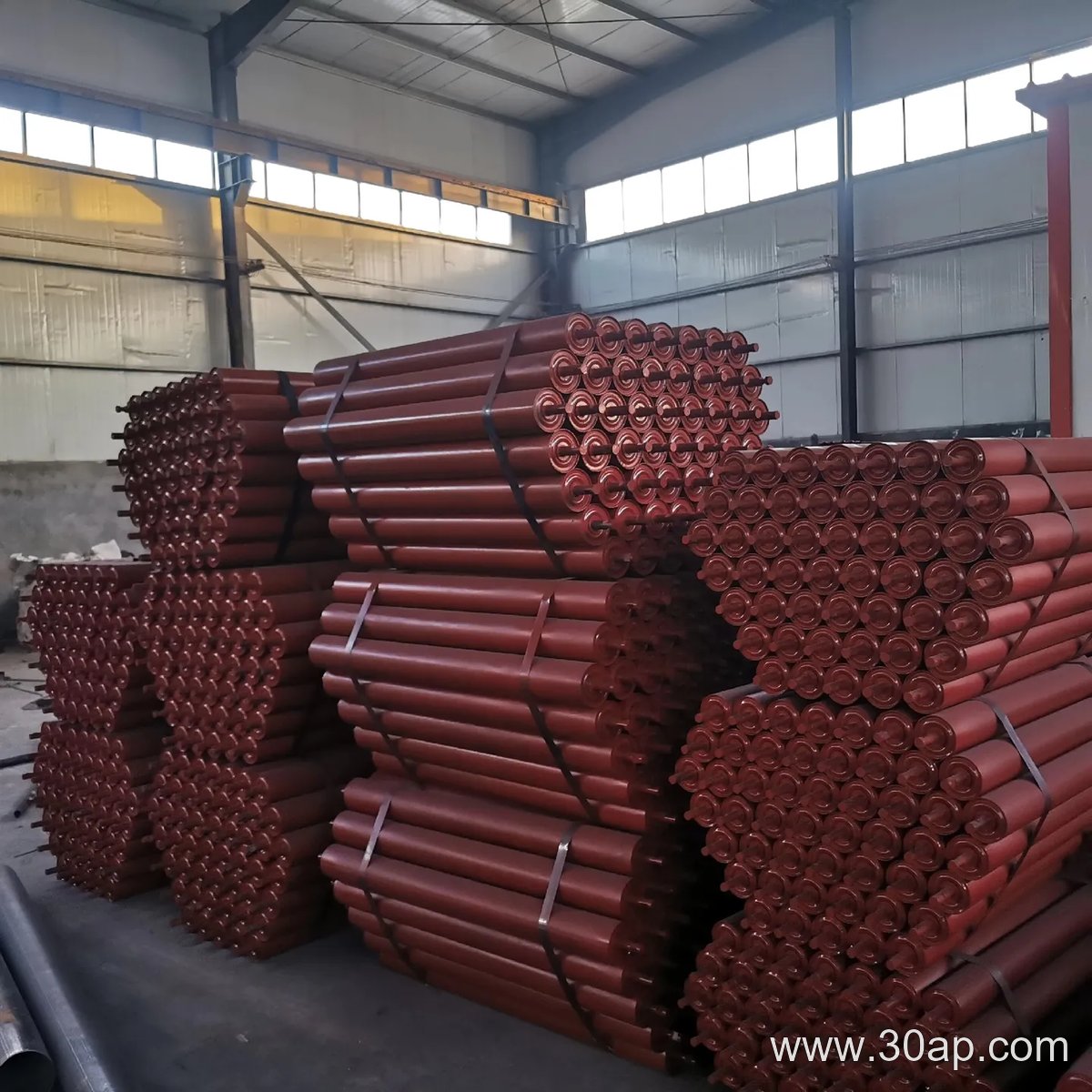
Checks that matter in abrasive duty
- Confirm the seal type sheds grit rather than trapping it.
- Match shell hardness to the dust without making the tube brittle.
- Verify the bearing housing keeps grease in and fines out.
These checks keep an idler roller turning longer under abrasive dust.