Does a Higher-Priced Idler Roller Always Last Longer?
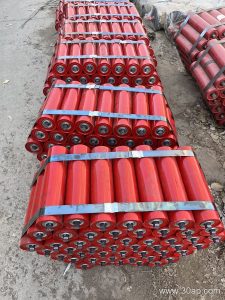
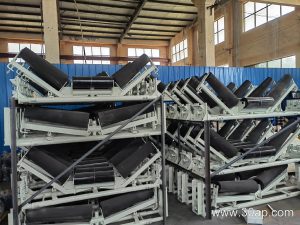
No. The most expensive idler roller on the shelf is not automatically the best choice for a given conveyor. A premium roller may be engineered for a different speed, temperature, or load profile than your line actually produces. The right selection path starts with four operating inputs—material handled, belt speed, ambient or product temperature, and duty conditions—then matches the idler roller construction to those inputs.
Step 1: Define the Operating Conditions
Before comparing roller options, write down the real conditions on the general manufacturing line. Note the conveyed material (for example, abrasive aggregate, oily metal parts, or fine powder), the belt speed in meters per second, the temperature range at the roller location, and whether the line runs intermittently or continuously. Also record exposure to water, dust, or washdown chemicals. These factors determine which idler roller features matter most.
Step 2: Match Material to the Environment
- Steel idler roller: A general-purpose choice for moderate loads and dry indoor lines. It offers good structural strength but can corrode in wet or chemical environments unless coated.
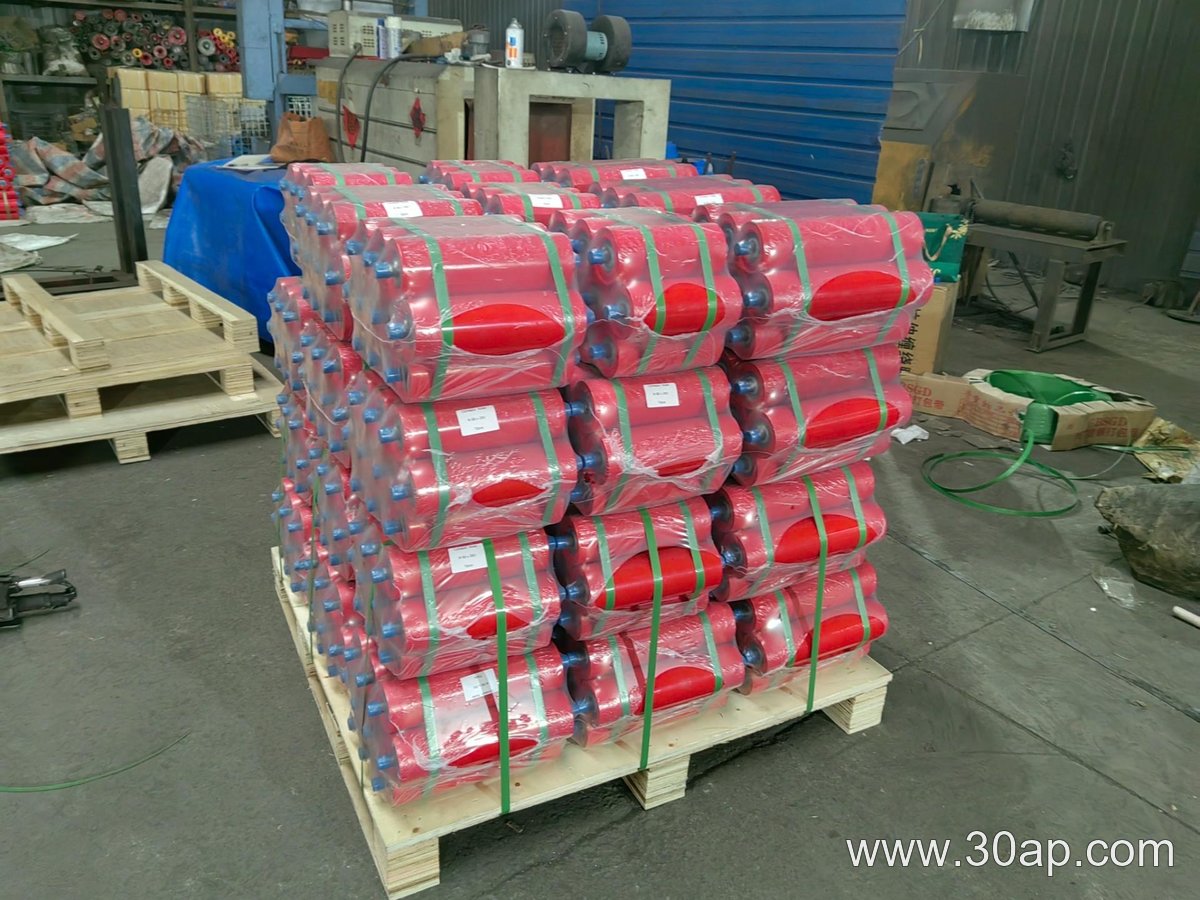
- Polyurethane idler roller: Often selected where noise reduction, light weight, or resistance to oils and mild chemicals is useful. It is not a universal replacement for steel in high-load or high-temperature zones.
- Waterproof idler roller: Designed with sealed bearings and protective end caps for washdown areas or outdoor conveyors. The sealing method affects rolling resistance, so confirm the speed rating.
Step 3: Check Speed and Temperature Limits
Higher belt speeds increase bearing rotation and heat generation. If the idler roller is rated for a lower speed, it may run hot and fail early even if the material is appropriate. Temperature works the same way: standard greases and polymer components have practical limits, and exceeding them shortens service life. Always compare the roller’s stated speed and temperature ratings—not just its price—against your line data.
Step 4: Confirm the Duty Cycle and Maintenance Access
A continuous, heavily loaded line benefits from an idler roller with robust bearing seals and a thicker tube wall. An intermittent line with easy maintenance access may accept a lighter, lower-cost roller. In dusty or wet areas, choose a waterproof idler roller or a sealed equivalent, and plan for periodic inspection of bearing play and surface wear.
Frequently Asked Questions
Can I use a polyurethane idler roller in a high-temperature zone? Only if the roller’s temperature rating covers that zone. Polyurethane softens at elevated temperatures, so steel or a high-temperature polymer may be required.
Does a waterproof idler roller reduce belt speed? Not necessarily, but tighter seals can add rolling resistance. Check the speed rating and confirm the drive system can handle the added drag.
Is a heavier idler roller always stronger? No. Strength depends on tube wall thickness, bearing size, and shaft design. Weight alone is not a reliable indicator of load capacity.
Conveyor Pulley Material Choice: Carbon Steel vs. Stainless Steel
When procuring a conveyor pulley for a general manufacturing line, the material selection often comes down to a trade-off between application fit and purchasing cost. Two common candidates are carbon steel and stainless steel. Neither is universally superior; the right choice depends on the operating environment, load conditions, and budget. This comparison examines how each material performs and where the cost-benefit balance shifts.
Carbon Steel Conveyor Pulley: Cost-Effective for Controlled Environments
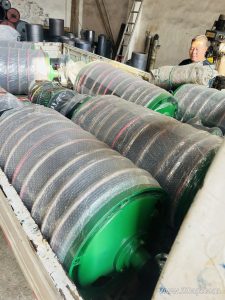
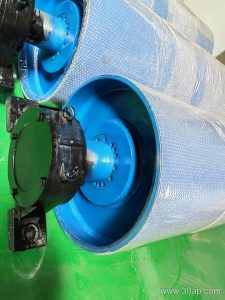
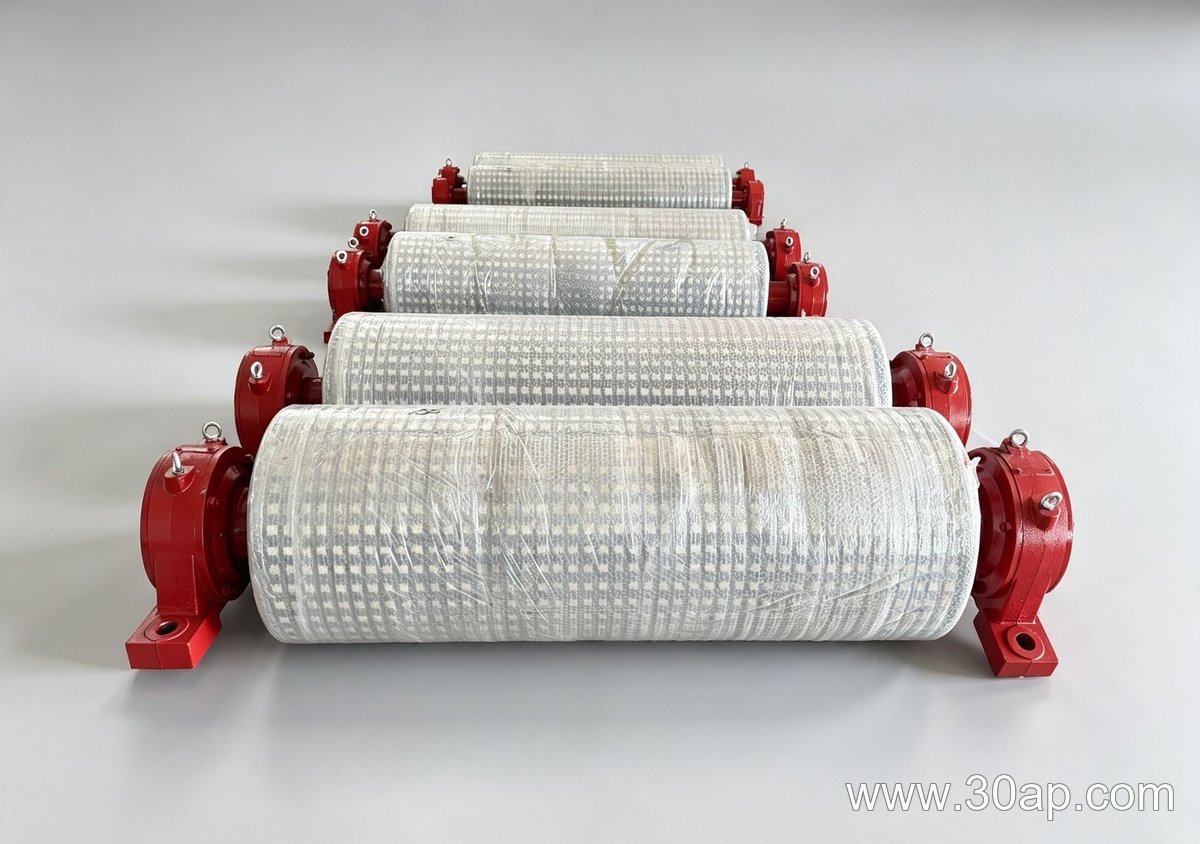
Carbon steel is the default material for many conveyor pulleys in dry, indoor manufacturing lines. It offers good strength and machinability at a relatively low purchasing cost. A carbon steel conveyor pulley can be fabricated with welded shell and hub, and it accepts various lagging materials to improve belt traction. However, carbon steel is susceptible to corrosion if moisture or aggressive chemicals are present. In such cases, protective coatings or platings may be required, which adds to the total cost and introduces a maintenance consideration.
Stainless Steel Conveyor Pulley: Higher Fit in Corrosive or Hygienic Lines
Stainless steel conveyor pulleys resist rust and many chemical attacks, making them suitable for wash-down areas, food processing, or outdoor installations with frequent moisture. The material also maintains strength at elevated temperatures better than carbon steel. The trade-off is a significantly higher purchasing cost—often two to four times that of carbon steel for the same pulley size—and reduced machinability, which can extend lead times. In a general manufacturing line where corrosion is not a concern, the extra cost may not be justified.
Balancing Application Fit and Purchasing Cost
Procurement decisions should weigh the total cost of ownership, not just the initial price. For a conveyor pulley in a clean, dry environment, carbon steel with a durable coating often provides the best value. In wet or corrosive settings, stainless steel minimizes downtime and replacement frequency, offsetting its higher purchase price. A hypothetical example: a line running 16 hours per day in a humid area might see carbon steel pulleys require replacement every 18 months, while stainless steel could last five years or more. Mark this as illustrative only; actual service life depends on many factors. Always consult the pulley manufacturer for material recommendations based on your specific duty.
- Carbon steel: Lower cost, good strength, requires corrosion protection in wet environments.
- Stainless steel: Higher cost, excellent corrosion resistance, ideal for wash-down or chemical exposure.
- Decision tip: Match material to the most severe condition the conveyor pulley will face, then evaluate lifecycle cost.
Fixed or Adjustable Conveyor Bracket: What Does Your Line Actually Need?
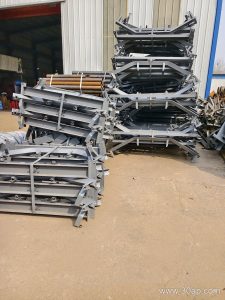
When specifying a conveyor bracket for a general manufacturing line, the first decision is often whether the bracket should be fixed or adjustable. A fixed conveyor bracket locks the idler or support in a permanent position; an adjustable conveyor bracket allows field movement to correct alignment or accommodate minor frame variations. The right choice depends on how much adjustment you need and how much rigidity the line demands.
Fixed Conveyor Bracket: Rigidity with Less Field Flexibility
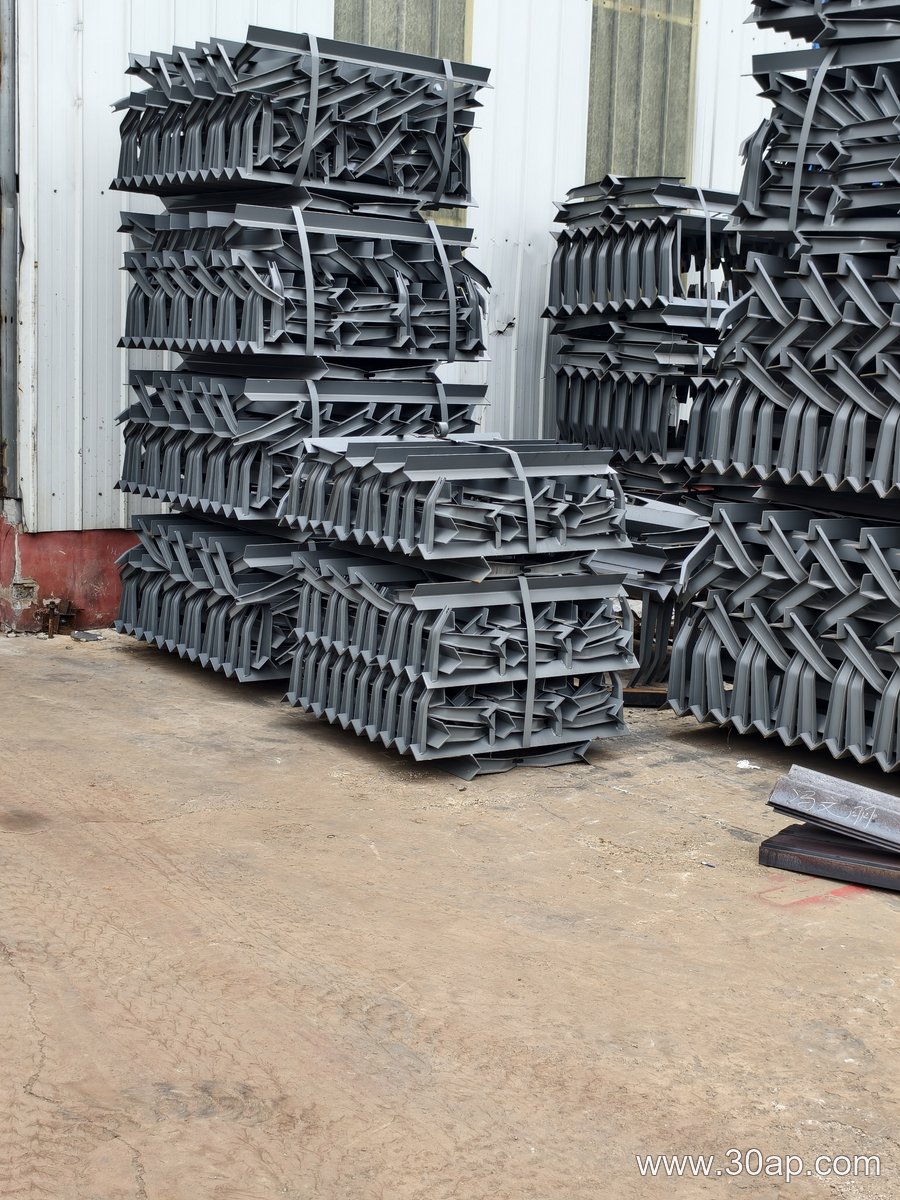
A fixed conveyor bracket is typically welded or bolted directly to the frame. Its main benefit is stiffness: it resists vibration and impact without slipping, which helps maintain consistent belt tracking. The limitation is obvious—if the frame is slightly out of square or the belt needs fine-tuning, correction requires shimming, re-drilling, or other rework. Fixed brackets suit lines where the frame is precisely fabricated and loads are steady.
Adjustable Conveyor Bracket: Alignment Control with More Components
An adjustable conveyor bracket uses slotted holes, threaded rods, or shim stacks to move the idler or support. This makes alignment faster and helps compensate for installation tolerances. However, adjustment points can loosen under repeated vibration, and the extra hardware adds cost and maintenance checks. Adjustable brackets are most suitable for long lines, frequent product changeovers, or frames that are assembled on site.
Matching the Bracket to the Line Conditions
- High-impact zones: fixed brackets reduce the risk of movement under shock loads.
- Long, multi-section conveyors: adjustable brackets simplify tracking corrections.
- Dusty or washdown areas: fewer adjustment points mean fewer places for debris to collect.
- Modular or reconfigurable lines: adjustable brackets support future layout changes.
In practice, many manufacturing lines use a mix: fixed brackets in heavy-load or impact areas, and adjustable brackets where alignment is critical. The decision should be based on the actual frame quality, load profile, and maintenance access—not on a default preference. If you cannot inspect the frame before installation, an adjustable conveyor bracket may save time; if the frame is precise and loads are repetitive, a fixed conveyor bracket often provides the more durable solution.
Conveyor Belt Cover Grades: A Procurement Trade-Off
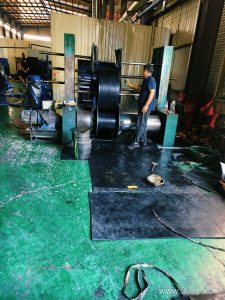
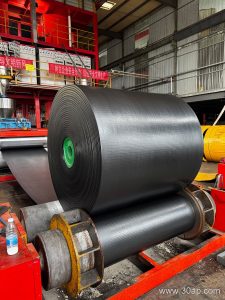
In a dusty quarry, a conveyor belt must resist abrasion from sharp, dry rock while keeping purchase costs within budget. Two common rubber cover grades are often compared: standard abrasion-resistant (often designated by a wear-loss volume) and premium high-abrasion-resistant. The trade-off is straightforward: premium grades cost more per meter but may last longer under severe wear.
Key Differences Between Standard and Premium Conveyor Belt Covers
- Standard grade: Lower initial cost, moderate abrasion resistance, suitable for fines and mixed loads with moderate drop heights.
- Premium grade: Higher purchase price, improved wear resistance, better for sharp, heavy lumps and high-impact zones.
Neither grade is universally better. The choice depends on the actual duty: material size, drop height, throughput, and expected belt life.
Application Fit in a Dusty Quarry
Dusty conditions do not directly attack the cover, but they signal dry, abrasive material. In a hypothetical quarry transfer point with 300 mm lumps and a 2 m drop, a standard cover may wear quickly, requiring more frequent replacement. A premium cover could reduce downtime and long-term cost, but only if the rest of the conveyor belt system—idlers, pulleys, and splices—is maintained. If the belt is already near its tensile limit or the structure is misaligned, paying for premium rubber may not pay back.
Purchasing Cost vs. Total Cost of Ownership
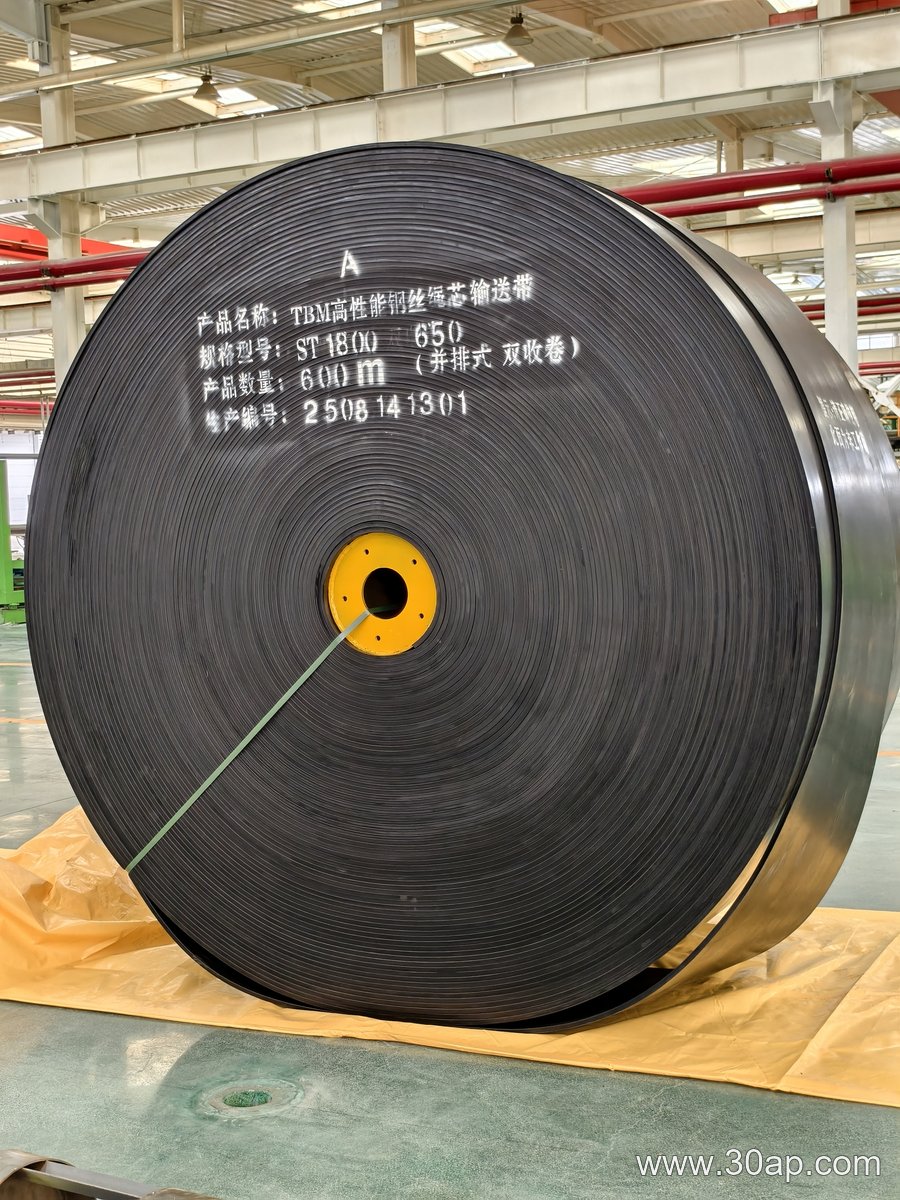
Procurement often focuses on price per meter. A better approach is to estimate cost per ton conveyed. For example, a hypothetical 1400mm conveyor belt moving 800 t/h: if a standard cover lasts 6 months and a premium cover lasts 12 months, the premium may be cheaper over two years despite a higher initial invoice. However, this assumes the premium belt is not damaged by other factors such as edge wear or splice failure.
Practical Procurement Checklist
- Measure maximum lump size and drop height.
- Check whether the conveyor belt will be exposed to oil, heat, or chemicals.
- Review historical belt life for similar duties.
- Confirm available pulley diameter and tension rating—premium covers do not fix a weak carcass.
- Compare quotes on a cost-per-month or cost-per-ton basis, not just price per meter.
In a dusty quarry, the right conveyor belt cover grade is the one that matches the wear mechanism at the lowest total cost, not simply the cheapest or the most expensive option.