What a Heavy-Duty Steel Conveyor Bracket Does
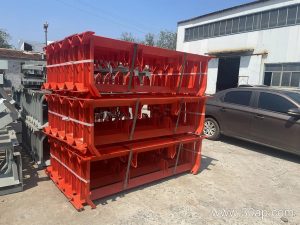
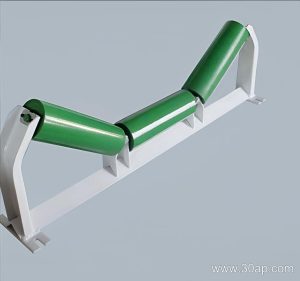
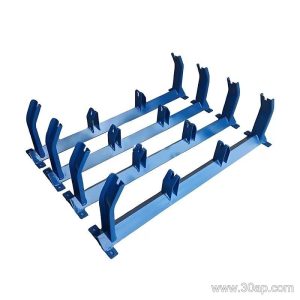
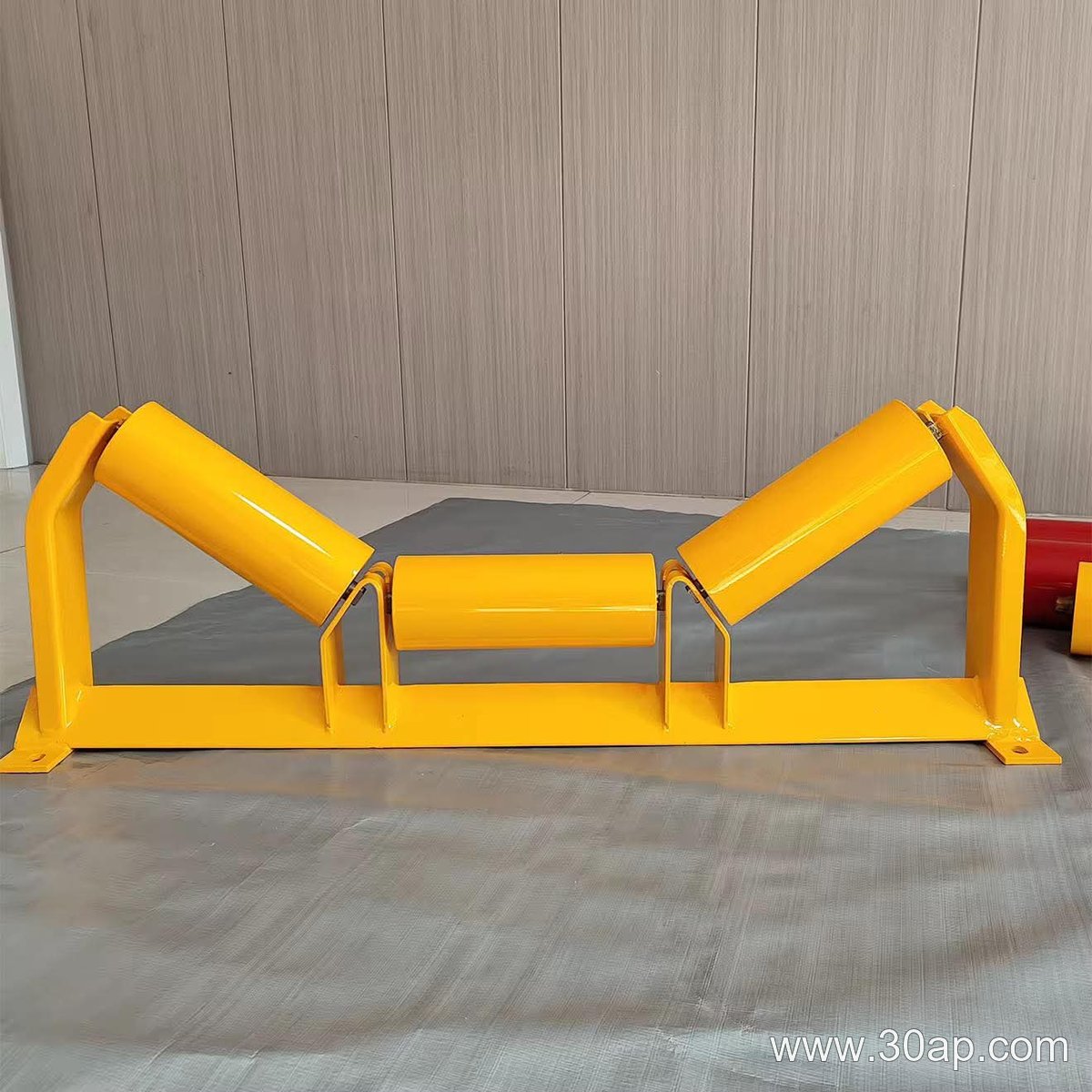
A heavy-duty steel conveyor bracket is the structural support that holds idler rollers in place along a conveyor frame. It carries the weight of the conveyor belt, the material on it, and the roller itself, keeping each roller at the correct height and angle. In a typical troughing station, the bracket forms the cradle that positions three rollers in a V shape, so the belt curves and holds bulk material in the center.
The term is often used alongside conveyor bracket or idler bracket, and all three refer to the same family of support components. When the duty is heavy, the bracket is fabricated from thicker steel and reinforced at the joints, because a sagging or bent bracket lets the belt run off track and shortens roller life.
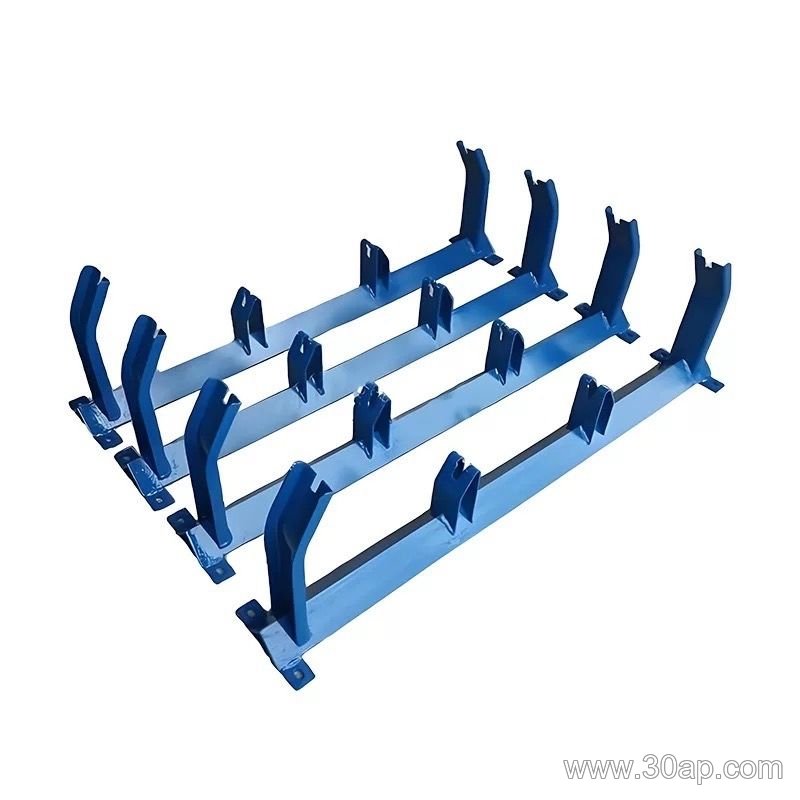
How the Bracket Is Built
Fabrication usually starts with angle steel, channel steel, or folded steel plate. The choice depends on the load and the mounting style. A common sequence includes cutting, punching or drilling the mounting holes, bending the plate into the required profile, and welding the supports that accept the roller shafts.
On adjustable designs, the roller mounting slots allow the troughing angle to be set between positions. Common trough angles are 20, 30, 35, and 45 degrees, and an adjustable bracket can move among them. Forward tilt, often around 1.5 to 2 degrees, is sometimes built in to help the belt track toward the center. After welding, a protective finish such as painting or galvanizing is applied to slow corrosion, particularly in wet or dusty plants.
Where Heavy-Duty Brackets Are Used
These brackets appear wherever a conveyor moves abrasive or heavy bulk material. A limestone quarry is a typical site, where rock dust and constant loading demand sturdy supports. A coal handling system at a power plant is another, because the belt runs long hours and the bracket must resist vibration as well as weight. The same component is used in crushing and screening circuits, cement plants, and port loading lines.
Heavy-duty brackets are not limited to troughing. Return brackets support the belt on the empty side, and V-shaped return brackets help center it. Impact brackets sit under the loading point, where falling material would otherwise damage standard rollers. Each position has its own load pattern, so the bracket profile and steel thickness are matched to the job rather than copied from one station to the next.
Matching the Bracket to Belt and Roller
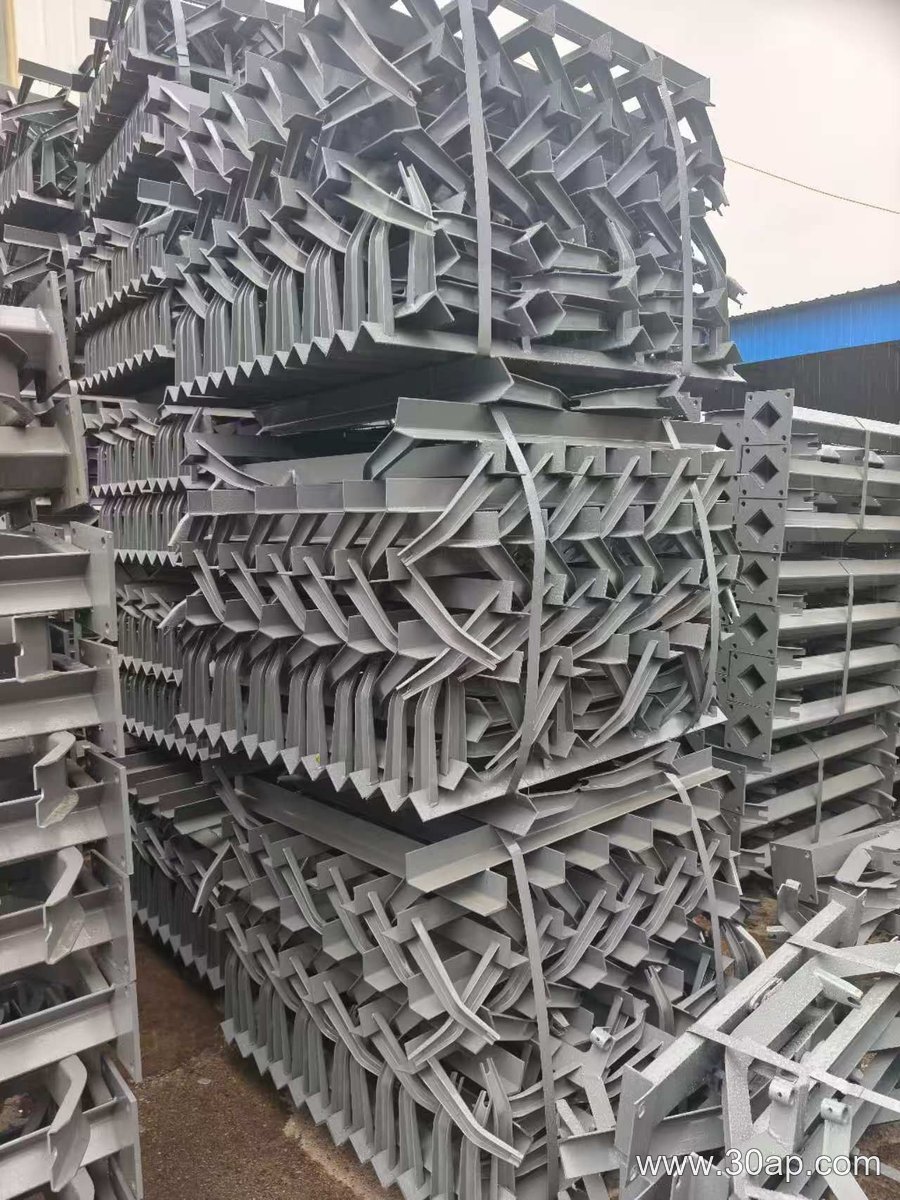
Belt width and roller diameter both influence the bracket. Belt widths from B500 up to B2200 are common in bulk handling, and roller diameters such as 89 mm, 108 mm, 133 mm, 159 mm, and 194 mm are widely used. A heavy-duty bracket for a B1200 belt at a 45-degree trough angle with 133 mm rollers will look very different from one for a B650 belt at 30 degrees with 89 mm rollers.
There is no fixed rule that ties one belt width to one trough angle or one roller diameter. The mounting hole spacing and crossbeam length change with the belt width and trough angle, so these dimensions are determined by the conveyor design, not chosen from a simple chart. A buyer should confirm the belt width, roller diameter, trough angle, and mounting pattern before ordering.
What Buyers Should Check
- Load and duty: State the material, tonnage, and whether the bracket sits at a loading point or a normal carrying station.
- Mounting dimensions: Hole spacing, crossbeam length, and shaft size must match the existing frame and rollers.
- Adjustability: Fixed brackets are simpler and cheaper; adjustable brackets allow the trough angle to be tuned later.
- Material and finish: Thicker steel and a suitable coating extend service life in wet, dusty, or corrosive locations.
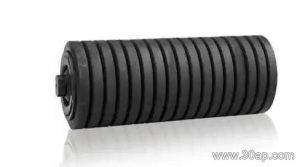
- Roller compatibility: Confirm that the bracket accepts the chosen idler roller and conveyor pulley arrangement on the same frame.
A well-chosen heavy-duty steel conveyor bracket keeps the conveyor belt running true, protects the rollers, and reduces downtime. It is a small part of the system, but it carries a large share of the load.