What a High Wear-Resistant Ceramic Pulley Is
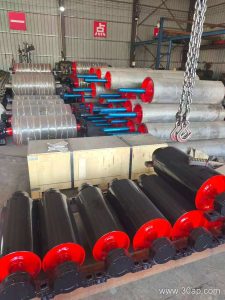
A High Wear-Resistant Ceramic Pulley is a conveyor pulley whose shell is fitted with ceramic tiles to resist abrasion at the point where the belt grips the drum. In practice it is the same product as a ceramic-lagged conveyor pulley, and both names describe a drum built for slip control and long surface life rather than for general light duty. The ceramic layer is the defining feature; the pulley underneath still follows normal drum design rules for shaft, bearing and shell thickness.
This drum is usually found where the conveyor carries sharp, gritty or wet material and where belt slip would quickly polish away a plain steel or rubber surface. Typical settings include a quarry transfer, a limestone crushing line and a cement plant clinker circuit. In those places the pulley works alongside the conveyor belt, the conveyor pulley set and the idler roller train, and every one of them has to tolerate the same dust load.
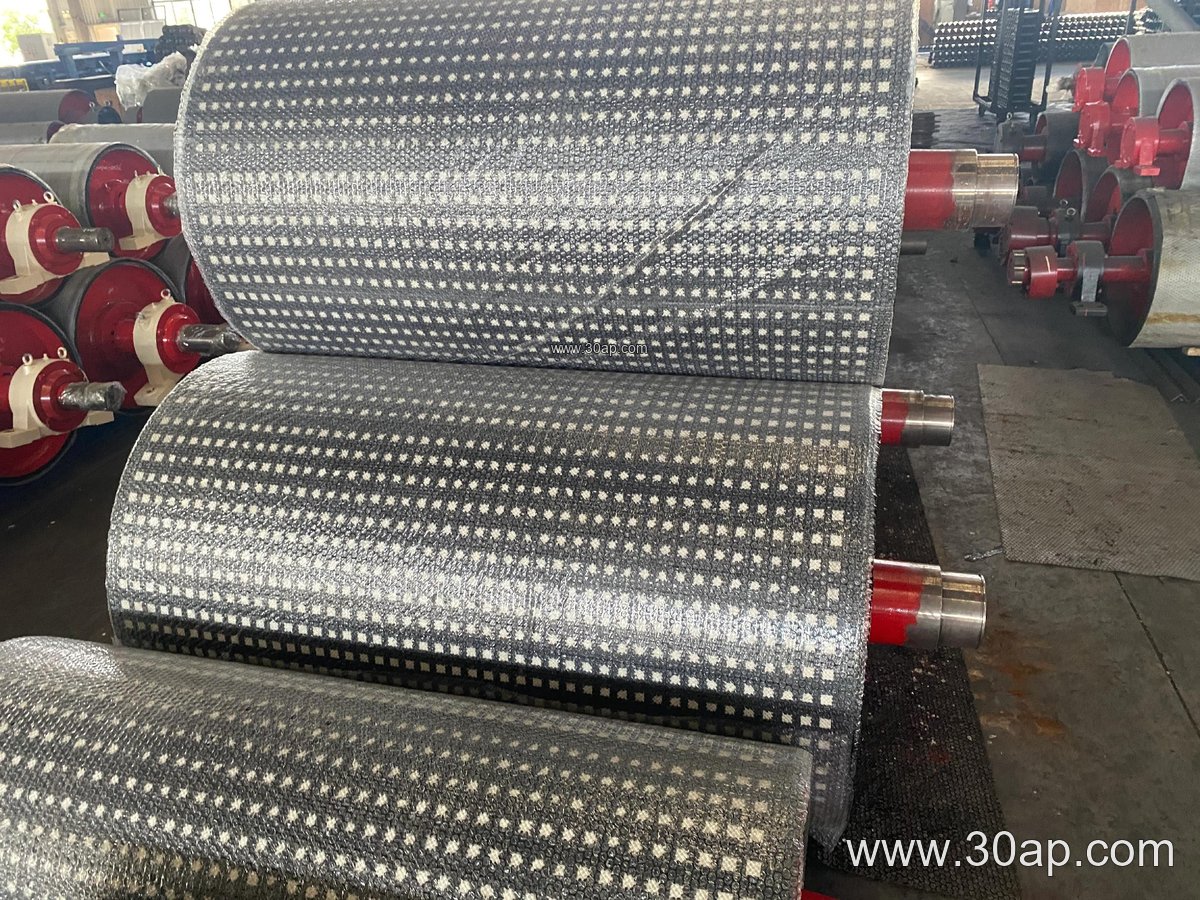
How the Ceramic Surface Is Built
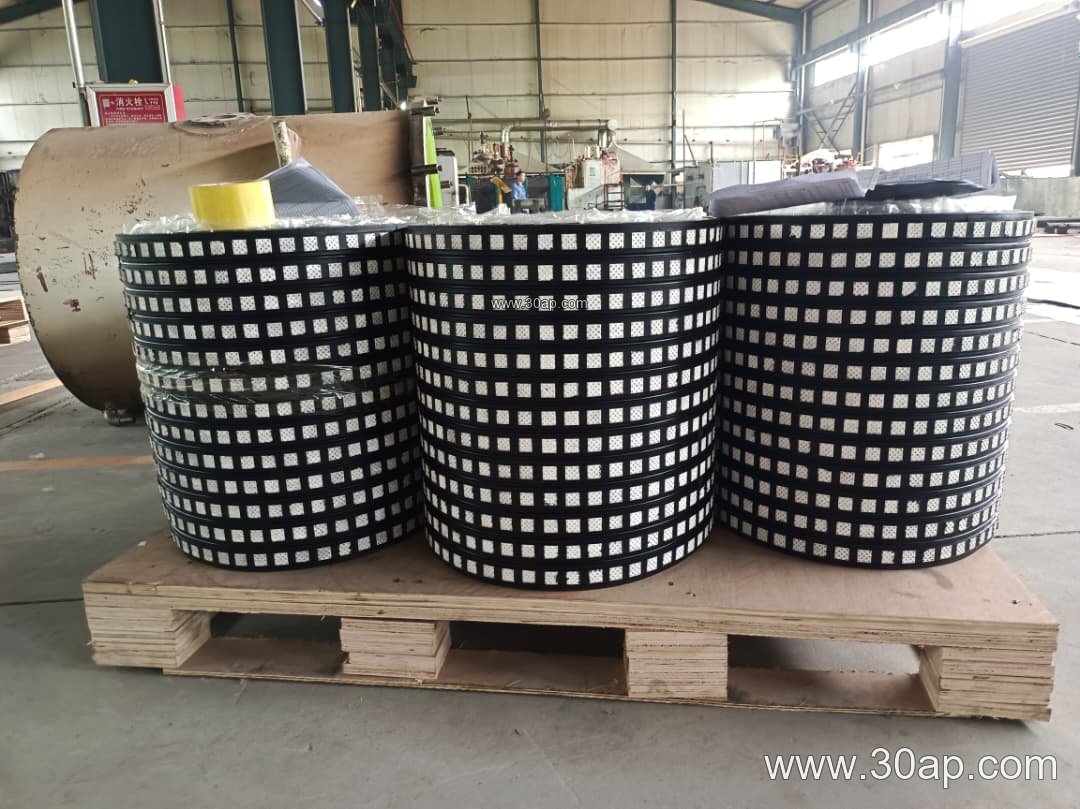
The wear layer is made of small ceramic tiles set into a rubber or epoxy backing and bonded to the shell. The tiles are hard and stand proud of the backing, so the belt rides on many small contact points while water, fines and slurry drain away between them. That pattern is what separates a ceramic-lagged drum from a smooth rubber lagging on a bend pulley used only to change belt direction.
Build quality shows in three places: tile spacing, bond integrity and edge protection. Tiles set too far apart leave soft backing exposed; tiles bonded without proper surface preparation can lift under repeated flexing; and unprotected tile edges at the shell ends chip when the belt wanders. A buyer should ask how the tiles are fixed, whether the lagging is vulcanised or cold-bonded, and how the ends are finished.
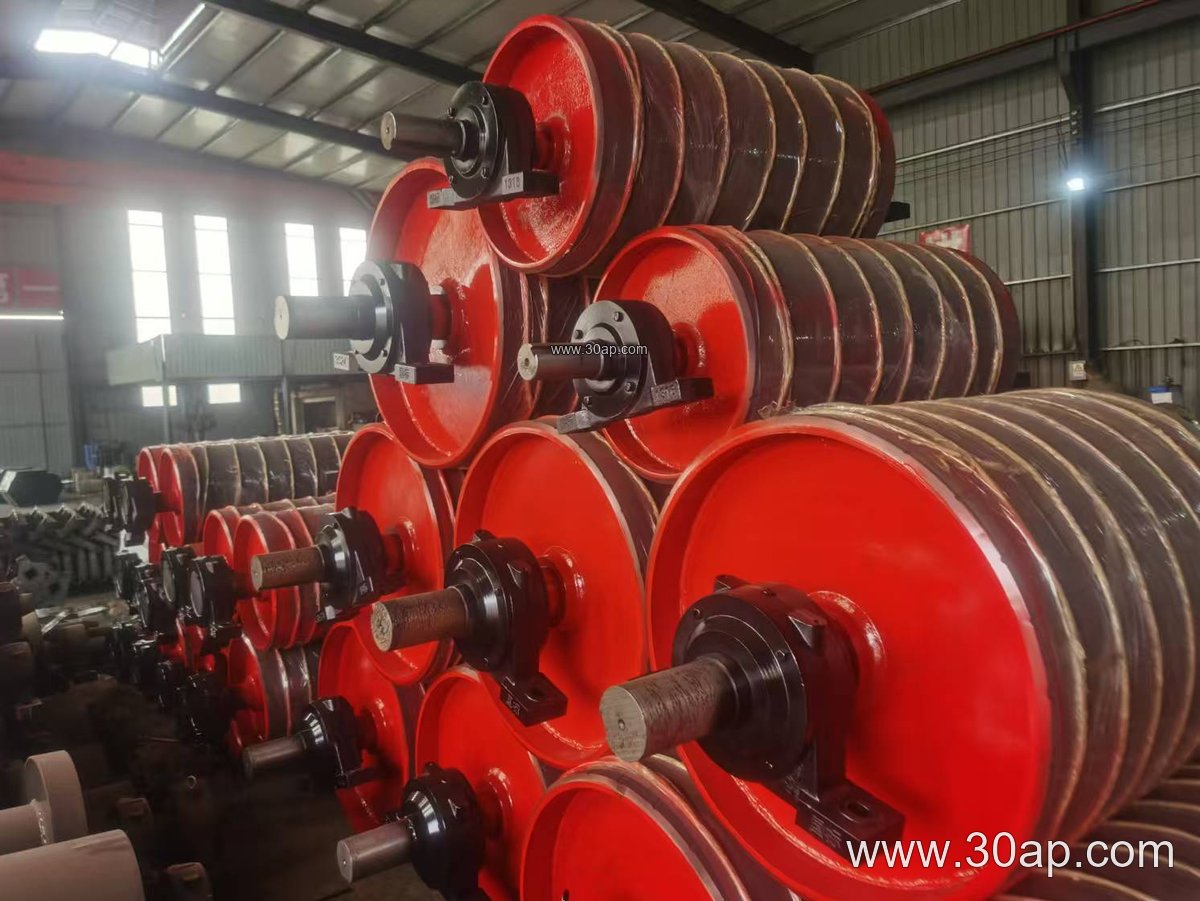
Where It Fits on the Conveyor
Ceramic lagging is most often specified on the drive pulley, where torque has to pass from drum to belt, and on a tail pulley in wet or abrasive service where fines pack the shell. It can also appear on a snub pulley or a tension pulley in a short, heavily loaded run. It is not a substitute for a bend pulley whose only job is a small wrap angle, and it is not the same component as a wing pulley used to shed sticky material.
Applications tend to follow the abrasive trades. A coal mining conveyor handling wet product, an iron ore transfer in a steel plant, a power plant coal yard and an aggregate line feeding a crusher all put grit between belt and drum. In each case the ceramic surface is chosen for grip and wear life, while the conveyor bracket and frame stay a separate structural decision.
Sizes and Surface Options at a Glance
Dimensions follow the conveyor design, not a fixed catalogue rule. The shell face is normally wider than the belt, and common references look like this:
| Belt width | Typical shell face | Example diameter pairing |
|---|---|---|
| B500 | about 600 mm | B500 x Ø400 |
| B650 | about 750 mm | B650 x Ø500 |
| B800 | about 950 mm | B800 x Ø500 |
| B1000 | about 1150 mm | B1000 x Ø630 |
| B1200 | about 1400 mm | B1200 x Ø1000 |
| B1400 | about 1600 mm | B1400 x Ø800 |
| B1600 | about 1800 mm | B1600 x Ø1000 |
These are reference combinations, not mandatory matches. One belt width can work with several drum diameters depending on wrap angle, belt tension and space. Shaft diameter is set by torque and load, with common sizes running from Ø50 to Ø200 mm, and it must never be picked from belt width alone.
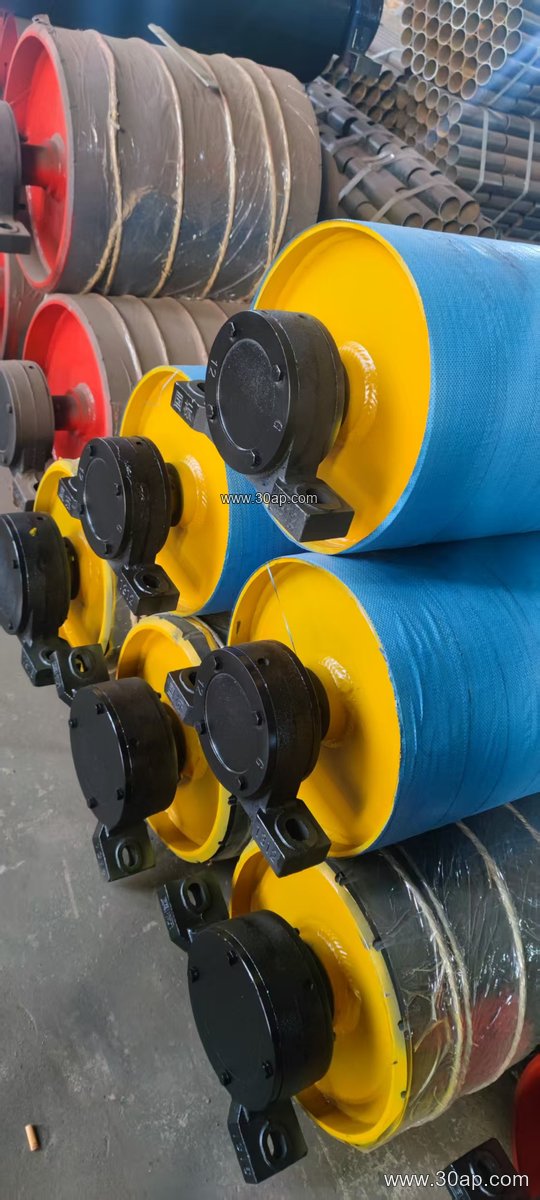
Lagging thickness commonly falls between 8 mm and 20 mm, and surface forms include plain, diamond and ceramic. Rubber lagging such as hot vulcanised or cold bonded sheet remains a reasonable choice for less abrasive duty; ceramic is selected where the abrasion is severe.
Buyer Checklist
- Confirm the pulley position first: drive, tail, snub or tension. Each has a different duty and a different wrap angle.
- State the conveyed material and moisture level. Wet fines are far harder on lagging than dry lump material.
- Give belt width, belt type and belt tension so the drum diameter and shaft can be calculated together.
- Ask for tile specification and bond method, and check how the lagging ends are sealed.
- Check that the pulley mates correctly with the conveyor bracket and bearing housing on site.
- Match the drum to the belt in use, whether that is an EP conveyor belt, an abrasion resistant conveyor belt or a steel cord conveyor belt.
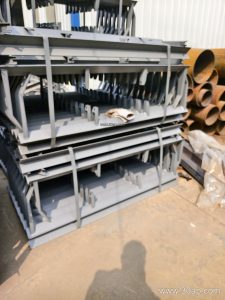
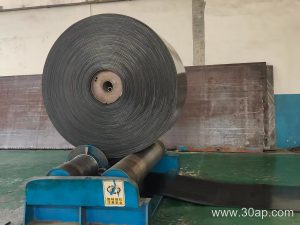
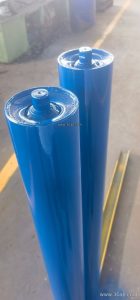
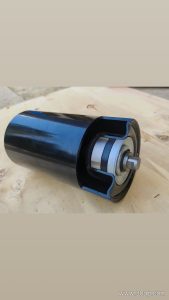
The belt side matters too. A heavy-duty mining conveyor belt and a high abrasion resistant conveyor belt both load the lagging differently from a thin fabric core belt, so the drum and belt should be chosen as a pair. A ceramic drum will not fix a misaligned frame or a worn idler roller, and it will not compensate for poor belt tracking.
Installation and Care
Keep the shell clean during fitting and avoid hammering the tiles. After start-up, check belt tracking and lagging wear in the first weeks, then at routine shutdowns. Chipped tiles should be replaced before the backing is exposed, because once the rubber wears through, the shell starts to polish and grip falls away. On a quarry conveyor or a cement plant conveyor, that small maintenance step is what keeps the drum in service for years rather than months.