What a High Temperature Conveyor Belt Is
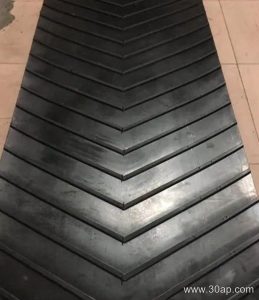
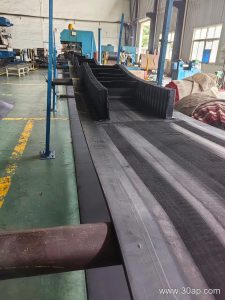
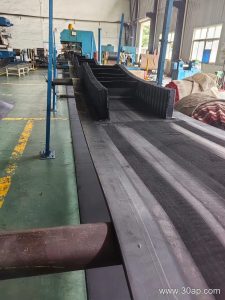
A High Temperature Conveyor Belt is a heavy-duty rubber conveyor belt engineered to carry hot bulk materials without losing its cover, carcass strength, or dimensional stability. It is the belt of choice in cement plants, steel plants, power plants, foundries, and sinter or clinker handling lines where surface temperatures at the load point can climb well above the range of a standard belt. In everyday plant language it is often called a heat resistant conveyor belt, and the two names refer to the same product family.
The keyword matters because heat is a silent destroyer. A general-purpose belt exposed to hot clinker or cement will harden, crack, and eventually delaminate, while a properly specified heat resistant belt keeps its elasticity and protects the splices.
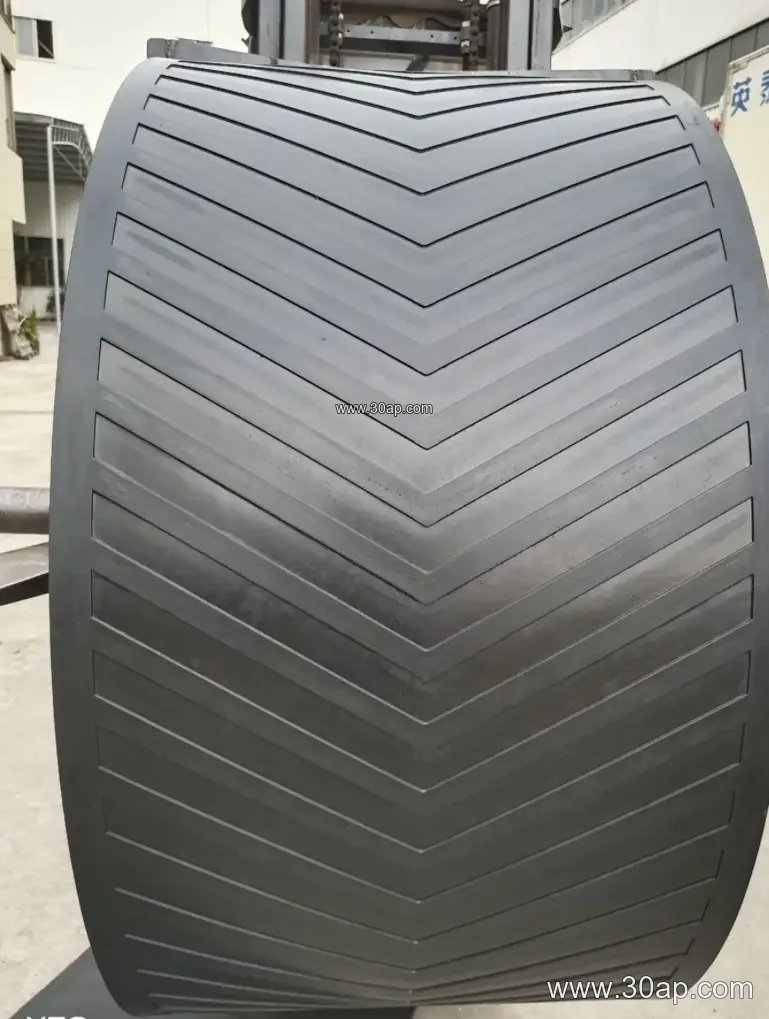
How the Belt Is Built
Construction follows the same layered logic as other fabric or steel reinforced belts, with an emphasis on heat stability:
- Top cover: a heat resistant rubber compound, usually with a higher retained tensile strength after oven ageing than standard compounds.
- Carcass: multi-ply fabric core, typically EP or NN, or a steel cord core for very high tension and long centre distances.
- Bottom cover: a thinner heat resistant layer that protects the pulley side.
- Optional features: heat resistant grades can be combined with flame retardant, anti-static, or abrasion resistant properties when the plant requires several protections at once.
Cover thickness is usually described as top plus bottom, for example 4+2 mm, 5+2 mm, 6+2 mm, or 8+3 mm. Carcass plies commonly run from 2 to 6 layers depending on the duty. These are typical reference values, and the final build is set by the belt design and the supplier’s data sheet.
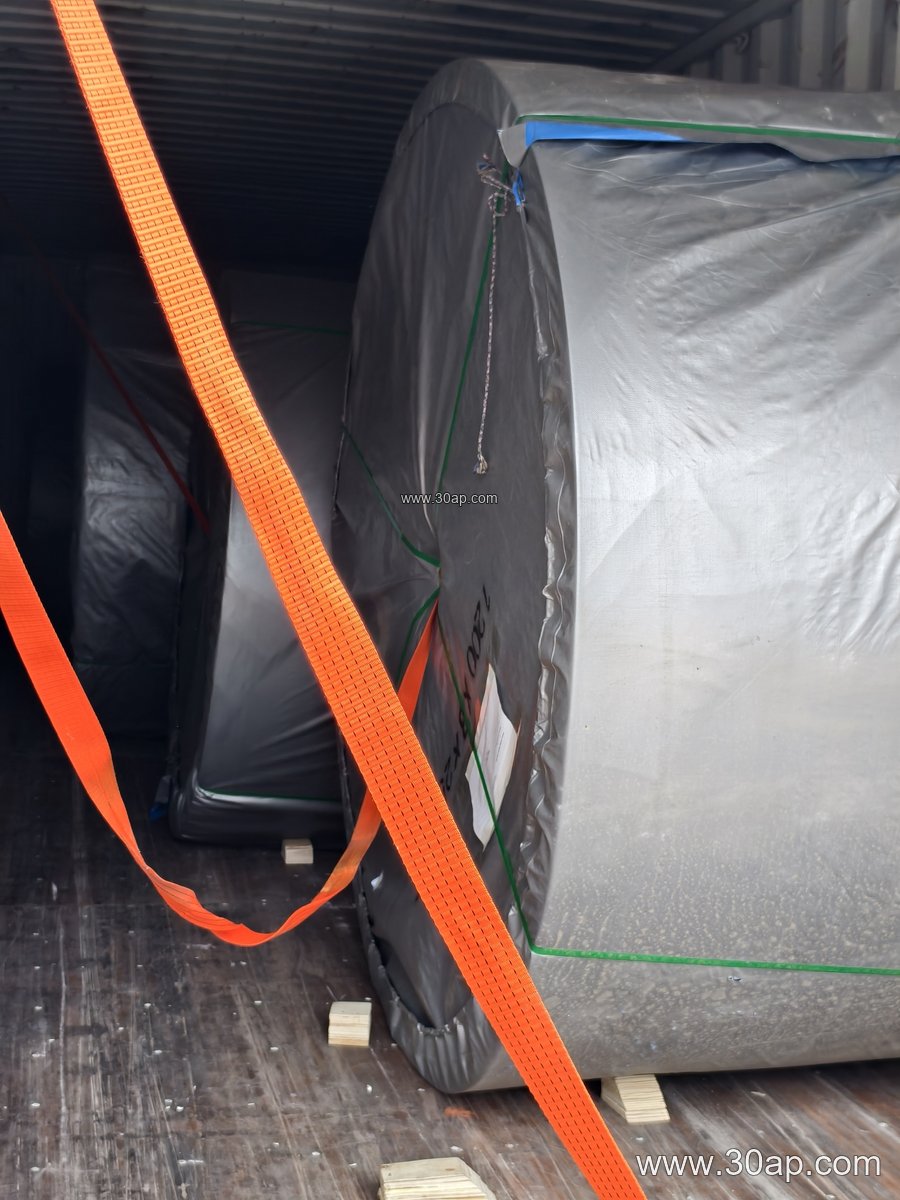
Typical Specifications at a Glance
The table below shows common reference ranges for heat resistant belts. It is not a fixed catalogue and no single size is mandatory for every conveyor.
| Parameter | Common range | Notes |
|---|---|---|
| Belt type | EP, NN, steel cord | EP and NN for fabric core, steel cord for high tension |
| Strength grade | EP200, EP315, EP400, EP500, EP630, EP800, EP1000, EP1250 | Higher grades for longer or more loaded conveyors |
| Belt width | B500, B650, B800, B1000, B1200, B1400, B1600, B1800, B2000 | Width follows the conveyor design, not the other way round |
| Cover thickness | 3+1.5, 4+2, 5+2, 6+2, 8+3 mm | Thicker top cover for hotter or more abrasive loads |
| Number of plies | 2 to 6 | Set by tension calculation |
For a hot clinker line a 1000mm or 1200mm wide belt with a 6+2 mm cover is a common arrangement, while a cement plant transfer point may use an 800mm belt with a 5+2 mm cover. A very wide 1800mm or 2000mm belt is usually reserved for high-capacity bulk terminals or large crushing stations.
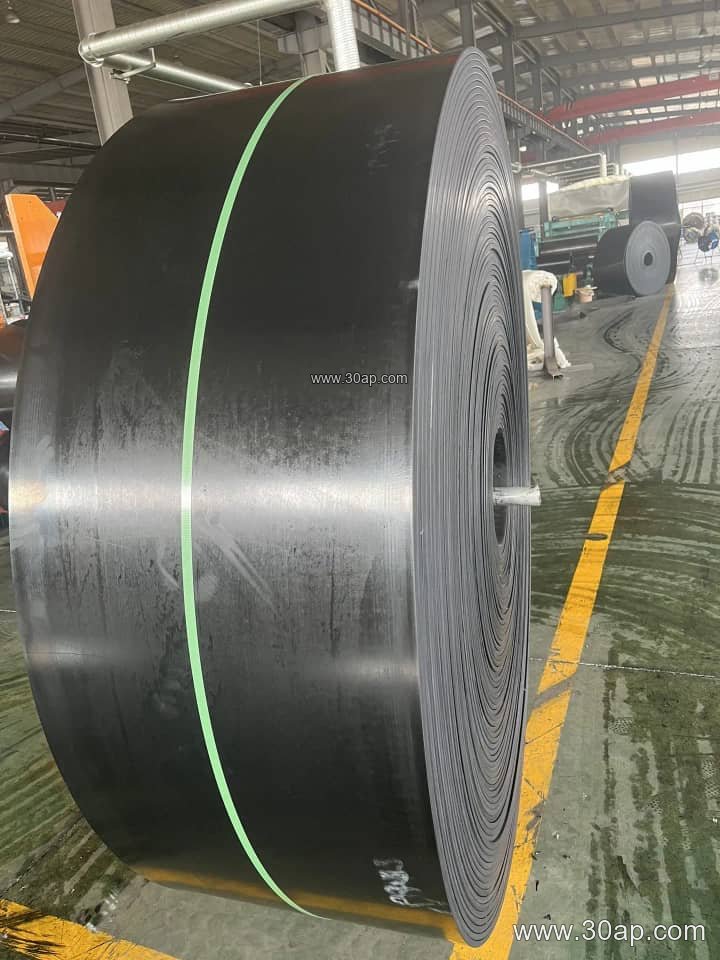
Where It Is Used
Heat resistant belts appear across many industries that handle hot bulk material:
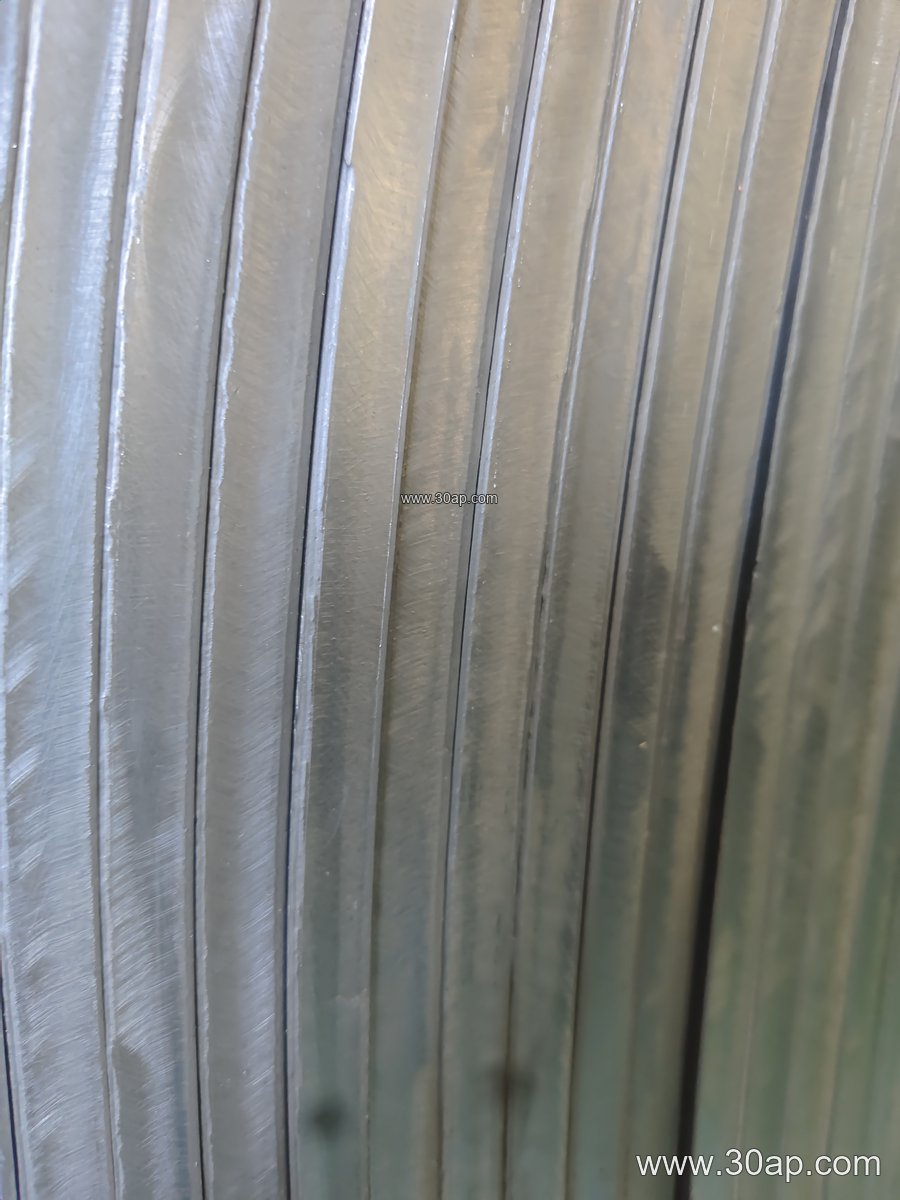
- Cement plants: clinker, cement, and kiln feed transfer points.
- Steel plants: sinter, coke, and hot pellets.
- Power plants: ash and hot fuel handling.
- Foundries and smelters: sand and metal-bearing material.
- Mining and ore handling: some ore streams arrive warm after drying or processing.
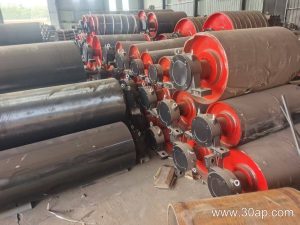
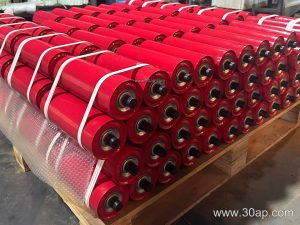
In these plants the belt works with conveyor pulleys, idler rollers, and conveyor brackets, and all of them must be rated for the same thermal environment. Drive, tail, and bend pulleys each do a different job and are not interchangeable; the heat resistant belt simply has to run true on all of them.
What Buyers Should Check
Before ordering a heat resistant belt, confirm the actual material temperature at the load point, not just the average. Ask about the maximum temperature and the duration of the peak, because a short hot surge and a continuous hot load need different compounds. Then check:
- The carcass type and strength grade, such as EP400 or EP630, matched to the conveyor tension calculation.
- The cover thickness and grade, and whether flame retardant or anti-static properties are also needed.
- The belt width and splice method, since hot belts often need special splice materials.
- Whether the pulley lagging, idler rollers, and conveyor brackets are also heat rated.
Maintenance is mostly about watching the cover for hardening and edge cracking, checking splice condition, and keeping the belt tracking correctly across the pulleys. A belt that runs off-centre will wear its edges faster, and heat accelerates that wear.
For more product information, visit heat resistant conveyor belt or browse our rubber conveyor belt range and EP conveyor belt options. If the plant also handles cold or oily material, a separate cold resistant conveyor belt or oil resistant grade should be specified rather than forcing one belt to do everything.