What a Carbon Steel Conveyor Bracket Does
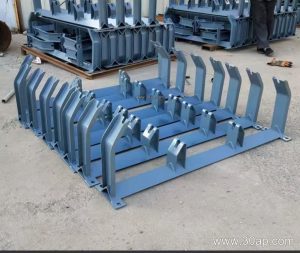
A carbon steel conveyor bracket is the structural element that holds idler rollers and related components in position along a belt conveyor. Often called a carbon steel conveyor support bracket, it carries the weight of the belt and material, maintains the desired trough shape, and keeps the roller axes aligned with the belt path. In a quarry, cement plant, or coal handling system, these brackets are the quiet workhorses behind smooth belt tracking and stable material flow.
Unlike the conveyor pulley, which drives or redirects the belt, the bracket is a stationary support. It works together with the conveyor belt, idler roller, and conveyor pulley to form a complete conveyor line. A well-designed bracket helps reduce belt edge wear and extends roller life, especially on long overland or high-tonnage routes.
Construction and Materials
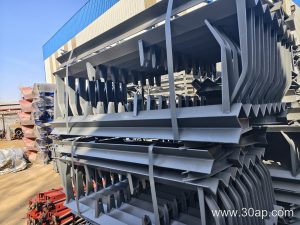
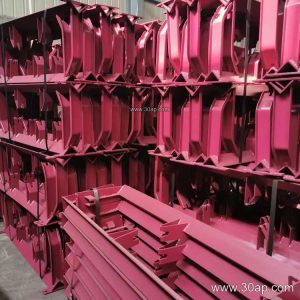
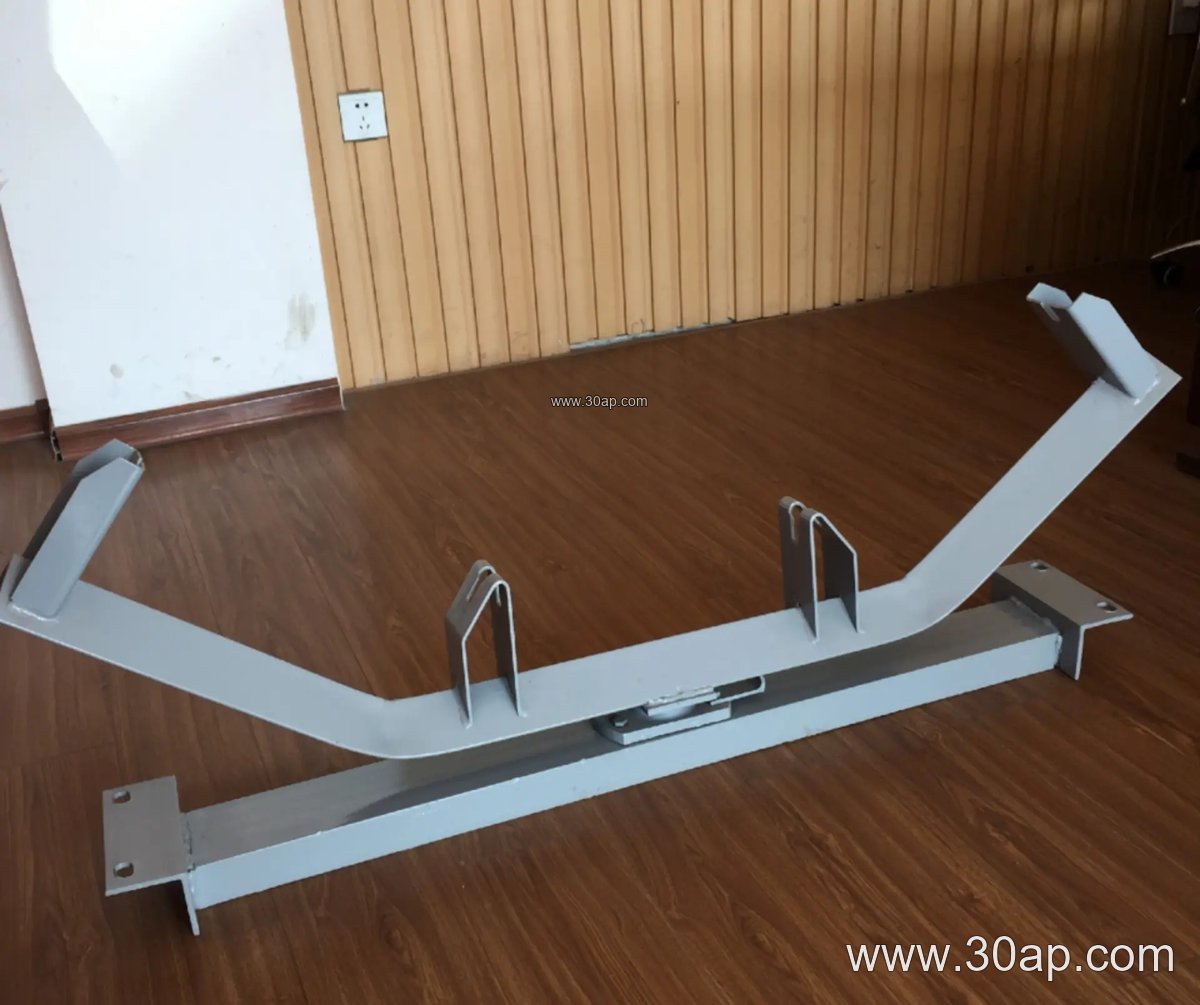
Most carbon steel conveyor brackets are fabricated from angle steel, channel steel, or folded steel plate. The choice depends on load, belt width, and mounting arrangement. A typical bracket includes a crossbeam, mounting pads for the idler roller shaft, and holes or slots for bolting to the conveyor frame. Welded or bolted designs are both common; bolt-on brackets simplify replacement in the field.
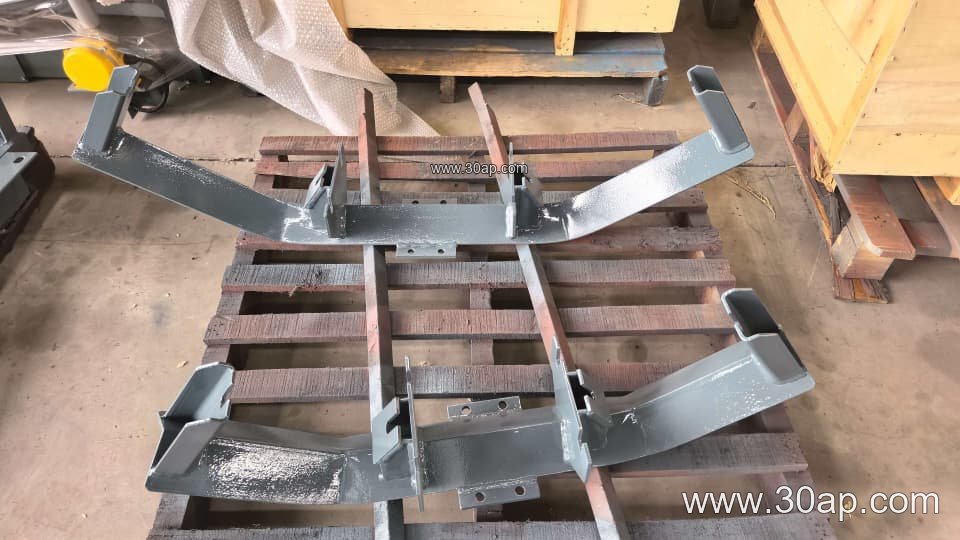
Surface treatment matters in dusty or wet environments. Painted, galvanized, or powder-coated carbon steel brackets resist corrosion better than bare steel. For abrasive conditions such as a crusher discharge or sinter plant, thicker sections and reinforced gussets are often specified.
Common Types and Where They Fit
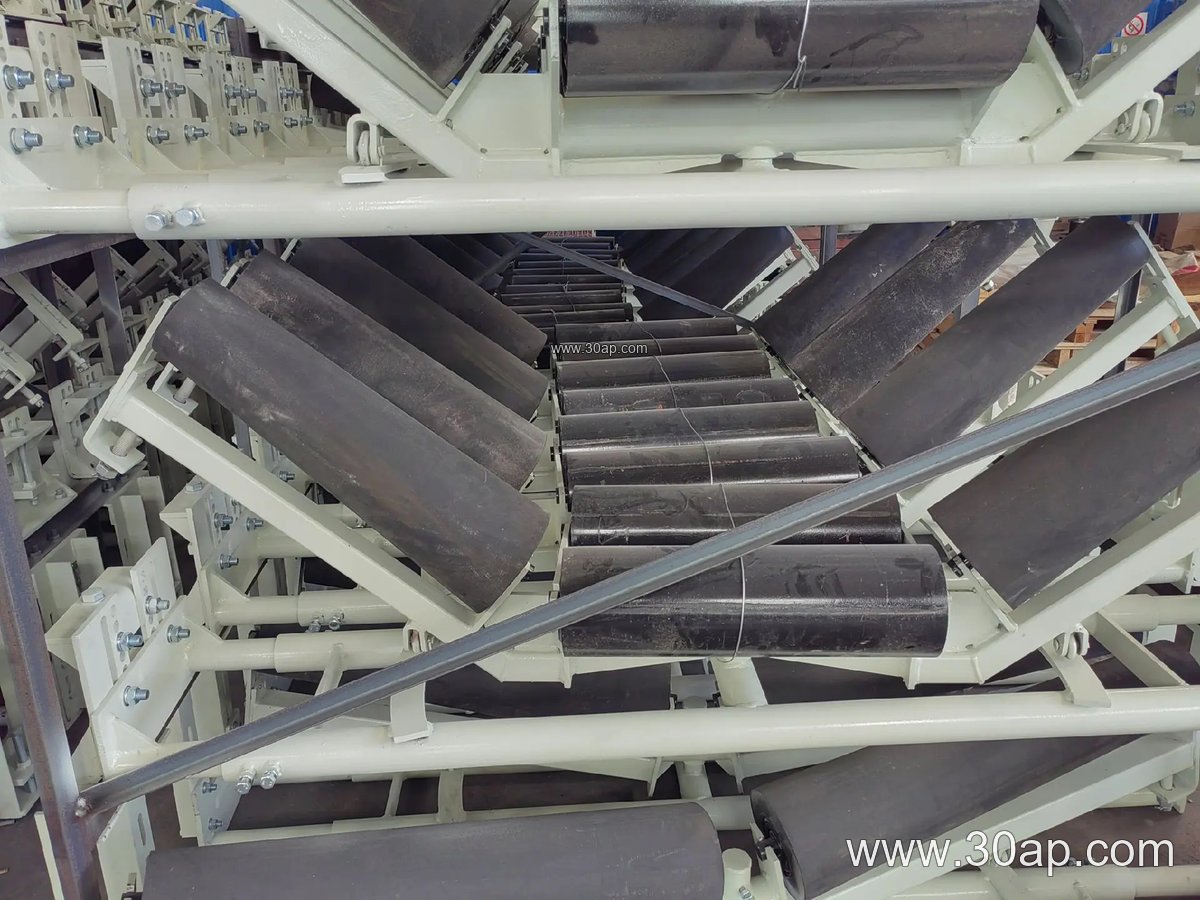
Brackets are selected by function along the conveyor. Troughing brackets support the carrying side and set the trough angle. Return brackets hold the belt on the return run, while impact brackets absorb shock at load points. Self-aligning brackets help correct belt drift, and transition brackets ease the belt from flat to troughed profile near pulleys.
- Troughing bracket (upper carrying side)
- Return bracket (lower run)
- Impact bracket (loading zone)
- Self-aligning bracket (belt tracking)
- Transition bracket (near drive or tail pulley)
Adjustable brackets allow the trough angle to be changed on site, which is useful when a conveyor handles different materials or when fine-tuning belt contact. Fixed brackets are simpler and often chosen for stable, single-duty installations.
Matching Bracket, Belt Width, and Roller Diameter
Bracket dimensions follow belt width, trough angle, and roller diameter. Common belt widths include B500, B650, B800, B1000, B1200, B1400, B1600, and B1800. Trough angles are usually 20, 30, 35, or 45 degrees. Roller diameters such as Ø89, Ø108, Ø133, Ø159, and Ø194 appear across different duty levels. A bracket for B800 at 35 degrees with Ø108 rollers is a typical mid-duty combination, while B1200 at 45 degrees with Ø133 rollers suits heavier loads. These are reference examples, not fixed rules; actual mounting hole spacing and crossbeam length are determined by design.
| Belt Width | Common Trough Angle | Typical Roller Diameter |
|---|---|---|
| B500 | 20–30 degrees | Ø89 |
| B650 | 30–35 degrees | Ø89–Ø108 |
| B800 | 30–35 degrees | Ø108 |
| B1000 | 35–45 degrees | Ø108–Ø133 |
| B1200 | 35–45 degrees | Ø133 |
| B1400 | 35–45 degrees | Ø133–Ø159 |
| B1600 | 35–45 degrees | Ø159 |
| B1800 | 35–45 degrees | Ø159–Ø194 |
Belt construction also influences bracket choice. A heavy-duty mining conveyor belt or steel cord conveyor belt may require closer roller spacing and stronger brackets than a lightweight fabric core conveyor belt. In coal mining, flame retardant conveyor belt and anti-static conveyor belt are common, and brackets should be compatible with the grounding and safety practices of the site.
Installation and Maintenance Notes
Correct alignment at installation prevents most tracking problems. Brackets should sit square to the conveyor centerline, with mounting bolts tightened to the frame manufacturer’s recommendation. Check that the idler roller spins freely and that the bracket does not contact the belt edge. In dusty plants, periodic cleaning around the bracket base avoids material buildup that can misalign the roller. Inspect for bent crossbeams or elongated bolt holes after impact events, and replace damaged brackets rather than forcing alignment with shims.
For more information on conveyor components and belt selection, visit www.example.com/conveyor-bracket or contact our team at www.example.com/idler-roller. Whether your line uses an EP conveyor belt, a heat resistant conveyor belt, or a corrugated sidewall conveyor belt, matching the bracket to the belt and roller is the key to reliable support.