What a Guide Idler Bracket Does on a Conveyor
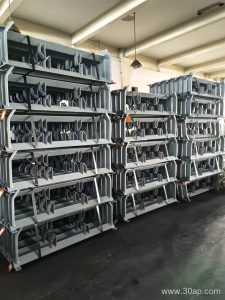
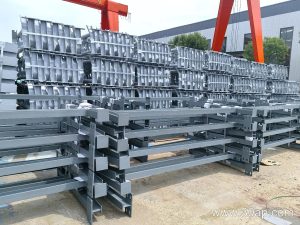
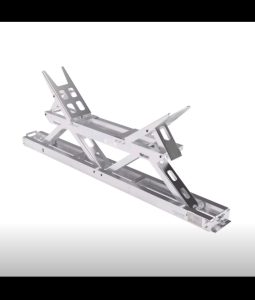
A guide idler bracket is a structural component that holds idler rollers in position along a conveyor frame. The bracket keeps the idler at the correct angle and height so the conveyor belt runs smoothly and stays aligned. In quarry and aggregate lines, a well-mounted guide idler bracket helps reduce belt edge damage and spillage. The bracket works together with the conveyor belt, idler roller, and conveyor pulley to maintain proper belt tracking. Without a secure bracket, even a small misalignment can lead to uneven wear and costly downtime.
Construction and Materials
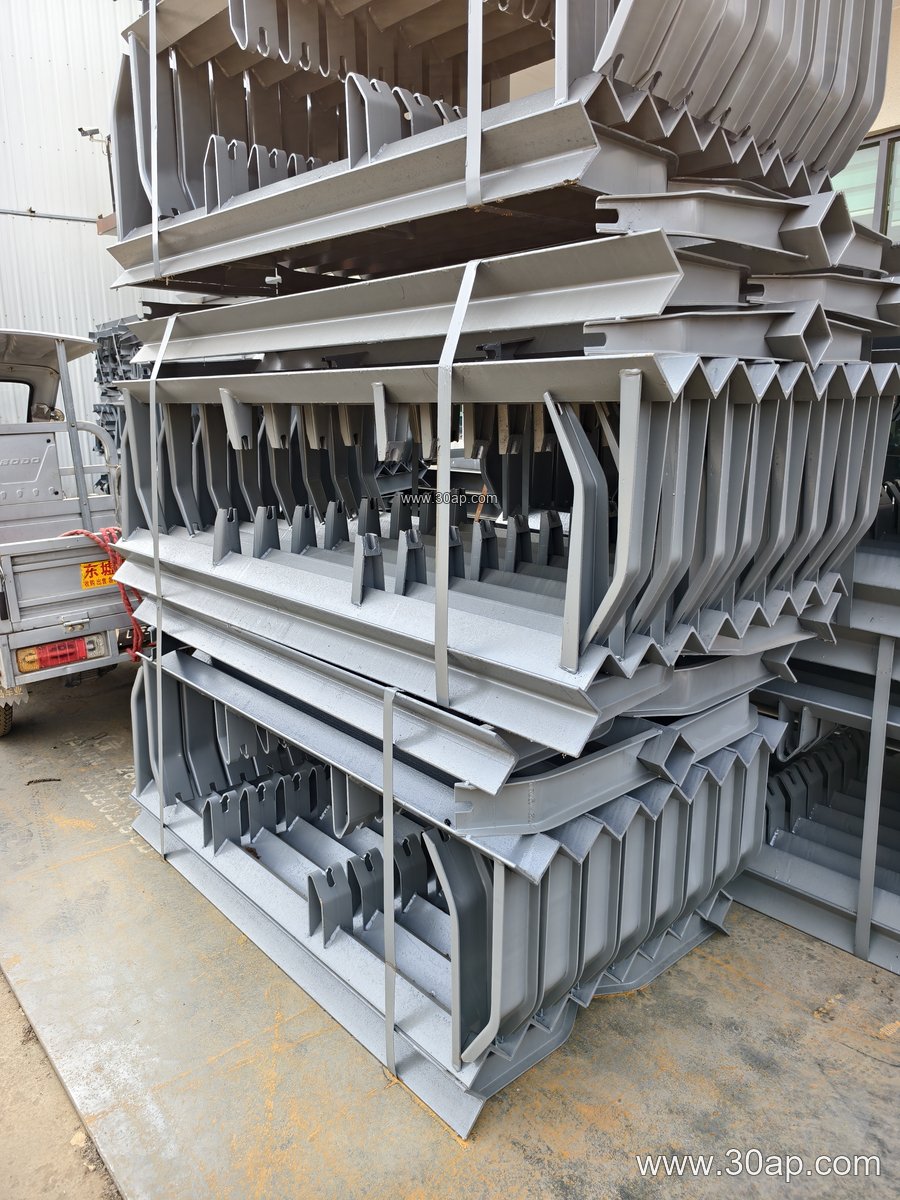
Most guide idler brackets are fabricated from angle steel, channel steel, or bent steel plate. The material choice depends on load requirements and environmental conditions. For heavy-duty mining conveyor belts, thicker steel and reinforced welds are common. The bracket typically includes mounting holes, a crossbeam, and adjustable slots for fine-tuning idler position. Surface treatment such as painting or galvanizing helps resist corrosion in wet or dusty environments.
Types and Adjustability
Guide idler brackets come in several forms to suit different conveyor sections. Common types include troughing brackets for carrying idlers, return brackets for lower idlers, and transition brackets near pulleys. Adjustable brackets allow the trough angle to be set between 20, 30, 35, and 45 degrees. Fixed brackets are simpler and often used where the belt path is stable. For belt widths from B500 to B2200, bracket dimensions and hole spacing vary accordingly. A typical combination might be B800, 35 degrees, with Ø108 idlers, but many other combinations are possible based on design.
Common Bracket Configurations
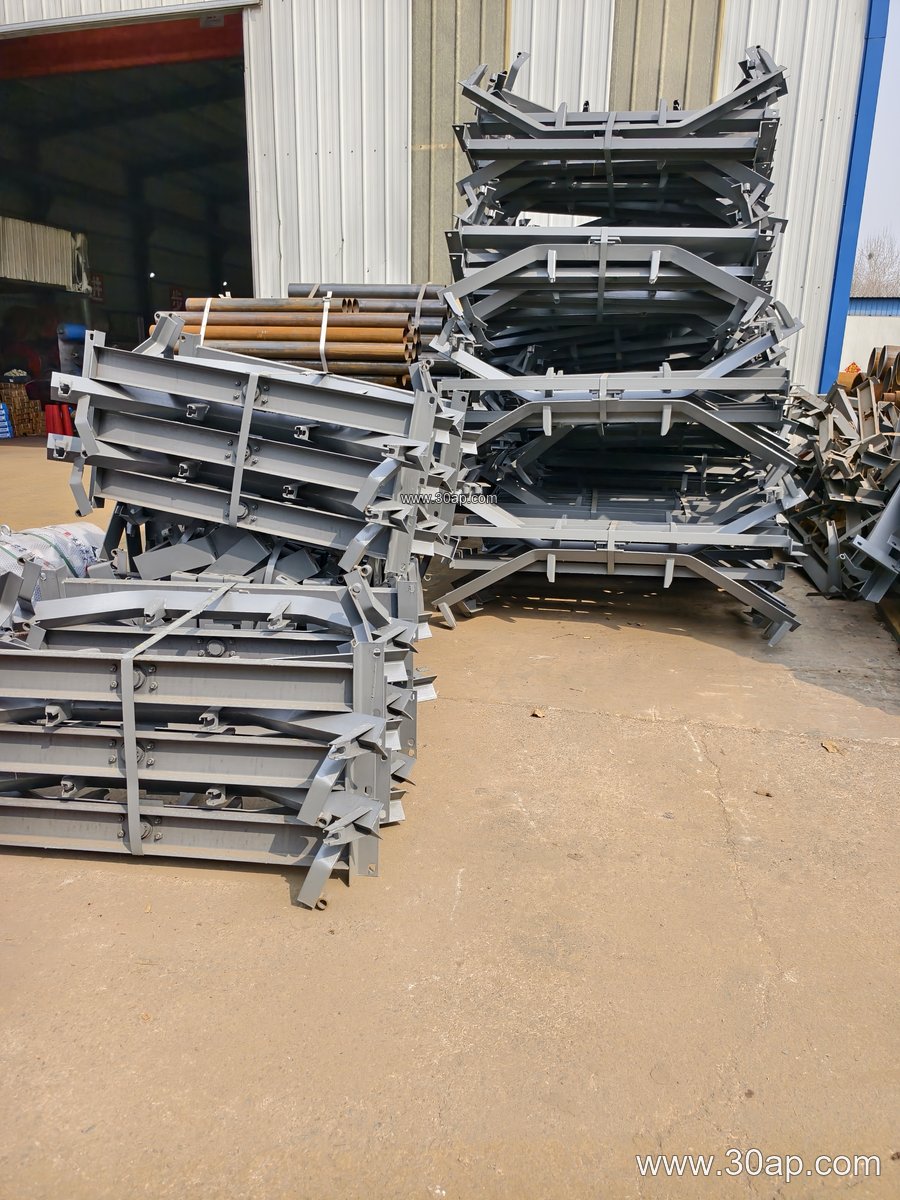
- Troughing bracket for 3-roll idler sets
- Return bracket for flat or V-return idlers
- Impact bracket for loading zones
- Self-aligning bracket for belt tracking
- Transition bracket near drive or tail pulleys
Each configuration is selected to match the idler type and conveyor layout. For example, a V-return bracket is used with V-return idlers to help center the belt on the return side. A self-aligning bracket works with training idlers to correct minor misalignment automatically.
Where Guide Idler Brackets Are Used
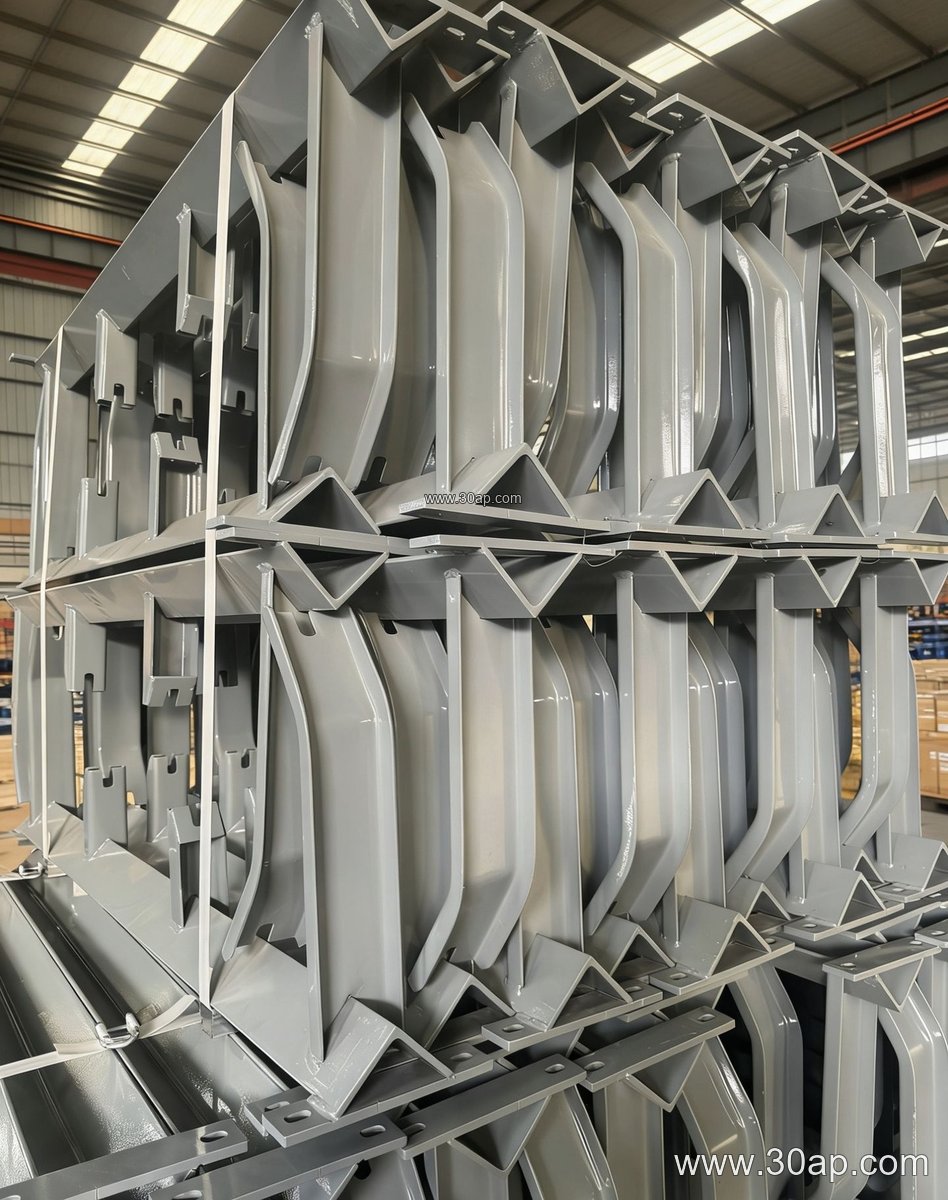
These brackets are found in bulk material handling systems across many industries. In a limestone quarry, they support idlers on a long overland conveyor. In a coal washing plant, flame retardant conveyor belts run on brackets designed for dusty, wet conditions. Cement plants use guide idler brackets on clinker and raw material conveyors. Power plant coal handling systems rely on them for reliable belt support. Other applications include steel mills, port loading facilities, and sand and gravel operations.
Selection and Maintenance Tips
When choosing a guide idler bracket, consider belt width, idler diameter, trough angle, and load. Brackets should match the conveyor frame and idler mounting dimensions. For heavy-duty mining conveyor belts, specify reinforced brackets with adequate safety margins. Regular inspection of brackets for loose bolts, cracks, or corrosion helps prevent belt misalignment. Replacing worn brackets promptly maintains proper idler contact and extends conveyor belt life. Keep spare brackets on hand for critical conveyors to minimize downtime.
Related Conveyor Components
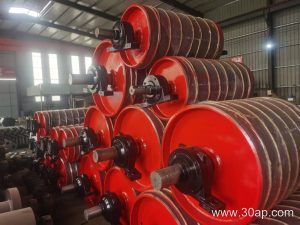
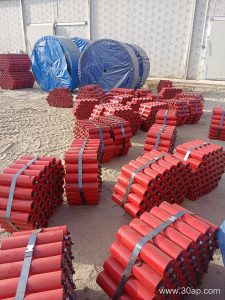
A guide idler bracket does not work alone. It interacts with the conveyor belt, idler roller, and conveyor pulley. In a complete system, the bracket ensures idlers stay in place, which in turn supports the belt and maintains tension. For high-abrasion applications, abrasion resistant conveyor belts pair well with sturdy brackets. In underground coal mining, flame retardant conveyor belts and robust brackets are essential for safety. Whatever the industry, selecting the right bracket for the belt width and idler size is key to efficient operation.