What a Three-Roll Idler Bracket Does
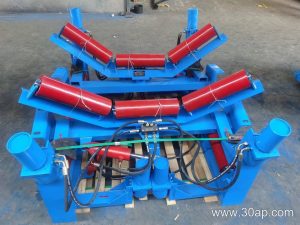
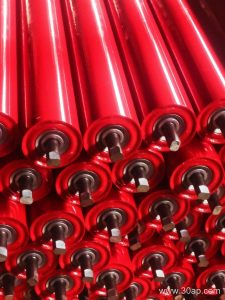
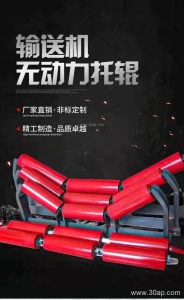
The three-roll idler bracket is the steel support that holds a set of three idler rollers in a trough shape beneath the conveyor belt. Two inclined side rolls lift the belt edges while a center roll supports the middle, forming the trough that keeps bulk material centered on the belt. In a quarry, a coal preparation plant, or a cement plant, this bracket is one of the most frequently replaced frame components because it carries the load and sets the belt profile at every idler station.
Buyers often call it a troughing idler bracket or a troughing frame. The three-roll troughing bracket is the accurate equivalent name for the same product. It should not be confused with other bracket families such as return brackets, impact brackets, or self-aligning brackets, which serve different positions along the conveyor.
How the Bracket Is Built
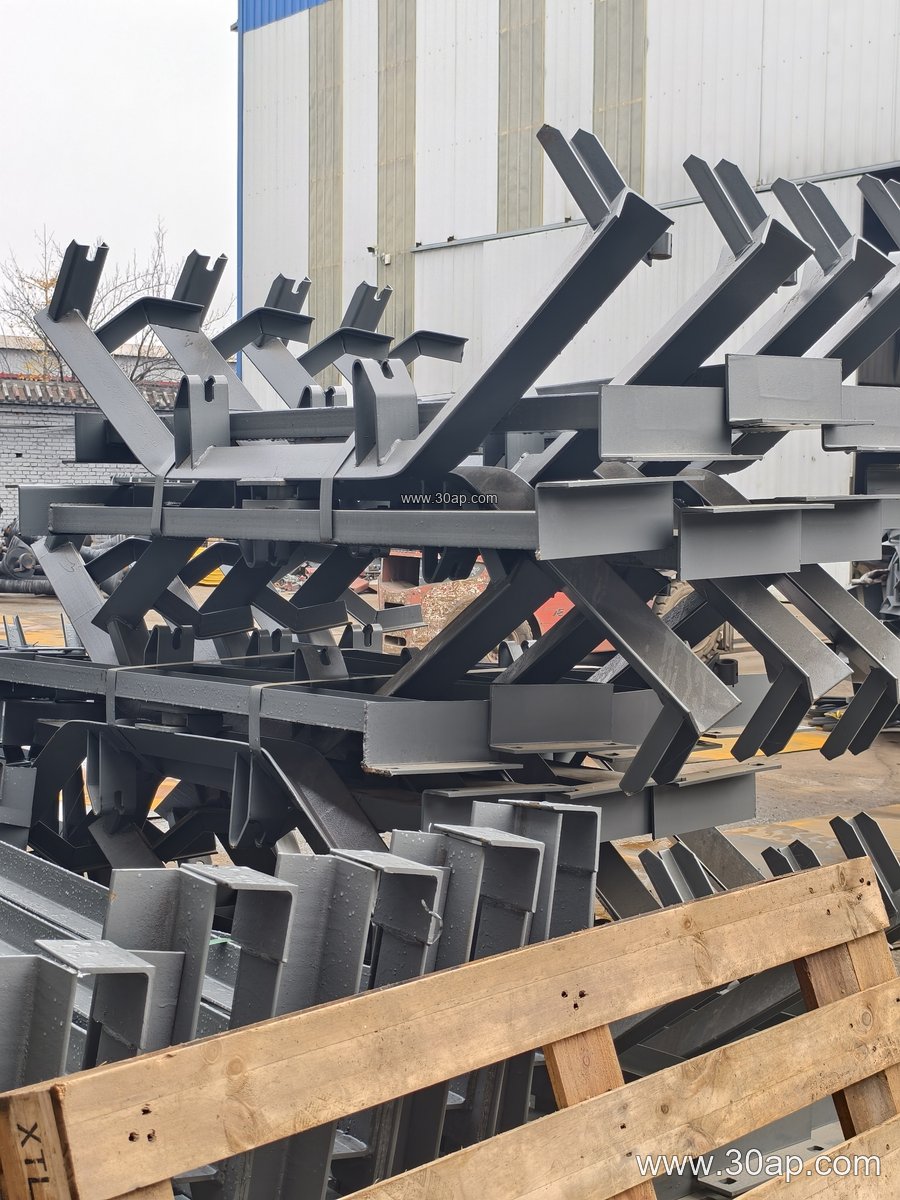
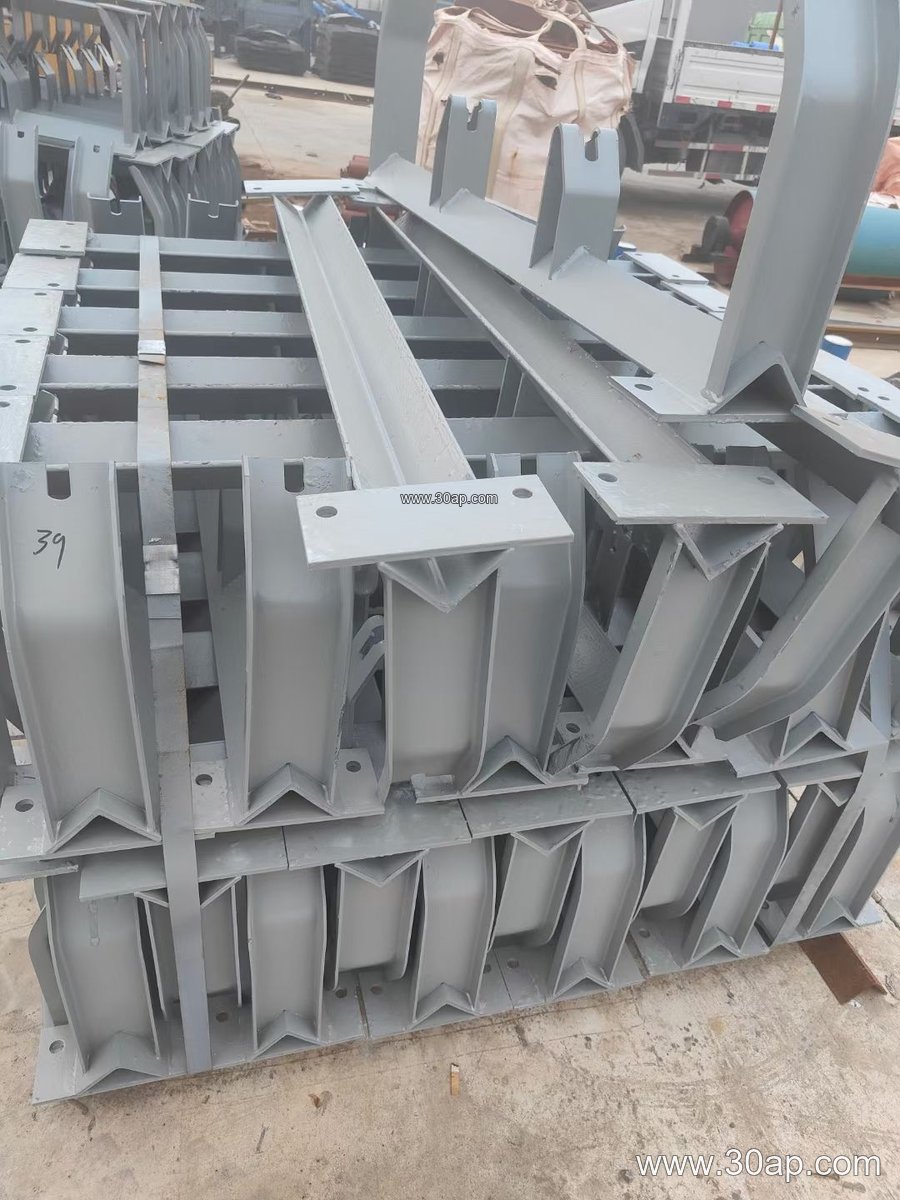
Most three-roll idler brackets are fabricated from angle steel, channel steel, or formed steel plate. The two inclined arms are welded to a crossbeam at a fixed trough angle, and each arm carries a slot or mounting hole that accepts the idler shaft. A center support holds the middle roller, and the whole assembly is bolted to the conveyor stringer.
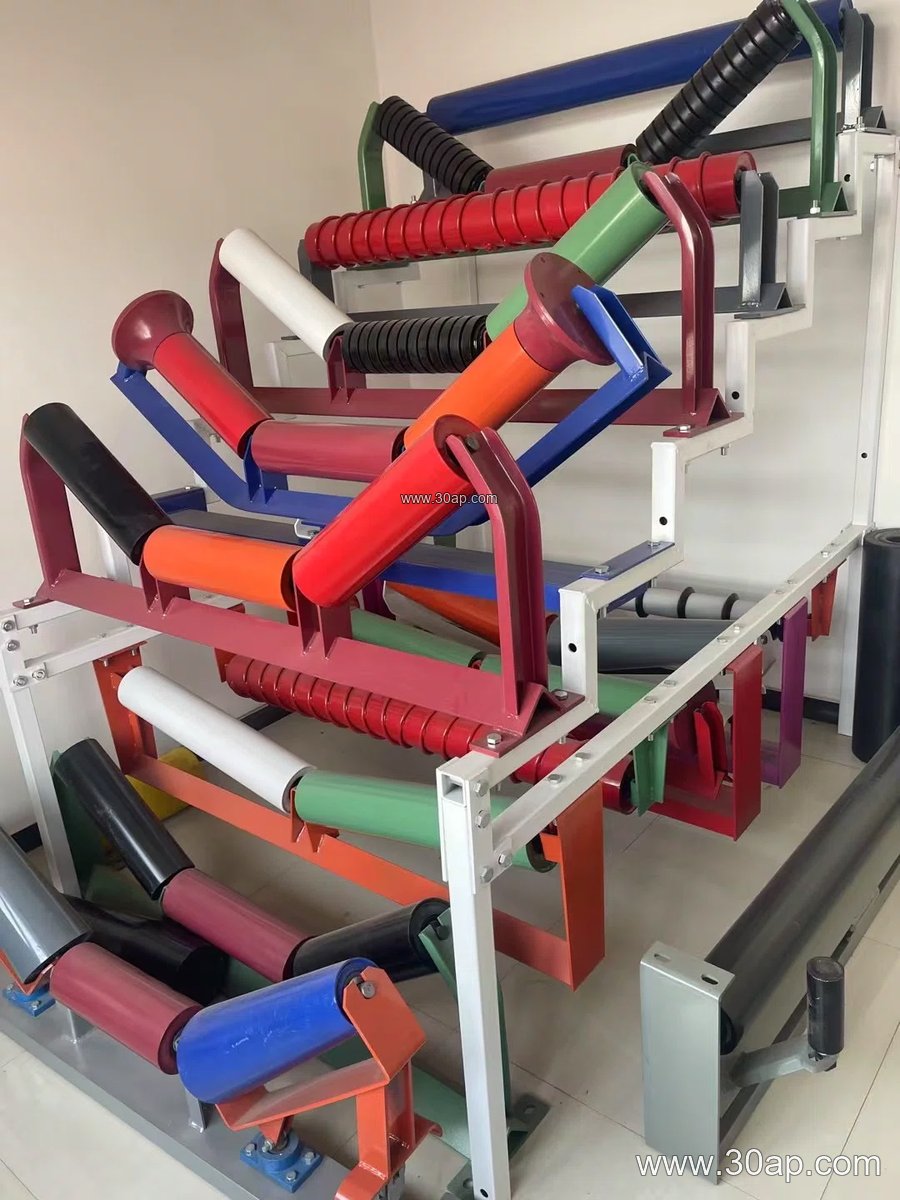
Construction details matter more than appearance. Weld quality, hole alignment, and the flatness of the mounting face all affect how evenly the three idler rollers share the load. A bracket with poorly aligned holes can force the belt to run off-center or wear one roll faster than the others. Hot-dip galvanizing or a protective coating is common in wet or dusty plants, though the exact finish should be confirmed with the supplier.
Where It Fits on the Conveyor
The three-roll idler bracket belongs to the carrying side of the conveyor. It is installed on the load-bearing strand, between the tail area and the discharge point, and works together with the conveyor belt and the idler rollers to keep material from spilling. On a long overland line at a port or a power plant coal yard, hundreds of these brackets may be spaced along the stringers.
It is not a substitute for a conveyor pulley. Drive pulleys, tail pulleys, and bend pulleys transmit or redirect belt tension at the ends and corners of the conveyor, while the three-roll bracket only supports the belt between them. Return brackets and V-return brackets handle the empty strand underneath, so the troughing bracket should be specified separately from those parts.
Trough Angle and Size Coordination
Trough angle is the first decision. A 20 degree bracket suits light material and gentle loading, 30 degree and 35 degree frames are common for general bulk handling, and 45 degree brackets are used where a deeper trough is needed to hold a full load. Adjustable brackets allow the angle to be changed within a range, which helps when the same conveyor handles different materials.
Belt width, roll diameter, and bracket length must be coordinated rather than copied from a single example. The table below shows typical reference combinations, not fixed rules.
| Belt Width | Common Trough Angle | Typical Roll Diameter | Typical Use |
|---|---|---|---|
| B500 | 20-30 degrees | Ø89 | Small aggregate lines, auxiliary conveyors |
| B650 | 30 degrees | Ø89-Ø108 | Sand and gravel plants, mixing stations |
| B800 | 30-35 degrees | Ø108 | Cement plants, general bulk handling |
| B1000 | 35 degrees | Ø108-Ø133 | Coal yards, power plant fuel lines |
| B1200 | 35-45 degrees | Ø133 | Iron ore, heavy mineral duty |
| B1400 | 35-45 degrees | Ø133-Ø159 | Port loading, large stone crushing |
| B1600 | 35-45 degrees | Ø159 | High-capacity mine conveyors |
| B1800-B2000 | 35-45 degrees | Ø159-Ø194 | Heavy overland and bulk terminal lines |
Installation hole spacing and crossbeam length change with belt width and trough angle, so the bracket drawing should always be matched to the conveyor design rather than assumed.
Matching the Bracket to the Belt
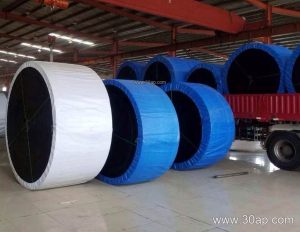
The bracket is only one part of the load path. A heavy abrasion resistant conveyor belt running over ore or crushed rock needs rolls and frames that can take impact and grit, while a heat resistant conveyor belt in a sinter or cement kiln area may require brackets kept clear of hot material. On a flame retardant conveyor belt used in an underground coal mining conveyor, bracket materials and coatings should also suit the mine environment.
Where the belt is a steel cord conveyor belt or a high strength fabric core belt such as an EP conveyor belt or NN conveyor belt, the bracket spacing and roll diameter are usually set by the belt tension and load, not by the bracket alone. The same applies to a pipe conveyor belt or a corrugated sidewall belt, which may use different support arrangements entirely.
Buyer Checklist
- Confirm belt width, trough angle, and roll diameter as a set.
- Ask for mounting hole spacing and crossbeam length on the drawing.
- State whether a fixed or adjustable bracket is needed.
- Specify the material and surface finish for the site conditions.
- Check that the bracket is ordered for the carrying side, separate from return and impact brackets.
For more on conveyor components, visit conveyor idler bracket and troughing idler. A well-chosen three-roll idler bracket keeps the belt profile stable, reduces spillage, and extends the service life of the idler rollers it supports.