What a 500mm Diameter Conveyor Pulley Is
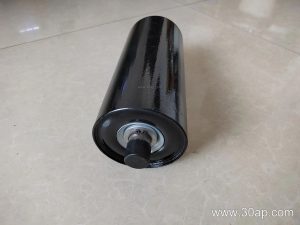
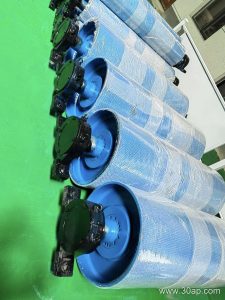
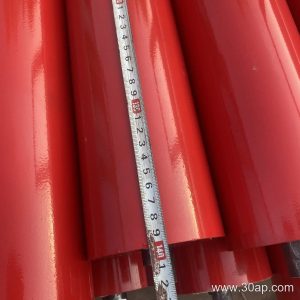
A 500mm diameter conveyor pulley is a drum-shaped rotating component used to drive, tension, or redirect a conveyor belt. The 500mm dimension refers to the nominal outside diameter of the pulley shell. In the metric sizing system, this is often written as Ø500. This diameter is common in medium-capacity belt conveyors found in industries such as quarrying, cement plants, and coal preparation. It is not a one-size-fits-all part; it is one option among many diameters, and its suitability depends on belt width, tension, and the pulley’s position in the conveyor.
While the term “conveyor pulley” covers all drum types, a 500mm diameter unit may serve as a drive pulley at the head end, a tail pulley at the loading point, or a bend pulley that changes belt direction. Each position has different design priorities, but the 500mm diameter itself offers a balance between wrap angle and space requirements.
Construction and Surface Options
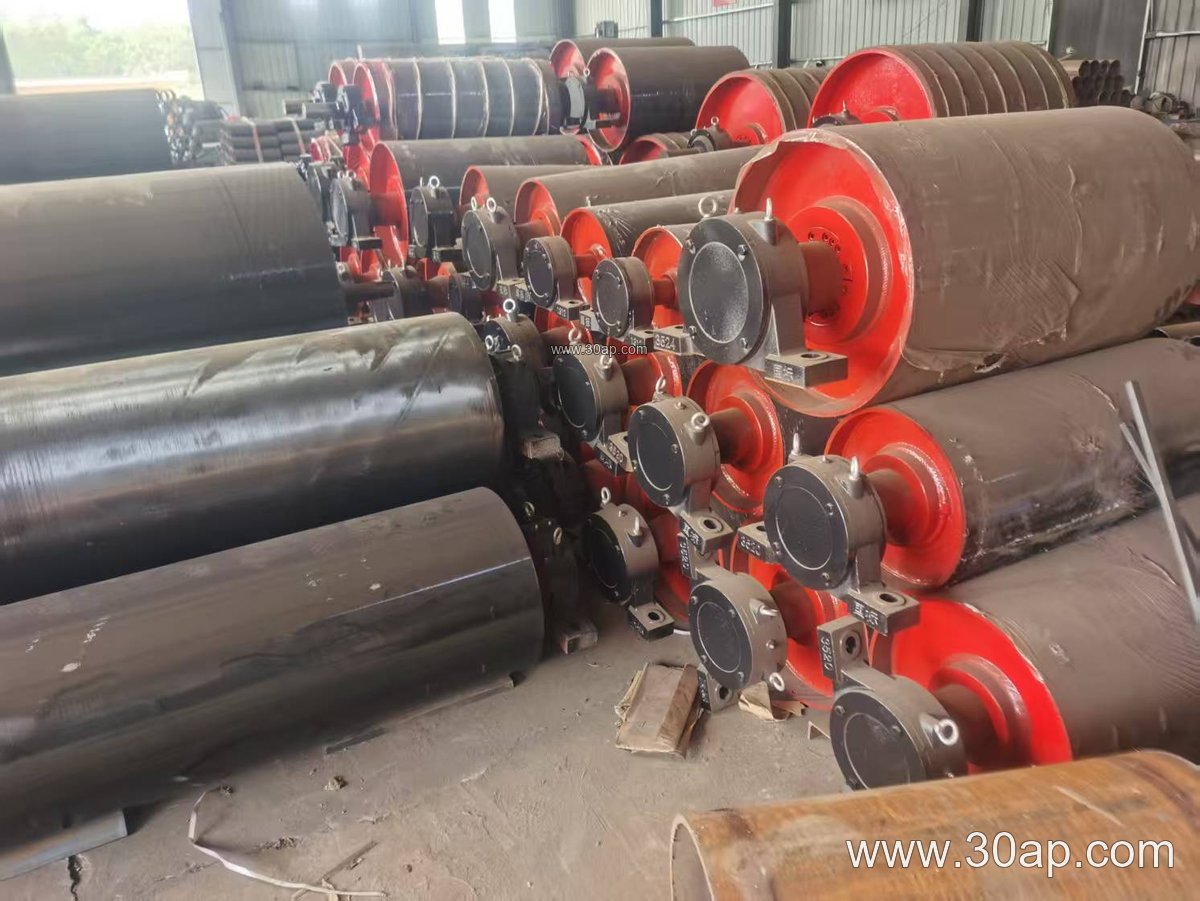
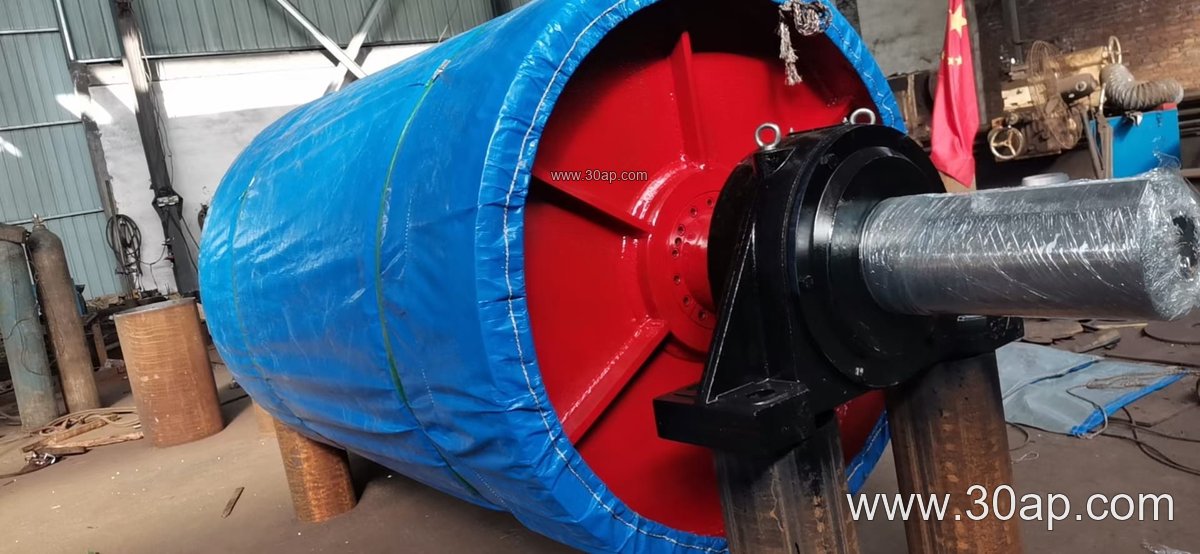
The pulley body is typically fabricated from steel plate or seamless tube, with end discs welded to the shell. Shafts are sized by torque and load, not by belt width alone. Common shaft diameters for this size range include Ø100, Ø120, Ø140, and Ø160, but final selection depends on the calculated radial and axial loads. The shell face width is usually wider than the belt to allow for tracking. For example, a 500mm diameter pulley might be paired with a B800 belt (face width around 950mm) or a B1000 belt (face width around 1150mm), but these are reference combinations, not fixed rules.
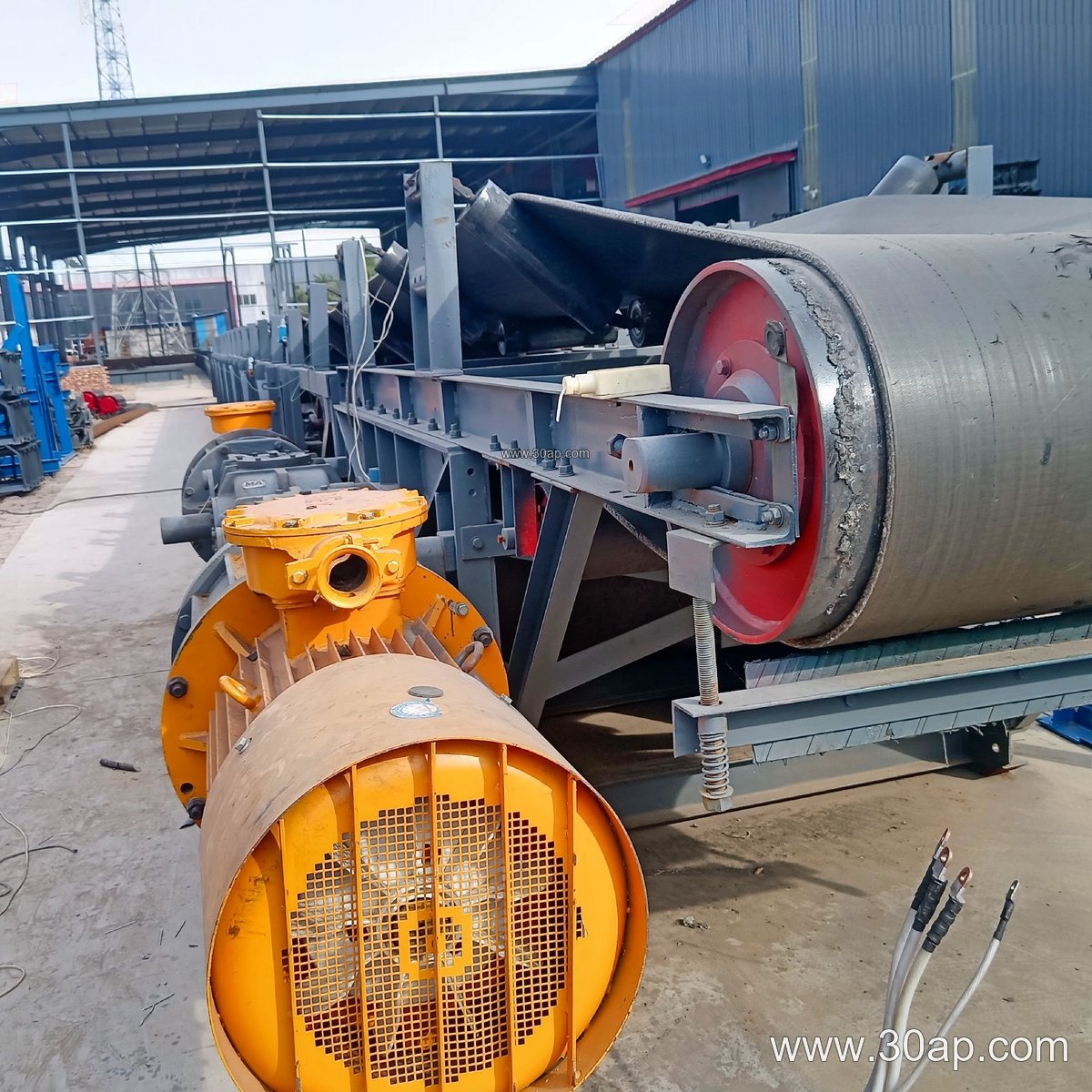
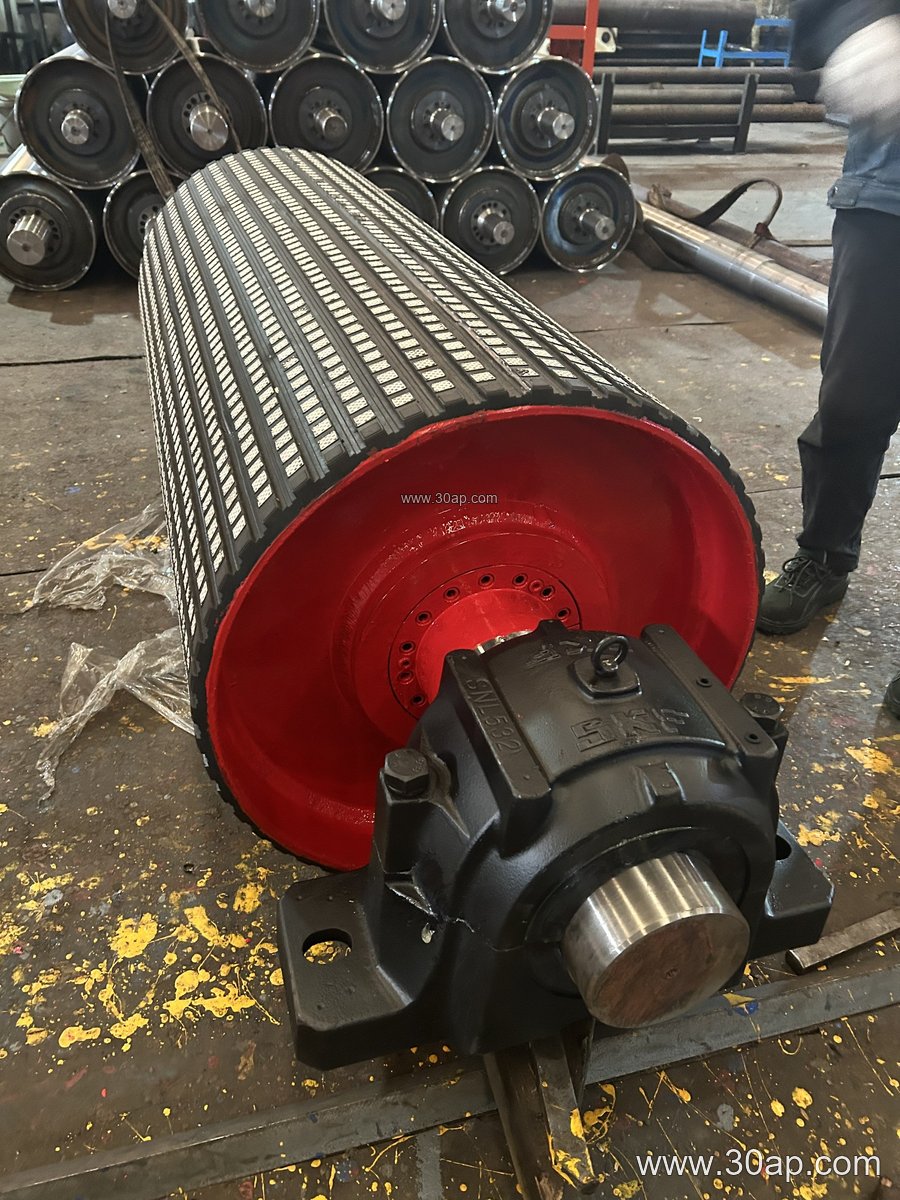
Surface options help match the pulley to the application. Plain steel is used where grip is not critical. Rubber lagging—applied by cold bonding or hot vulcanizing—improves friction and protects the belt. Diamond or herringbone patterns aid water drainage and tracking. Ceramic lagging offers high wear resistance in abrasive conditions. Lagging thickness commonly ranges from 8mm to 20mm, with 10mm and 12mm being frequent choices for general duty.
- Drive pulley (head pulley): Often lagged to transmit torque without slipping.
- Tail pulley: May be plain or lagged, with a self-cleaning design in dirty environments.
- Bend pulley: Used to increase wrap angle or route the belt; usually plain or lightly lagged.
These subtypes are not interchangeable. A drive pulley must handle higher torque, while a bend pulley mainly guides the belt. Specifying “500mm diameter” alone is not enough; the pulley’s role must be clear.
Where a 500mm Diameter Pulley Fits
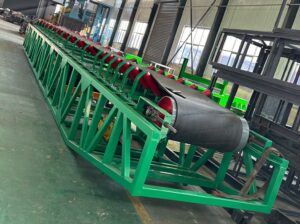
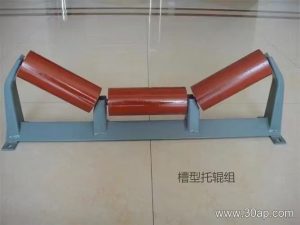
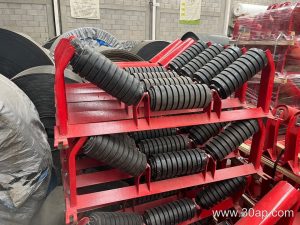
This diameter appears in several material handling settings. In a limestone quarry, a 500mm pulley might serve as a bend pulley on a secondary conveyor, helping route the belt around a transfer point. In a cement plant’s clinker handling line, a lagged 500mm drive pulley could be used on a medium-width belt conveyor. Coal preparation plants often use this size for tail pulleys where space is limited. The pulley works with the conveyor belt, idler rollers, and conveyor brackets to form a complete system. The brackets support the pulley shaft and must be aligned with the conveyor frame.
Key Parameters for Buyers
When specifying a 500mm diameter conveyor pulley, several parameters should be confirmed. The table below lists common reference values, but final values are determined by design calculations.
| Parameter | Common Reference Range | Notes |
|---|---|---|
| Outside diameter | Ø500 mm | Nominal shell diameter |
| Belt width compatibility | B650 to B1200 | Face width usually exceeds belt width |
| Face width examples | 750 mm (for B650), 950 mm (for B800), 1150 mm (for B1000), 1400 mm (for B1200) | Reference only; confirm with design |
| Shaft diameter | Ø100, Ø120, Ø140, Ø160 | Sized by torque and load, not belt width alone |
| Lagging thickness | 8, 10, 12, 15, 20 mm | Thicker for high-wear applications |
| Surface type | Plain, rubber lagged, diamond, herringbone, ceramic | Match to grip and wear needs |
Buyers should also consider the pulley’s position (drive, tail, or bend), the required shaft material, bearing type, and whether a lagging pattern is needed for tracking. A 500mm diameter pulley is not mandatory for every conveyor; it is one size in a range that includes Ø400, Ø630, and others. The correct choice comes from the conveyor’s tension, speed, and space constraints.
Maintenance and Selection Tips
Regular inspection of lagging wear and shaft alignment helps prevent belt mistracking. In dusty environments such as a sand and gravel plant, self-cleaning pulleys reduce material buildup. When replacing a pulley, verify the shaft diameter and keyway match the existing conveyor brackets. Do not assume that a given belt width requires a specific pulley diameter; always refer to the conveyor design data.
For a 500mm diameter conveyor pulley, the goal is reliable torque transmission and belt guidance within the system. By understanding the pulley’s role and the available surface options, buyers can select a component that fits the conveyor’s duty without over- or under-specifying.