A conveyor bracket datasheet is a set of specification fields with units, not a single rating. Misreading any field can lead to a wrong fit at a bulk-material port terminal.
Start with the load and geometry fields
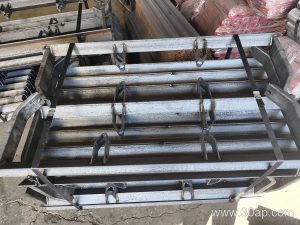
Look for the stated load unit, such as kN or lbf, and note whether it is a working load or a proof load. Then check hole diameter and slot length in mm or inches. A bracket may list a maximum load but still fail if the mounting hole pattern does not match the stringer.
How to compare two brackets
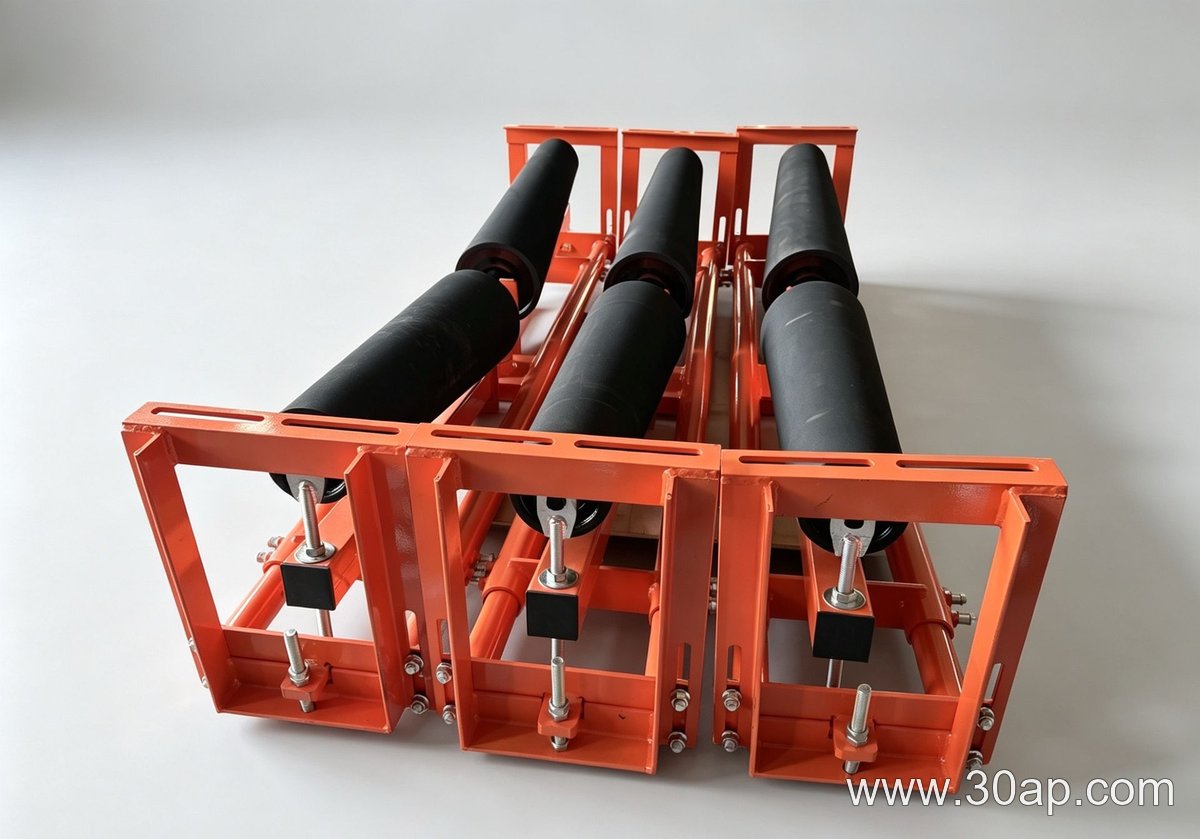
Compare like units only. A bracket rated at 10 kN in one datasheet is not directly comparable to one rated at 2,250 lbf in another without conversion. Also note the material grade, such as Q235 or galvanized steel, and the finish, because corrosion resistance affects service life but not the load rating itself.
What the adjustment range tells you
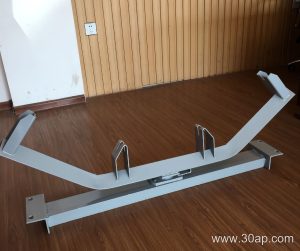
An idler bracket with a slotted hole offers lateral adjustment. Read the slot length as the total travel, not the bolt size. Too little travel may not correct belt wander; too much can reduce clamping force if the bolt is not retightened correctly.
What Should a Conveyor Belt Inspection Cover?
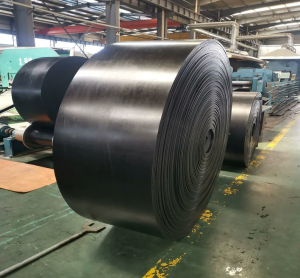
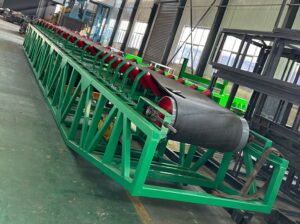
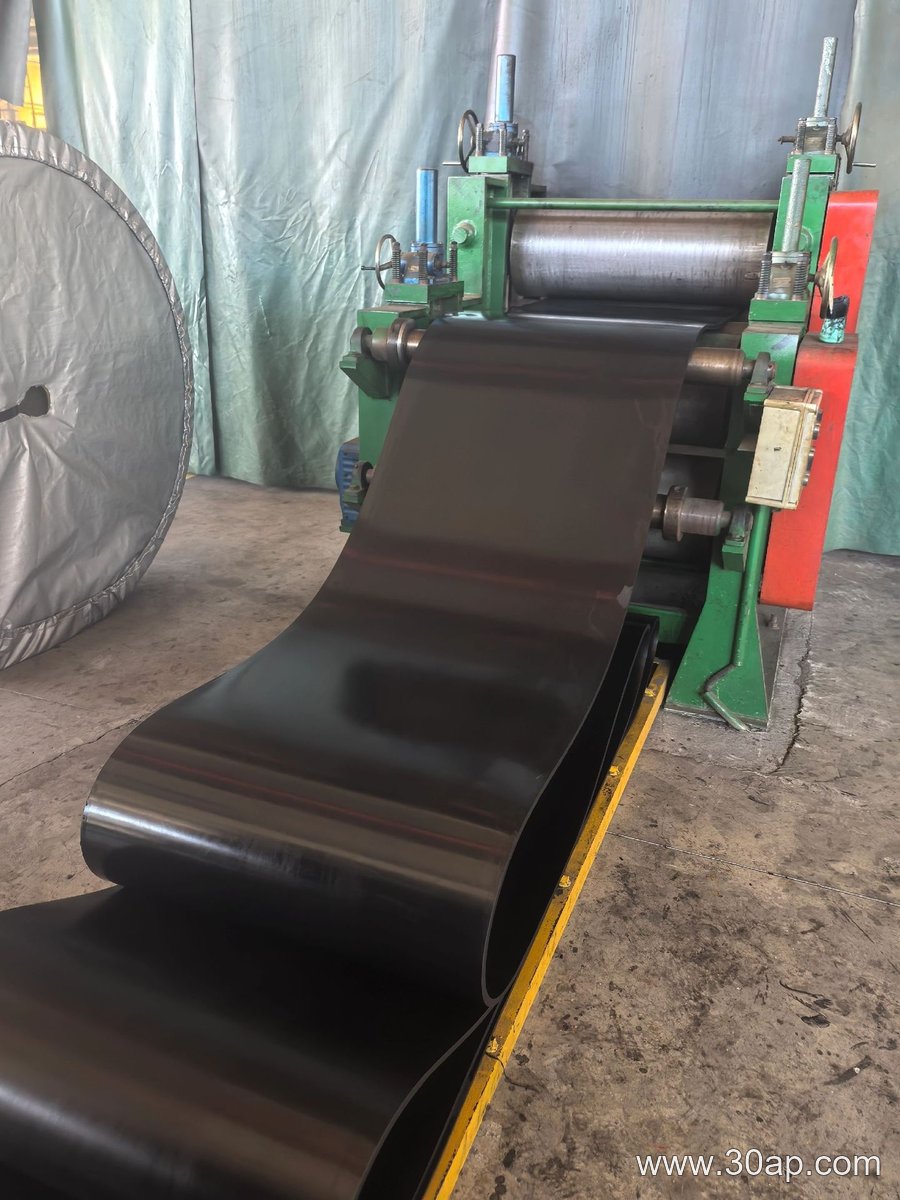
A practical question is what to check each shift. The answer is a short route: watch the conveyor belt tracking, listen for idler noise, and feel for heat at the drive pulley.
Preventive Checks
- Look for edge fraying and cover gouges.
- Check splice wear and bolt tightness.
- Remove clinker buildup from return rollers.
When Replacement Is Needed
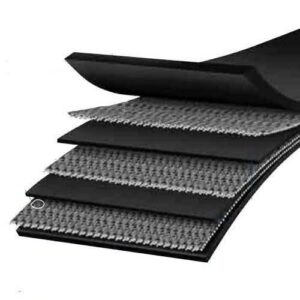
Order a new conveyor belt when cords show, patches lift, or the cover wears thin over the carcass. In a cement plant, hot clinker and dust accelerate this wear.
Why material choice decides idler roller survival
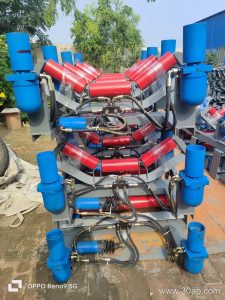
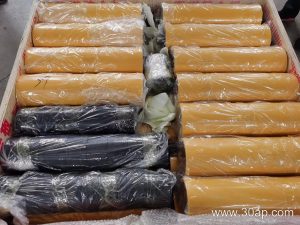
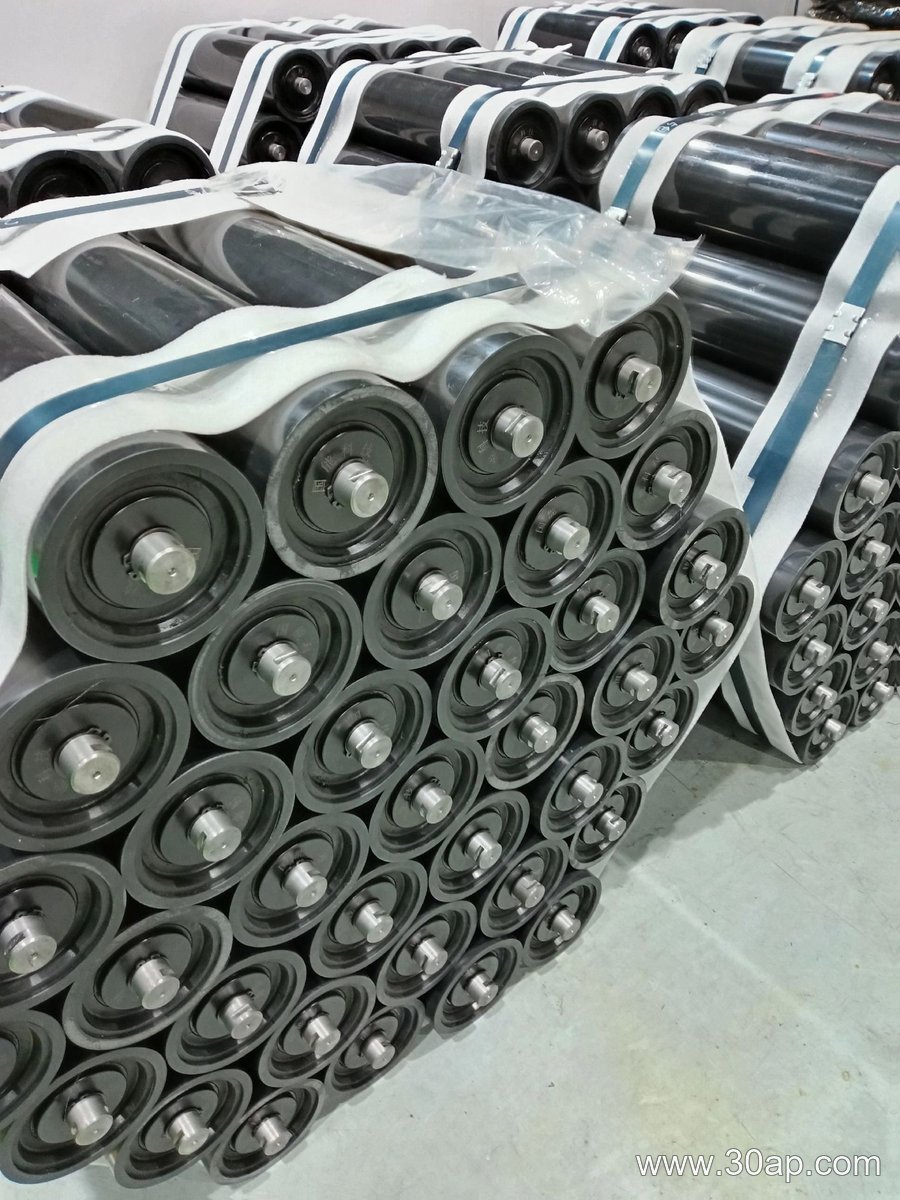
In a mineral processing plant, an idler roller faces abrasive slurry, moisture, and impact. The shell material must resist wear without cracking. Polymer rollers resist corrosion but may wear faster under sharp ore. Steel rollers handle impact but corrode in wet conditions. Stainless steel resists corrosion but costs more and can gall. The trade-off is between abrasion resistance, corrosion resistance, and cost. Choose based on the dominant wear mechanism.
Common idler roller materials and their limits
- Carbon steel: good strength, poor corrosion resistance; needs coating.
- Stainless steel: excellent corrosion resistance, moderate abrasion resistance, higher cost.
- UHMW polyethylene: excellent abrasion resistance, low friction, but limited temperature range.
- Rubber-covered steel: absorbs impact, reduces noise, but can delaminate.
Match the idler roller material to the slurry chemistry and particle shape. For a hypothetical abrasive slurry with pH 4 and sharp particles, a rubber-covered steel idler roller may last longer than plain steel, but polymer could fail by gouging. Always test or consult material data.
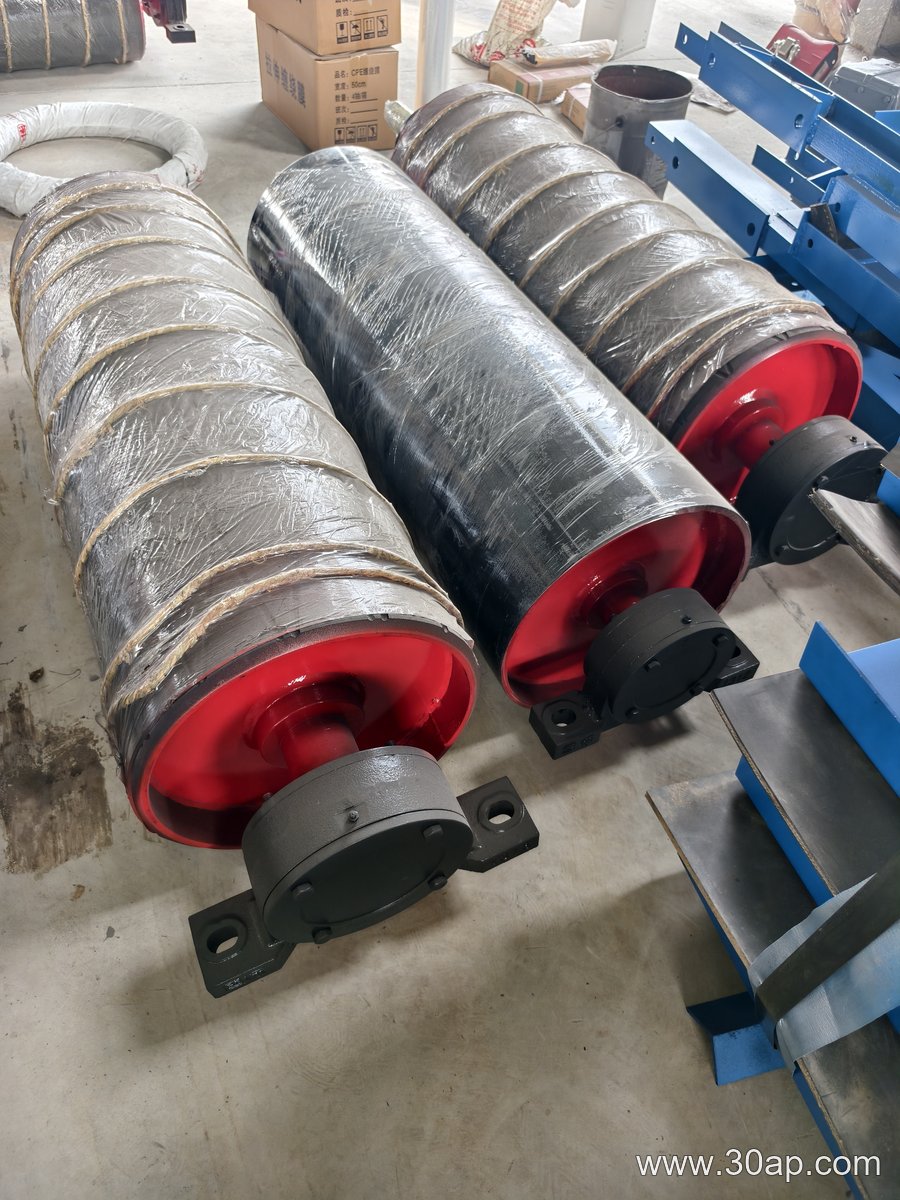
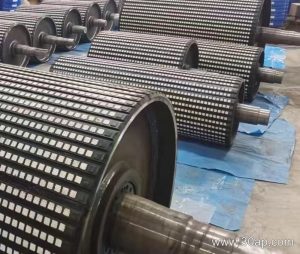
What Maintenance Checks Keep a Conveyor Pulley Reliable in a Cement Plant Clinker Handling Line
A common misconception is that a conveyor pulley needs attention only when the belt slips. In a cement plant clinker line, abrasive dust and heat cause gradual wear that is easier to catch early. The pulley transfers torque through the shell, lagging and shaft, so inspection should focus on these load paths. Check lagging for glazing, cracks or missing sections. Listen for unusual bearing noise and feel for temperature rise during planned stops. Verify that the pulley runs true and that the belt tracks without constant adjustment. Preventive maintenance includes cleaning dust from the pulley face, checking fastener torque and confirming that the shaft does not show fretting. Signs that replacement is needed include deep grooves in the shell, persistent belt mistracking that cannot be corrected by training idlers, or a bearing that runs hot after greasing. In a cement plant, these checks are best done during scheduled shutdowns rather than waiting for a breakdown.