What a Polyurethane Idler Is
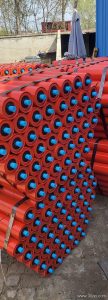
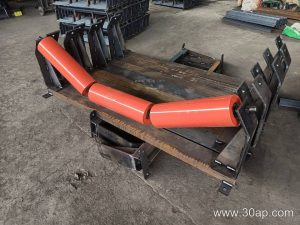
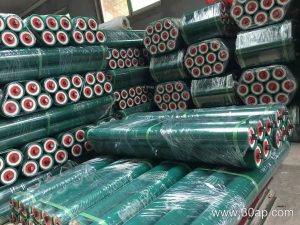
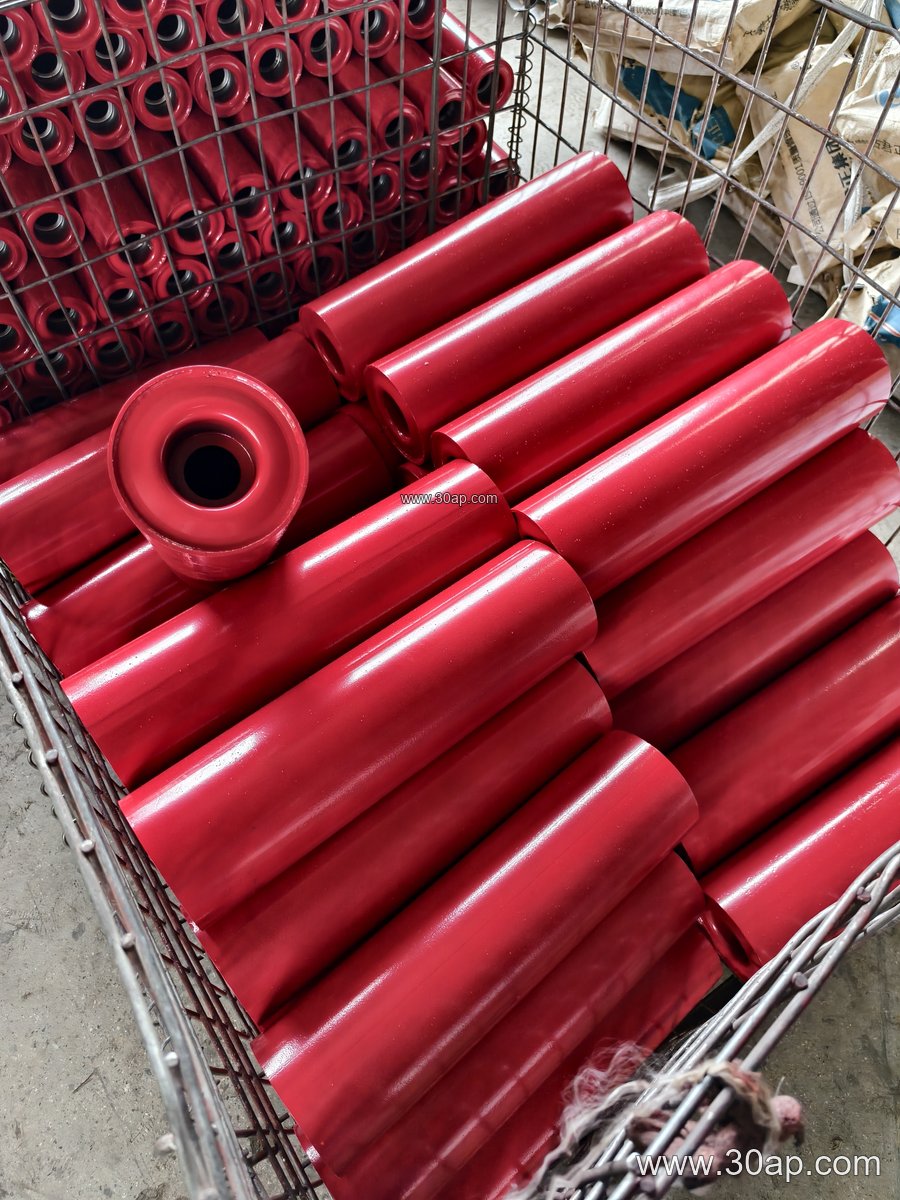
A polyurethane idler is a conveyor idler roller whose outer surface is formed from polyurethane rather than plain steel, nylon, or rubber. In many plants the same item is simply called a PU idler or polyurethane conveyor roller. It sits under the belt, supports the loaded strand or the return strand, and lets the belt run with low rolling resistance. The polyurethane layer is the defining feature: it protects the belt, reduces noise, and can offer better grip or wear behavior than a bare steel shell in wet or sticky conditions.
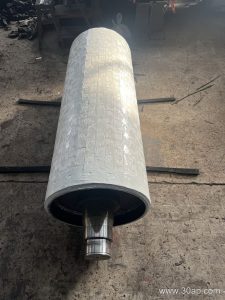
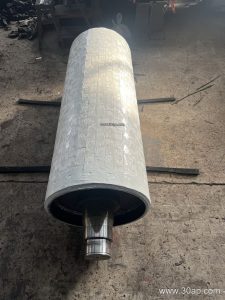
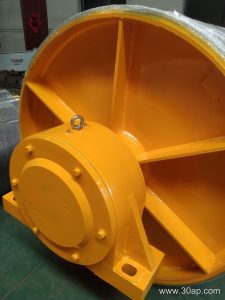
The idler is not the same thing as a conveyor pulley. A drive pulley, tail pulley, and bend pulley each do a different job at the ends or corners of the conveyor, while the idler is a rotating support along the carrying or return run. They work together, but they are not interchangeable parts.
How the Roller Is Built
A typical polyurethane idler uses a steel tube as the structural shell, with bearing housings at each end and a shaft through the center. The polyurethane is bonded or coated onto the shell, or formed as a sleeve, depending on the design. Seals keep dust and water away from the bearings, which is important in dusty industries such as coal mining, cement plants, and aggregate yards.
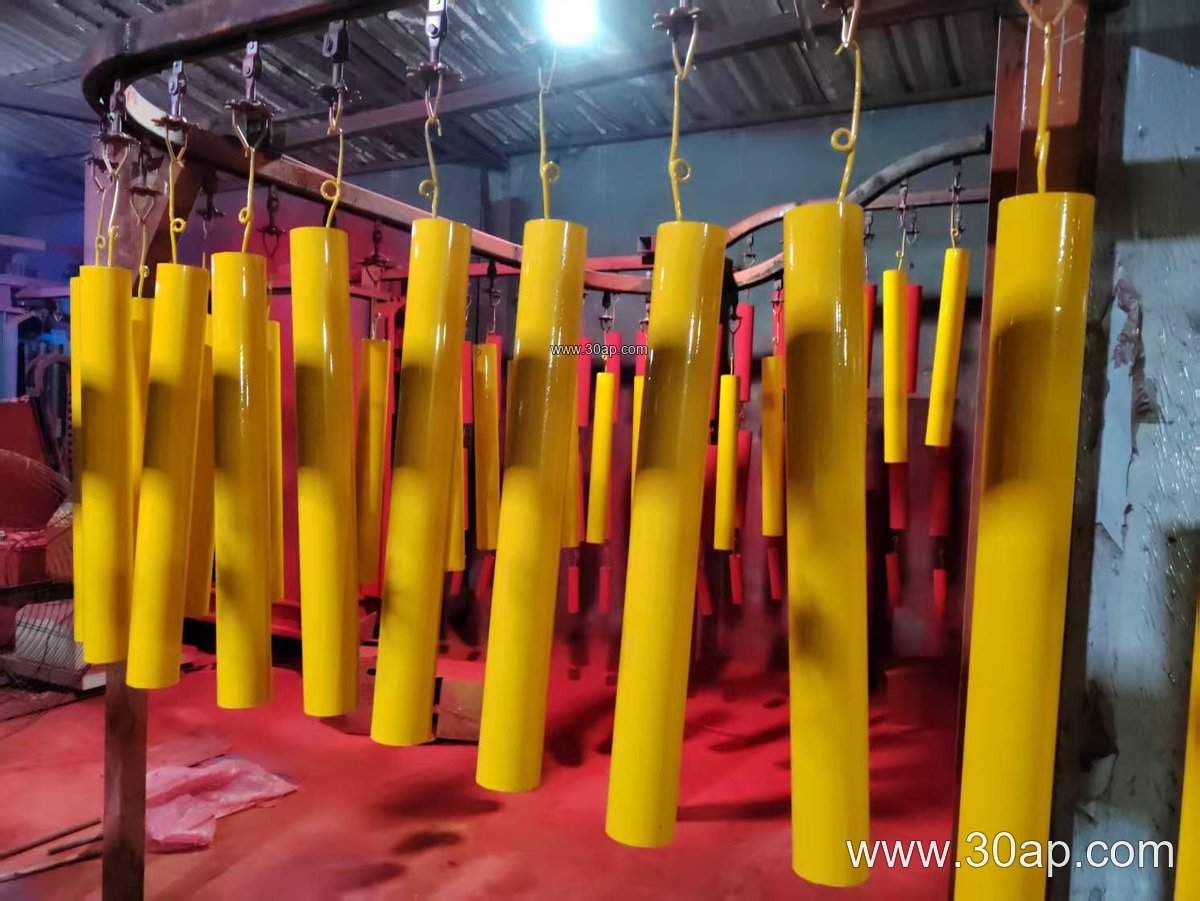
Common bearing sizes include 6204, 6205, 6305, 6306, 6308, and 6310. The bearing is selected by load, speed, and service life rather than by one fixed roller diameter. Roller diameters in common use range from about Ø63 mm up to Ø219 mm, and belt widths from B400 to B2400 are regularly handled. The roller length depends on belt width, trough angle, and whether the idler set is single-roll, two-roll, or three-roll troughing.
Where It Fits on the Conveyor
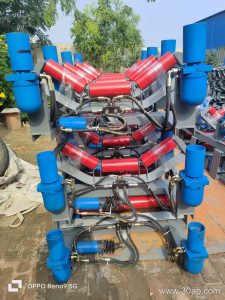
Polyurethane idlers can be used in troughing positions, in transition sections, and on the return side. In a three-roll troughing set, common roller lengths are roughly 200 mm for B500, 250 mm for B650, 315 mm for B800, 380 mm for B1000, 465 mm for B1200, 530 mm for B1400, 600 mm for B1600, 670 mm for B1800, and 750 mm for B2000. These are common examples only; side rollers and center rollers may differ, and the final length is set by design.
Trough angles of 20, 30, 35, and 45 degrees are used to shape the belt and hold bulk material. Forward tilt of about 1.5 to 2 degrees appears on some training idlers to help keep the belt centered. A polyurethane idler is often chosen where sticky material builds up on steel, or where a softer contact surface is wanted to protect a fabric-core belt such as an EP conveyor belt or NN conveyor belt.
Applications Across Bulk Handling
In a limestone quarry or sand and gravel line, polyurethane idlers help keep fines from clinging to the roller face. In a cement plant, they support clinker and raw meal belts where dust is constant. In a power plant coal yard, they work alongside a flame retardant conveyor belt and a heavy-duty conveyor pulley at the head end. Underground coal mining conveyors and iron ore handling lines also use them where wet, abrasive conditions shorten the life of plain steel rollers.
They are not a substitute for a bend pulley or a tail pulley, and they do not replace a drive pulley. A conveyor bracket holds the idler frame in place, and the idler itself only supports and guides the belt. Matching the idler to the belt type, load, and environment matters more than choosing a single universal size.
Buyer Checklist
- Confirm belt width and trough angle before selecting roller length.
- Check the load per idler and the belt speed to choose the bearing size.
- Decide whether polyurethane is needed for stickiness, noise, or belt protection.
- Ask about seal design for dusty or wet service.
- Keep drive, tail, and bend pulleys as separate line items from idlers.
For related equipment, buyers often review the conveyor belt specification, the conveyor pulley schedule, and the idler roller layout together so that the whole conveyor matches.