What a Return Idler Does on a Conveyor
A belt conveyor return idler is the roller set that supports the empty, returning side of the belt on its way back to the tail end. While the carrying side does the work of moving material, the return side keeps tension, alignment and belt shape under control. In a quarry or a cement plant, a worn or seized return roller can quickly lead to edge damage, belt tracking problems and unplanned stops, so this component deserves the same attention as the loading zone.
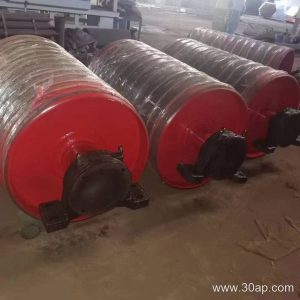
The return idler is not a drive pulley, tail pulley or bend pulley. Those are conveyor pulleys that transmit power or change belt direction. The return idler is a free-rolling support, usually mounted on a conveyor bracket below the belt line, and it rotates only because the belt drags across it.
How the Return Roller Is Built
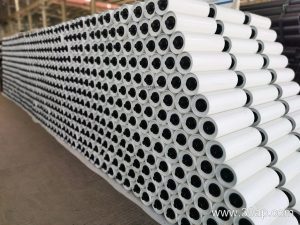
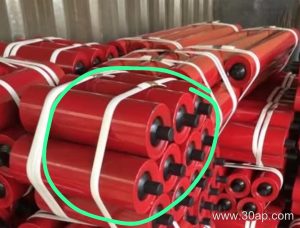
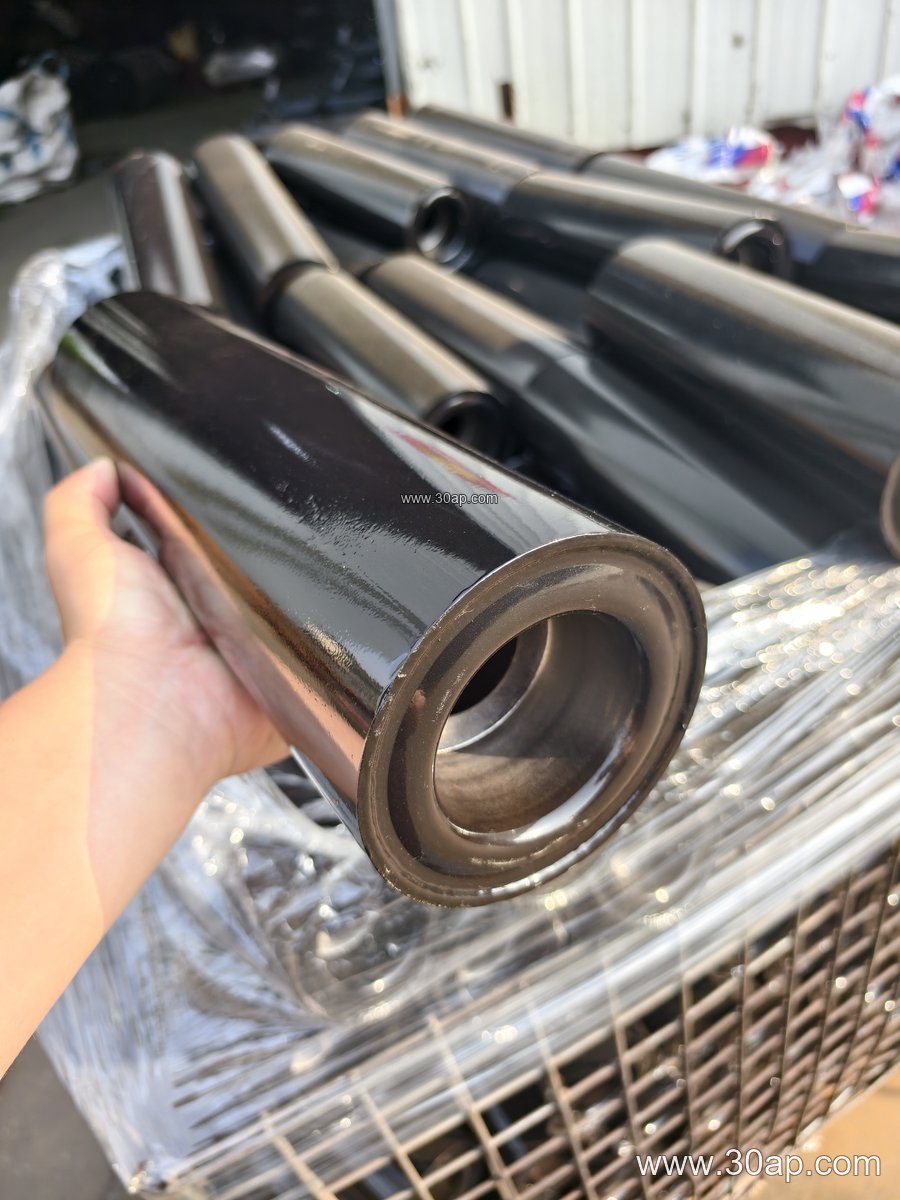
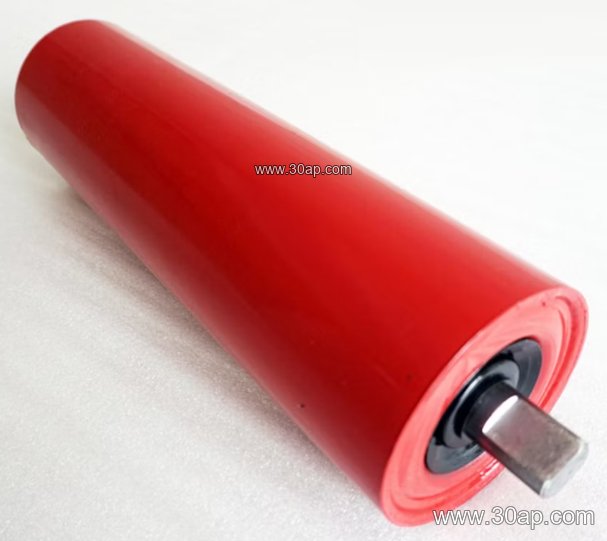
Most return idlers share a simple but sturdy construction. A steel tube forms the roller shell, and the shaft runs through sealed bearing housings at each end. Common roller diameters include Ø89, Ø108, Ø127, Ø133 and Ø159 mm, with larger sizes such as Ø178 and Ø194 mm used on heavy conveyors. Bearing numbers such as 6204, 6205, 6305, 6306 and 6308 appear across the range, but the bearing is chosen together with load, speed and shaft design rather than fixed to one diameter.
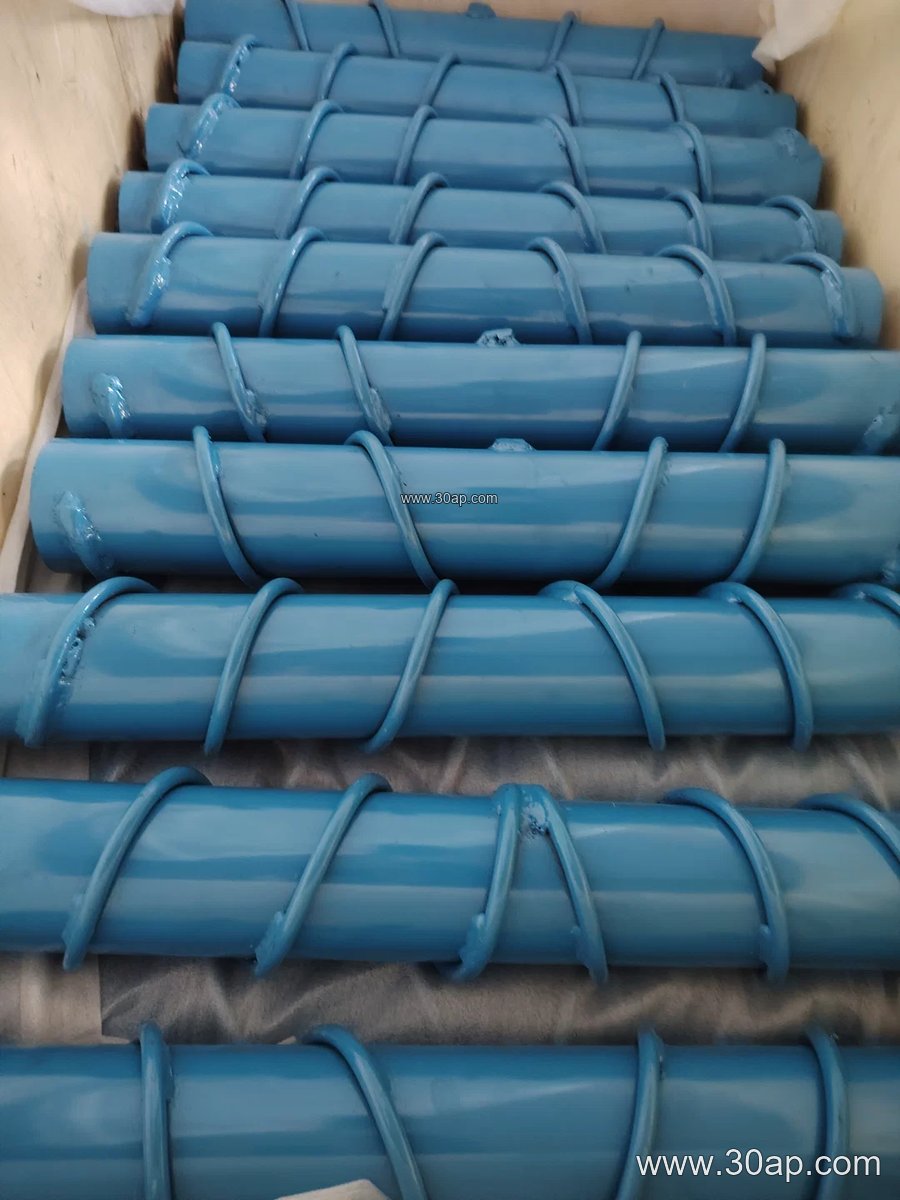
The roller face may be plain steel, nylon, ceramic or rubber-covered. Rubber rings are useful where sticky material builds up on the return side, and spiral or helical rollers help shed fines. Seals are the quiet hero of the design: in a coal mine or a dusty crushing circuit, good labyrinth sealing keeps grit away from the bearing and extends service life.
Common Return Idler Configurations
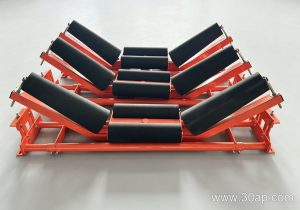
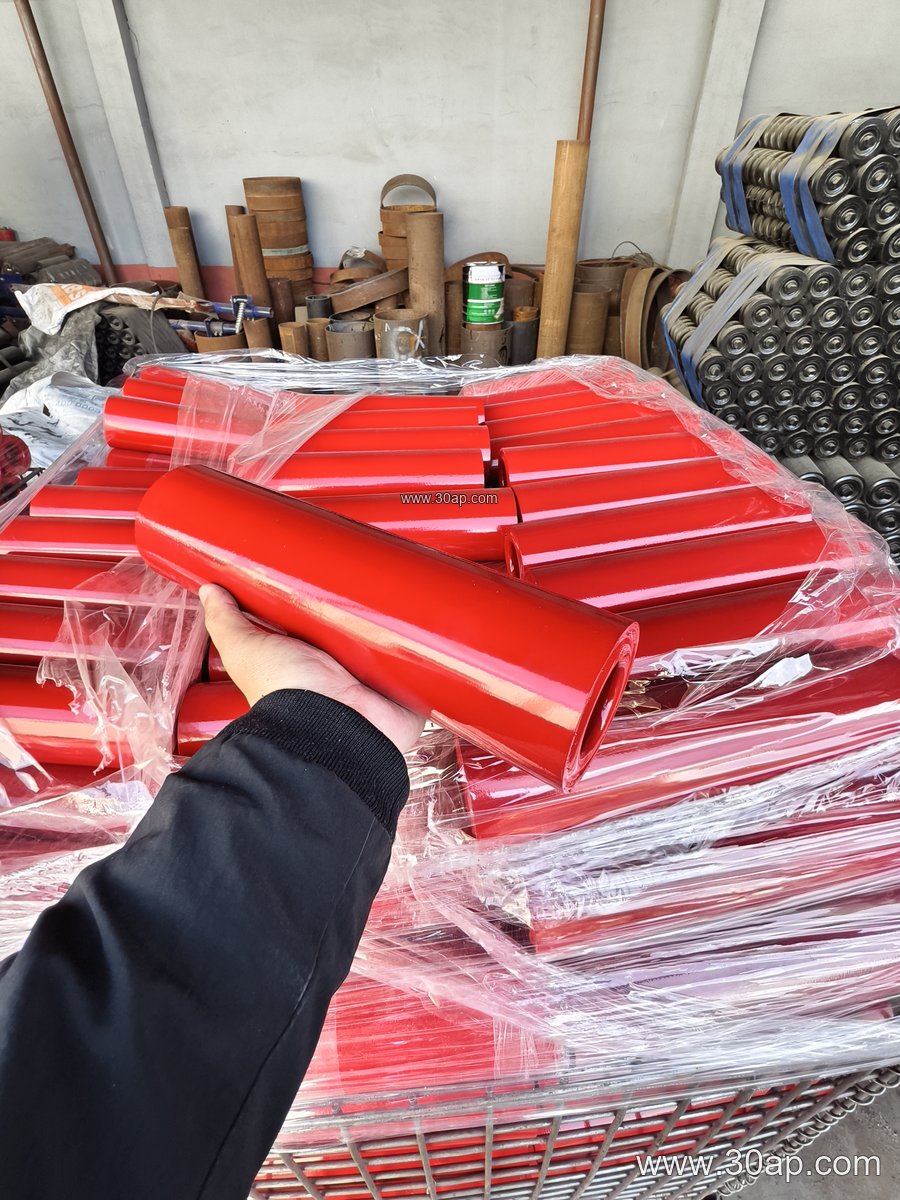
Return idlers are usually arranged as a single flat roller or as a V-shaped pair. The V return idler helps centre the belt and reduce mistracking on long flights. On wider belts, two-roller and three-roller return sets may be used to support the belt more evenly.
- Flat single return roller: simple, economical, common on moderate belt widths.
- V-shaped return idler: good self-centring behaviour for long overland or inclined conveyors.
- Rubber-disc return roller: helps with carryback and sticky bulk materials.
- Spiral return roller: reduces material build-up in dusty or wet conditions.
For comparison, a troughing idler on the carrying side uses two or three rolls set at a trough angle such as 20, 30, 35 or 45 degrees. The return idler does not use that trough shape; its job is to support the flat or slightly V-shaped return strand.
Matching Roller Length to Belt Width
Roller length is not the same as belt width. It follows the belt width, the idler arrangement and the frame design. Typical examples for three-roll troughing sets are about 200 mm roll length for B500, 250 mm for B650, 315 mm for B800, 380 mm for B1000, 465 mm for B1200 and 530 mm for B1400. These are reference examples, not fixed rules, and return roll lengths are usually specified separately. A B1000 conveyor does not automatically use one particular pulley diameter or shaft size; the full conveyor design decides that.
| Reference item | Typical range |
|---|---|
| Roller diameter | Ø63 to Ø219 mm |
| Belt width | B400 to B2400 mm |
| Bearing numbers | 6204, 6205, 6305, 6306, 6308, 6310 |
| Roll surface | Steel, nylon, ceramic, rubber rings |
| Return arrangement | Single flat, V-shaped pair, multi-roll |
Where the conveyor carries a heavy-duty mining conveyor belt or a steel cord conveyor belt, the return idler should be sized for the belt mass and the load it imposes. A thick, wide belt needs more support than a light fabric-core belt, and the return spacing is set by the conveyor designer.
Where Return Idlers Are Used
These rollers appear wherever a conveyor runs continuously. In a sand and gravel line they support the return strand after the head pulley. In a power plant coal handling system, flame retardant conveyor belts run over return idlers that must tolerate dust and occasional spillage. In a cement plant, heat resistant conveyor belts may carry clinker while the return side stays relatively cool, but the idler still needs reliable sealing.
They are equally at home in an iron ore or copper ore operation, a limestone quarry, a crushing and screening plant, a fertilizer warehouse or a port loading facility. The surrounding equipment changes, but the return idler’s job stays the same: keep the belt supported, centred and free to move.
Buyer Checklist
- Confirm the belt width and the actual return strand layout before ordering.
- Check roller diameter, shaft size and bearing type as a set, not separately.
- Choose the roller surface to suit dust, moisture or carryback.
- Ask about seal design and grease or lifetime lubrication.
- Verify mounting dimensions against the existing conveyor bracket.
- Plan inspection intervals for tracking, noise and roller seizure.
A well-chosen return idler is a small investment that protects the belt, the conveyor pulley and the whole conveying line. Whether the plant handles abrasive rock or a food-grade material, matching the roller to the real operating conditions is what keeps the return side running quietly.