How does moisture change the material decision for a conveyor belt?
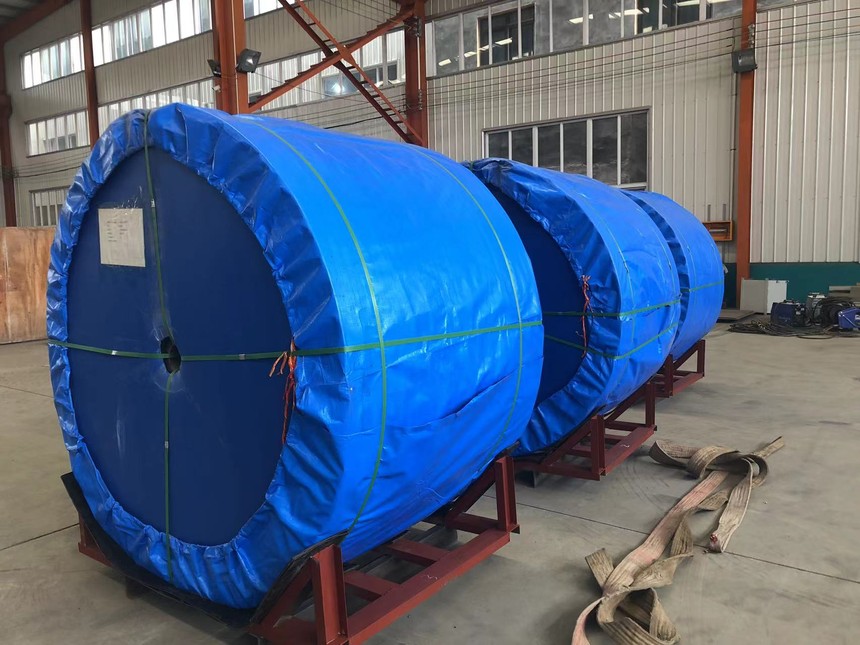
Water softens and swells many polymers, so a conveyor belt in wet outdoor service needs a cover compound that resists hydrolysis and maintains grip. The carcass must also resist rot if fabric plies are used.
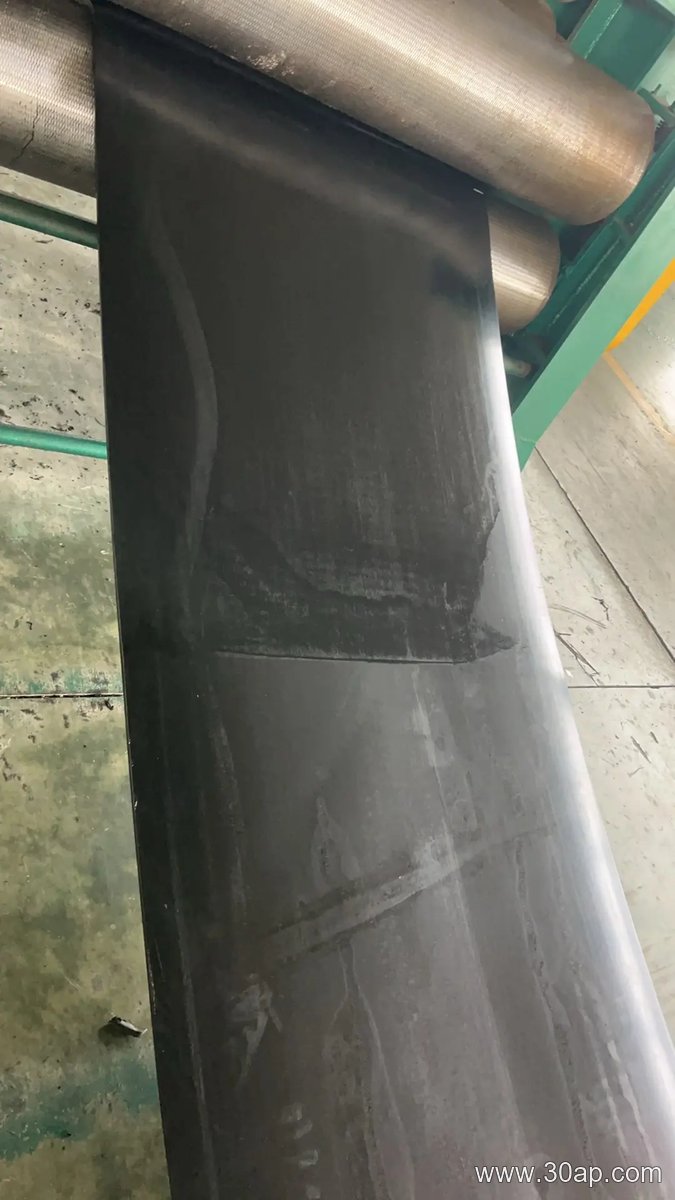
Cover grade trade-offs
- Natural rubber: excellent abrasion resistance and elasticity, but poor resistance to oil and ozone; it can degrade under prolonged wet heat.
- SBR: good abrasion and low cost, but swells in water and loses tensile strength when saturated.
- EPDM: outstanding water, steam, and ozone resistance, but lower tear strength and poor oil resistance; suitable for wet, not oily, conditions.
- Nitrile (NBR): oil resistance is excellent, but water resistance is moderate and cost is higher.
For a wet outdoor conveyor belt handling non-oily bulk materials, an EPDM cover over a rot-resistant fabric carcass or a steel cord carcass with a protective rubber skim is a common choice. Verify water absorption and hydrolysis data from the supplier before specifying.
Reading an Idler Roller Specification Sheet
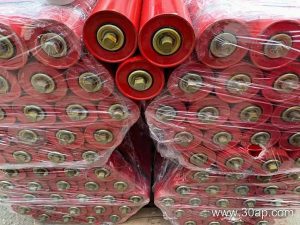
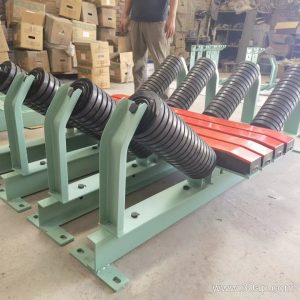
A dusty quarry conveyor throws abrasive grit at every idler roller, so the specification sheet is where duty is actually defined. Read it as a set of measurable fields, not marketing words.
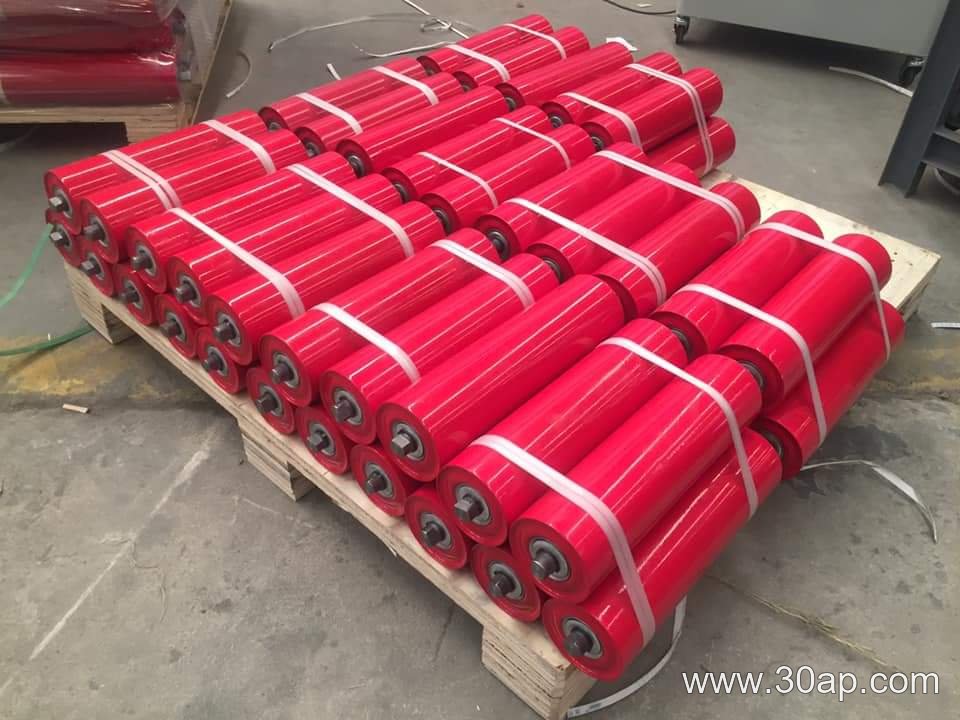
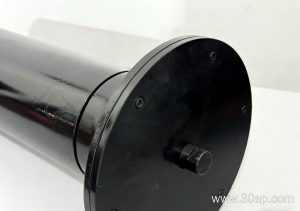
- Shell diameter and wall thickness in mm, which set load capacity and wear allowance.
- Bearing seat diameter in mm, matched to the bearing bore.
- Shaft diameter and length in mm, including the flat or thread.
- Rotation speed in rpm, used to check bearing and seal limits.
- Sealing class described by construction, not by a rating.
Each value only means something relative to the others. Verify dimensions and load assumptions with the manufacturer before ordering, since no field should be treated as a universal guarantee.
Where a Wet Outdoor Conveyor Pulley Earns or Loses Its Life
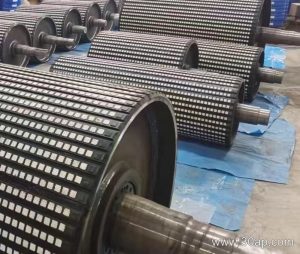
A wet outdoor conveyor pulley is usually judged on shell runout and lagging grip, but the decisive trade-off happens earlier: welded end-disc geometry versus machined balance. The welded route is faster; the machined route holds concentricity longer. The second path matters more where rain and grit reach the bearings.
Production Stages That Shape Finished Quality
Rolling and longitudinal welding set shell roundness. After that, end-disc fitting, shaft alignment, and stress-relief control residual distortion. Lagging application and groove cutting then fix traction and water shedding, while machining and dynamic balancing decide vibration at speed. Finally, bearing housing sealing and surface protection determine whether a wet outdoor conveyor pulley keeps its internal clearances after months of exposure.
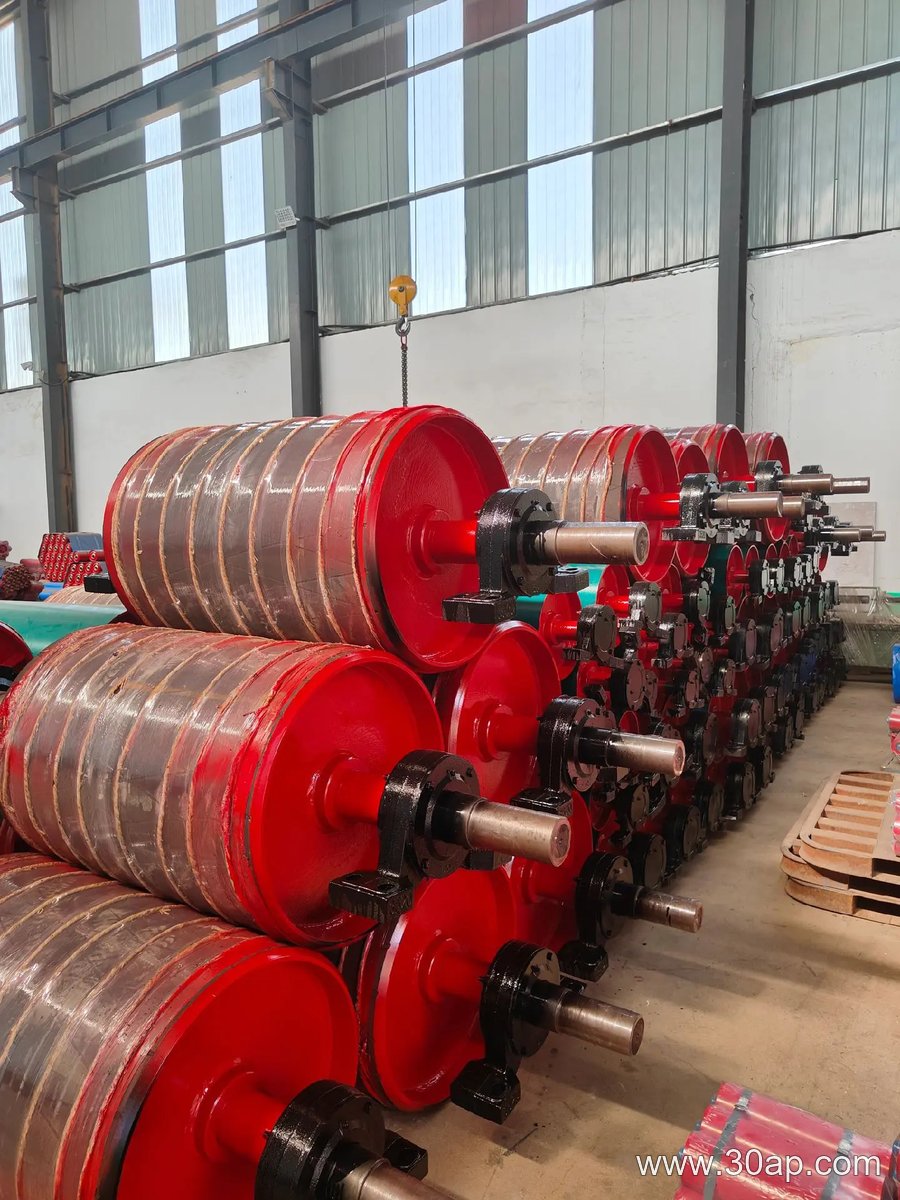
- Rolling and welding: roundness and weld quality
- Stress relief: dimensional stability after welding
- Machining and balancing: runout and vibration control
- Lagging and sealing: traction and moisture exclusion
Inspecting these stages explains why two conveyor pulleys with the same dimensions can behave very differently outdoors.
Why Corrosion Resistance Defines Conveyor Bracket Performance in Humid Plants
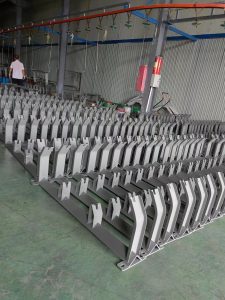
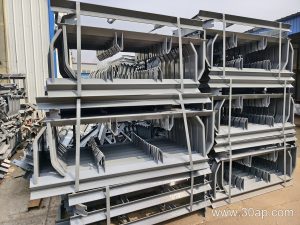
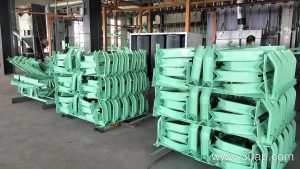
In a general manufacturing line with washdowns or humid air, a conveyor bracket faces continuous moisture. Corrosion resistance determines whether the bracket keeps its fit and load path. A typical conveyor bracket in this setting is carbon steel with a zinc-rich coating; stainless grades are chosen where moisture is constant.
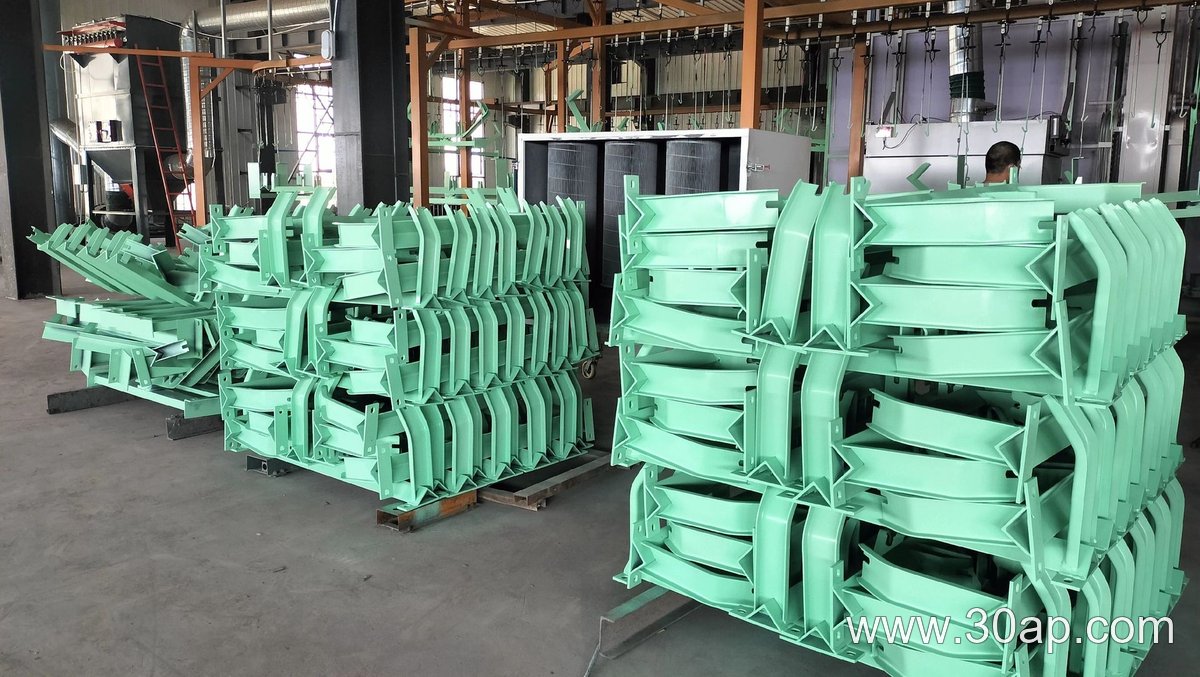
What to Check on a Conveyor Bracket
- Coating coverage at welds and edges, where corrosion often starts
- Drainage: trapped water around the conveyor bracket accelerates rust
- Fastener material matched to the bracket to avoid galvanic corrosion
In a hypothetical humid line, a coated conveyor bracket with open geometry outlasts a pocketed design. Confirm the coating system suits the washdown chemicals, and inspect the conveyor bracket at each shutdown.