What an Impact Resistant Idler Does
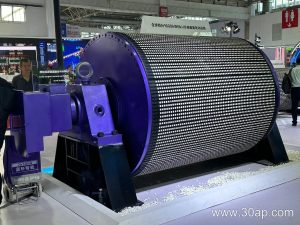
An impact resistant idler is a heavy-duty idler roller placed at the loading zone of a conveyor belt, where coarse material drops from a crusher, screen, or chute. Its job is to absorb the shock of falling lumps and protect the belt from cuts, gouges, and splice damage. In mining, quarrying, and aggregate plants, this buffer position is one of the harshest on the whole conveyor. The same product is also called a buffer idler or shock-absorbing idler, and those names refer to the same item.
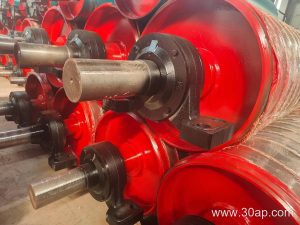
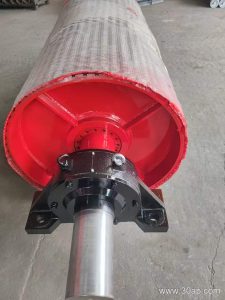
Unlike a standard carrying idler, the impact version is built with resilient elements that cushion the drop point. It is not a replacement for a conveyor pulley at the drive or tail, nor for a bend pulley, but it works closely with them to keep the belt tracking and tension stable.
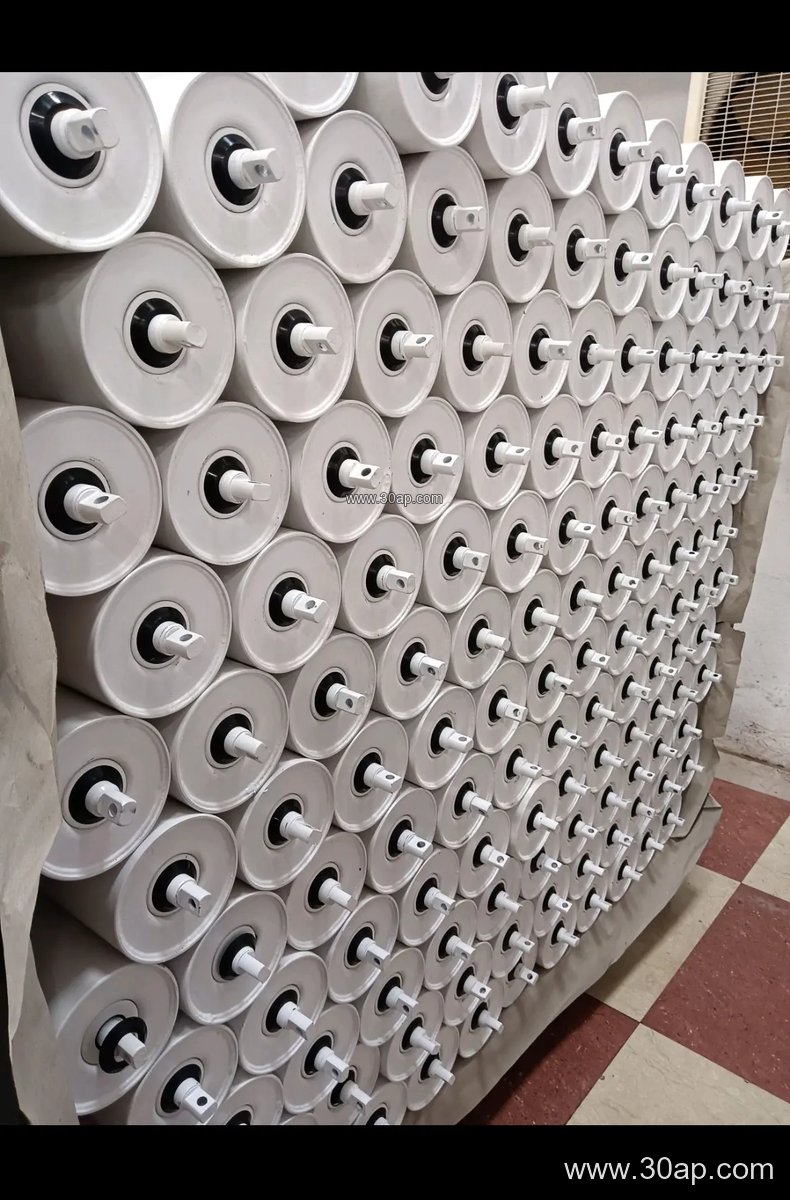
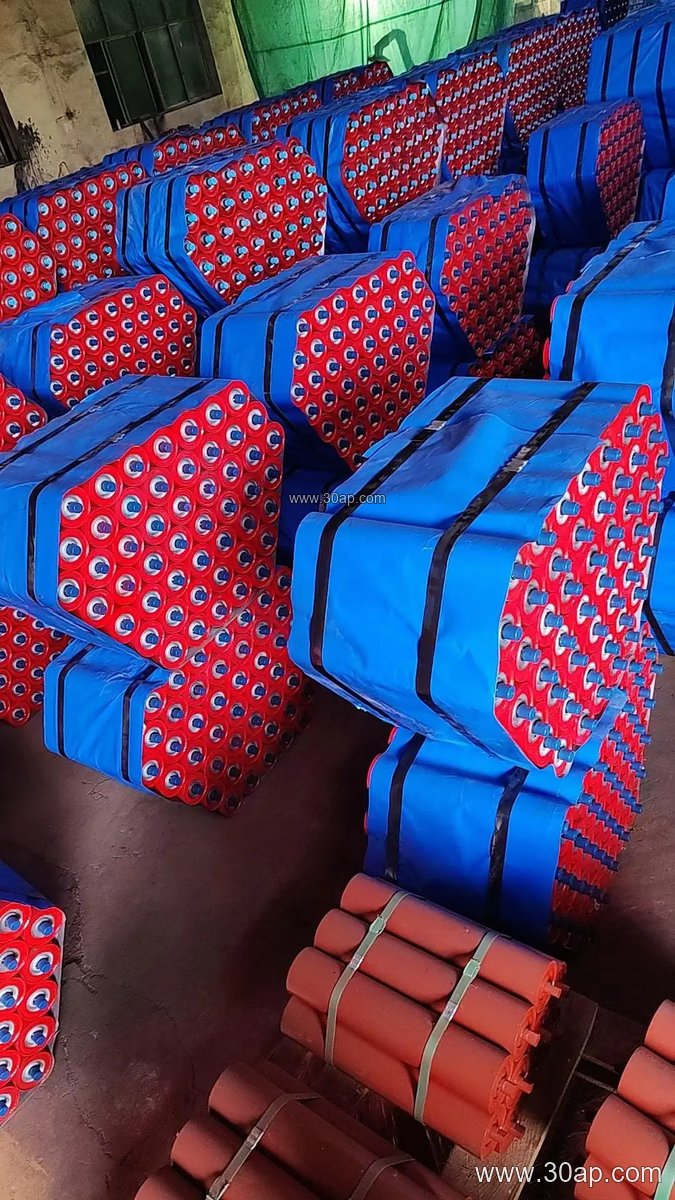
Construction and Surface Options
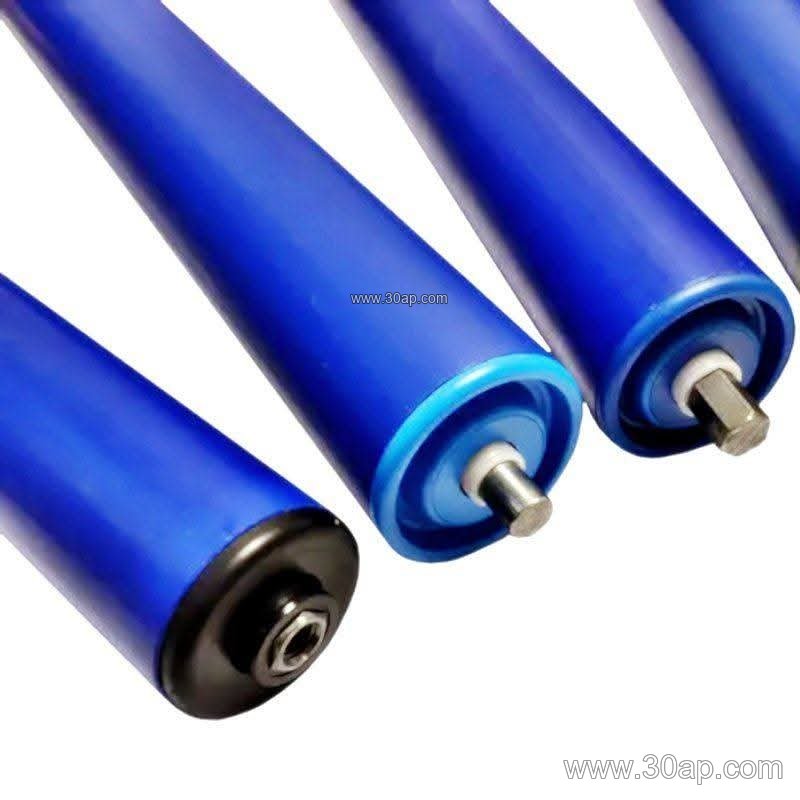
Most impact resistant idlers use a steel tube body with rubber rings or rubber discs mounted along the shell. The rubber rings deform under impact and then recover, spreading the load across the belt width. Some designs use a ceramic or nylon surface where abrasion is the main concern, but rubber remains the common choice at primary loading points. Bearing selection follows the load and speed: 6204, 6205, 6305, 6306, 6308, and 6310 are all used across different roller diameters, and no single bearing is tied to one shell size.
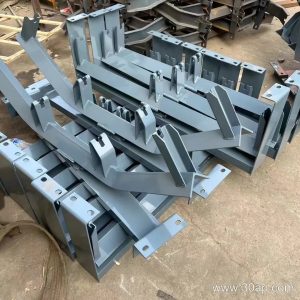
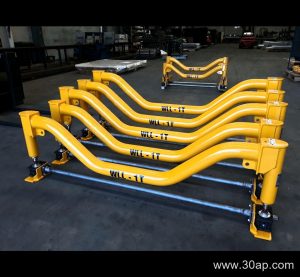
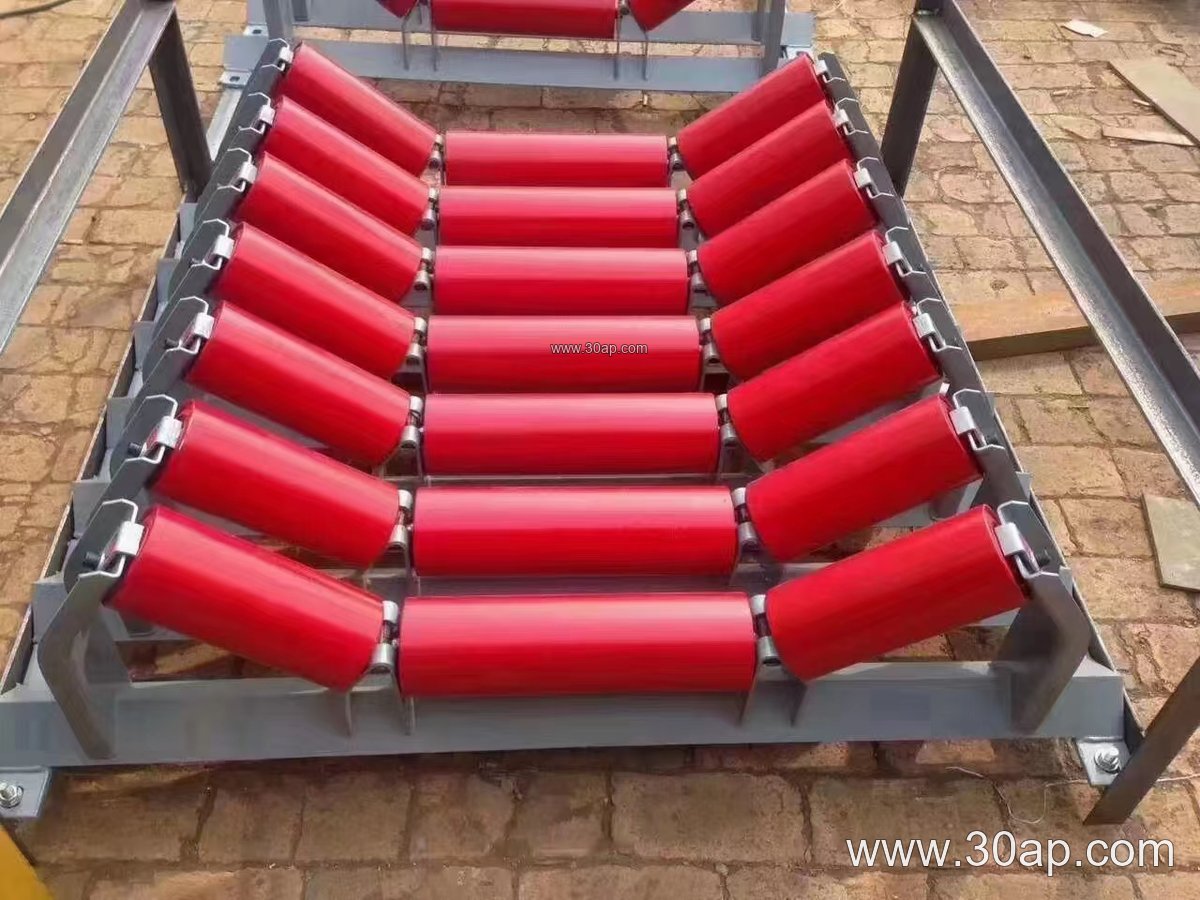
Common roller diameters for this product include Ø89, Ø102, Ø108, Ø127, Ø133, Ø159, and Ø178 mm. The frame is usually a three-roll trough set, with 20, 30, 35, or 45 degree trough angles depending on the belt and material. Roll length varies with belt width, trough angle, and roll position, so the values below are typical examples only.
| Belt width | Typical roll length (three-roll trough) | Common trough angle |
|---|---|---|
| B500 | about 200 mm | 20–35° |
| B650 | about 250 mm | 20–35° |
| B800 | about 315 mm | 30–35° |
| B1000 | about 380 mm | 30–35° |
| B1200 | about 465 mm | 30–45° |
| B1400 | about 530 mm | 30–45° |
| B1600 | about 600 mm | 35–45° |
| B1800 | about 670 mm | 35–45° |
Side rolls and center rolls can differ in length, so the table should be treated as a starting point for design, not a fixed match. The conveyor bracket and frame must be checked for drop height and lump size before choosing the final configuration.
Where It Is Used
You will find impact resistant idlers at transfer points in limestone quarries, iron ore and copper mines, coal washing plants, cement plants, and power station coal handling systems. They also appear in crushing and screening circuits, sinter plants, and tunnel spoil lines where the belt receives sharp, heavy feed. In these locations, a standard carrying idler may fail early, while a rubber-ring buffer idler extends service life and protects the belt carcass.
Compared with a plain trough idler, the impact version is heavier and often uses a reinforced frame. It should not be confused with a return idler or a training idler, which serve different positions on the conveyor. A conveyor pulley at the head or tail still handles power transmission and belt direction; the impact idler only manages the load at the drop zone.
Buyer Checklist
- Confirm belt width (B400 to B2400) and the actual drop height and lump size.
- Choose roller diameter and bearing size together with the load calculation, not from belt width alone.
- Decide between rubber ring, rubber disc, nylon, or ceramic surface based on material abrasiveness.
- Check trough angle and roll length with the conveyor bracket and frame drawing.
- Ask for the shaft diameter and fixing dimensions as part of the design review.
Maintenance is mainly visual: check rubber ring wear, shell rotation, and bearing noise. Replace worn rings before the belt is exposed to direct impact. Keep the loading chute centered so the buffer idler wears evenly across its face.