What a Coal Mining Conveyor Belt Does
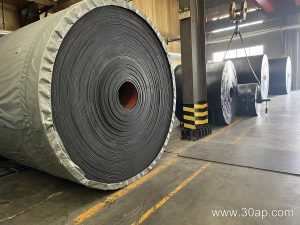
A coal mining conveyor belt is the load-carrying element of a continuous haulage system. In a coal mine, the belt moves raw coal from the face, through transfer points and drifts, to the surface or to a preparation plant. The same product family also appears in cement works, power stations, quarries and sand and gravel yards, where a heavy-duty mining conveyor belt handles abrasive bulk material day after day.
The belt is not a simple rubber strip. It combines a tension-bearing carcass, top and bottom cover rubber, and often an anti-static or flame retardant compound. When buyers ask for a flame retardant conveyor belt or a fire resistant conveyor belt for underground service, they are describing the cover and carcass construction rather than a different machine.
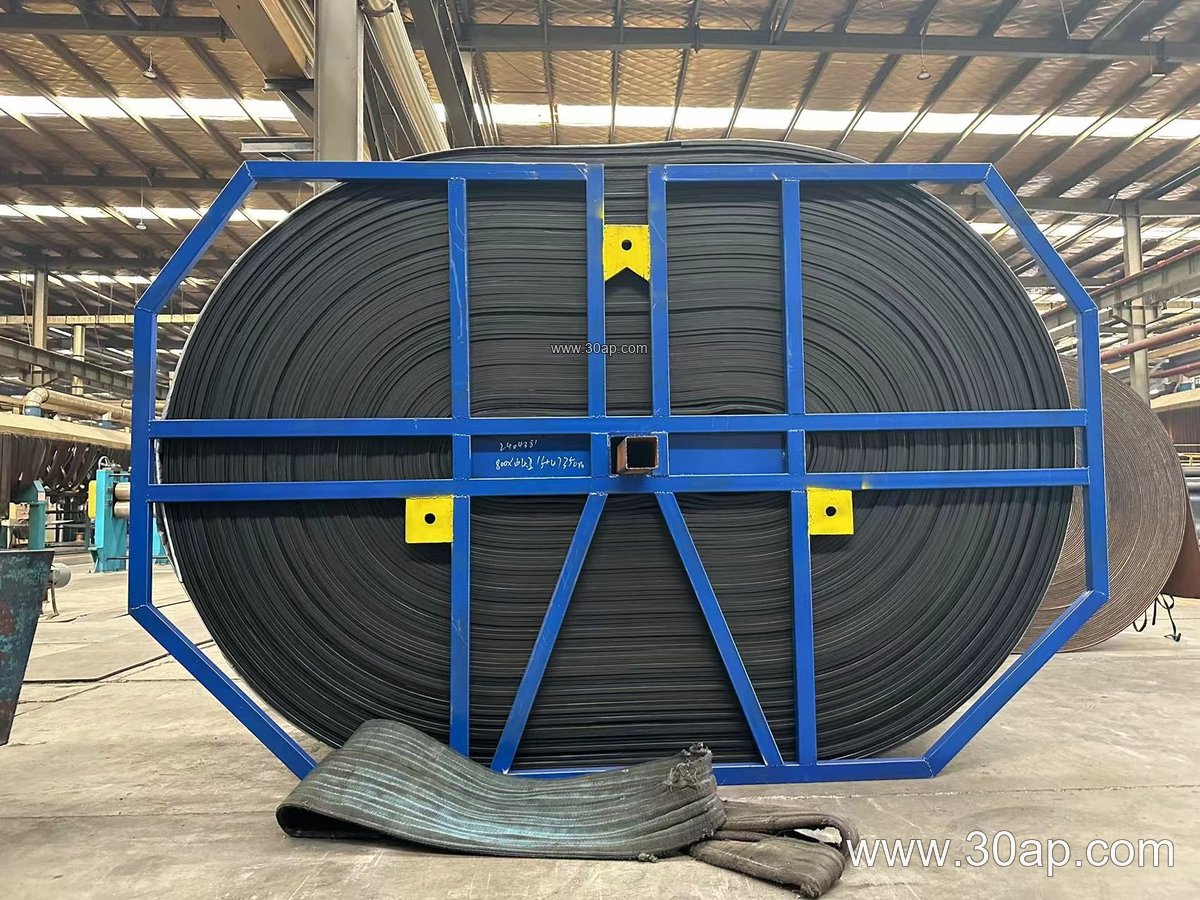
Construction and Carcass Options
The carcass decides how much pull the belt can take and how it behaves on the conveyor pulley. Common constructions include:
- Fabric core conveyor belt with EP (polyester-cotton) or NN (nylon) plies.
- Multi-ply fabric core conveyor belt, usually 2 to 6 plies, for general coal haulage.
- Steel cord conveyor belt for long runs and high tension, such as ST1000 to ST3150 classes.
- PVC or PVG conveyor belt for underground coal mining conveyor belt duty where flame resistance is critical.
Cover rubber protects the carcass from impact and wear. Typical gauges are 3+1.5, 4+2, 5+2, 6+2 and 8+3 mm, chosen by lump size and drop height. An abrasion resistant conveyor belt suits sharp coal and rock, while a heat resistant conveyor belt is used near transfer points with warm material. An oil resistant conveyor belt helps where lubricants or oily coal are present. A cold resistant conveyor belt is useful in northern surface mines.
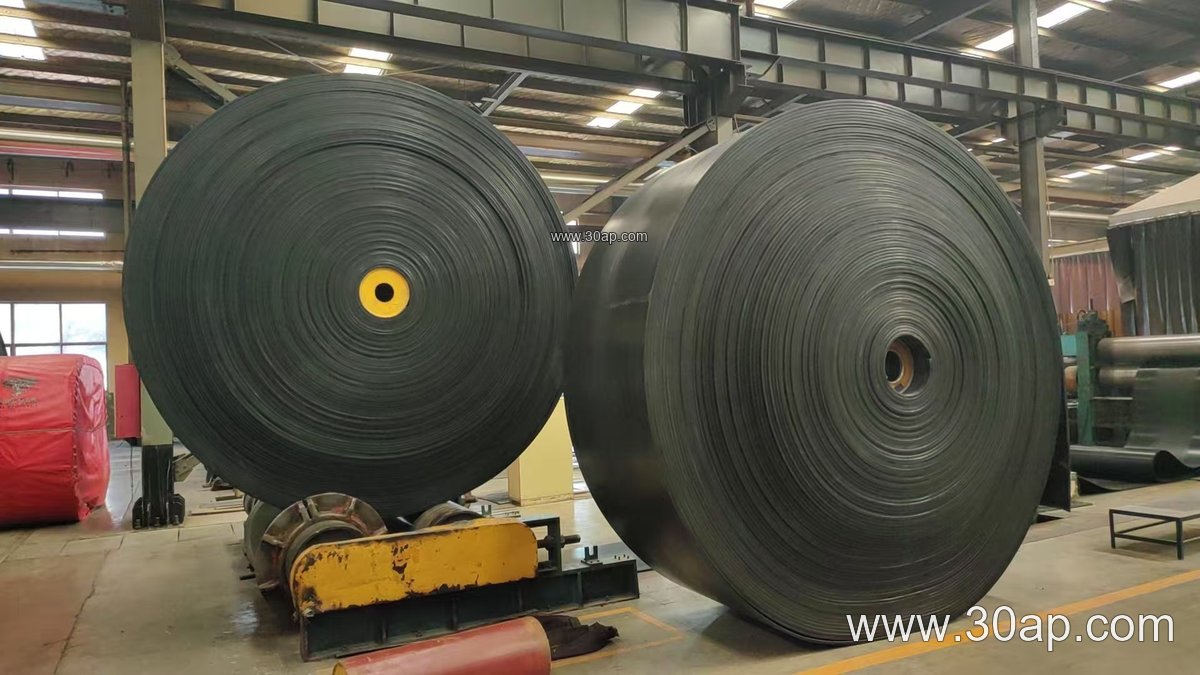
Common Belt Widths and Strength Grades
Width is matched to tonnage and lump size, not to a single pulley diameter. Reference values below are typical, not mandatory:
| Parameter | Common reference values |
|---|---|
| Belt width | B500, B650, B800, B1000, B1200, B1400, B1600, B1800, B2000 |
| EP strength grades | EP200, EP315, EP400, EP500, EP630, EP800, EP1000, EP1250, EP1600, EP2000 |
| Steel cord grades | ST1000, ST1250, ST1600, ST2000, ST2500, ST3150 |
| Cover gauge | 3+1.5, 4+2, 5+2, 6+2, 8+3 mm |
| Ply count | 2 to 6 plies |
A 1000mm or 1200mm belt is common in main gate haulage; a 1400mm or 1600mm belt often appears on surface trunk conveyors. Wide belts such as 1800mm or 2000mm serve high-capacity coal handling. The belt width and the pulley face width must be engineered together, and shaft size follows the calculated load, not the belt width alone.
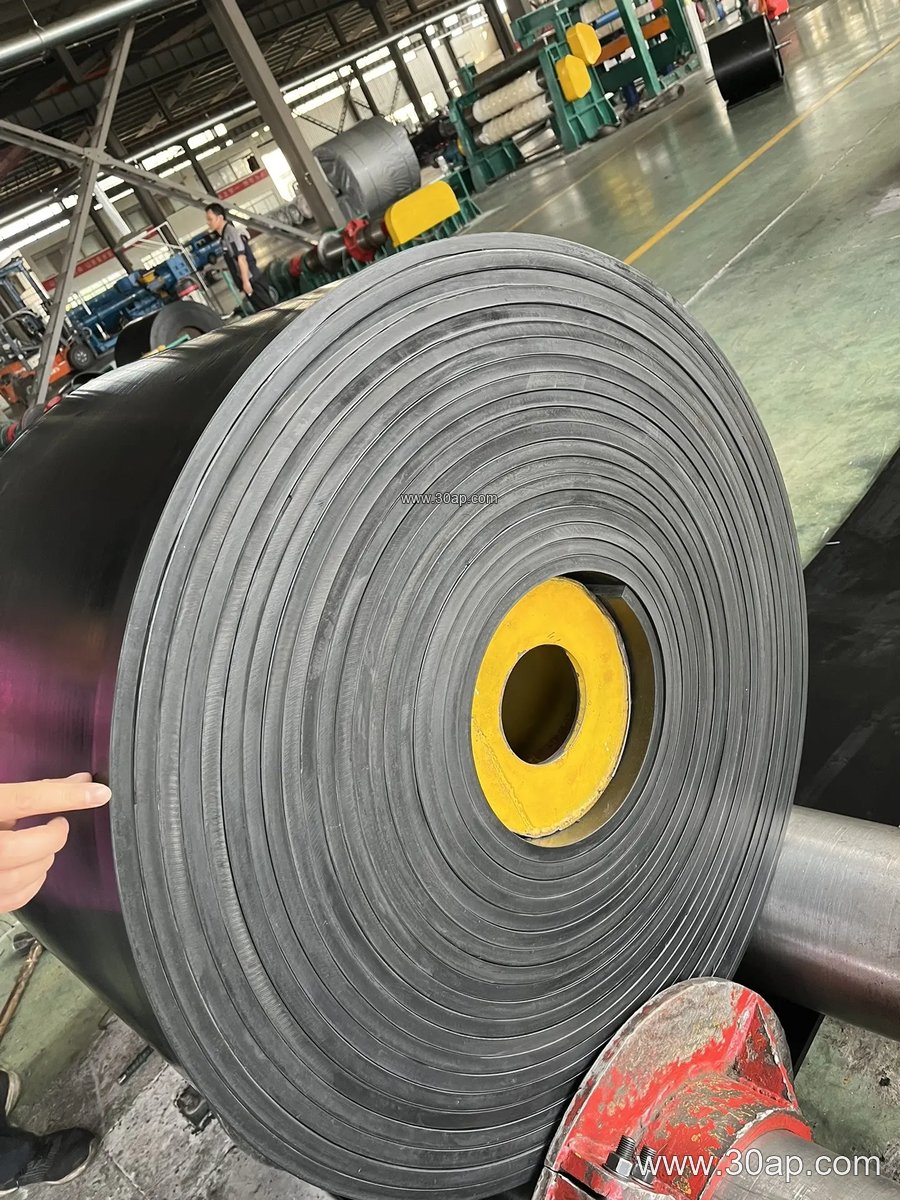
Where It Is Used
Underground coal mining conveyor belt systems demand flame retardant and anti-static properties. Surface coal conveyors, coal preparation plants, cement plants, power plant coal yards and port ship loading conveyors use similar belts with different cover compounds. A quarry conveyor belt or aggregate conveyor belt may share the same carcass but needs a more abrasion resistant conveyor belt cover. In a crusher conveyor belt line, impact resistant conveyor belt construction reduces damage at the feed point.
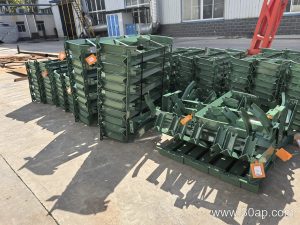
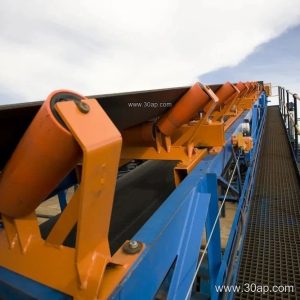
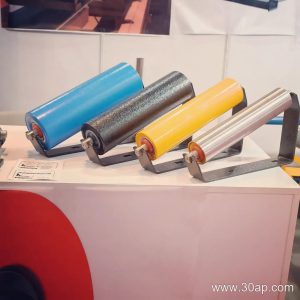
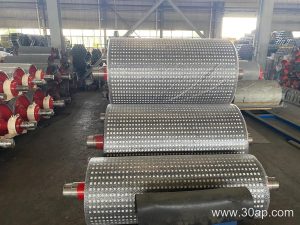
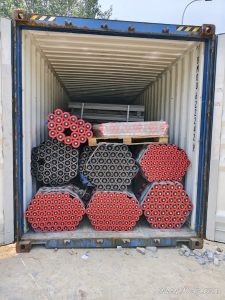
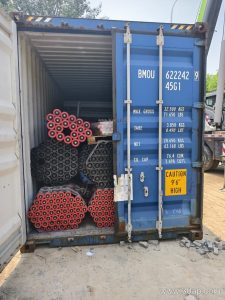
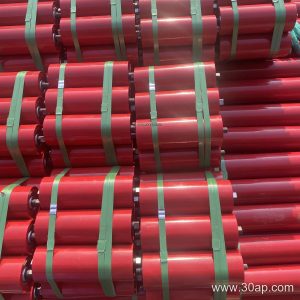
Ancillary parts matter too. The idler roller supports the belt, the conveyor pulley drives or redirects it, and the conveyor bracket holds the assembly in alignment. Drive pulleys, tail pulleys and bend pulleys each have their own role and are not interchangeable, so specify them separately when ordering spares.
Buyer Checklist
- State the material, lump size and tonnage so the correct strength grade and cover gauge can be proposed.
- Confirm whether flame retardant, anti-static or fire resistant properties are required for the mine type.
- Provide the belt width and the pulley face width so both match the existing conveyor.
- Ask about splice method, since an endless conveyor belt or a field-vulcanized joint changes delivery and installation planning.
- Review the maintenance plan for idler roller rotation and pulley lagging, because a misaligned belt wears faster.
If you need help matching a coal mining conveyor belt to an existing conveyor, share the duty data and our team can review the carcass, cover and width options with you. See more at conveyor belt and coal mining conveyor belt.