Why the Conveyor Bracket Matters More Than You Think
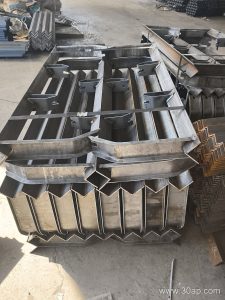
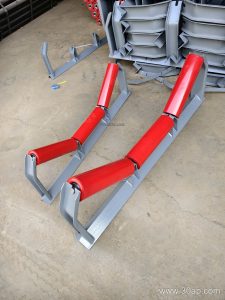
The conveyor bracket is the structural interface that secures rollers, idlers, and frames to the support structure. A poorly chosen bracket causes misalignment, vibration, and premature component wear.
Key Selection Criteria
- Material: Choose galvanized steel for corrosive environments, stainless for food processing, and powder-coated carbon steel for general use.
- Load rating: Match the bracket’s static and dynamic capacity to your peak belt tension plus 20% safety margin.
- Adjustability: Slotted or multi-hole brackets allow field alignment—essential for long belts.
Purchasing Advice
Measure existing hole spacing and bolt size before ordering. Request sample brackets for fit testing. Verify weld quality and surface finish—rough edges tear belts. For retrofits, prefer universal brackets with interchangeable mounting plates.
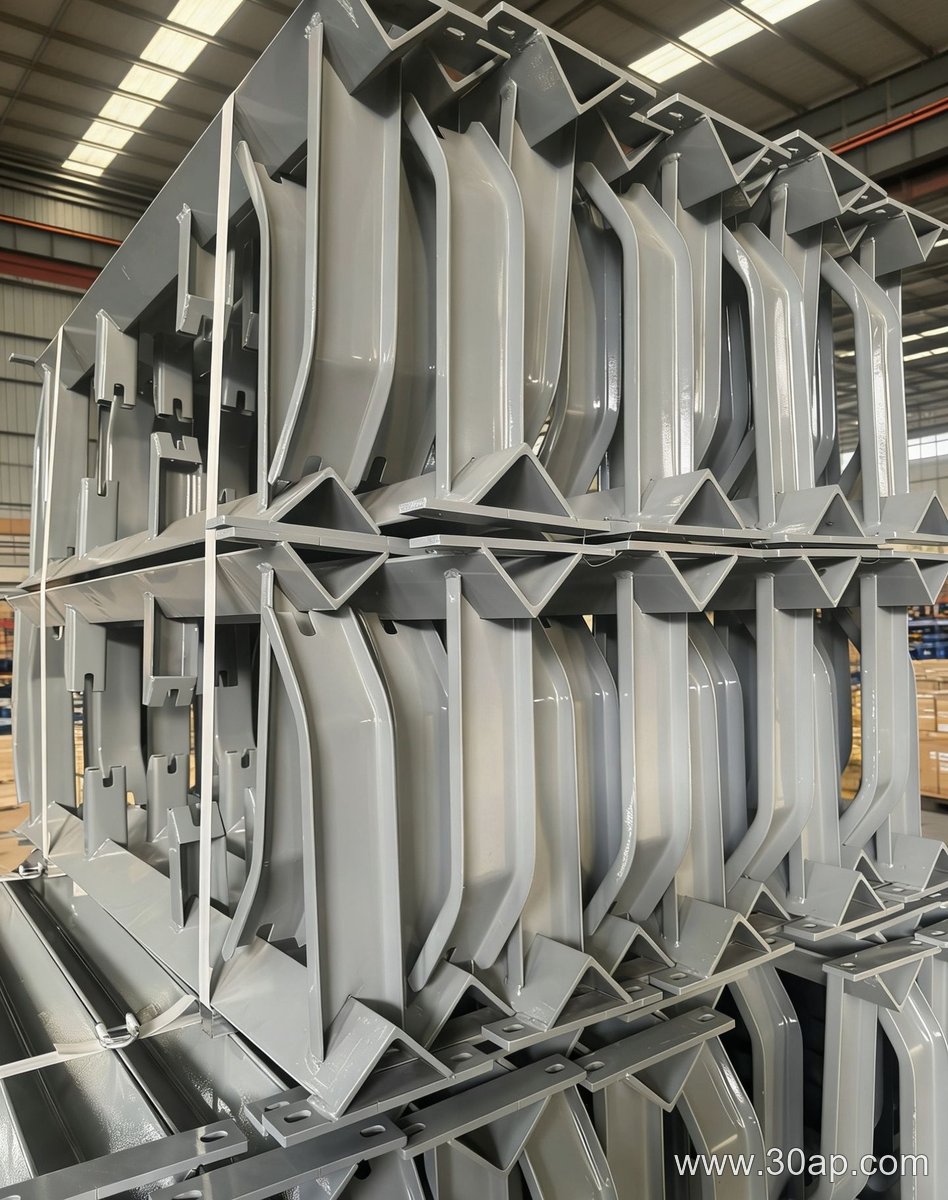
Always buy spare brackets for critical transfer points; downtime costs far exceed part price.
Why the Conveyor Belt Remains the Backbone of Modern Material Handling
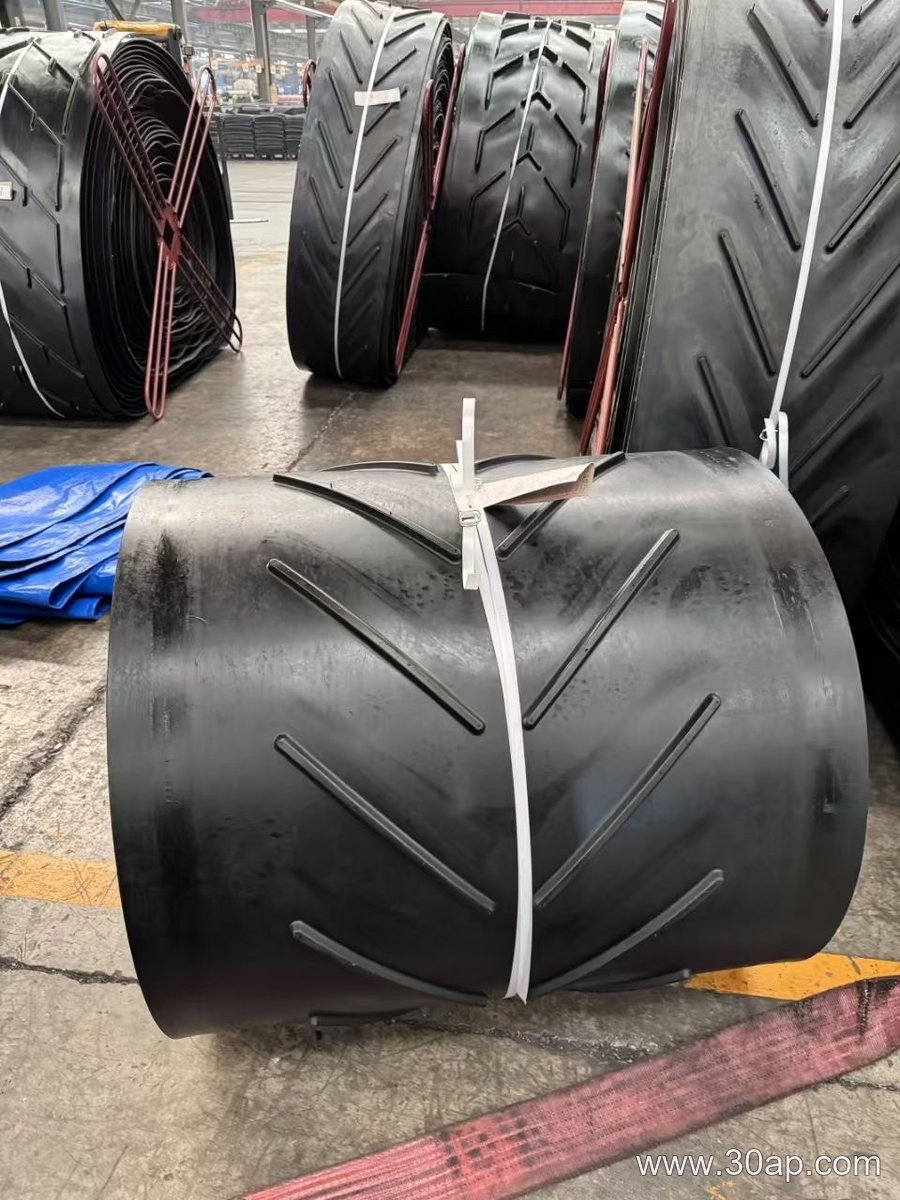
Every high-throughput production line depends on a rubber, PVC, or steel-reinforced conveyor belt to keep goods moving without interruption. Selecting a belt is not a one-size-fits-all decision—it requires matching load weight, belt speed, and environmental conditions to the belt’s carcass and cover rating.
Key Technical Specifications for Purchasing
- Tensile strength (measured in N/mm) must exceed peak load stress, especially for bulk aggregates or metal parts.
- Cover thickness determines abrasion resistance; use 4+2 mm for sharp-edged materials, lighter covers for packaged goods.
- Operating temperature range: standard belts work from -20°C to 60°C, while heat-resistant belts handle up to 180°C for foundry or kiln feeds.
Selection Checklist Based on Application
- For inclined transfers above 20 degrees, choose a chevron or cleated belt to prevent backslip.
- In food processing, select a smooth, FDA-approved PVC belt that can be steam-cleaned without delamination.
- For long overland routes, steel-cord conveyor belts reduce stretch and maintenance stops compared to fabric-reinforced models.
Always request a pull force calculation from your supplier, and verify that the belt’s splice type—mechanical or vulcanized—matches your pulley diameter. A correctly specified conveyor belt cuts downtime, lowers energy costs, and extends service life by years.
Idler Roller: Why the Right Support Matters
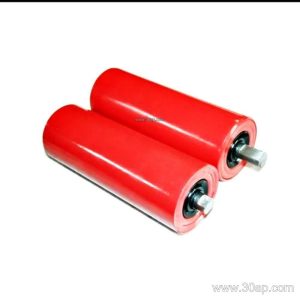
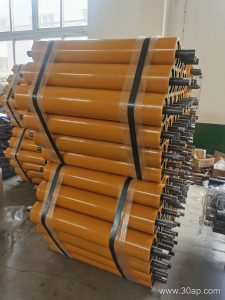
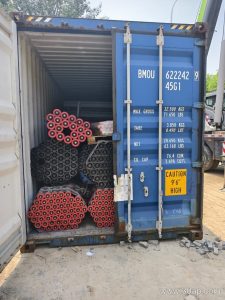
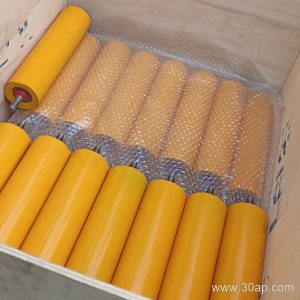
The idler roller is the unsung hero of any bulk material conveyor system. These cylindrical supports cradle the belt, shape its trough, and absorb impact—yet a poorly chosen idler can cause belt misalignment, premature wear, and costly downtime. Before you buy, understand your load, belt speed, and environment.
Key Factors for Purchasing
- Load rating: Match the roller’s dynamic load capacity to your peak tonnage—overloading leads to bearing failure.
- Shell material: Steel for abrasion, rubber-covered for belt traction, or HDPE for corrosive or food-grade lines.
- Sealing class: IP66 or labyrinth seals for dusty or wet sites; standard seals for clean indoor duty.
- Trough angle: 20°, 35°, or 45°—choose based on belt width and material repose to prevent spillage.
Maintenance and Replacement Tips
Inspect idler rollers monthly for seized rotation or shell wear. Replace in complete sets to keep belt tracking even. For long belts, specify rollers with a true run-out below 0.5 mm to reduce vibration. Always verify shaft end type (CEMA, DIN, or custom) against your frame.
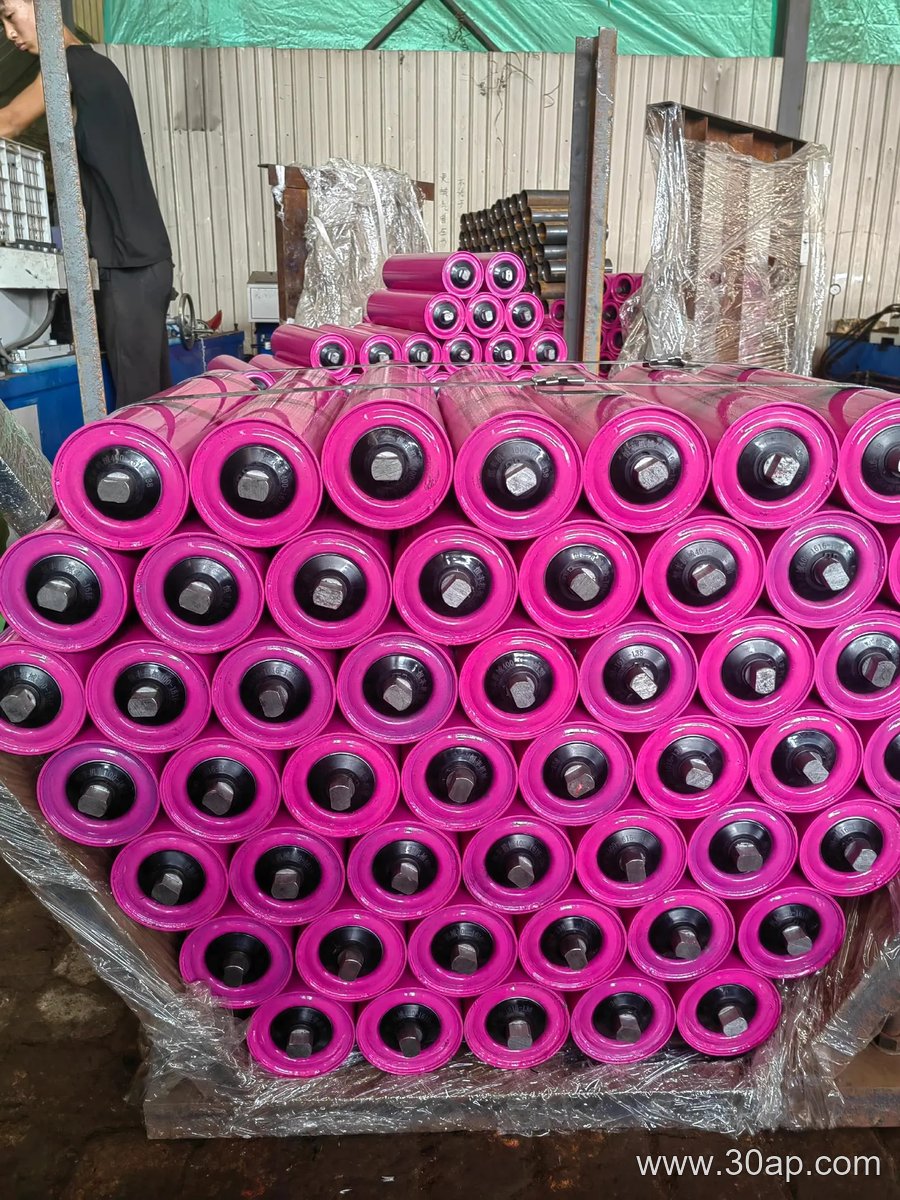
When quoting, ask for a bearing life calculation (L10) based on your actual RPM and load. A slight upfront cost for a quality idler roller pays back through extended belt life and lower energy draw.
Conveyor Pulley Essentials for Industrial Buyers
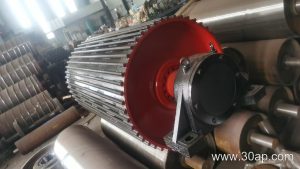
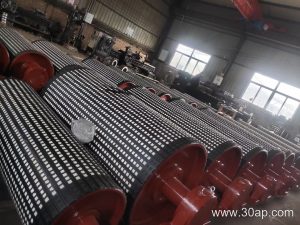
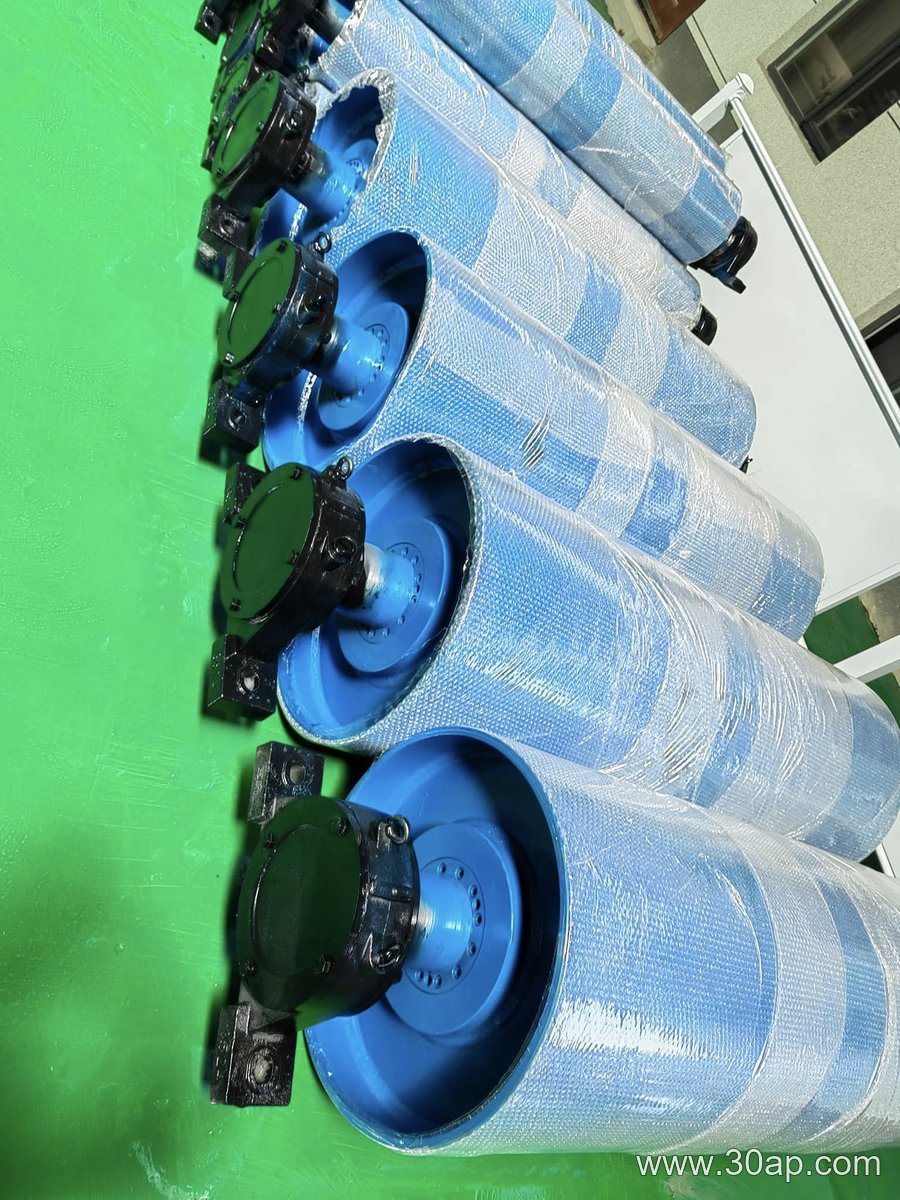
A conveyor pulley is the cylindrical component that drives, redirects, or tensions a belt system. Choosing the wrong one causes downtime, belt damage, and premature failure. This guide focuses on pulley selection for bulk material handling.
Key Specifications to Evaluate
- Diameter and face width: Match belt width and load stress; larger diameters reduce belt fatigue.
- Shaft and hub design: Ensure adequate torque capacity for your motor and start-up conditions.
- Lagging type: Rubber or ceramic lagging improves grip and extends pulley life.
Material and Manufacturing Quality
Steel grade (e.g., C45 or S355) and welding standards (ISO 9001) determine resistance to impact and corrosion. Request finite element analysis reports for critical applications.
Purchasing Advice
- Measure existing pulley dimensions plus belt tension at operating speed.
- Ask about balancing class (G6.3 or better) to avoid vibration.
- Verify crown profile – concave faces help with belt tracking.
- Order spare bearings and seals with the initial purchase.
Always specify operating environment (dust, moisture, temperature) and require a test certificate. For high-capacity conveyors, consult the manufacturer’s pulley selection software or engineer.